

Social security liabilities, Vlora leads with over 50% of the total
Despite the fact that after 2014, with the amendment of th...


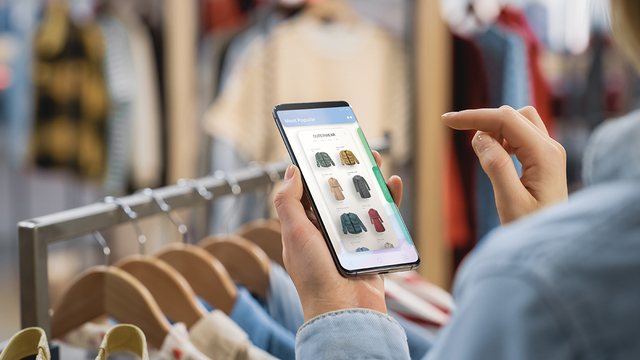
Despite the fact that 83 percent of Albanians are daily internet users, when it comes to making purchases or conducting banking transactions, they prefer traditional methods.
During 2024, according to Eurostat, only 16.3 percent of Albanians (age group 16-74) ordered goods or services online, the last in Europe. While in the Netherlands, in the central region of Utrecht, the highest percentage in the EU is recorded, where 91.5 percent of people ordered products or services online during 2024.
Albania also ranks last in terms of online banking usage, with only 15.1% of the population using the internet for banking services in 2024, compared to the EU average of 67.2%.
Daily internet users
Internet users are defined as people aged 16 to 74 who use the Internet at home, at work or elsewhere, for private or professional purposes, regardless of the device or type of connection they use.
In 2024, almost 9 out of every 10 people aged 16–74 in the EU used the internet every day.
In 2024, 88.3% of people aged 16–74 in the EU reported using the internet every day in the 3 months preceding the ICT survey*. This level was 2.4 percentage points higher than in 2023 and 11.4 points higher than in 2019.
Ordering goods or services online
In 2024, 60.2% of people aged 16 to 74 in the EU reported having ordered goods or services online during the 3 months prior to the ICT survey.
The highest percentages were recorded in regions of the Czech Republic, Denmark, Ireland, France (excluding remote regions), the Netherlands, Slovakia, Finland and Sweden.
The central Dutch region of Utrecht leads with 91.5% of users shopping online.
On the other hand, online shopping was below the EU average in all regions of Bulgaria, Italy, Lithuania, Portugal, Romania, Slovenia, as well as in Croatia and Latvia.
Albania, with 16.3%, is positioned significantly below even the weakest EU countries.
Internet banking
In recent years, the EU banking sector has seen a significant increase in online services. Customers now visit local branches less often or not at all, the number of branches has shrunk and online transfers or electronic payments have become the norm. Online banking reduces the need for physical branches and the associated costs. Furthermore, it often offers greater convenience, enabling banking transactions and other activities to be carried out at any time of the day and from almost any location.
In 2024, 67.2% of the EU population aged 16 to 74 used the internet for banking during the 3 months preceding the ICT survey.
Over 90.0% of people in every region of Denmark, the Netherlands and Finland used online banking. In Belgium, the Czech Republic, Ireland, Sweden and the Baltic countries, most regions also recorded relatively high percentages (at least 80.0%); the same situation was observed in Cyprus.
In 2024, the lowest percentages of people using online banking were recorded in Bulgaria, Romania, and southern Italy.
Several factors influence these areas: the high presence of rural areas, the limited level of digital skills, and an older demographic structure that prefers cash payments.
Albania, with only 15.1%, ranks even lower than these regions./ Eurostat

Despite the fact that after 2014, with the amendment of th...
This Tuesday, one US dollar will be bought for 82.5 lek an...

Silver hit a new high on Monday as traders placed speculat...

The General Directorate of Taxes has announced that salari...
Home loans continued to grow in October, confirming a low ...
Autumn cultural tours managed to compensate for the declin...
This Sunday, one US dollar will be bought for 82.9 lek and...
This Saturday, one US dollar will be bought for 82.8 lek a...
This Friday, one US dollar will be bought for 82.9 lek and...
The banking sector's net interest income is declining for ...
The insurance market is growing at double-digit rates this...
Vehicle imports into our country are growing rapidly, espe...
Planned expenditures for the Ministry of Defense have incr...
This Thursday, one US dollar will be bought for 83 lek and...
The year 2025 has turned out to be an unfavorable year in ...
Credit to the economy further emphasized the upward trend ...
The year 2025 is expected to end with expenses for providi...
Albania and Kosovo are the two countries that have experie...
This Wednesday, one US dollar will be bought for 83 lek an...
Business associations presented their demands today at the...

Irfan Hysenbelliu claims to be a big businessman, an hones...

The murder of officer Enea Mekolli in the line of duty has...
The next case broadcast on the show "Stop", this Thursday,...
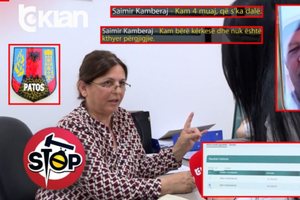
The case published this Thursday, June 4, on the show "Sto...

The Special Board of Appeal (KPA) decided this Monday ...

The KPA vetting decided this Thursday to dismiss the p...

Suela Salavaçi, a prosecutor in the Prosecutor's Offic...

The Special Board of Appeal reinstated the prosecutor ...
A 38-year-old man was arrested today near the Kamza turnof...
A money changer in Durrës lost 60 thousand euros after bei...
The 6 citizens captured in Dubai, members of criminal grou...
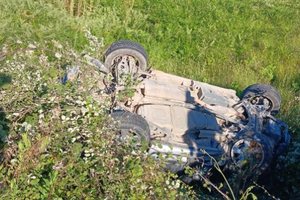
A serious accident occurred on the Kardhiq-Delvinë axis, i...
Today our country will be affected by stable weather condi...

For many children and teenagers, the long summer holidays ...
Albania is facing an unprecedented demographic transition,...

On Thursday, our country will be affected by unstable weat...
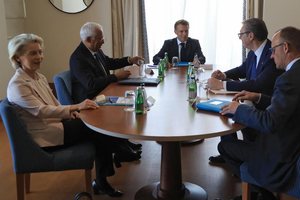
Leaders of the European Union and Western Balkan countries...
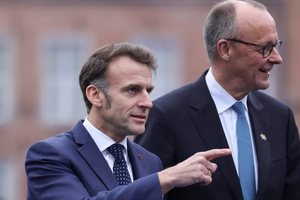
On the eve of the EU-Western Balkans summit, Germany and F...

Russian President Vladimir Putin said the war in Ukraine c...
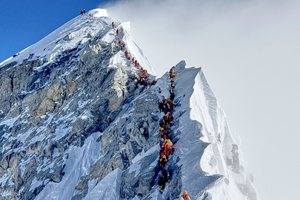
An extraordinary story of survival has been recorded in Ne...
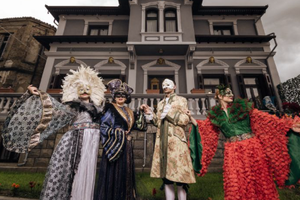
Korça is ready to open the summer season with one of the c...
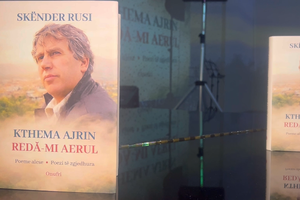
Two years after his passing, the renowned Korçë poet Skënd...
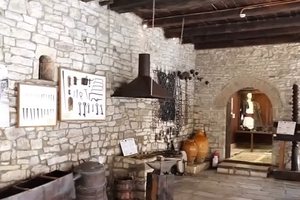
The Ethnographic Museum of Berat has opened its doors to v...
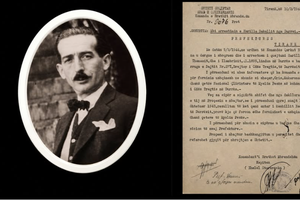
The story of Harilla Bakalli is one of the most chilling t...
Despite years of efforts at regional cooperation and free ...
Albania is the country with the highest level of severe ma...
This Friday, one US dollar is bought for 81.3 lek and sold...
The government aims to transform the country's industrial ...