


Pound and dollar continue to fall/ Exchange rate, June 20, 2025
Today, in the foreign exchange market, one US dollar will ...


Albanian citizens, although paid less in Europe, at about 41% of the European average, according to purchasing power, buy many groups of goods up to 50% more expensive than in Europe in 2024, according to the comparative Consumer Price Index published by Eurostat.
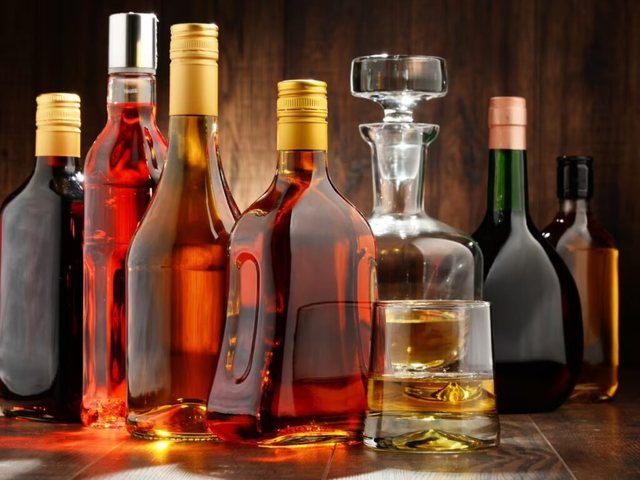
The first group of products is alcoholic beverages, which cost almost 53% more than the European average (152.8%). This means that for the same products that cost an average of 100 euros in Europe, in Albania it would cost 152.8 euros, or almost 53 euros more, measured according to purchasing power parity.
The second group is “Audio-visual, photographic and information processing equipment”, which includes TVs, radios, audio equipment, DVD/Blu-ray devices, etc., Photo/digital cameras, video cameras, Personal computers, laptops, tablets, printers, scanners, etc. These products cost on average almost 50% more than the European average (149.5%). A year ago, these products cost 135.7% of the European average.
Household appliances (refrigerators, washing machines, stoves, air conditioners, vacuum cleaners, mixers, blenders, toasters, electric kettles, irons, etc.) are not cheaper either, costing 45.8% more than in most of Europe (145.8%), up from 130.8% a year ago.
A very vital product is the group that includes milk, cheese and eggs. On average, these cost 31.5% more than the European average, up from 19.5% in 2023, indicating a relative increase in prices. Until 2013, this group cost 10% cheaper than the European average. In 2020, prices exceeded the EU average for the first time (104.9%) and continued to increase in the following years.
We buy other foods 25% more expensive than Europe, up from 19% a year ago.
We buy 19% more non-alcoholic beverages.
Household furniture, appliances and maintenance are 11.5% more than the European average.
Household furniture, appliances and maintenance are 11.5% more.
Even personal transportation equipment is 5.9% more than the European average.
Communication is also more expensive (with an index of 102.7%).
We buy furniture and furnishings, carpets and other floor coverings 2.2% more expensive than in Europe.
For the first time, food and non-alcoholic beverages, a basic product, have also caught up with the European average, which are now 1.1% more expensive than in Europe.
The cheapest in relation to the European average is tobacco, at 46.8% of the European average, as well as restaurants and hotels, at 52.3% of the European average.
In total, according to Eurostat data, the average price level in our country was 62.9% of the EU average, up from 58.2% in 2023 and 54.6 in 2022. In just two years, Albania has narrowed the price gap with the EU average by 8.3 points.
In 2024, Albania ranks first in the region for high price levels compared to the EU average (62.9), surpassing Serbia (61.4), Bosnia and Herzegovina (59.7) and Montenegro (57.9), North Macedonia (49.6%) and approaching Croatia (73.3). In 2022, Serbia had the highest average price levels compared to the EU.
Eurostat compares prices according to the concept of PPP (Purchasing Power Parity). In their simplest form, PPPs are nothing more than price comparisons that show the ratio between prices in national currencies for the same good or service in different countries.
For example, if the price of a hamburger in Sweden is 28.60 Swedish kronor and in Italy it is 2.76 euros, then the PPP for hamburgers between Sweden and Italy is 28.60 kronor to 2.76 euros, or 10.36 kronor to one euro. In other words, for every euro spent on hamburgers in Italy, 10.36 kronor would have to be spent in Sweden to get the same quantity and quality – i.e. the same “volume” – of hamburgers.
Consumer prices in the EU
During 2024, price levels for household final consumption expenditures varied significantly among European Union countries.
According to Eurostat data, the highest prices were recorded in Denmark (143% of the EU average), Ireland (138%) and Luxembourg (133%). In contrast, the countries with the lowest household consumption costs were Bulgaria (60%), Romania (64%) and Poland (72%).
This indicator reflects not only the price level of goods and services in each country, but also the purchasing power of families, directly affecting the well-being of citizens.
In 2024, the products with the largest price differences between European Union countries were alcoholic beverages and tobacco. Ireland was the most expensive country for these products, with prices reaching 205% of the EU average – almost three times more than Bulgaria, where this level was only 69%.
After Ireland, high price levels for alcohol and tobacco were also recorded in Finland (175%) and France (137%). On the other hand, apart from Bulgaria, lower prices were recorded in Poland and Slovakia (both 83%).
This large difference is mainly due to different taxation policies on these products from one country to another.
According to Eurostat, the second category with the largest price variation in the EU was restaurants and hotels. Denmark topped the list with 148% of the EU average, followed by Ireland (129%) and Finland (127%).
Among the most affordable places to eat out or stay in a hotel were Bulgaria (53%), Romania (69%) and Hungary (72%).
Clothing ranks third in terms of variation in price levels, with the highest prices for clothing recorded in Denmark (133%), Sweden and Finland (both 120%), while the lowest prices were found in Bulgaria (79%), Hungary and Romania (both 85%).
Differences were also recorded for food and non-alcoholic beverages (from 76% of the EU average in Romania to 125% in Luxembourg), personal transport equipment (from 89% in Slovakia to 120% in Denmark) and consumer electronics (from 89% in Italy to 115% in Finland)./ Monitor Magazine

Today, in the foreign exchange market, one US dollar will ...
The National Business Center has today reminded all commer...
Today, in the foreign exchange market, one US dollar will ...
Austrian insurance group Uniqa announced the successful co...
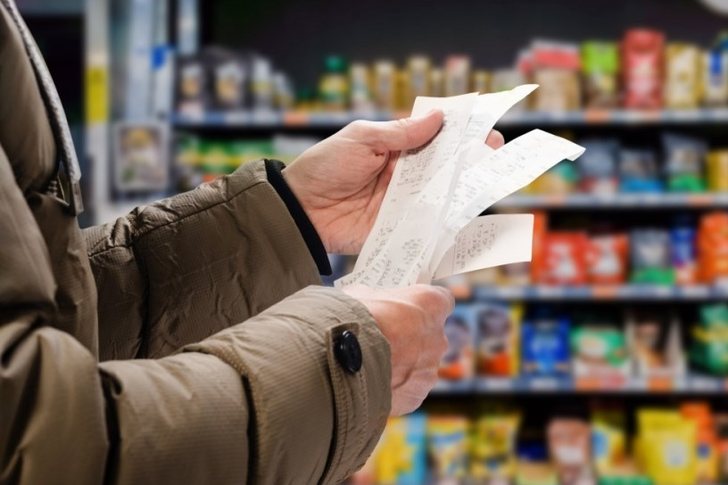
Prices in Albania are rising very quickly, increasingly na...

Today, in the foreign exchange market, one US dollar will ...
The General Directorate of Road Transport Services (DGRTS)...
The Ministry of Finance has published a summary of the pre...
Today, in the foreign exchange market, one US dollar will ...
The real estate sector had the best performance in the ser...
The Albanian economy's income from work abroad increased a...

As Albania aims to join the EU in 2030, a large gap remain...
Today, in the foreign exchange market, one US dollar will ...
Although the agricultural sector accounts for nearly a qua...
A poor country that pays like a rich one – to feed itself....
Today, in the foreign exchange market, one US dollar will ...
The Tax Administration has published the reference salary ...
The Council of Ministers has approved several changes to t...

Today, in the foreign exchange market, one US dollar will ...
Albanian investments abroad suffered a slowdown in the fir...
Irfan Hysenbelliu claims to be a big businessman, an hones...

The murder of officer Enea Mekolli in the line of duty has...
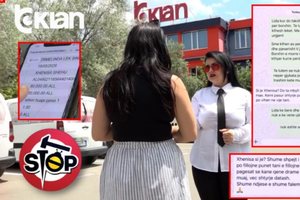
The next case broadcast on the show "Stop", this Thursday,...
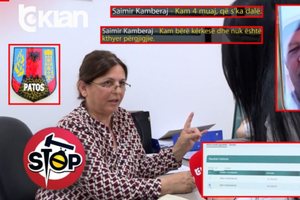
The case published this Thursday, June 4, on the show "Sto...

The Special Board of Appeal (KPA) decided this Monday ...

The KPA vetting decided this Thursday to dismiss the p...

Suela Salavaçi, a prosecutor in the Prosecutor's Offic...

The Special Board of Appeal reinstated the prosecutor ...
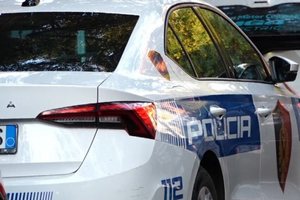
A 38-year-old man was arrested today near the Kamza turnof...

A money changer in Durrës lost 60 thousand euros after bei...
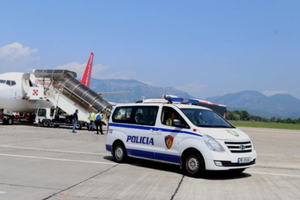
The 6 citizens captured in Dubai, members of criminal grou...
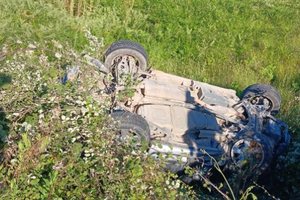
A serious accident occurred on the Kardhiq-Delvinë axis, i...
Today our country will be affected by stable weather condi...

For many children and teenagers, the long summer holidays ...
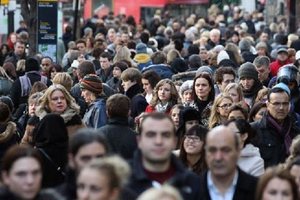
Albania is facing an unprecedented demographic transition,...
On Thursday, our country will be affected by unstable weat...
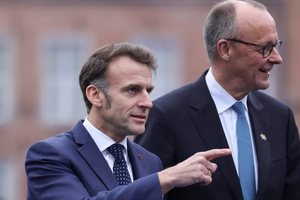
On the eve of the EU-Western Balkans summit, Germany and F...

Russian President Vladimir Putin said the war in Ukraine c...

An extraordinary story of survival has been recorded in Ne...
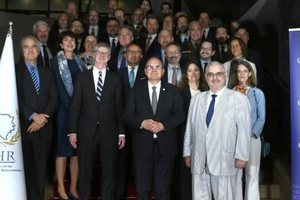
The Peace Implementation Council in Bosnia and Herzegovina...
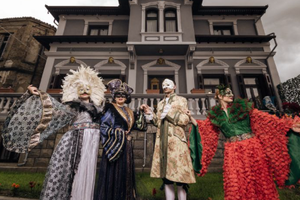
Korça is ready to open the summer season with one of the c...
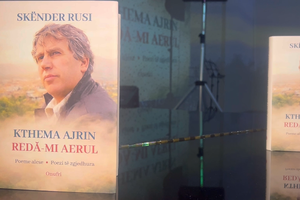
Two years after his passing, the renowned Korçë poet Skënd...
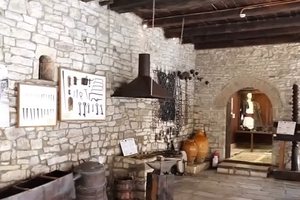
The Ethnographic Museum of Berat has opened its doors to v...
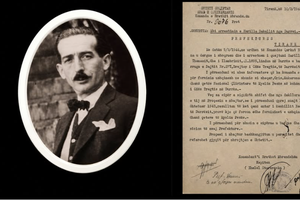
The story of Harilla Bakalli is one of the most chilling t...
Despite years of efforts at regional cooperation and free ...
Albania is the country with the highest level of severe ma...

This Friday, one US dollar is bought for 81.3 lek and sold...
The government aims to transform the country's industrial ...