


The paradox, a poor country that pays like a rich one
A poor country that pays like a rich one – to feed itself....


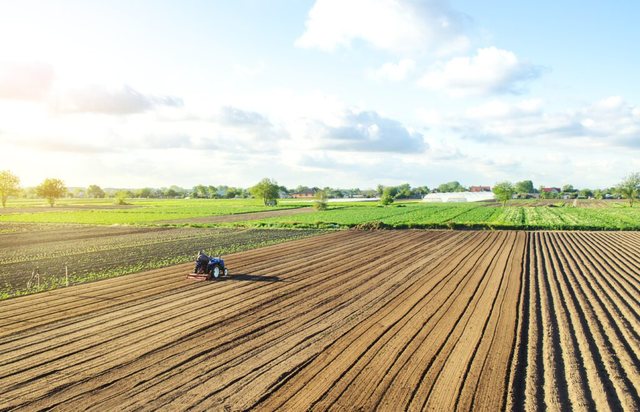
Although the agricultural sector accounts for nearly a quarter of the Albanian economy, the sector faces labor shortages, very low subsidies, high fragmentation, and low mechanization.
In 2019, the government reduced the refundable VAT for farmers from 20% to 6%, and then removed these exemptions entirely in 2022, creating difficulties for domestic producers and favoring imports.
This policy has caused many farmers to abandon the cultivation of basic products, livestock and agriculture, as the cost of production is higher than the market selling price.
The situation worsened even further when the European Union blocked funding from the IPARD program with a total amount of 112 million euros, at a time when all countries in the region are benefiting from these funds, especially Serbia.
Albania lags behind the region in both the low level of budget subsidies and the efficiency of funds.
Kosovo and North Macedonia have made great strides towards the European model of support with direct payments linked to performance, production and rural development.
While Serbia is a leader in agricultural subsidies in the region, thanks to its high budget and the priority it gives to agriculture as a strategic sector.
Last year, North Macedonia provided 170 million euros in subsidies for agriculture from its budget, Kosovo around 80 million euros, and Albania only 31 million euros. Albania has a very underdeveloped agro-industrial sector.
Agricultural exports are based on fresh field produce, while we only import tomatoes and pickled peppers or jams from other countries. Even in this respect, Albania remains the country with the most underdeveloped agro-industry in the Region.
Although agriculture is a large sector, agro-industry accounts for about 2.5% of GDP. About 1,500 enterprises operate in this sector, most of which are very small.
In North Macedonia, agroindustry accounts for 5-6% of GDP and has managed to attract investors from Italy and Turkey in the meat, dairy, tobacco, etc. processing sectors.
IPARD schemes have helped North Macedonia in recent years. Serbia is also a leader in the agro-industrial sector, where its share in GDP exceeds 10%.
Serbia is a major exporter of processed food products ranging from dairy, meat and beverages and also has highly developed logistics in industrial refrigeration. In Bosnia too, agro-industry accounts for over 7% of GDP and is mainly focused on industrial products such as meat and dairy.
Albania has high potential in developing agro-processing, especially in fruits, vegetables, wine, olive oil and medicinal plants, but has less processing capacity than any other country in the region. Supportive policies in the agro-industrial value chain are completely lacking.
Without increased investment in processing, export standards, and technological support, Albania will continue to remain an exporter of raw materials and not of value-added products, and consumers will also be exposed to high import prices of these products, said Alban Zusi, who has been operating in the agri-food sector for years./ Monitor Magazine

A poor country that pays like a rich one – to feed itself....
Today, in the foreign exchange market, one US dollar will ...
The Tax Administration has published the reference salary ...
The Council of Ministers has approved several changes to t...

Today, in the foreign exchange market, one US dollar will ...
Albanian investments abroad suffered a slowdown in the fir...
The labor market in Albania is experiencing high dynamism ...
Today, in the foreign exchange market, one US dollar will ...
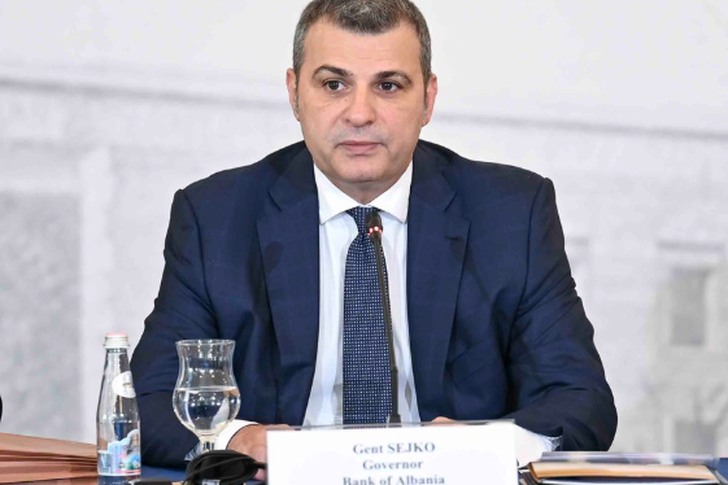
The Governor of the Bank of Albania, Gent Sejko, opened to...
Yields on 20-year bonds rose in this week's auction. Accor...
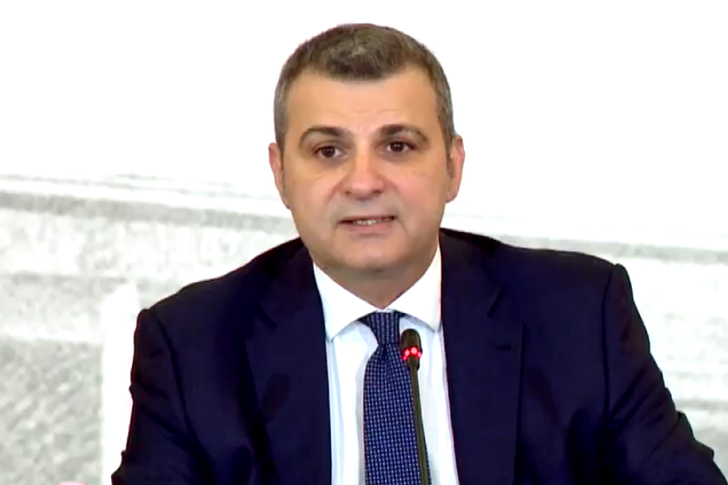
Within the framework of the 100th anniversary of its estab...

The number of Albanians who used roaming service in neighb...
Today, in the foreign exchange market, one US dollar will ...
The money that emigrants bring to their families in Albani...
Trade frictions and political uncertainty, particularly re...
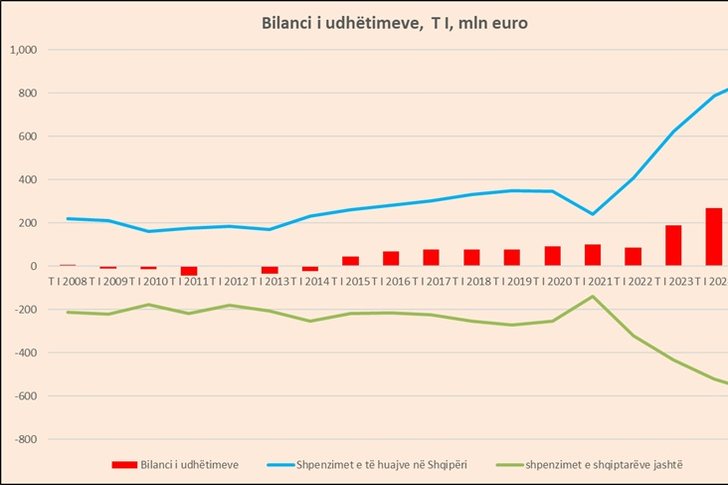
Foreigners who have traveled to Albania have recorded a re...

Today, in the foreign exchange market, one US dollar will ...
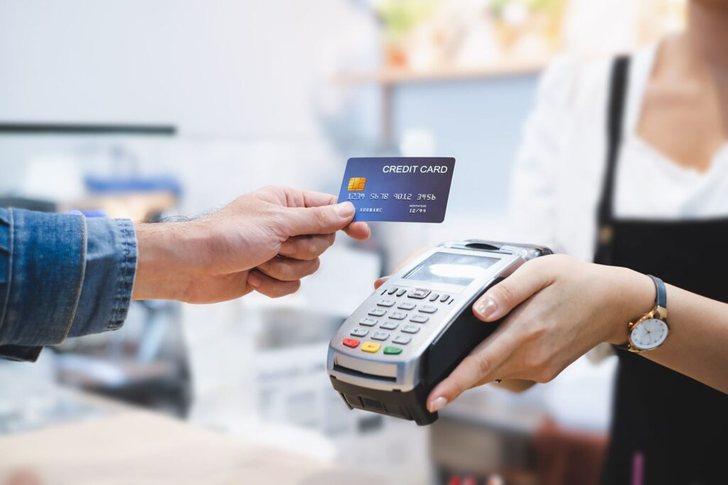
The payment card business also recorded growth in the firs...
Today, in the foreign exchange market, one US dollar will ...

Today, in the foreign exchange market, one US dollar will ...
Irfan Hysenbelliu claims to be a big businessman, an hones...

The murder of officer Enea Mekolli in the line of duty has...
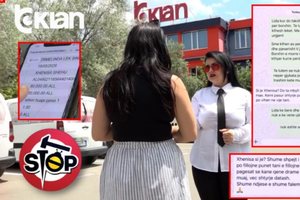
The next case broadcast on the show "Stop", this Thursday,...
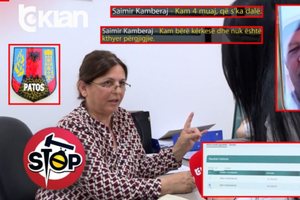
The case published this Thursday, June 4, on the show "Sto...

The Special Board of Appeal (KPA) decided this Monday ...

The KPA vetting decided this Thursday to dismiss the p...

Suela Salavaçi, a prosecutor in the Prosecutor's Offic...

The Special Board of Appeal reinstated the prosecutor ...

A 38-year-old man was arrested today near the Kamza turnof...

A money changer in Durrës lost 60 thousand euros after bei...
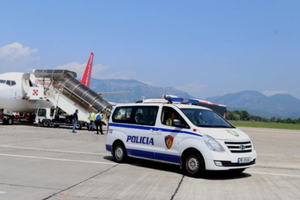
The 6 citizens captured in Dubai, members of criminal grou...
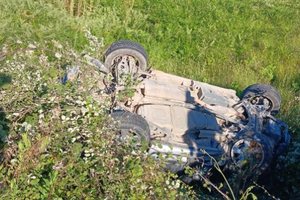
A serious accident occurred on the Kardhiq-Delvinë axis, i...
Today our country will be affected by stable weather condi...

For many children and teenagers, the long summer holidays ...
Albania is facing an unprecedented demographic transition,...
On Thursday, our country will be affected by unstable weat...
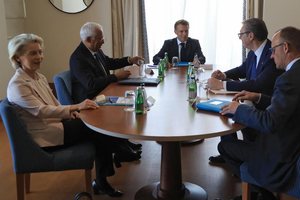
Leaders of the European Union and Western Balkan countries...
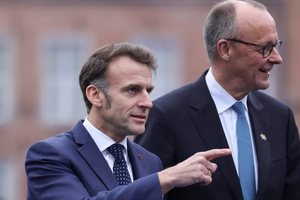
On the eve of the EU-Western Balkans summit, Germany and F...

Russian President Vladimir Putin said the war in Ukraine c...
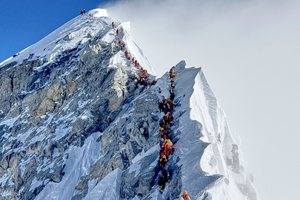
An extraordinary story of survival has been recorded in Ne...
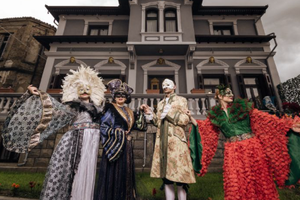
Korça is ready to open the summer season with one of the c...
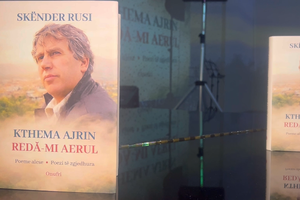
Two years after his passing, the renowned Korçë poet Skënd...
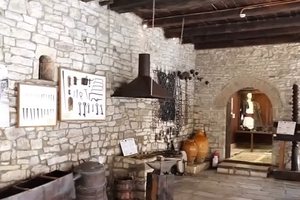
The Ethnographic Museum of Berat has opened its doors to v...
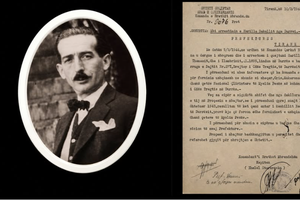
The story of Harilla Bakalli is one of the most chilling t...
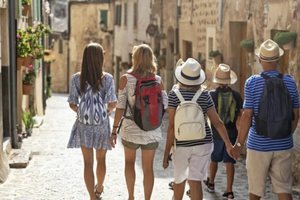
Despite years of efforts at regional cooperation and free ...
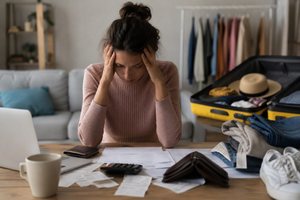
Albania is the country with the highest level of severe ma...

This Friday, one US dollar is bought for 81.3 lek and sold...
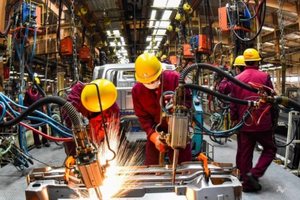
The government aims to transform the country's industrial ...