

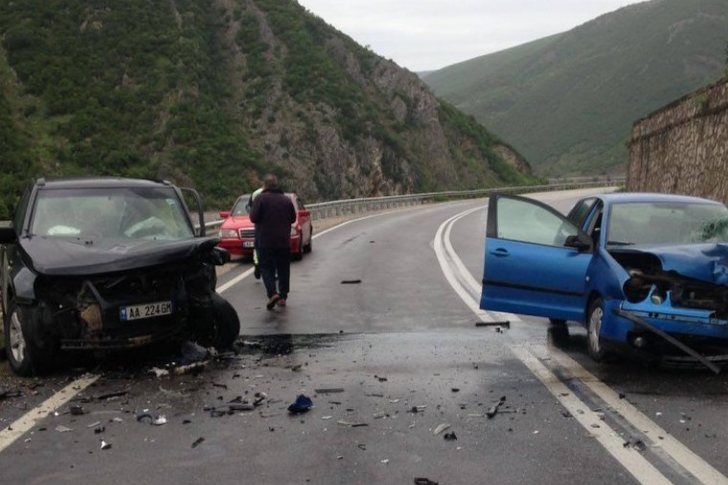
30% of fatal accidents are caused by speeding
Speeding beyond the allowed speed limits continues to be t...


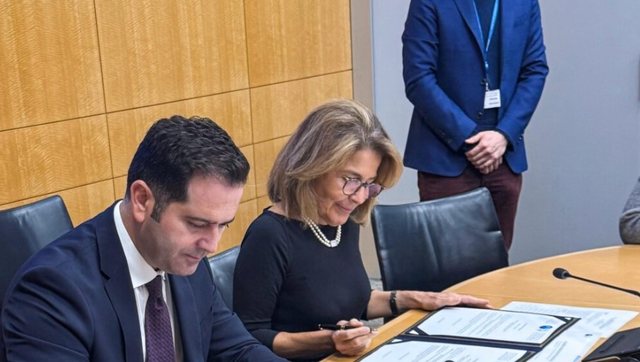
"The new international agreement gives Albania the right to tax the difference when companies try to transfer profits to jurisdictions with tax rates below 9%, increasing transparency and certainty for domestic businesses."
The Minister of Finance, Mr. Petrit Malaj, signed today in Paris with the Deputy Secretary-General of the Organization for Economic Co-operation and Development (OECD), Ms. Fabrizia Lapecorella, the "Multilateral Convention to Facilitate the Implementation of the Second Pillar Subject Tax Rule" (STTR MLI), according to the official announcement.
The signing of this Convention is part of the measures within the framework of the international BEPS project, of which Albania has been a part since 2019.
The STTR is an integral part of the consensus reached by the Comprehensive Framework of the International BEPS Project, for Pillar 2 solutions on global rules against tax base erosion, which aim to address the tax challenges arising from the digitalization of the economy.
During his speech, the Minister of Finance stated that Albania will be able to fulfill its commitments more efficiently, given that the main goal of the Convention is to help increase the transparency and integrity of the international tax system.
The Ministry of Finance will continue to be committed to promoting tax justice, increasing revenues, preventing profit shifting, and ensuring fiscal sustainability, for the benefit of a better business climate, the finance ministry's announcement concludes.
How is profit transfer regulated?
The Pillar Two Subject to Tax Rule (STTR) is an international treaty-based provision that aims to guarantee a minimum level of taxation for cross-border payments within multinational groups.
This rule applies to a certain group of payments, such as interest, service fees, royalties or other payments between branches and subsidiaries of the same group, when these are made from one country to another.
If payments to the beneficiary in the country of residence are taxed at a rate lower than 9% profit tax, then the source country - ie the country from which the payment is made, gains the right to tax this income up to the minimum level of 9%.
This means that a company operating in Albania will not be able to shift its profits to a subsidiary in another jurisdiction where the profit tax is lower than 9%, with the aim of avoiding tax liabilities. On the contrary, Albania, as the source country of payment, will have the right to apply the tax difference until it reaches the minimum level.
This mechanism is part of the global BEPS (Base Erosion and Profit Shifting) package, which aims to prevent tax base erosion practices and artificial profit shifting, ensuring greater fiscal justice and fair competition among businesses.
For businesses, this creates a more transparent playing field and greater predictability, reducing unfair advantages that arise from exploiting jurisdictions with very low taxes./ Monitor

Speeding beyond the allowed speed limits continues to be t...
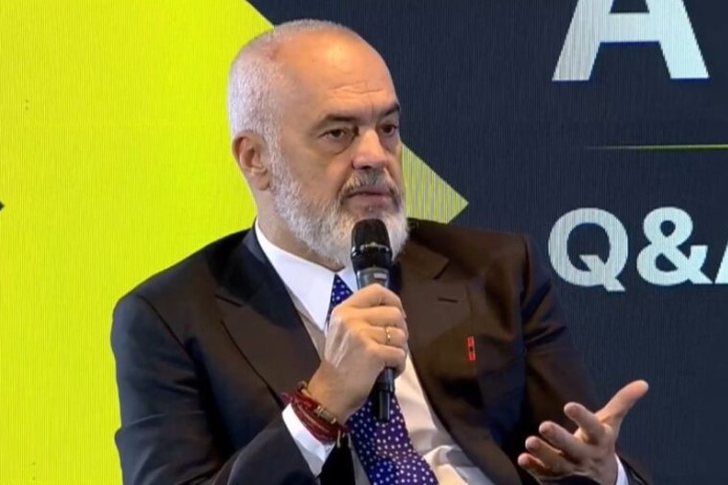
From Vienna, Prime Minister Edi Rama called on investors t...
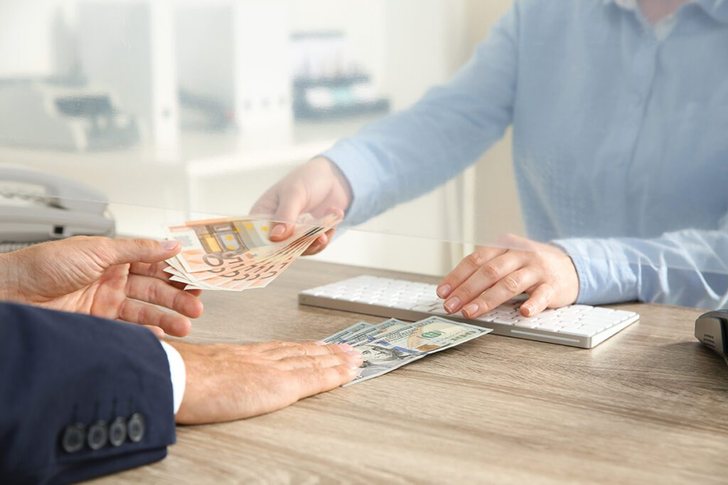
Today, in the foreign exchange market, one US dollar is bo...
The number of active foreign exchange offices is declining...

Anyone who rents apartments for daily rent on Airbnb and B...

Today, in the foreign exchange market, one US dollar is bo...
The credit rating agency "Standard & Poor's Global Ratings...
As Albanian soft drink producers face the challenges of fi...
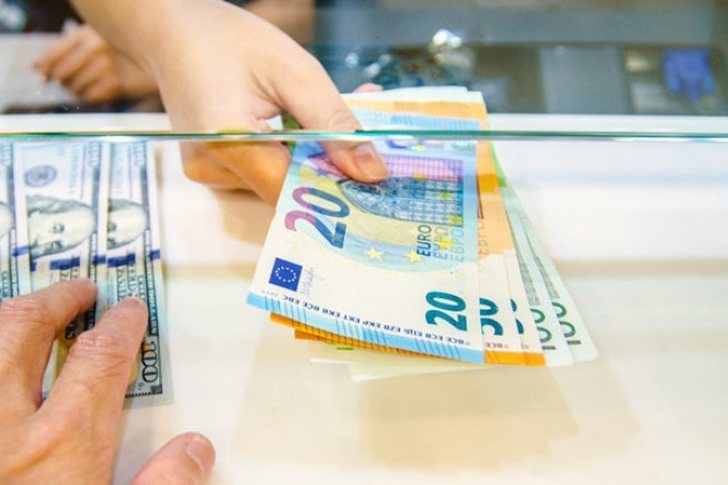
Today, in the foreign exchange market, one US dollar is bo...

Online sales channels are expanding year after year. Toda...

Today, in the foreign exchange market, one US dollar is bo...

The Euro continues to decline in its exchange rate against...

Today, in the foreign exchange market, one US dollar is bo...

Measured using Eurostat's methodology, the Harmonized Inde...

At the beginning of this week, new regulations of the Bank...

Today, in the foreign exchange market, one US dollar is bo...

Retail trade continued to grow in the second quarter of th...
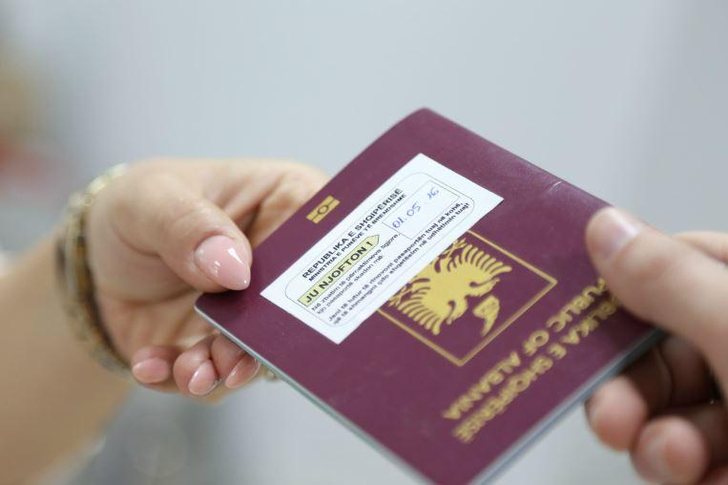
The state-owned ID card and passport production company, I...
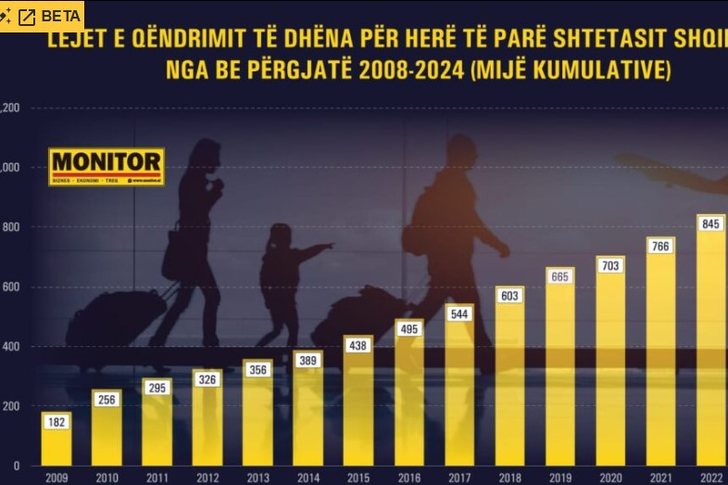
From 2008 to 2024, about 1 million Albanians received a re...

Over the past year, the economy further focused investment...

Irfan Hysenbelliu claims to be a big businessman, an hones...

The murder of officer Enea Mekolli in the line of duty has...
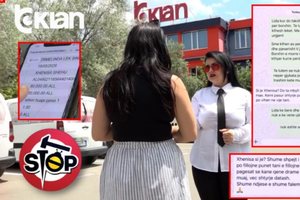
The next case broadcast on the show "Stop", this Thursday,...
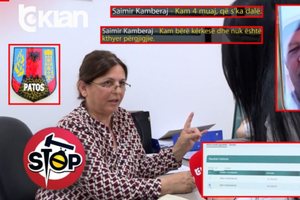
The case published this Thursday, June 4, on the show "Sto...

The Special Board of Appeal (KPA) decided this Monday ...

The KPA vetting decided this Thursday to dismiss the p...

Suela Salavaçi, a prosecutor in the Prosecutor's Offic...

The Special Board of Appeal reinstated the prosecutor ...

An accident was recorded a few minutes ago on the Pogradec...
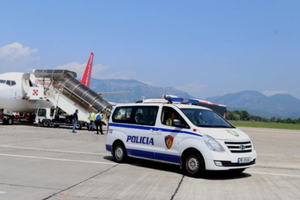
Following the cooperation of Interpol Tirana with Interpol...

An accident occurred this Saturday morning at Shkëmbi i Ka...
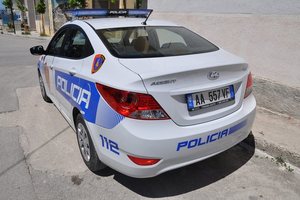
A TNT explosion occurred in Lezha in the early hours of th...
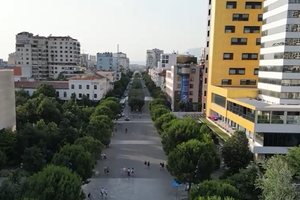
Albanians are officially the hardest working people in Eur...

This Saturday will be characterized by mostly clear weathe...
Today our country will be affected by stable weather condi...

For many children and teenagers, the long summer holidays ...
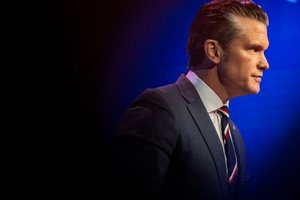
US Defense Secretary Pete Hegseth declared that Europe is ...
A federal judge in Rhode Island struck down a Trump admini...
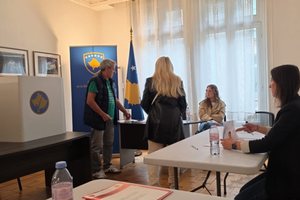
Thousands of Kosovo citizens living abroad are voting phys...
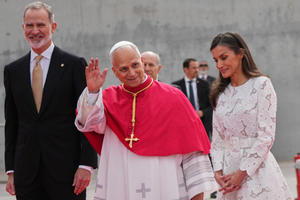
Pope Leo XIV arrived in Madrid this Saturday, where he beg...

Korça is ready to open the summer season with one of the c...
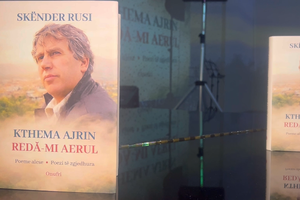
Two years after his passing, the renowned Korçë poet Skënd...
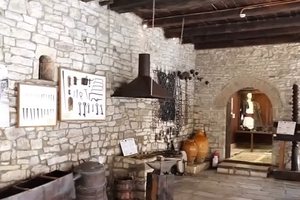
The Ethnographic Museum of Berat has opened its doors to v...
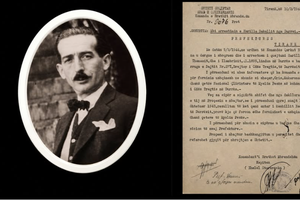
The story of Harilla Bakalli is one of the most chilling t...
The Transparency Board, in today's meeting, decided to red...

This Saturday, one US dollar is bought for 81.4 lek and so...

Despite years of efforts at regional cooperation and free ...

Albania is the country with the highest level of severe ma...