


Massive brawl in Saranda, 6 people escorted to the police
A massive brawl was recorded on Friday evening in Saranda,...

A massive brawl was recorded on Friday evening in Saranda,...

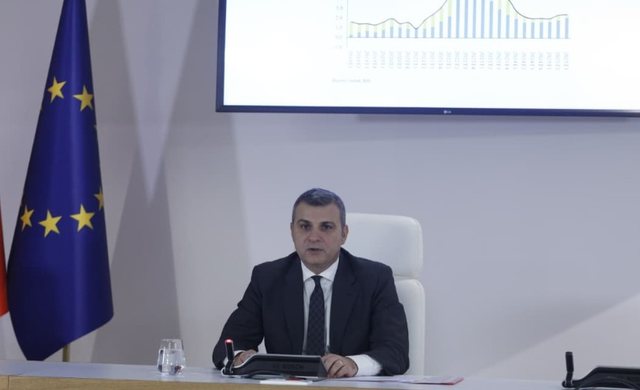
The Governor of the Bank of Albania, Gent Sejko, held a press conference on monetary policy decision-making.
Sejko stated that consumer price inflation has marked an average value of 2.4% during the third quarter, continuing the upward trend. He noted that according to Instat data, the volume of economic activity in the country has increased by 3.6% during the first half of the year.
According to the governor, overall economic, monetary and financial developments in the third quarter have been in line with the expectations of the Bank of Albania, while adding that the outlook for economic developments remains positive.
Sejko announced that the Supervisory Council of the Bank of Albania decided to keep unchanged: the base interest rate at 2.5%, the overnight deposit interest rate at 1.5% and the overnight loan interest rate at 3.5%.
Governor Sejko's full speech:
Consumer price inflation averaged 2.4% in the third quarter, continuing the slight upward trend seen in the previous quarter. The rise in inflation this quarter was driven by the relatively rapid increase in rental prices, the slight increase in services inflation, and the stabilization of oil prices. On the other hand, food price inflation declined, while inflation in other basket items remained relatively stable.
From a macroeconomic perspective, the upward trend in inflation during the third quarter reflected the increase in core and domestic inflation, against the decline in non-core and imported inflation. Thus, core inflation increased to 2.9% in the third quarter, an increase almost entirely influenced by the increase in rental prices. On the other hand, non-core inflation decreased to 1.2%, reflecting the significant reduction in food inflation.
In the longer term, the low and below-target inflation rate reflects the cushioning effect of the exchange rate appreciation on imported inflation and supply shocks, which have kept food inflation low. On the other hand, domestic inflationary pressures remain in line with our inflation target, driven by the stable performance of labor and production costs, profit margins and inflation expectations.
Sipas të dhënave të Instat-it, vëllimi i aktivitetit ekonomik në vend u rrit me 3.6% gjatë gjashtëmujorit të parë të vitit. Zgjerimi i aktivitetit ekonomik u mbështet nga rritja e konsumit familjar, e investimeve të sektorit privat dhe e eksportit të shërbimeve. Nga ana tjetër, politika fiskale ka vijuar të shfaqë një natyrë konsoliduese, ndërsa eksporti i mallrave ka shënuar rënie. Ky profil kërkese ka nxitur zgjerimin e sektorëve të shërbimeve e të ndërtimit, ndërsa sektori i bujqësisë dhe ai i industrisë kanë vijuar të tkurren. Informacioni indirekt i disponuar sugjeron për ritme dhe strukturë të ngjashme rritjeje edhe gjatë gjysmës së dytë.
Rritja e kërkesës për mallra e shërbime është pasqyruar edhe në tregun e punës. Punësimi në sektorin privat jobujqësor u rrit me 3.4% në tremujorin e dytë, paga mesatare u rrit me 9.5%, ndërsa norma e papunësisë qëndron në nivele të ulëta historike prej 8.5%. Rritja e shpejtë e pagave nuk është përcjellë e plotë në rritje të çmimeve, si pasojë e absorbimit të saj nga produktiviteti dhe marzhet e fitimit të bizneseve. Megjithatë, kërkesa e lartë për punë nga bizneset dhe mungesa e ofertës vijojnë ta mbajnë tregun e punës nën tension.
Në këndvështrimin makroekonomik, rritja ekonomike është mbështetur nga bilancet e shëndosha të sektorit privat, besimi për të ardhmen i familjeve dhe bizneseve, zgjerimi i të ardhurave nga turizmi, si dhe kushtet e favorshme të financimit.
Politika e kujdesshme monetare e Bankës së Shqipërisë ka pasur një rol esencial në kontrollin e inflacionit, duke mundësuar reduktimin e përgjithshëm të primeve të rrezikut në tregjet financiare dhe duke kontribuuar në përmirësimin e kushteve të financimit. Në veçanti, lehtësimi i qëndrimit të politikës monetare në muajin korrik ka sjellë një ulje të mëtejshme të normave të interesit të kredive të reja dhe ka reduktuar kostot e shërbimit të atyre ekzistuese. Po ashtu, prezenca e shtuar e Bankës së Shqipërisë në tregun e brendshëm valutor ka ndihmuar në reduktimin e presioneve forcuese të kursit të këmbimit, duke mundësuar një nivel më të qëndrueshëm të tij.
Për rrjedhojë, tregjet financiare vijojnë të karakterizohen nga likuiditet i bollshëm, norma të ulëta interesi, bilance të shëndosha të sektorit bankar, si dhe një përqasje pozitive ndaj kreditimit.
Kredia për sektorin privat vijoi të rritet me norma dyshifrore gjatë tremujorit të tretë. Portofoli i kredisë u rrit me 14%, duke shënuar një ngadalësim të lehtë krahasuar me gjysmën e parë të vitit, por duke ofruar një mbulim të mjaftueshëm të nevojave për fonde të bizneseve e familjeve. Rritja e portofolit të kredisë vijon të mbetet e lartë dhe e qëndrueshme në segmentin e kredisë në Lek, të kredisë për investime të bizneseve dhe të kredisë për individë, por ajo ka shfaqur shenja ngadalësimi në segmentin e kredisë në valutë dhe të kredisë për kapital qarkullues. Nga ana tjetër, cilësia e portofolit të kredisë, e vlerësuar përmes treguesit të kredive me probleme, vijon të mbetet e kënaqshme.
Overall, economic, monetary and financial developments in the third quarter have been in line with the Bank of Albania's expectations. Also, the update of the baseline scenario forecasts suggests that the outlook for economic developments remains positive.
Economic activity in the country is expected to continue to grow in the medium term, at a solid pace and close to potential. Economic growth will be driven by further expansion of consumption, investment and tourism exports, and will enable further growth in employment and wages.
Inflation is projected to return to our 3% target during the first half of 2026. This forecast reflects our expectations for balanced demand and supply for goods and services, for stabilization of inflation in international markets, for a more stable exchange rate performance, and for the absence of supply shocks in the future.
However, the risk landscape for the future remains complex. Although easing, trade and geopolitical tensions pose material downside risks. On the other hand, labor market shortages and rapid wage growth could translate into higher-than-expected inflation.
Based on the above, the Supervisory Council of the Bank of Albania decided:
-keep the base interest rate unchanged, at 2.5%;
-keep the overnight deposit interest rate unchanged, at 1.5%;
-keep the overnight loan interest rate unchanged, at 3.5%.The Supervisory Board judges that the current monetary policy stance remains appropriate for achieving our price stability objective. It allows for the gradual transmission to financial markets of the interest rate cut we undertook at the beginning of July, and provides a fair balance between promoting economic growth in the short term and preserving price stability in the medium term.
The Supervisory Board also notes that the overall balance of medium-term pressures is gradually moving towards our inflation objective, a development that will increasingly be factored into our future decision-making. However, monetary policy decisions will continue to be conditioned in any case by new information, and in particular by analyses and assessments of the performance of domestic inflationary pressures. These decisions will always be in line with our price stability objective, consistent with the fiscal policy stance and the performance of the domestic exchange rate, as well as with potential developments in international markets and our foreign trading partners. /CNA

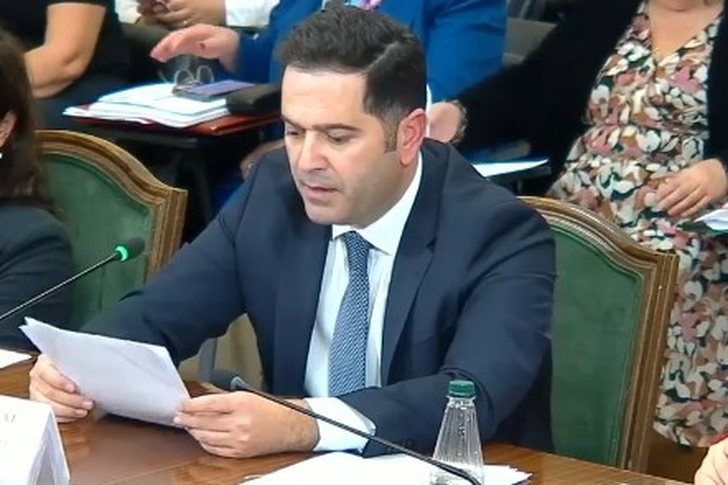
Minister of Finance, Petrit Malaj, presented the draft law...
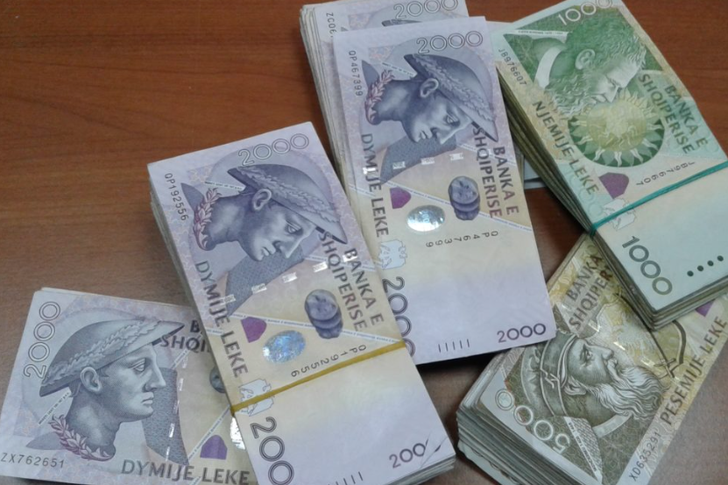
In the 2026 fiscal package, the government aims to reduce ...
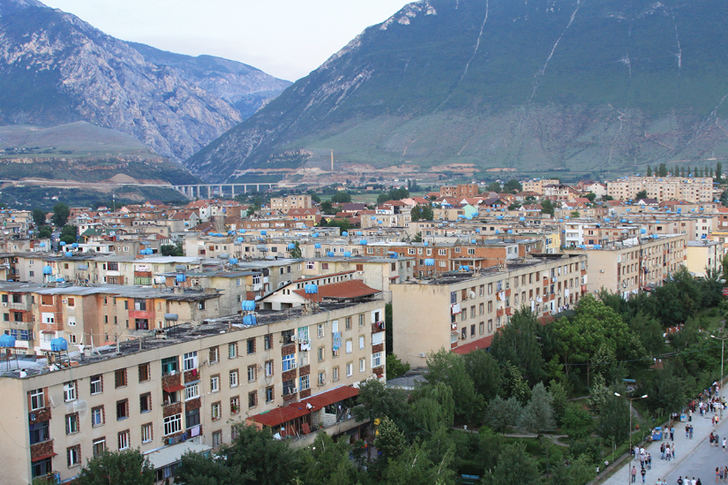
Year after year, economic activity continues to be strongl...

Today, the US dollar will be exchanged for 83.4 lek when b...

The Ministry of Defense has received priority in budget fu...

The government has submitted to the Assembly the draft law...

The draft budget for 2025 foresees a series of expenditure...
The draft budget for 2026, among other things, has made a ...

In the 2026 draft budget, the Ministry of Finance anticipa...
The government programs in the 2026 budget, 823 billion le...
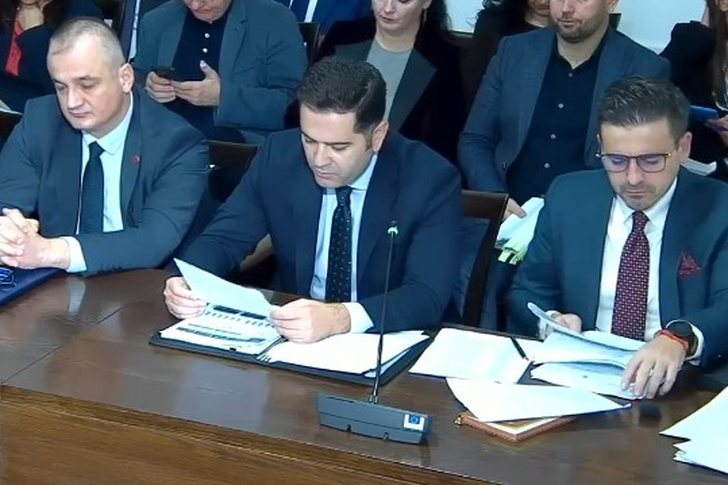
The Minister of Economy, Petrit Malaj, has presented the d...

Today, the US dollar will be exchanged for 83.3 lek when b...
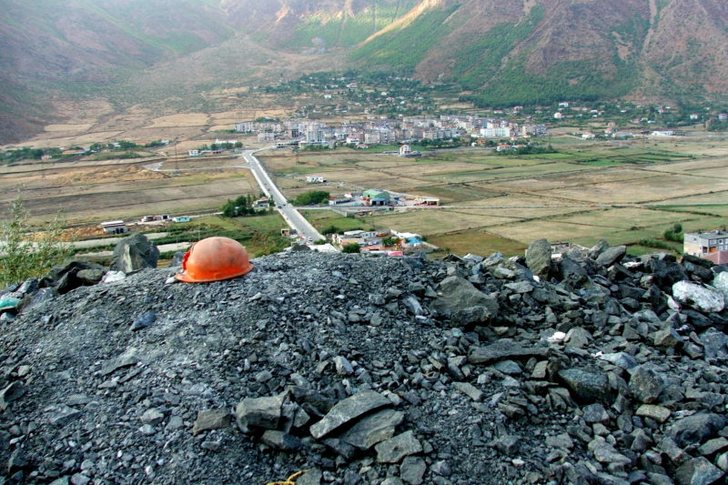
Albania has a series of mining areas rich in what are know...

Today, the US dollar will be exchanged for 83.2 lek when b...
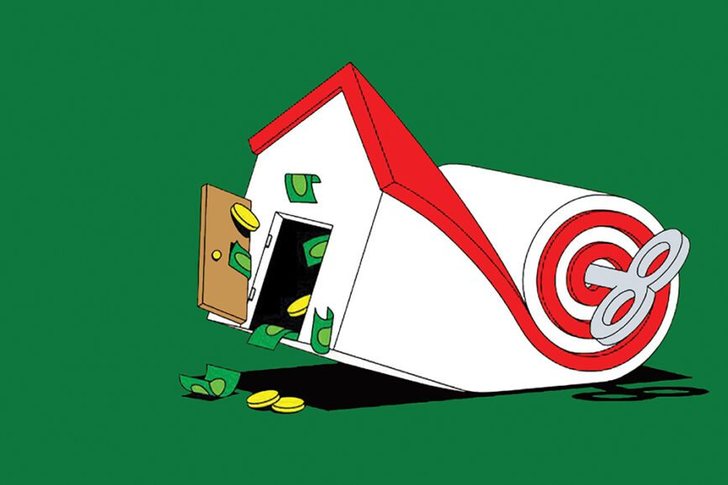
The price-to-rent ratio is used all over the world to show...
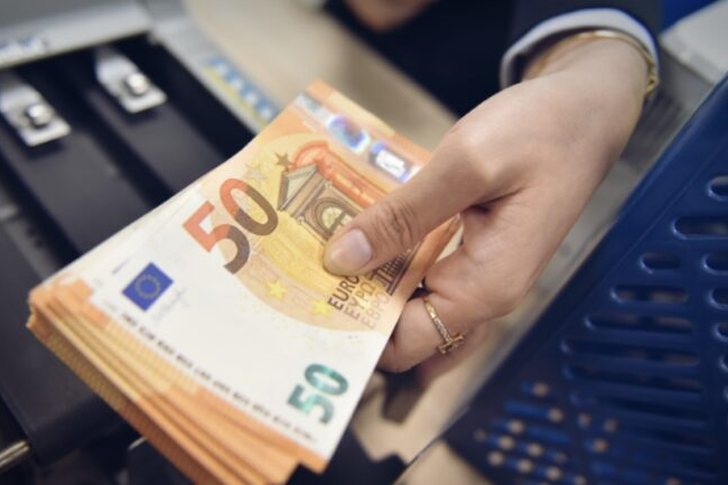
Today, the US dollar will be exchanged for 83.2 lek when b...
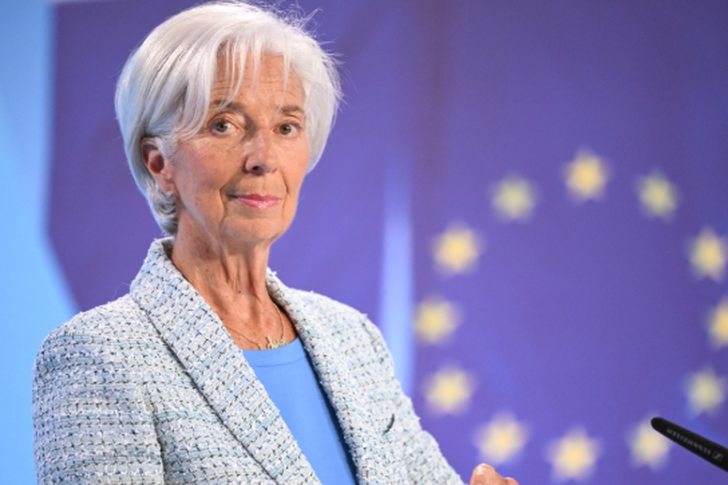
European Central Bank President Christine Lagarde says Eur...

Apartment sales prices in Tirana have tripled in the last ...
Today, the US dollar will be exchanged for 83 lek when buy...
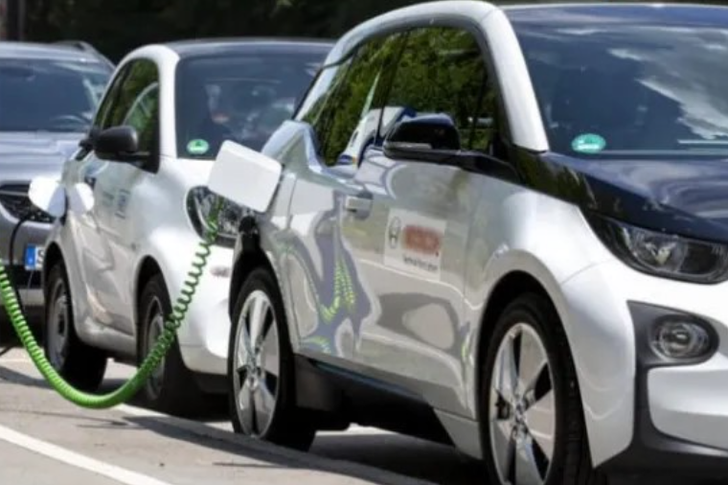
Two weeks after the approval of the Universal Service Prov...
Irfan Hysenbelliu claims to be a big businessman, an hones...

The murder of officer Enea Mekolli in the line of duty has...

The next case broadcast on the show "Stop", this Thursday,...
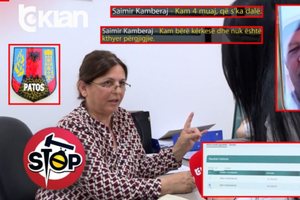
The case published this Thursday, June 4, on the show "Sto...

The Special Board of Appeal (KPA) decided this Monday ...

The KPA vetting decided this Thursday to dismiss the p...

Suela Salavaçi, a prosecutor in the Prosecutor's Offic...

The Special Board of Appeal reinstated the prosecutor ...

A massive brawl was recorded on Friday evening in Saranda,...

A 38-year-old man was arrested today near the Kamza turnof...

A money changer in Durrës lost 60 thousand euros after bei...
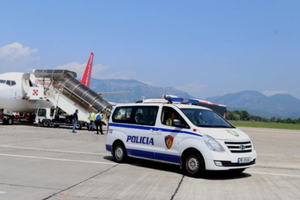
The 6 citizens captured in Dubai, members of criminal grou...

This Saturday will be characterized by mostly clear weathe...
Today our country will be affected by stable weather condi...

For many children and teenagers, the long summer holidays ...
Albania is facing an unprecedented demographic transition,...

Following the Covid-19 pandemic, the World Health Organiza...
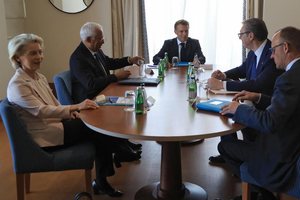
Leaders of the European Union and Western Balkan countries...
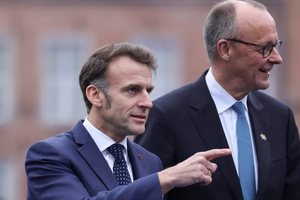
On the eve of the EU-Western Balkans summit, Germany and F...

Russian President Vladimir Putin said the war in Ukraine c...
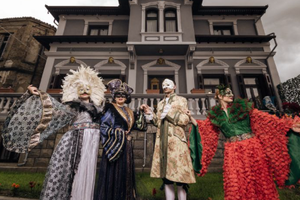
Korça is ready to open the summer season with one of the c...
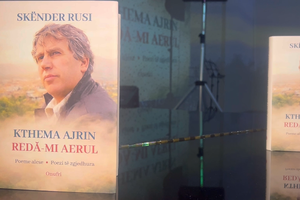
Two years after his passing, the renowned Korçë poet Skënd...
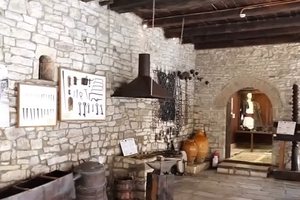
The Ethnographic Museum of Berat has opened its doors to v...
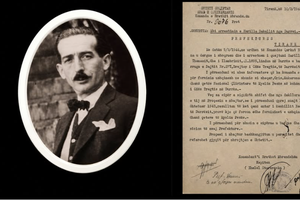
The story of Harilla Bakalli is one of the most chilling t...

This Saturday, one US dollar is bought for 81.4 lek and so...
Despite years of efforts at regional cooperation and free ...

Albania is the country with the highest level of severe ma...

This Friday, one US dollar is bought for 81.3 lek and sold...