

Albania's Economic Outlook/IMF: In 2026, GDP will grow by 3.6%, inflation will reach 3%.
A report prepared for Albania by the International Monetar...


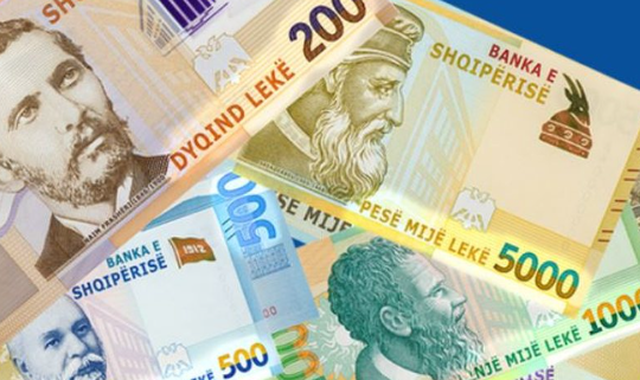
The report on Albania, drafted by the International Monetary Fund, among other things, places emphasis on the situation with fiscal space and tax policies.
The report raises concerns that the country faces public spending pressures that, if not addressed soon, could jeopardize fiscal sustainability in the medium term.
The IMF suggests phasing out some tax expenditures such as high VAT exemption thresholds, sectoral incentives, and preferential regimes for the self-employed, as they are considered costly and regressive.
“Based on current policies, IMF staff projects a small primary surplus in 2025 and 2026 and a zero primary balance thereafter. Planned increases in average pensions through monthly bonuses (e.g., from €270 to €400 for urban pensions) starting in 2026 will be partly financed by expectations of additional Medium-Term Income Strategy (MTISS) revenues, savings in current expenditures, and under-execution of capital expenditures. Public debt is projected to decline from 54 percent of GDP at the end of 2025 to around 50 percent of GDP by 2030. While debt dynamics have improved markedly in recent years, still relatively large gross financing needs, averaging 13 percent of GDP over 2025–30, underscore the importance of continuing debt management reforms.
Like many other European countries, Albania faces public spending pressures that, if not addressed now, could jeopardize fiscal sustainability in the medium term. Demographic trends are expected to increase spending on pensions and health, especially after 2030, while the NATO commitment to allocate 5 percent of GDP to defense and security spending by 2035 will put additional pressure on public finances. Greater investment in education, training, and climate adaptation will also be needed to strengthen sustainability and productivity. To address these challenges and preserve fiscal space, staff recommends a package of growth-enhancing measures focused on sustainable revenue mobilization, tax policy reforms, and improving the quality of public spending.
Consequently, revenue reforms should focus on rationalizing tax expenditures, modernizing property taxes, and strengthening tax administration. Costly and regressive tax expenditures, such as high VAT exemption thresholds, sectoral incentives, and preferential regimes for the self-employed, should be phased out as their effectiveness is uncertain. Introducing a value-based property tax and accelerating its implementation would support local finances. Stronger enforcement supported by risk-based audits and digitalization remains essential for the full realization of the revenues from the Medium-Term Revenue Strategy. Together, these measures have the potential to raise revenues by up to 2 percent of GDP by 2030,” the report says. /CNA

A report prepared for Albania by the International Monetar...
The Economy Committee has announced vacancies for 3 member...

This Thursday, one US dollar will be bought for 83.2 lek a...
The new fiscal package, which will bring changes to the VA...
Minister of Finance, Petrit Malaj, presented the draft bud...

European stocks showed mixed signals this Wednesday, somew...

Albania allocates much less funds from the public budget f...

The deduction of 48 thousand lek from the taxable income b...

This Wednesday, one US dollar will be bought for 82.8 lek ...
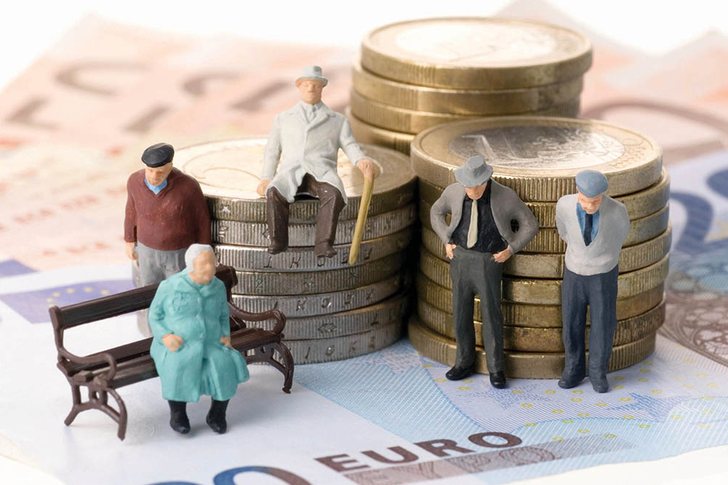
The voluntary private pension market continued to expand i...
Deputy Minister of Infrastructure and Energy, Besjan Kadiu...
Socialist Party MP, Ceno Klosi, at the meeting of the Natu...
The Albanian Development Fund announced this Monday the wi...
During 2024, public finance management was characterized b...
This Tuesday, one US dollar will be bought for 82.8 lek an...

Among the findings of the EU progress report on Albania, t...
According to the "Keydata" index data, made available to M...

The increase in budget revenues this year is overwhelmingl...
This Monday, one US dollar will be bought for 82.5 lek and...
This Sunday, one US dollar will be bought for 82.6 lek and...
Irfan Hysenbelliu claims to be a big businessman, an hones...

The murder of officer Enea Mekolli in the line of duty has...
The next case broadcast on the show "Stop", this Thursday,...
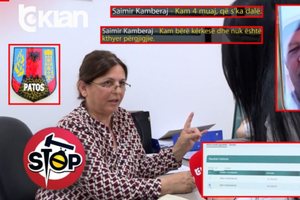
The case published this Thursday, June 4, on the show "Sto...

The Special Board of Appeal (KPA) decided this Monday ...

The KPA vetting decided this Thursday to dismiss the p...

Suela Salavaçi, a prosecutor in the Prosecutor's Offic...

The Special Board of Appeal reinstated the prosecutor ...

A 38-year-old man was arrested today near the Kamza turnof...

A money changer in Durrës lost 60 thousand euros after bei...
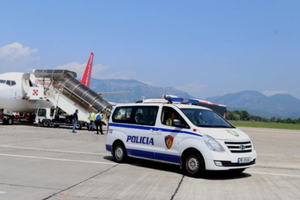
The 6 citizens captured in Dubai, members of criminal grou...
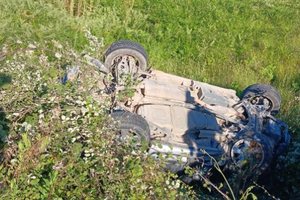
A serious accident occurred on the Kardhiq-Delvinë axis, i...

Today our country will be affected by stable weather condi...

For many children and teenagers, the long summer holidays ...
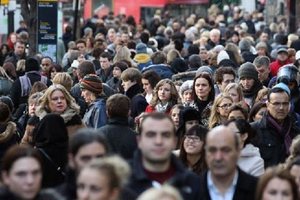
Albania is facing an unprecedented demographic transition,...

On Thursday, our country will be affected by unstable weat...
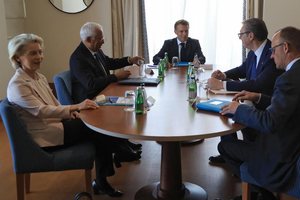
Leaders of the European Union and Western Balkan countries...
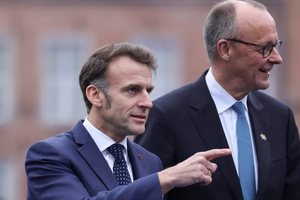
On the eve of the EU-Western Balkans summit, Germany and F...

Russian President Vladimir Putin said the war in Ukraine c...
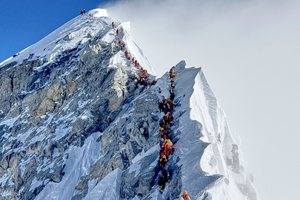
An extraordinary story of survival has been recorded in Ne...

Korça is ready to open the summer season with one of the c...
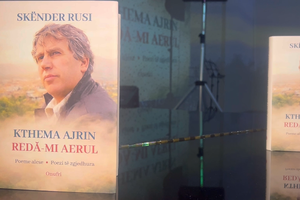
Two years after his passing, the renowned Korçë poet Skënd...
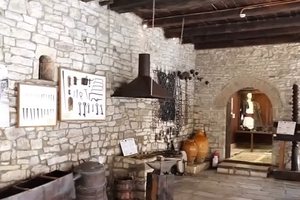
The Ethnographic Museum of Berat has opened its doors to v...
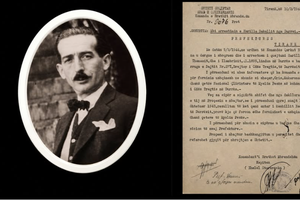
The story of Harilla Bakalli is one of the most chilling t...

Despite years of efforts at regional cooperation and free ...

Albania is the country with the highest level of severe ma...

This Friday, one US dollar is bought for 81.3 lek and sold...
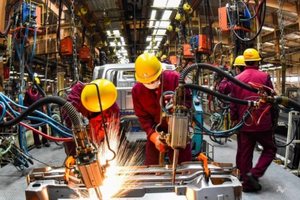
The government aims to transform the country's industrial ...