


Businessman Artur Shehu breaks his silence: I am a long-time land owner in Zvërnec, I don't know the investors at all
Albanian businessman Artur Shehu spoke on the Opinion show...

Albanian businessman Artur Shehu spoke on the Opinion show...

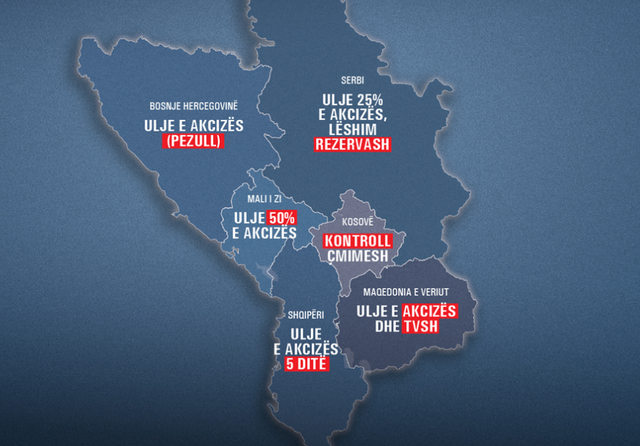
The Balkans found themselves once again on the front lines of a storm they did not create. All it took was the ignition of another war in the Middle East for the waves to quickly reach the energy markets, pushing up the price of oil and, with it, the fear of a new wave of inflation. As in any imported crisis, the blow did not knock on the door, but entered through the gas pumps, transport bills and food shelves.
Faced with this spiral, Western Balkan governments were forced to act like fiscal firefighters, cutting taxes, reducing excise duties, or temporarily suspending fuel taxes, in an attempt to curb the spread of the flame in the economy.
Immediately after the increase in oil prices in foreign markets, many Western Balkan governments have shown vigilance and rapid reaction to reduce taxes or temporarily lift them, in order to mitigate the effects of a new crisis that arose after the start of the war in the Middle East.
But even with the advent of this spiral of price changes, Albania "stands out" in the Western Balkans for its delayed reaction, with a limited measure that has not been used, and therefore has no impact on reducing the price of fuel, food, and business costs.
According to an analysis by "Monitor" based on the writings of six economic journalists from the Western Balkan countries, a project supported by GIZ, #SustainMedia, results that countries such as North Macedonia, Serbia and Montenegro, compared to Albania, took the fastest and most effective fiscal measures.
North Macedonia and Montenegro began implementing VAT and excise tax reductions about 22 days after the start of the war, keeping retail oil prices up to 40 eurocents or about 40 lek cheaper than Albania, once again fueling the wave of "emigration" of oil supplies.
In relation to these countries, Albania took only a limited fiscal measure, such as reducing the excise tax on fuel by 20% if the price of diesel exceeded the value of 220 lek per liter at retail, and for gasoline, the measure applies if the price exceeds 200 lek per liter.
This measure was implemented for only 5 days (from April 3 to April 8), when the price of diesel reached 224 lek per liter. After this period, the Transparency Board continued to keep the price below the ceiling of 220 lek.
Even economic experts emphasize that this truncated intervention is not having an effect on oil prices and transportation costs, while imported inflation remains the main risk.
Experts warn that the increase in fuel costs and transportation tariffs will soon continue to be transmitted to the prices of food products.
Under these conditions, they recommend that the government should focus on interventions to reduce fuel taxes and reduce VAT on food. While in the long term, they recommend that the government's attention should turn to consolidating domestic production, especially vegetables, dairy, the food processing industry and medicinal plants.
The Montenegrin government was the first to react by cutting taxes. On March 20 (the attack on Iran began on February 28), it began implementing a legal provision to reduce excise taxes by 50% on oil and 25% on gasoline.
In Montenegro, economists point out that the reduction in excise duties has partially cushioned the blow from fuel prices, but has not prevented inflation from spreading to other sectors.
In addition to the increase in transportation costs, local food producers, including dairies, bakeries and the meat industry, report that packaging suppliers have already increased prices by up to 50%. This is expected to inevitably increase retail prices, which could also affect tourism.
North Macedonia was also among the first countries to react with tax cuts. On March 22, the implementation of the decision to reduce VAT on fuel by 8% began. From 18%, the VAT rate was set at 10%.
On April 5, the Government took a second decision, that the VAT reduction will remain in force until the end of the crisis. In North Macedonia, the reduction of VAT and excise duties is considered an important step, but not sufficient to stabilize prices.
In addition to fiscal measures, experts recommend targeted support for the middle and low-income classes.
In Serbia, the measures taken also include reducing excise duties by 25%, limiting the export of fuels, and releasing part of the reserves on the market in order to control prices. In Serbia, experts estimate that the government's rapid interventions have helped stabilize fuel prices in the short term, but inflationary risks remain present.
According to them, the reduction of excise duties and administrative price controls could create fiscal pressure and a risk to sustainable economic growth. They recommend that the government's attention should be on increasing domestic production, exports with advanced technologies, and the growth of the domestic market for energy production.
Unlike these countries, Bosnia and Herzegovina has only approved fiscal measures to reduce excise duties or VAT in one of the chambers of Parliament. The law was approved in the House of Representatives and is still awaiting approval in the House of Peoples.
In Bosnia and Herzegovina, experts warn that institutional delays and the lack of rapid fiscal mechanisms make the response to the crisis slower than in other countries in the region.
As a result, it is expected that the increase in fuel prices will be reflected in the prices of goods and services, especially food. As a result, consumer spending on the food basket will continue to increase.
Në Kosovë, pas nisjes së luftës, Ministria e Industrisë, Ndërmarrësisë dhe Tregtisë (MINT), e drejtuar nga Mimoza Kusari-Lila më 3 Mars njoftoi zbatimin e udhëzimit administrativ që rregullonte çmimet e naftës në raste krizash.
Udhëzimi përcaktonte marzhe maksimale fitimi prej 12 euro cent për litër për shitjen me pakicë dhe 2 euro cent për litër për shitjen me shumicë. Më 11 prill, MINT gjithashtu ka vendosur çmimin tavan 1,84 euro për litër të naftës dhe 1,44 euro për benzinë, 12 euro cent për litër mbi çmimin e importit, bazuar në marzhin e fitimit e përcaktuar.
Në Kosovë, ekonomistët vlerësojnë se vendosja e marzheve të fitimit dhe çmimeve tavan ka ndihmuar në frenimin e spekulimeve, por nuk ka adresuar shkaqet strukturore të inflacionit, i cili është më i larti në rajon në rajon.
Sipas tyre, varësia e lartë nga importet dhe mungesa e prodhimit vendas e bën ekonominë shumë të ekspozuar, ndërsa pritet që inflacioni të mbetet i lartë.
Për rrjedhojë, kërkesa e konsumatorit do të orientohet drejt produkteve jetike, ndërsa bizneset do të vuajnë mungesën e likuiditetit dhe të investimeve. Në këtë situatë masa më e duhur e rekomanduar prej tyre do të ishte ulja e akcizës dhe TVSH-së te karburantet.
Fondi Monetar Ndërkombëtar (FMN) ka rishikuar parashikimet e tij për zhvillimet ekonomike dhe inflacionin në vendet e Ballkanit Perëndimor për vitin 2026, duke reflektuar ndryshime të dukshme krahasuar me vlerësimet e mëparshme të tetorit.
Në përgjithësi, rajoni paraqet një ulje të pritjeve për rritjen ekonomike, ndërsa inflacioni pritet të jetë më i lartë se parashikimet fillestare në disa vende, duke treguar presione të vazhdueshme të çmimeve dhe pasiguri ekonomike.
FMN parashikon për Shqipërinë rritje ekonomike prej rreth 3.4%, nga 3.6% sa ishte vlerësimi i mëparshëm. Ndërkohë inflacioni pritet të arrijë në 3.7%, nga 3.0% më parë, duke reflektuar presione të moderuara të çmimeve.
Për Bosnjë dhe Hercegovinën, rritja ekonomike është rishikuar në 2.2%, nga 2.7%, ndërsa inflacioni pritet të rritet në 3.6%, nga 2.0% më parë, duke treguar përkeqësim të ndjeshëm të pritjeve të çmimeve.
Ekonomia e Kosovës parashikohet të rritet me 3.6%, nga 4.0% më parë. Inflacioni është rishikuar ndjeshëm lart në 5.8%, nga 2.4%, duke e bërë vendin ndër më të ekspozuarit ndaj rritjes së çmimeve në rajon.
Për Malin e Zi, FMN vlerëson rritje ekonomike prej 2.8%, nga 3.2% më parë. Inflacioni pritet të arrijë në 3.4%, nga 2.0%.
Për Maqedoninë e Veriut, rritja ekonomike parashikohet në 3.1%, nga 3.2%, ndërsa inflacioni pritet të rritet ndjeshëm në 5.4%, nga 2.4% më parë.
Serbia paraqet rishikimin më të fortë në rajon, me rritje ekonomike të parashikuar në 2.8%, nga 3.6% më parë. Inflacioni pritet të arrijë në 7.0%, nga 3.4%, duke e vendosur vendin me nivelin më të lartë të inflacionit në rajon.
Qeveria e Serbisë ka vepruar shpejt për të zbutur ndikimin e goditjes globale energjetike të shkaktuar nga lufta në Iran, duke marrë vlerësime të rralla edhe nga kritikët e saj.
Masat përfshijnë uljen e akcizave me 25%, kufizimin e eksportit të derivateve, hedhjen në treg të një pjese të rezervave dhe kontrollin administrativ të çmimeve.
Përveç kësaj, qeveria serbe siguroi edhe një zgjatje tremujore të kontratës së gazit me Rusinë. Megjithatë, natyra afatshkurtër e kësaj marrëveshjeje pasqyron tensionet më të gjera gjeopolitike që formësojnë sektorin energjetik të Serbisë.
Presidenti Aleksandar Vuçiç është përballur me presion në rritje pas sanksioneve të SHBA-së ndaj kompanisë së naftës NIS, në pronësi shumicë ruse, pjesë e një përpjekjeje më të gjerë për të kufizuar ndikimin rus dhe për të riformësuar balancat energjetike në rajon. Edhe pse Rusia ra dakord në fillim të vitit 2026 të shesë aksionet e saj te kompania hungareze MOL, marrëveshja ende nuk është përfunduar.
Ndryshe nga Bosnjë dhe Hercegovina, vendet në rajon tashmë kanë prezantuar masa fiskale, kryesisht në formën e uljes së akcizave ose uljes së TVSH-së.
Masat për të lehtësuar rritjen e çmimeve përmes një kombinimi të kontrollit të çmimeve dhe lehtësimeve tatimore në Bosnjë dhe Hercegovinë janë ende në pritje.
Për të përshpejtuar procedurat dhe për të mundësuar kompetencat e nevojshme, në mesin e marsit u propozua dhe u miratua, sipas procedurës urgjente, një Projektligj për Ndryshimin e Ligjit për Akcizat nga Dhoma e Përfaqësuesve e Asamblesë Parlamentare të Bosnjë dhe Hercegovinës.
Ndryshimet e propozuara do të mundësonin që Këshilli i Ministrave i Bosnjë dhe Hercegovinës të autorizohej, në rast të çrregullimeve të tregut ose arsyeve të tjera të justifikuara, të vendosë për një ulje ose heqje të përkohshme të akcizave për një periudhë deri në gjashtë muaj brenda një viti. Por ligji është miratuar në Dhomën e Përfaqësuesve dhe ende pret miratimin në Dhomën e Popujve.
Në mesin e marsit, Qeveria e Federatës së Bosnjë dhe Hercegovinës pranoi një nismë për pezullimin e përkohshëm të detyrimeve doganore mbi importet e naftës dhe produkteve të naftës nga vendet e treta, për një periudhë prej gjashtë muajsh.
Nisma propozon heqjen e një detyrimi doganor prej 10% për produktet e naftës me origjinë nga vendet e treta, pra vendet jashtë Bashkimit Europian, vendeve anëtare të CEFTA-s dhe vendeve me të cilat Bosnjë dhe Hercegovina ka marrëveshje për marrëdhënie të veçanta, duke përjashtuar ato që janë nën sanksione të BE-së.
Në Federatën e Bosnjës dhe Hercegovinës, vendimi që kufizon marzhet e fitimit është ende në fuqi, i vendosur në 0.13 euro për litër në pakicë, duke përfaqësuar një mekanizëm të rëndësishëm për mbrojtjen e konsumatorit. Çmimet e karburantit nuk mund të rriten pa miratimin dhe mbikëqyrjen e Qeverisë së Federatës së B&H.
Përveç ngritjes së Bordit të Transparencës, qeveria ka ndërhyrë vetëm përmes miratimit të Aktit Normativ që vendosi ulje të akcizës me 20% në rastet kur çmimi i naftës kalon 220 lekë për litër dhe benzina 200 lekë për litër.
Në vend, ulja e akcizës u zbatua vetëm për 5 ditë (nga data 3 prill deri më 8 prill), kur çmimi i naftës arriti 224 lekë për litër. Pas kësaj periudhe, Bordi i Transparencës ka vijuar të mbajë çmimin nën tavanin e 220 lekëve.
E pyetur nga “Monitor” në një konferencë për shtyp në fund të muajit mars, se çfarë masash pritet të merren për të ndalur rritjen e çmimeve të produkteve të shportës ushqimore, ministrja e Ekonomisë dhe Inovacionit, Delina Ibrahimaj, tha se fokusi i institucioneve do të mbetet rritja e mbikëqyrjes së tregut.
Ajo tha se pritet të vihen nën monitorim të paktën 80 produkte bazë ushqimore, në përpjekje për të parandaluar abuzimet me çmimet.
Në kulmin e rritjes së çmimeve të karburanteve, qeveria miratoi vendimin për heqjen e skemës së naftës pa akcizë për fermerët, me argumentin se skema ishte në kundërshtim me modelet e BE-së. Nga ana tjetër, u shtuan pagesat për lopë me 2 mijë lekë dhe u ul tavani i numrit të lopëve në ferma nga 10 në 5.
Sipas ekspertëve, fermerët nuk përfitojnë më shumë subvencione nga ndryshimet në Skemën Kombëtare, por përkundrazi humbasin nga heqja e naftës pa akcizë.
Vala e re e rritjes së çmimeve nxiti reagime të shumta tek opinioni publik, nëse Qeveria duhet të ndërmarrë masa dhe cilat duhet të jenë ato? Tre javë pas fillimit zyrtar të veprimeve ushtarake në Lindjen e Mesme, më 22 mars, Qeveria mori vendimin e parë për ndërhyrje në çmimet e karburanteve. Konkretisht, TVSH u ul nga 18% në 10% dhe u shpall gjendje krize energjetike për të krijuar mundësi ligjore për lirimin e mazutit nga rezervat shtetërore.
Më 5 prill 2026, Qeveria mori një vendim të dytë, që ulja e TVSH-së mbetet në fuqi deri në përfundimin e krizës, ndërsa u ulën edhe akcizat: për naftën me 0.06 euro cent dhe për benzinën me 0.03 euro cent për litër.
Përveç uljes së TVSH-së dhe akcizave, qeveria aktualisht po përmbahet nga hapa të tjerë shtesë. Është formuar një grup pune ndërministror për të monitoruar lëvizjet e çmimeve dhe janë paralajmëruar kontrolle më të shpeshta në tregtinë me pakicë për të ndjekur çmimet në supermarketet.
Menjëherë pas shtrenjtimit të çmimeve të karburanteve në tregjet ndërkombëtare për shkak të fillimit të luftës në Lindjen e Mesme, Ministria e Industrisë, Ndërmarrësisë dhe Tregtisë (MINT), e drejtuar nga Mimoza Kusari-Lila, zbatoi udhëzimin administrativ të miratuar nga qeveria që rregullon çmimet e naftës në raste krizash.
Udhëzimi përcaktonte marzhe maksimale fitimi prej 12 euro cent për litër për shitjen me pakicë dhe 2 euro cent për litër për shitjen me shumicë.
Më 11 prill, MINT ka vendosur çmimin tavan 1,84 euro për litër të naftës dhe 1,44 euro për benzinë, 12 euro cent për litër mbi çmimin e importit, bazuar në marzhin e fitimit e përcaktuar.
In addition to setting the profit margin on fuels, the Kosovo Assembly has also approved in principle a draft law to set ceiling prices for the main products of the food basket, such as: cereals, bread, flour, rice, edible oils, eggs, including personal hygiene products.
Such an initiative has previously been rejected by the Constitutional Court on the grounds of violating the free market economy.
And in the absence of fiscal changes, Brikenë Hoxha has recommended that the Government, with the additional revenues collected, help vulnerable families, as well as critical sectors such as agriculture and transport. “This means direct support for the most vulnerable families and for sectors where fuel is a critical input, such as agriculture and transport,” she said.
The government is assessing the situation in particular for two sectors: transport and agriculture, as they are considered the most affected by the increase in fuel prices. The assistance will be direct for these categories.
On March 20, the Government used a legal provision to cut excise duties by 50% on diesel and 25% on gasoline, also shortening the price adjustment period from 15 to 7 days. If these excise duties had not been halved, diesel would have been 0.25 euros more expensive, while gasoline would have cost an additional 0.16 euros more.
On the other hand, during this period of crisis, the state in Montenegro had over 44,000 tons of mandatory oil reserves, which provide about 60 days of stable supply for the population, financed by a tariff of three cents per liter of fuel. Montenegro's strategic plan aims to increase reserves to 68,000 tons by 2028 to meet the EU's requirement for 90 days of import reserves.
Also in mid-November last year, the Government launched the “Limited Prices” campaign, setting limits on margins for 49 products, but the initiative ended at the end of March. When asked about the next steps, the Minister of Economic Development, Nik Gjeloshaj, remained vague. “Let the market breathe a little,” he told the media./Monitor


The European Central Bank (ECB) has long struggled to intr...
This Saturday, one US dollar is bought for 81 lek and sold...
Occupational safety violations are becoming a direct cost ...
This Friday, one US dollar is bought for 80.9 lek and sold...
The exchange rate between the euro and the Albanian lek is...
According to data from Eurostat, in 2025, 2.06 million peo...
This Thursday in the foreign exchange market, the euro wil...
Public institutions in Albania spent around 377.6 million ...

Economic information on enterprises shows a noticeable shi...
Business organizations across Albania have called on gover...
The Transparency Board, at today's meeting, approved the i...
This Wednesday, one US dollar is bought for 80.7 lek and s...
Rising prices and oversupply from the war crisis in Iran h...

Total revenues collected by the budget for the period Janu...
This Monday, one US dollar is bought for 80.5 lek and sold...
The latest report published by the International Monetary ...
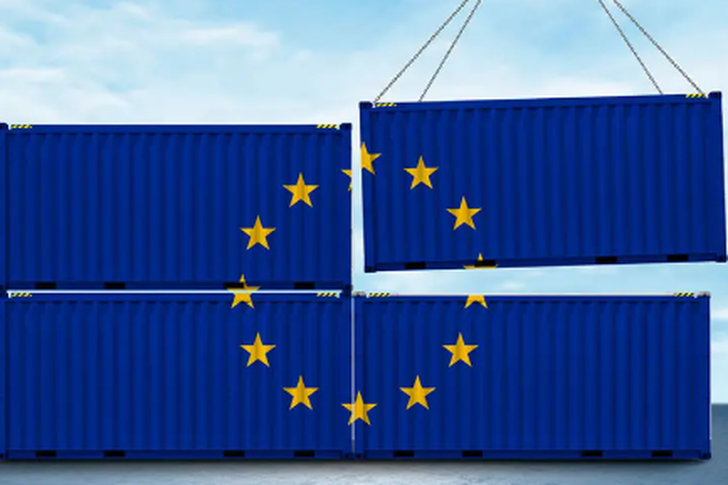
The Institute of Statistics has shared the data collected ...
This Monday, one US dollar is bought for 80.8 lek and sold...

Property rental is a growing market in our country, as man...
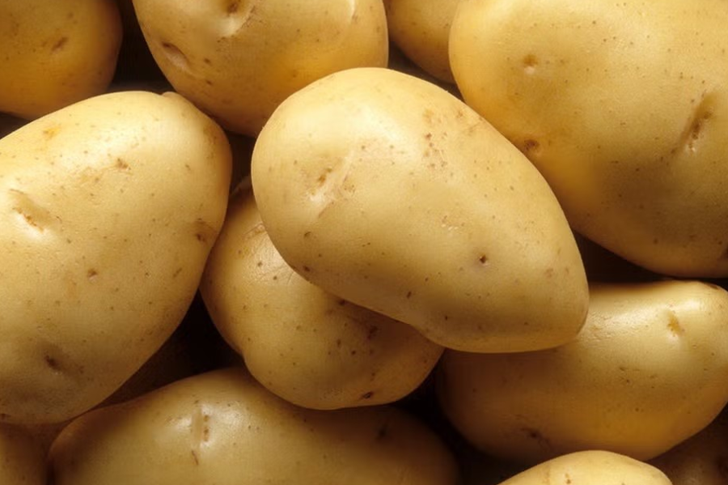
Albanians are consuming high-quality potatoes at low price...

The next case broadcast on the show "Stop", this Thursday,...
The case published this Thursday, June 4, on the show "Sto...

The protests of recent days related to the situation in Zv...
The case addressed this Wednesday, June 3, on the show "St...

The Special Board of Appeal (KPA) decided this Monday ...

The KPA vetting decided this Thursday to dismiss the p...

Suela Salavaçi, a prosecutor in the Prosecutor's Offic...

The Special Board of Appeal reinstated the prosecutor ...
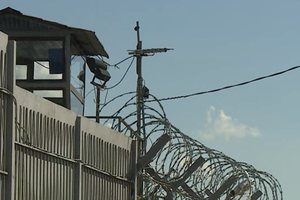
A convict was found dead today in the premises of the Pris...
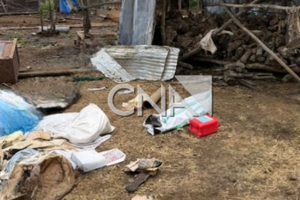
Several images provided by CNA show the area where this mo...

A quantity of explosive material exploded this morning at ...
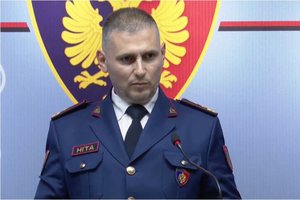
The Head of the State Police, Skënder Hita, expressed his ...

For many children and teenagers, the long summer holidays ...
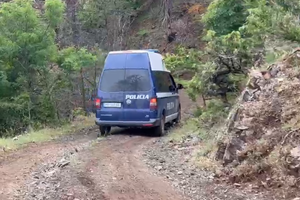
Witnesses in Lozhan, Maliqi, have shared details from the ...
Albania is facing an unprecedented demographic transition,...
On Thursday, our country will be affected by unstable weat...

Russian President Vladimir Putin said the war in Ukraine c...
An extraordinary story of survival has been recorded in Ne...
The Peace Implementation Council in Bosnia and Herzegovina...
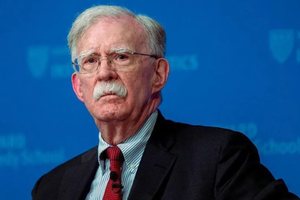
John Bolton, the former national security adviser to US Pr...

Korça is ready to open the summer season with one of the c...
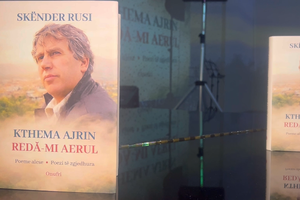
Two years after his passing, the renowned Korçë poet Skënd...
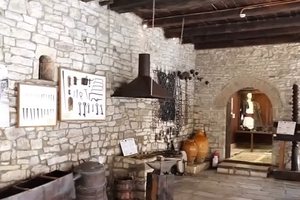
The Ethnographic Museum of Berat has opened its doors to v...
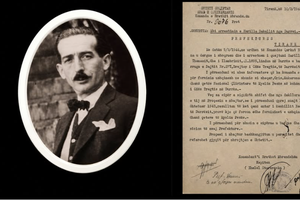
The story of Harilla Bakalli is one of the most chilling t...
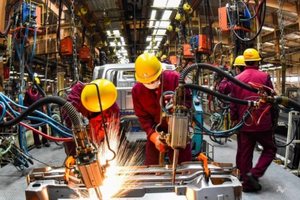
The government aims to transform the country's industrial ...
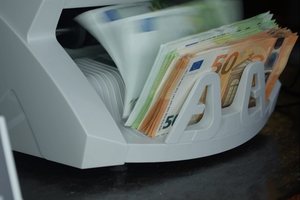
Kursi i këmbimit të euros me lekun ka rënë më tej këtë jav...
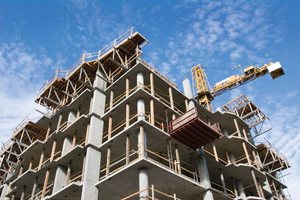
Profit margins in the construction sector have increased s...
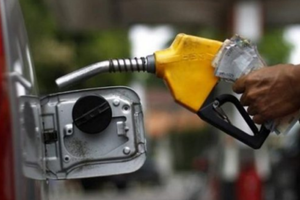
The Transparency Board, at its meeting today, decided to i...