


Killed a police officer and injured another/ Who is the author of the incident in Maliq?
A serious incident occurred this Thursday in Lozhan, Maliq...

A serious incident occurred this Thursday in Lozhan, Maliq...


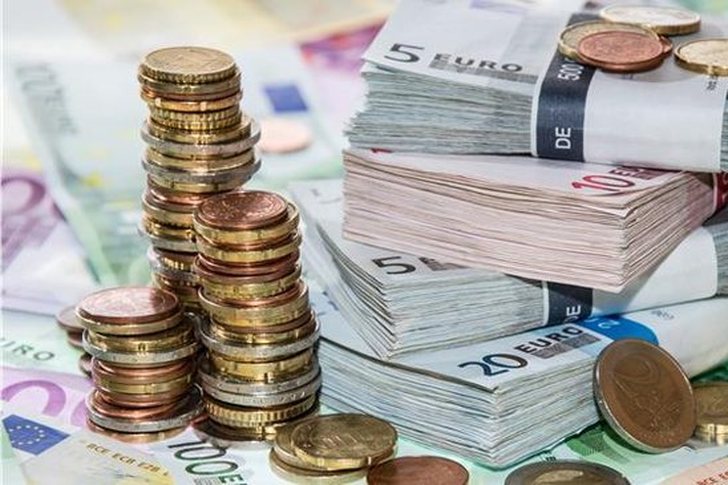
The European Central Bank (ECB) has long struggled to introduce a European digital currency. But the pressure is mounting. Could a digital euro strengthen Europe's sovereignty?
To be clear from the start: banknotes should not be abolished. Nor is it a question of the fact that payment transactions in Germany or the Eurozone are organized differently than before. It is already a fact that cashless payments are becoming increasingly widespread and for this it is necessary to create new opportunities.
So far, Americans have led the way in the field of digital payments. Whether it's PayPal, Google Pay or Apple Pay - behind these names stand large American companies. Both Visa and Mastercard are actually American financial services providers.
According to Edgar Walk of Metzler Asset Management, this could become a problem. "If the political climate changes in the US, then we could be blackmailed," he says in an interview with German public broadcaster ARD. "We don't want that. We have to become more independent."
Many central banks interested
Several central banks around the world are already experimenting with digital money. It can already be used to pay in the Bahamas or Nigeria.
In the Eurozone, there is still no digital product of the current euro banknotes. The digital euro would be money also issued by the European Central Bank, available to everyone in the Eurozone, linked 1:1 to the physical euro - but only in digital form.
Digital wallet
It can be imagined as users receiving money in a kind of digital wallet. This is the so-called "Wallet" or electronic wallet. With this money, you can pay for goods or services in just a few seconds, 24 hours a day, for example via your smartphone - and even when you don't have access to the internet.
Chris-Oliver Schickentanz from asset management firm Capitell AG takes it for granted that there is no such digital money in the eurozone yet. "In the private sector, there are already many opportunities to make a down payment in euros digitally. Frankly, I don't need a central bank to provide me with a separate, sometimes complicated, electronic wallet for this."
Wero as a European private-economic initiative
These private-economic opportunities that Schickentanz talks about are based on initiatives such as Wero. It is a European payment system, initiated and developed by the "European Payments Initiative", an alliance of several European banks and financial service providers.
With Wero, money transfers can be made directly from your mobile phone. It doesn't even require an international bank account number (IBAN). There is no intermediary bank here.
ECB and EU Parliament promote digital euro
The European Central Bank (ECB) is now increasingly working towards introducing a digital currency, as pressure is mounting. "I think the main argument is that the ECB believes that something needs to be done against private digital means of payment," says Jörg Krämer, chief economist at Commerzbank.
"Exactly after the experience with Donald Trump in the White House or with Russian gas, they want to become autonomous and, above all, more sovereign," adds Sören Hettler of DZ Bank. "That's understandable, and that's what a digital euro could achieve to some extent."
The European Union is also rapidly preparing the ground for a digital euro. Representatives of the European Parliament and the Council of the EU are preparing the necessary legal framework. In 2029, the Eurozone digital currency could come into force, provided that all Eurozone countries have the necessary technical capabilities by then - and that the outstanding questions about data protection, availability and privacy are resolved.
"We have to do something"
According to Damian Boeselager, a member of the European Parliament, this is a step in the right direction. "We need to do something to strengthen European sovereignty in payments," he says. "Whether it's a digital currency or something else, that's something we can debate. But I believe that acknowledging the problem is a meaningful step."
Tobias Berg from Goethe University Frankfurt makes similar arguments. He is a professor of banking at the Chamber of Finance. For him, the digital euro is a central instrument for strengthening European sovereignty. Payment transactions can be organized more efficiently and autonomy in the financial sector can be increased.
Berg supports uniform standards "similar to what we know about plugs or USB-C, which many people can then use." Consumers will have many options in the future. They can pay with credit or EC cards, use Wero or central bank digital money, when it comes into use.
"It's not about eliminating private competition, but about giving private competition the freedom to do business with the digital euro," says Berg. This is in fact creating European alternatives in global payment transactions./ DW

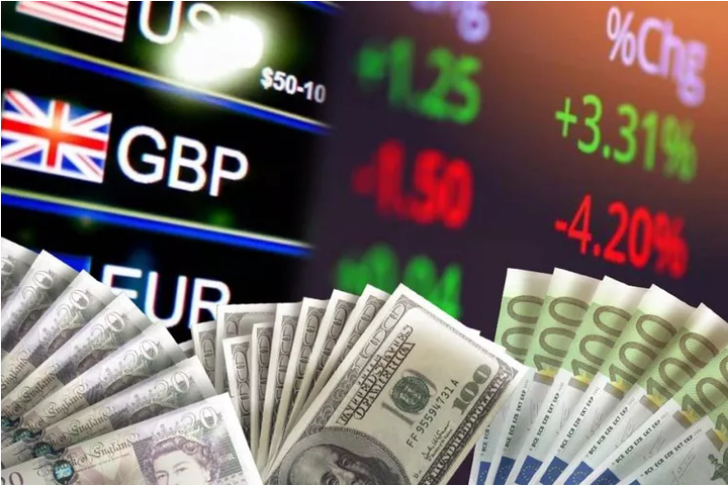
This Saturday, one US dollar is bought for 81 lek and sold...
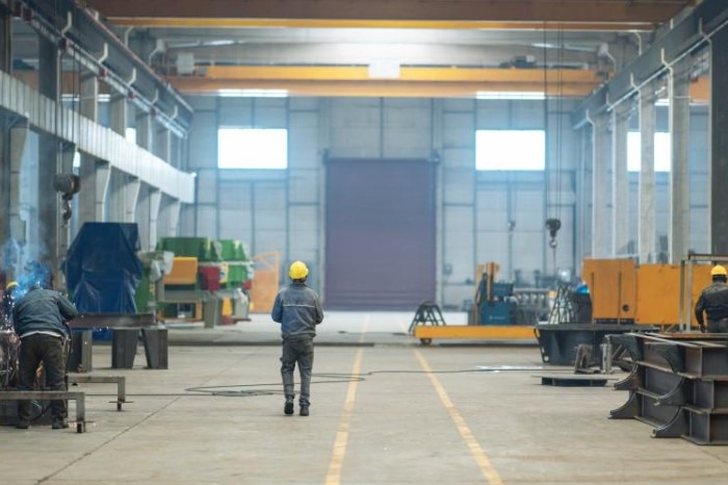
Occupational safety violations are becoming a direct cost ...
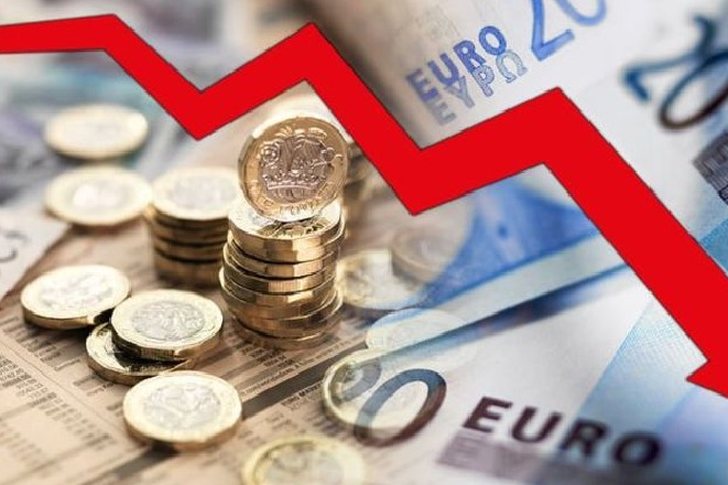
This Friday, one US dollar is bought for 80.9 lek and sold...
The exchange rate between the euro and the Albanian lek is...
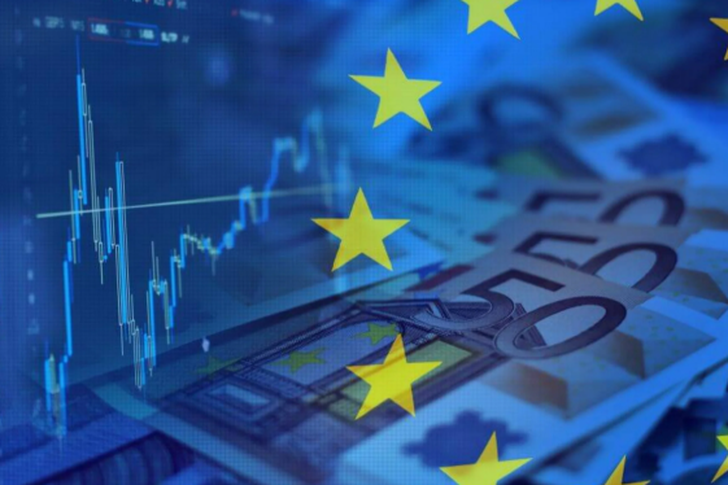
According to data from Eurostat, in 2025, 2.06 million peo...
This Thursday in the foreign exchange market, the euro wil...
Public institutions in Albania spent around 377.6 million ...
Economic information on enterprises shows a noticeable shi...
Business organizations across Albania have called on gover...
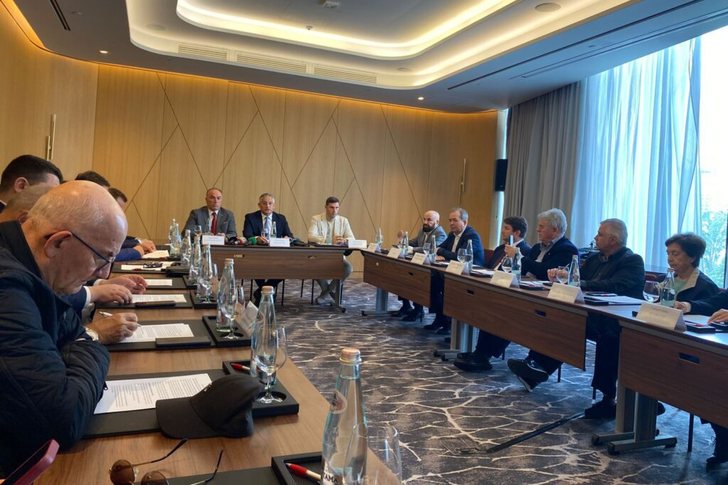
The Transparency Board, at today's meeting, approved the i...
This Wednesday, one US dollar is bought for 80.7 lek and s...
Rising prices and oversupply from the war crisis in Iran h...
Total revenues collected by the budget for the period Janu...
This Monday, one US dollar is bought for 80.5 lek and sold...
The latest report published by the International Monetary ...
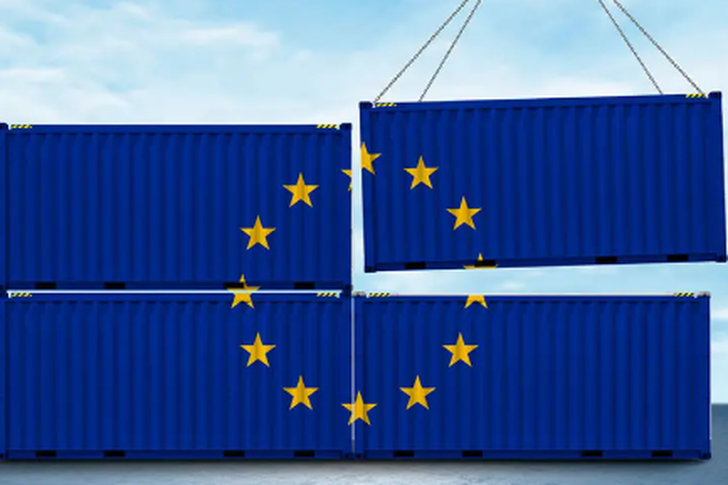
The Institute of Statistics has shared the data collected ...
This Monday, one US dollar is bought for 80.8 lek and sold...
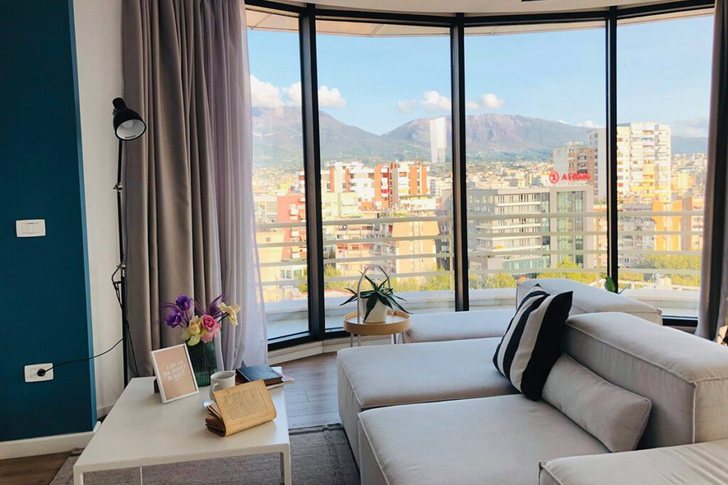
Property rental is a growing market in our country, as man...

Albanians are consuming high-quality potatoes at low price...

Insurance market profits returned to growth last year and ...
The protests of recent days related to the situation in Zv...
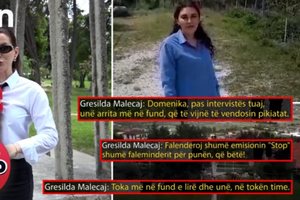
The case addressed this Wednesday, June 3, on the show "St...
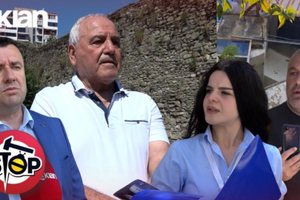
The show "Stop" broadcast this Wednesday, June 3, the case...

Irfan Hysenbelliu claims to be a big businessman, an hones...

The Special Board of Appeal (KPA) decided this Monday ...

The KPA vetting decided this Thursday to dismiss the p...

Suela Salavaçi, a prosecutor in the Prosecutor's Offic...

The Special Board of Appeal reinstated the prosecutor ...

A serious incident occurred this Thursday in Lozhan, Maliq...

Korça Police has shared detailed information regarding the...

New details have emerged regarding this morning's serious ...

A serious incident occurred this Thursday in Maliq, more s...

Albania is facing an unprecedented demographic transition,...

On Thursday, our country will be affected by unstable weat...

An alarming figure of more than 166.4 thousand Albanians a...

The weather today will be mostly clear and temperatures wi...
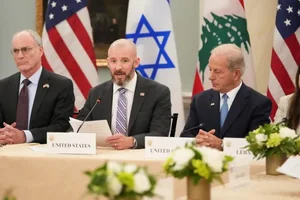
Israel and Lebanon have agreed to renew their fragile ceas...
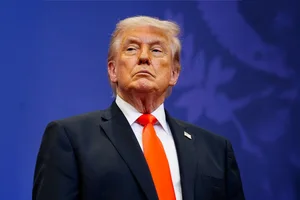
United States President Donald Trump announced in a post o...
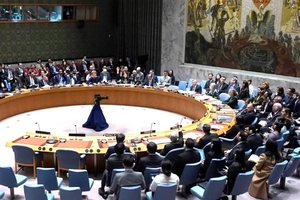
Asambleja e Përgjithshme e Kombet e Bashkuara ka përfundua...
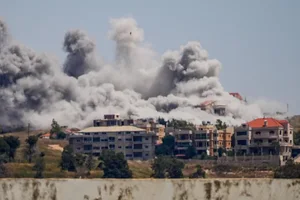
At least nine people have been killed in Israeli airstrike...

Korça is ready to open the summer season with one of the c...
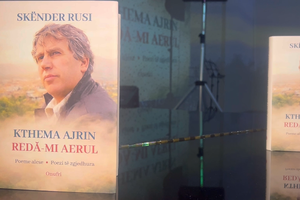
Two years after his passing, the renowned Korçë poet Skënd...

The Ethnographic Museum of Berat has opened its doors to v...
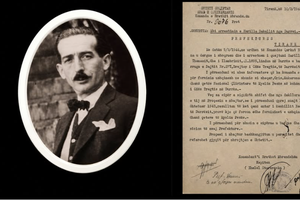
The story of Harilla Bakalli is one of the most chilling t...
Today, in the foreign exchange market, one US dollar is bo...
The Minister of Finance, Petrit Malaj, announced today a n...
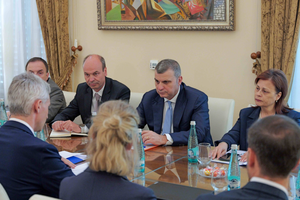
Guvernatori i Bankës së Shqipërisë, Gent Sejko, priti m...
Today, in the foreign exchange market, one US dollar is bo...