


Changes from the Reform/ The majority's 4 scenarios for territorial reorganization are revealed
The report drafted by the majority on the Administrative-T...

The report drafted by the majority on the Administrative-T...

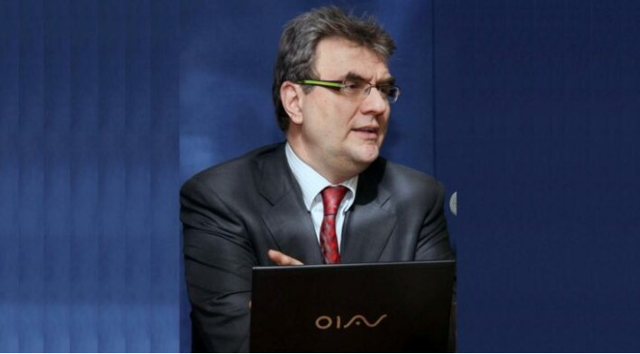
The longer the investment in the European journey is delayed, the more difficult it will be for both countries to have a constructive agenda. Alesandro Politi starts from this assumption to analyze the last statement of the number one of the European diplomacy Josep Borrell on the ongoing impasse in the relations between Kosovo and Serbia, after the EU compromise was accepted only by Serbia. The director of the NATO Defense College Foundation explains in an interview for Formiche.net that the tension in Northern Kosovo remains high and this is sabotaging the entire European project in the region.
Who benefits from the clash between Kosovo and Serbia?
I can't say for sure. But what amazes me most is the impasse on issues that in reality could have a natural course. I can understand that they each have different sensibilities and interests. But do the ruling elites in both countries still think they have plenty of time to play their bluff until the last minute? It seems to me that both in Pristina and in Belgrade, they do not understand that the Ukrainian War has created a series of perceptions in Brussels and in various European capitals.
Are you talking about the European Union accession process?
Despite all the defects that Borrell and the entire institutional machinery of Brussels may have, today the EU has taken a clear direction, while both sides risk losing the compass. If it does not move forward on one of the two tracks, the train does not move. I understand very well that for a variety of reasons, one does not care about the bad perception that is being given to the world. Sooner or later the new elections will be held, alongside the concrete problems of how the stability of the Kosovar economy and society should be supported. For example visa liberalization means buying time, but in the meantime people are immigrating to work. All this is also in the interest of Europe.
A worsening of the situation that is aggravated by the parallel situation in Bosnia?
The decision to form the Association of Municipalities with a Serb Majority in the context of a "national danger" should be compared with the much more problematic developments in relation to the 12 Bosnian municipalities. One might say: "Do you see what is happening?".
Sooner or later the European Union must understand that Bosnia is not a country where it should be merely restrained, as there is no shortage of Russian interference. The problem lies in the dynamics of the two capitals and the two governments, and above all in their fragility. This impasse is unfortunate, because the de facto recognition of Kosovo's independence from Serbia could be a concrete step, and above all a gesture of political culture.
What are the reasons for this stalemate?
If a minority is not included in the national project, this means that the only possible state is the one-national one. In theory this is possible, but in practice it always brings a big loss for those behind this project, as they lose another opening to the world.
It is the same dynamics that occur for example in Belgium, where a minority decides to stop speaking the other national language, which is spoken globally. This gesture is equivalent to isolation from the world. The same applies to Slavic languages. No one says one should forget one's culture, but it should fit into the bigger picture.
Borrell said: "We cannot sit back and wait for the next crisis," lamenting the lack of commitment from both countries to normalize their relations...
What Borrell says amounts to an invitation for the parties not to play poker. It is clear that Europe is not powerless, despite having its divisions and not infrequently moments of perversion. Shouldn't we use a tough approach to understand that we have to find a solution? This scenario seems like a defeat to me. Certainly not for those who use it, but for those who suffer from it. But I guess that's the game.
Does this situation put Kosovo and Serbia in a different position compared to others on the Eastern European side, which are characterized by more mature politics like Poland, Romania and Albania? Is there a risk that Kosovo and Serbia will lose not only today's train, but also their places in tomorrow's alliance and balances?
The ruling elite in Poland do not say that they are paying too high a price for this war. But it will be difficult for him too. Ultimately, Warsaw is relying heavily on the old temptation to have a military leadership, but that is not enough. Romania does what it can, as does Greece, which is nevertheless moving with the aim of rivaling Turkey.
On other fronts too, Greece has much more balance than in the past, and is freeing itself from its old political "demons" and internal conflicts. Athens is more active than other countries. But it is equally clear that the longer countries delay investing in Europe, the harder it will be for them to dictate their own agenda.
For what reason?
Because it is one thing to meet the criteria and finally be accepted in the union, and another thing to stay at an equal distance, but not be able to stay in the European "Serie A"./ "Formiche" - Adapted from CNA

There is nothing more futile than tears, and nothing else ...
You are running but without getting anywhere. See yourself...
1985 - A strong earthquake hits the capital of Mexico ...
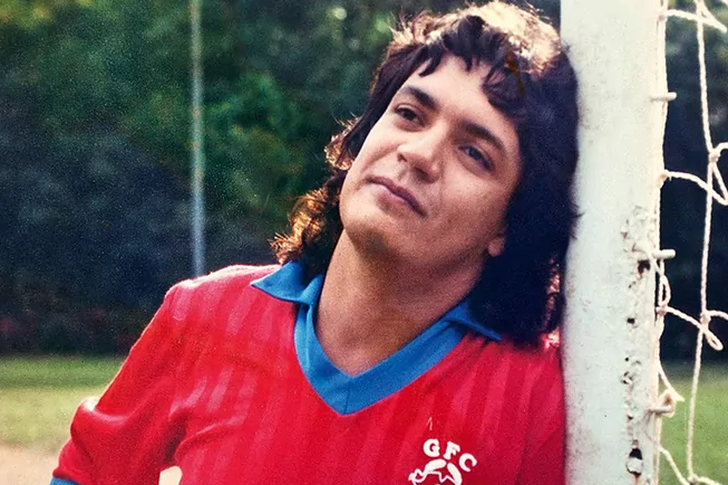
Carlos Henrike Raposo, known in the football world as "The...
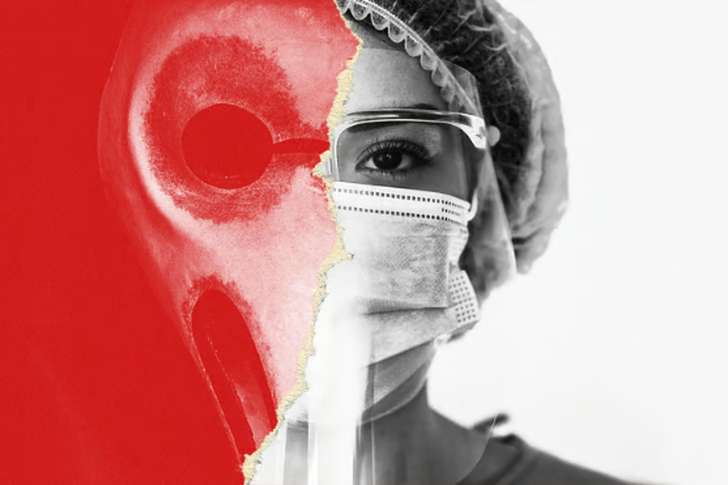
One of the best selling books of all time has been about w...
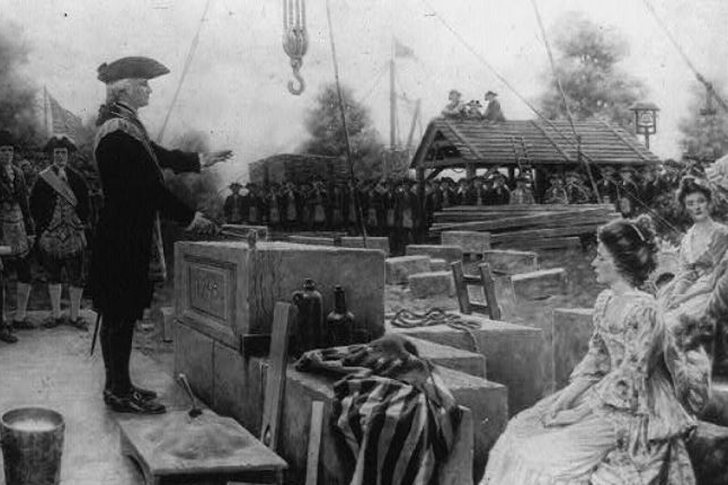
1793 - George Washington lays the cornerstone of the Capit...
Even in retreat, the Soros empire incites great hyster...

Bota ka qenë në tranzicion që nga fundi i Luftës së Ft...
In April this year, Spanish athlete Beatriz Flamini finall...
Recently, the "big sister syndrome" has become the subject...
Joe Biden is no longer fit to be president of the United S...
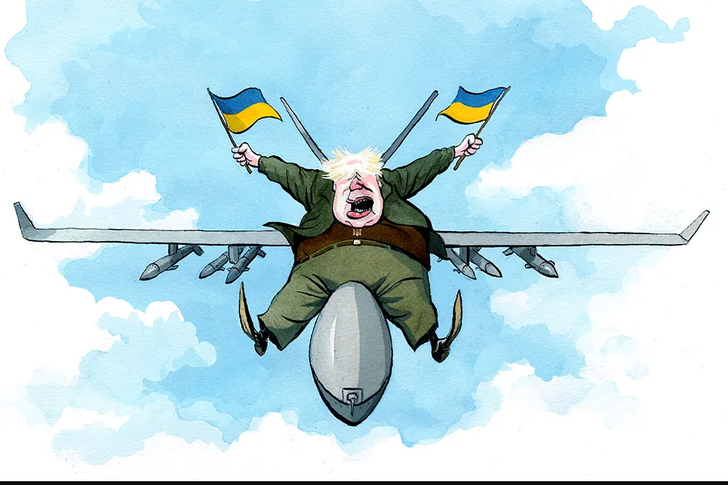
When you visit rehabilitation centers for Ukrainian soldie...

1977 - Vdes sopranoja me famë botërore Maria Kalas Nd...
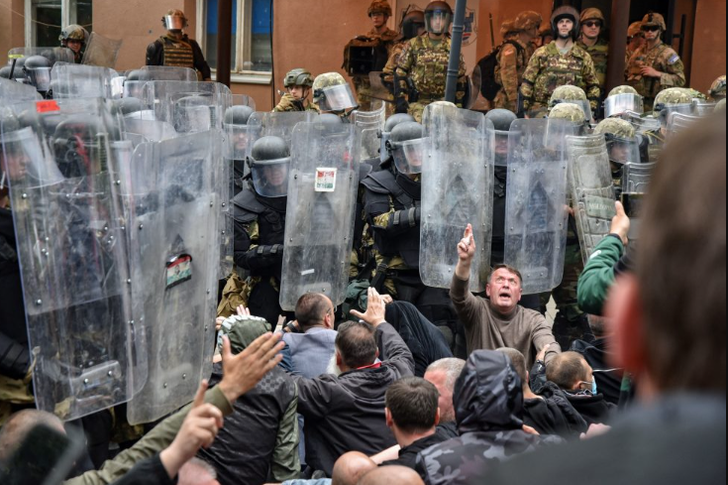
The conflict between Kosovo and Serbia is centered in Nort...
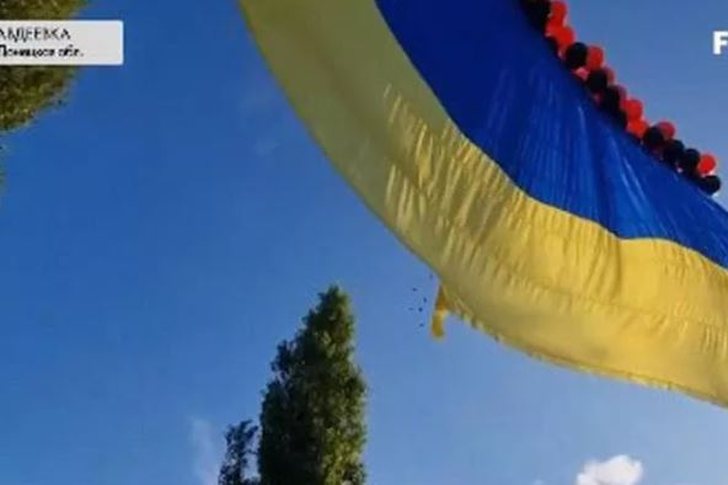
Agresioni brutal i Rusisë ndaj Ukrainës dhe aleanca e ...
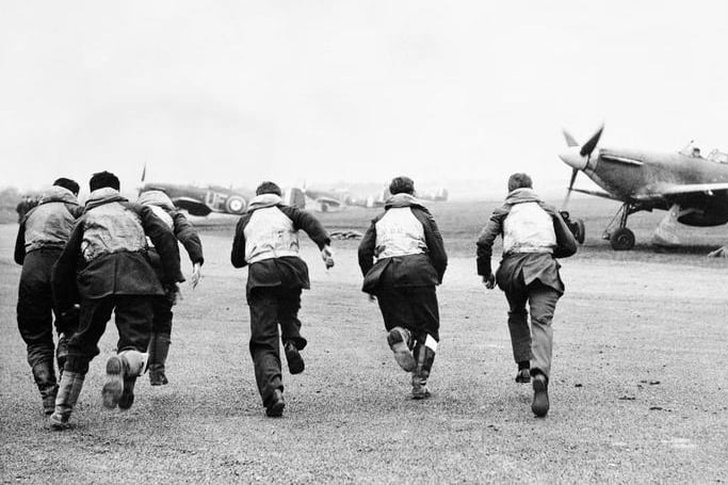
1940 - The Battle of Britain begins On September 15, ...
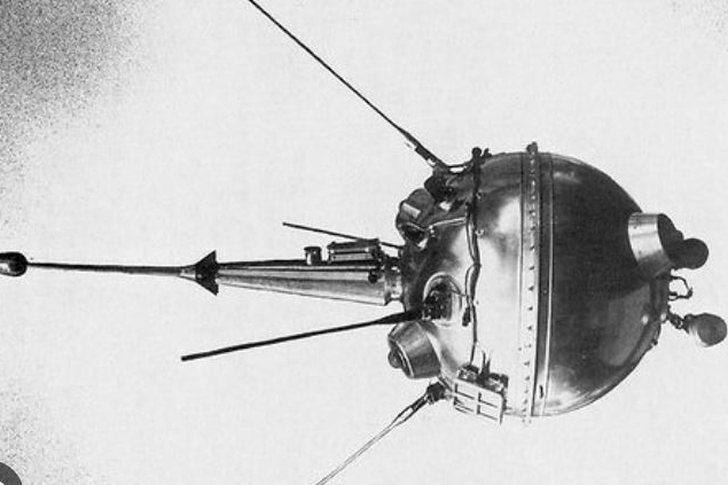
1959 - The Soviets land their first space probe on the Moo...
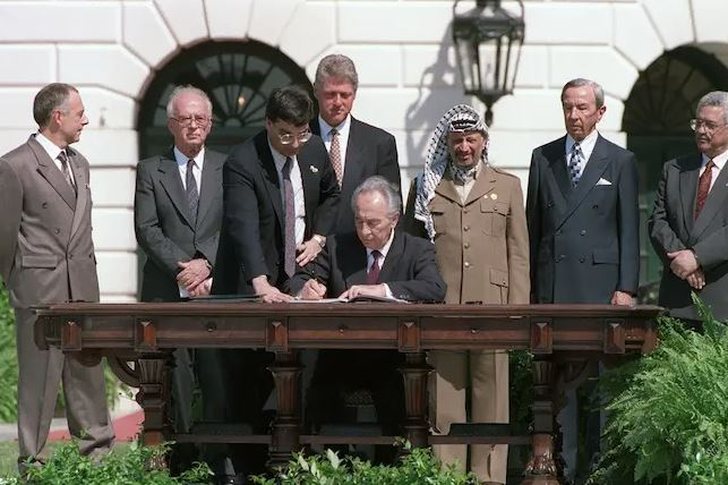
1993 - Nënshkruhet marrëveshja e paqes mes Izraelit dh...
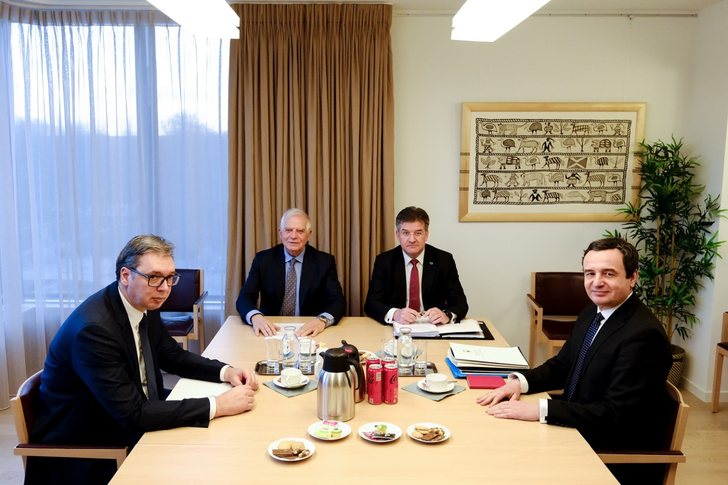
The Balkans experienced another hot summer, especially in ...
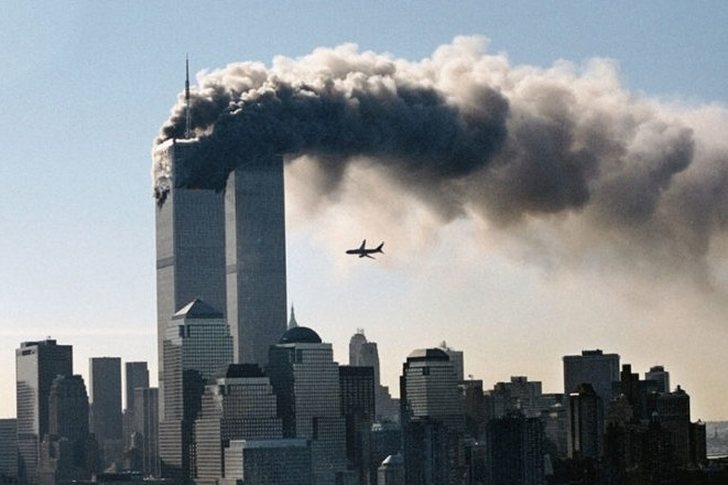
2001 - The US suffers the worst attack since World War II ...
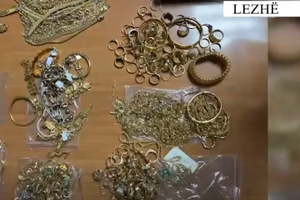
A 39-year-old citizen has been arrested in Lezha, after se...

CNA has launched another investigation that could lead to ...

Irfan Hysenbelliu is a businessman that we call "Irfan the...

In March 2026, CNA launched another investigation centered...

The Special Board of Appeal (KPA) decided this Monday ...

The KPA vetting decided this Thursday to dismiss the p...

Suela Salavaçi, a prosecutor in the Prosecutor's Offic...

The Special Board of Appeal reinstated the prosecutor ...
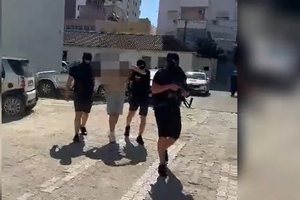
Following the successive operations carried out by the ope...
The Police Supervision Agency has seized the service weapo...
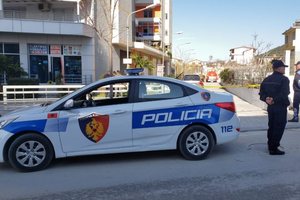
A serious incident occurred in Lushnje, where citizen IY, ...
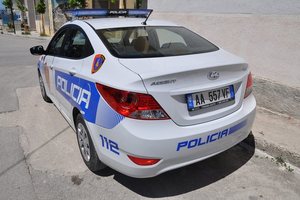
As a result of the investigative and procedural actions ca...
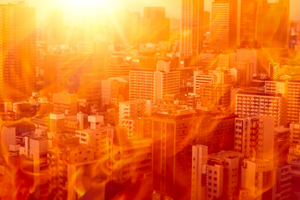
As the year 2026 is in its second half, the world is exper...
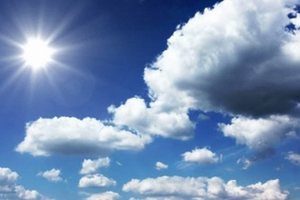
Today, our country will be under the influence of stable a...

By noon, cloudiness is expected to prevail in almost all o...

Children without parental care, for whom alternative famil...
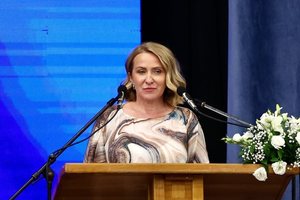
Serbia's Minister of State Administration and Local Self-G...
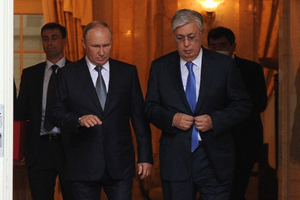
Kazakh President Kassym-Jomart Tokayev shared some critici...
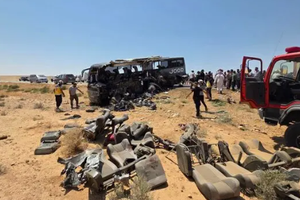
Thirty-five people were killed and 30 others were injured ...

US President Donald Trump has announced that he will seek ...
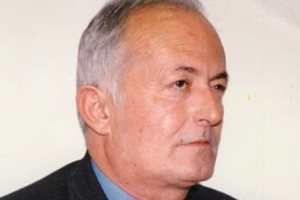
Two windows, a century of history and the metaphysics of p...
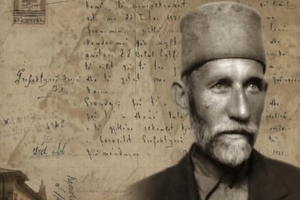
In my research at the Central State Archives, specifically...

At a time when industrial products are increasingly taking...

Trust among people is not just a three-syllable word. It c...
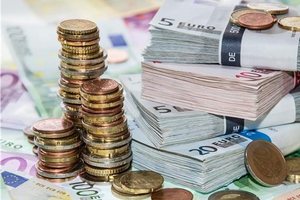
This Saturday, one US dollar is bought for 81.7 lek and so...
War, weather and supply disruptions could send gas prices ...
The number of active enterprises in Albania continued to g...
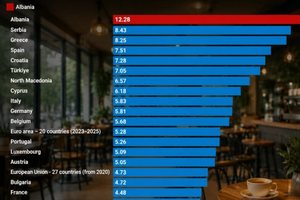
In Albania, the bar-cafe has long become an almost unique ...