



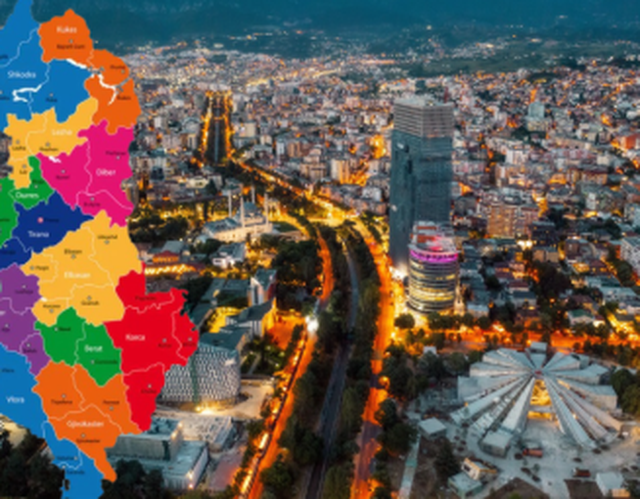
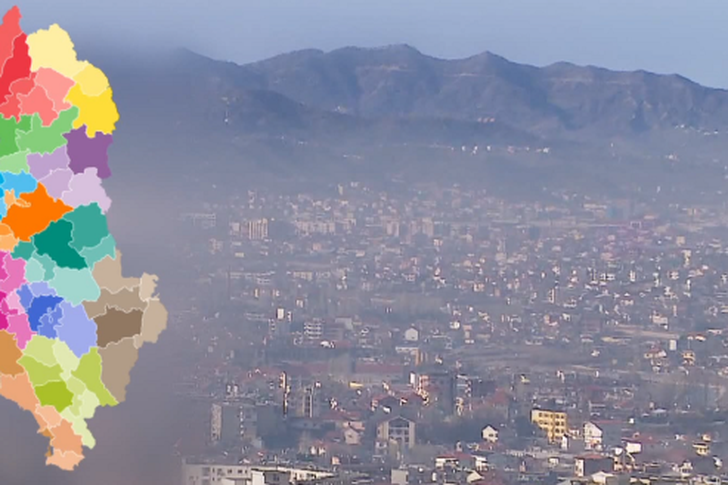
The report drafted by the majority on the Administrative-Territorial Reform 2.0 also focuses on scenarios for the territorial reorganization of the country and their presentation for decision-making in the Assembly.
The four variants for the new map are considered by the socialists as options that harmonize responsibility with the capacities of local government, in the definitions of which the main advantage is emphasized, without overlooking the challenges that come from each case.
Option 1: Asymmetric decentralization
The territorial map is kept unchanged, while functional responsibilities are differentiated according to demonstrated capacity: basic functions remain with all municipalities, while more demanding functions are assigned only to units with sufficient capacity or are exercised through joint governance. The main advantage is avoiding the costs of a reorganization; the challenge is the complexity of the legal and institutional framework and the limited tradition of inter-municipal cooperation, which may require an additional level of governance.
Option 2: Large mergers
Comprehensive territorial consolidation, with the objective that each new municipality has sufficient institutional capacity to exercise all 41 functions of Law no. 139/2015, with the possibility of decentralizing further functions. The advantage is the full functional equality of the units; the challenges are the difficulty of building A-level units in some regions, the more limited respect for the principle of subsidiarity and the risk that cultural diversity receives less attention.
Option 3: Medium-sized mergers and reallocation of complementary functions
Moderate consolidation: mergers focus on units with limited capacity, so that each municipality can safely exercise basic and extended functions, while additional specialized functions are reallocated to central government, intermunicipal cooperation or the second local level. The advantage is the better cost-benefit ratio of the intervention; the challenges are the risk of re-centralization of some functions and, again, the possible need for an additional level of governance.
Option 4: Municipalities focused on basic functions
More radical restructuring of responsibilities: municipalities, including the possibility of smaller units, focus on core functions, while complementary and part of the extended functions are reallocated to other governance arrangements. The advantage is better compliance with the subsidiarity principle; the challenges are the practical difficulty of dividing the units and the limited potential for further decentralization.
The report also states that the evaluation of scenarios is not based on preferences, but on the framework of 5 previously approved criteria; financial-functional criteria with a weight of 30%), economic (20%), demographic (20%), distance and access (15%) and socio-cultural cohesion (15%) ./CNA

Democratic MP, Ina Zhupa, has reacted to the positions exp...
Former Minister Arben Malaj announced today that he will r...
The Report on the Administrative-Territorial Reform 2.0, d...
DP Deputy Chairman and MP Belind Këlliçi, in a statement t...
At the meeting of the SP group and the government, Prime M...
The Minister of Interior, Besfort Lamallari, has reacted t...
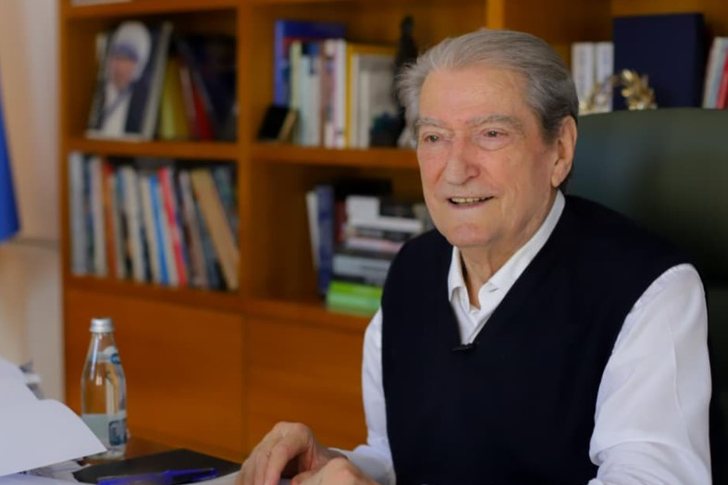
DP leader Sali Berisha, in a conversation with citizens, s...
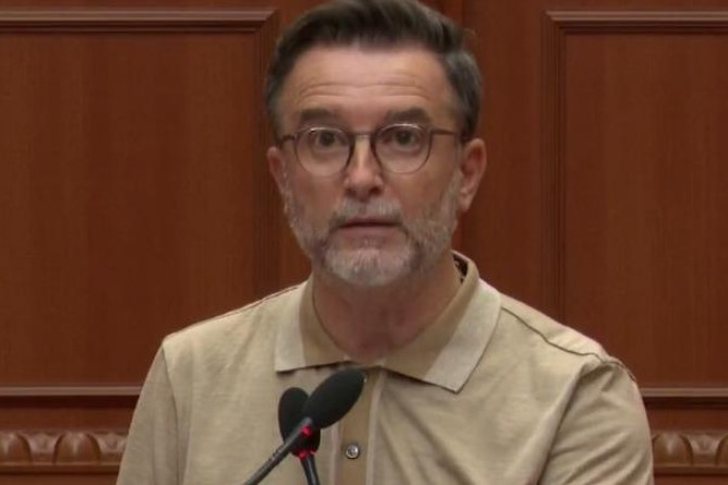
A day ago, after the meeting of the SP group and the gover...
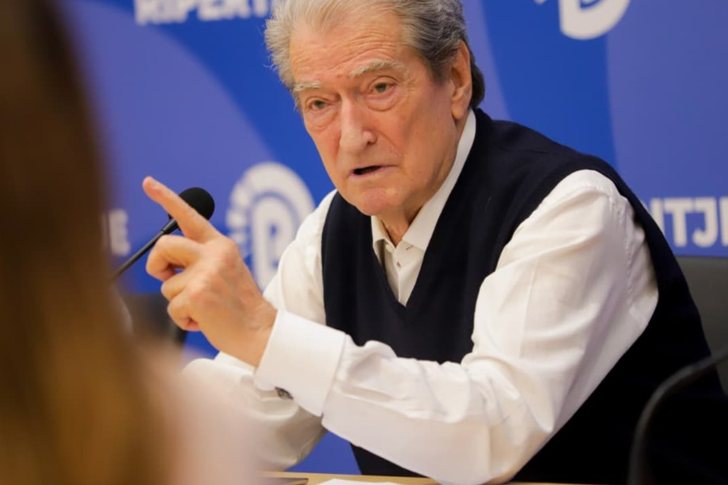
The leader of the Democratic Party, Sali Berisha, has reac...
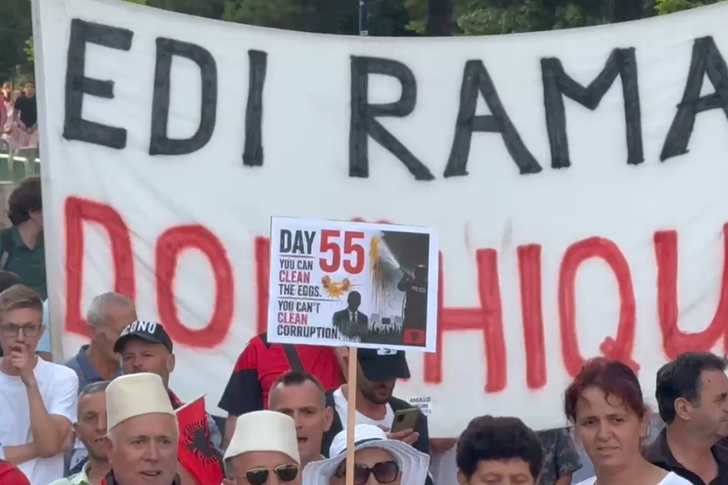
This Friday, the 55th civic protest against the government...
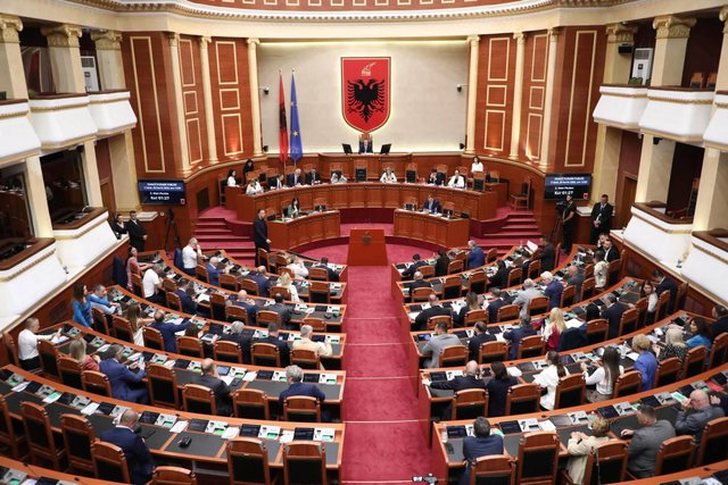
The Albanian Parliament will convene again on Monday to ho...
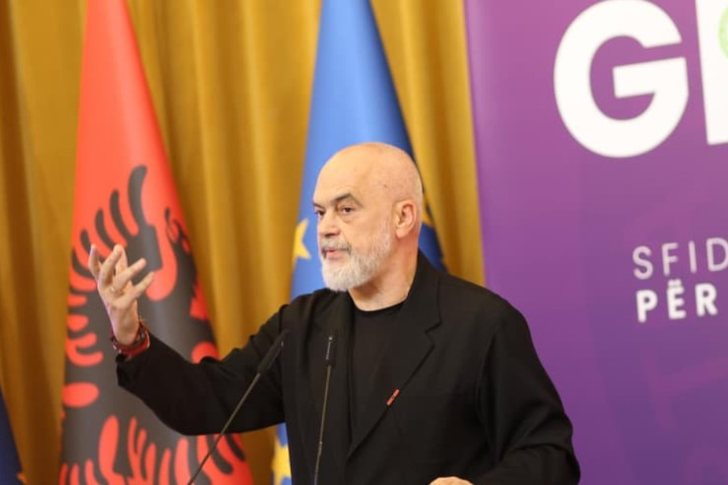
Former chairman of the SP Korça and journalist for "Zërit ...
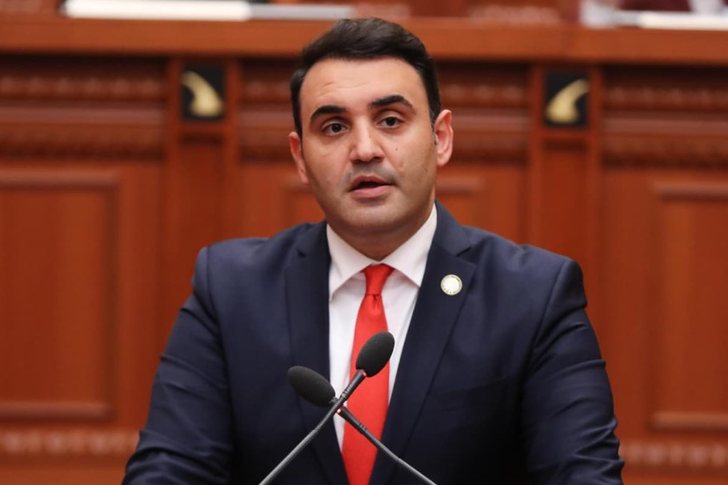
Deputeti dhe nënkryetari i Partisë Demokratike, Belind Kël...
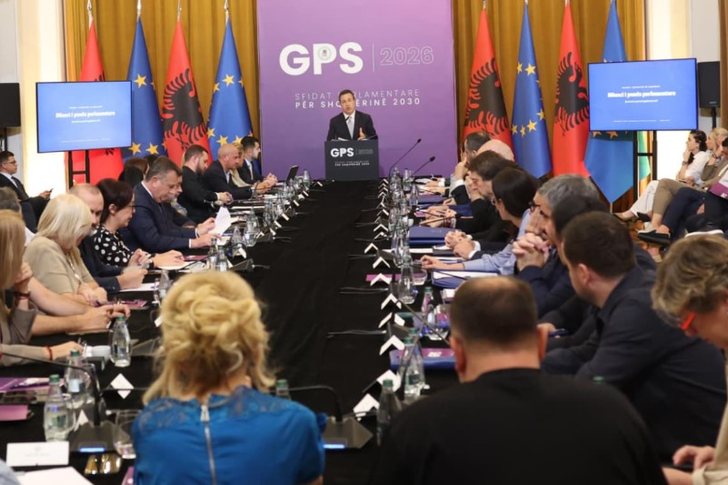
Parliament Speaker Niko Peleshi has revealed that in the f...
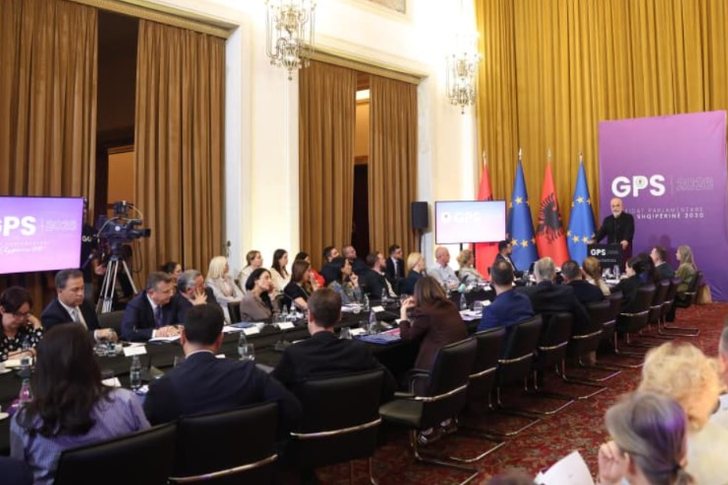
After Health, Prime Minister Edi Rama also targeted offici...
Prime Minister Edi Rama, during a meeting of the SP group ...
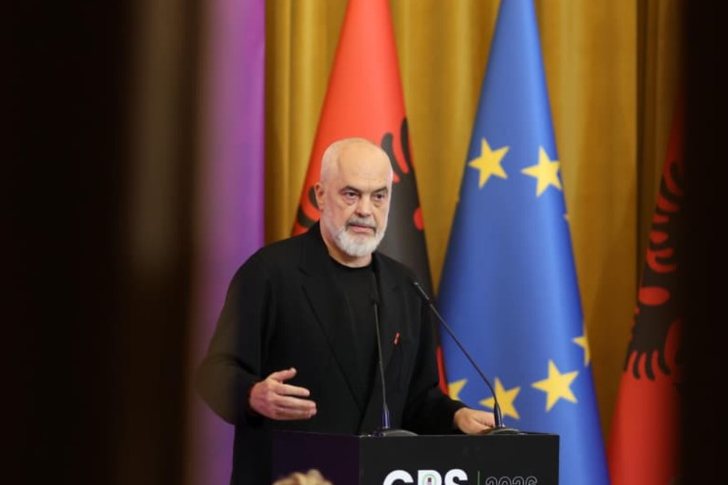
Prime Minister Edi Rama, at a meeting of the Socialist Par...
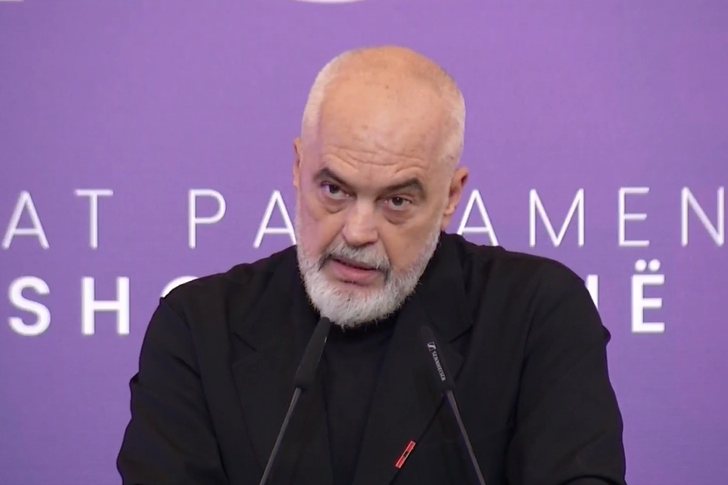
Prime Minister Edi Rama has sent a public message to the p...
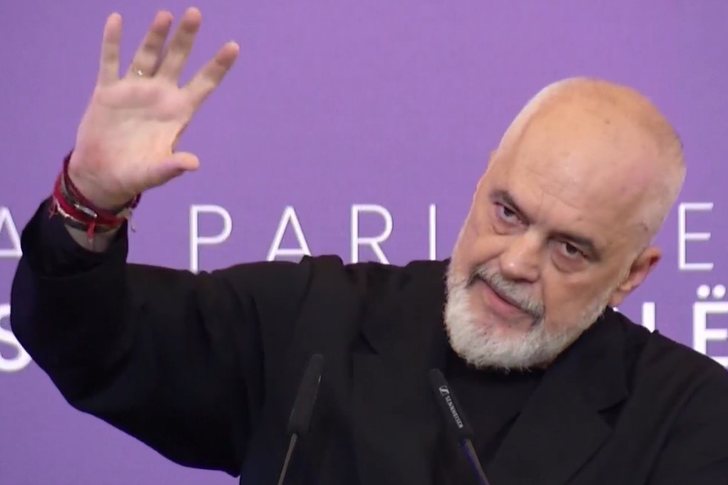
Prime Minister Edi Rama has given the Socialists a cold sh...
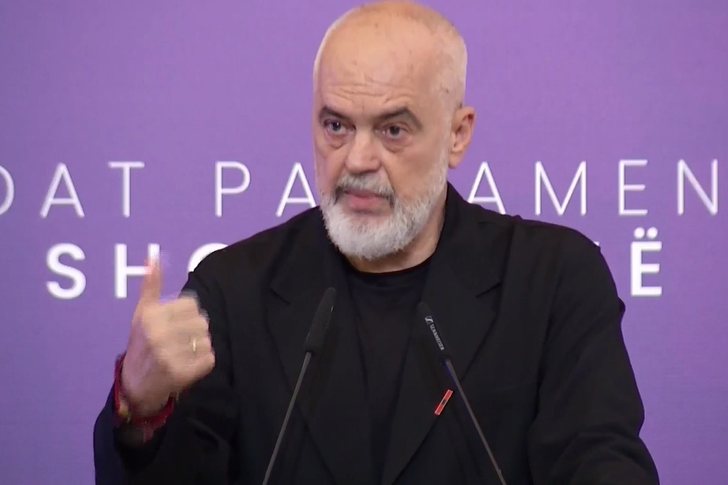
Prime Minister Edi Rama has spoken about the protests in f...

A 39-year-old citizen has been arrested in Lezha, after se...

CNA has launched another investigation that could lead to ...

Irfan Hysenbelliu is a businessman that we call "Irfan the...

In March 2026, CNA launched another investigation centered...

The Special Board of Appeal (KPA) decided this Monday ...

The KPA vetting decided this Thursday to dismiss the p...

Suela Salavaçi, a prosecutor in the Prosecutor's Offic...

The Special Board of Appeal reinstated the prosecutor ...

Several gunshots were reported today in the village of Gjo...
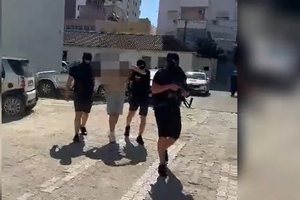
Following the successive operations carried out by the ope...
The Police Supervision Agency has seized the service weapo...
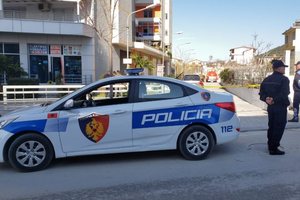
A serious incident occurred in Lushnje, where citizen IY, ...

As the year 2026 is in its second half, the world is exper...

Today, our country will be under the influence of stable a...

By noon, cloudiness is expected to prevail in almost all o...

Children without parental care, for whom alternative famil...
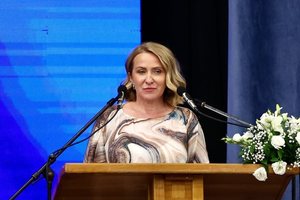
Serbia's Minister of State Administration and Local Self-G...
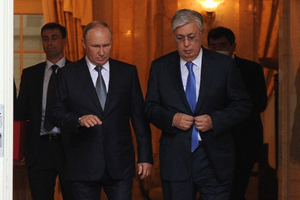
Kazakh President Kassym-Jomart Tokayev shared some critici...
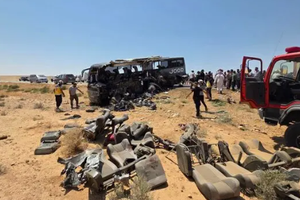
Thirty-five people were killed and 30 others were injured ...

US President Donald Trump has announced that he will seek ...
Two windows, a century of history and the metaphysics of p...
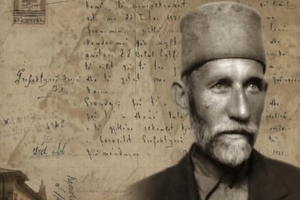
In my research at the Central State Archives, specifically...

At a time when industrial products are increasingly taking...

Trust among people is not just a three-syllable word. It c...

This Saturday, one US dollar is bought for 81.7 lek and so...

War, weather and supply disruptions could send gas prices ...
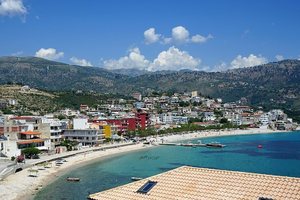
The number of active enterprises in Albania continued to g...
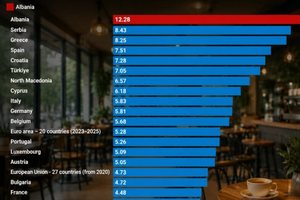
In Albania, the bar-cafe has long become an almost unique ...