


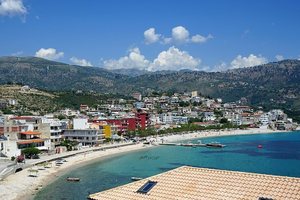
Strike on the Greek side, movement in Kakavija temporarily suspended on Monday
Movement at the Kakavija Border Crossing Point will be tem...

Movement at the Kakavija Border Crossing Point will be tem...

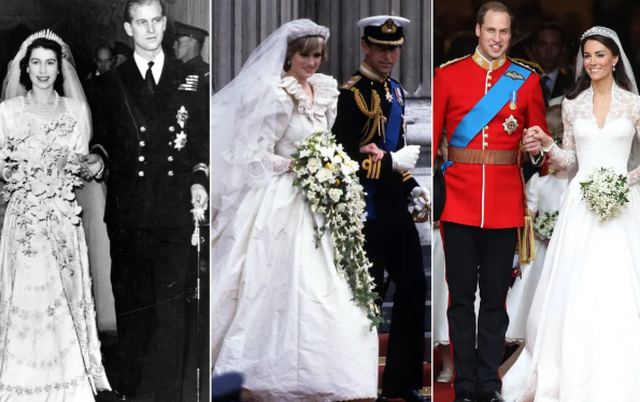
Royal wedding dresses occupy a unique space in people's imagination. They represent the perfect intersection of fashion, history, and fantasy, works of art that are worn and inspire specific moments in the world.
What makes these dresses so extraordinary is not just their beauty or craftsmanship, but what they symbolize: hope, tradition, and the promise of a new era.
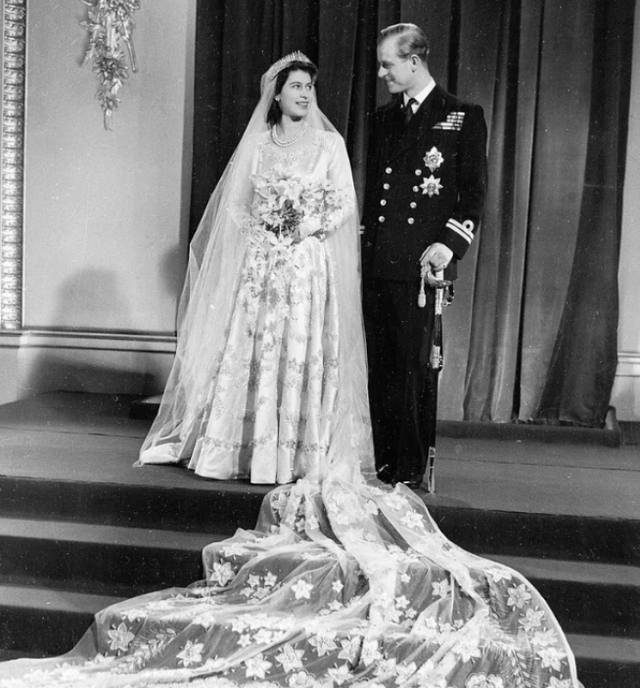
Queen Elizabeth II (1947)
Designed by Norman Hartnell, the pearl-embellished gown featured a 13-foot-long train and 10,000 hand-sewn pearls. The ivory satin gown was embroidered with intricate floral motifs inspired by Botticelli's "Primavera," including lilies, jasmine, and orange blossoms. Due to post-war rationing, the Queen used clothing vouchers to purchase the material, although the government gave her an additional 200 vouchers for the occasion. The gown's high neckline and long sleeves set the standard for royal modesty for the bride that would endure for decades.
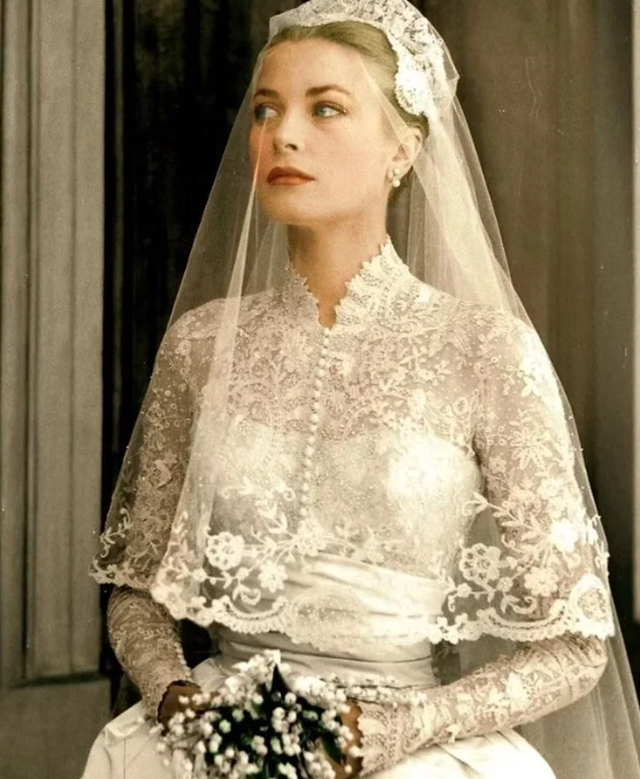
Grace Kelly (1956)
Helen Rose's legendary design for MGM Studios used 125-year-old Brussels lace, silk taffeta, and thousands of pearls. The high-necked gown had a tight bodice with tiny buttons that cascaded down the back and a billowing skirt with layers of taffeta skirts. Kelly's circle veil was adorned with pearls and orange blossoms, while her bouquet contained a sprig of myrtle from Queen Victoria's garden. The dress's timeless elegance continues to inspire bridal designers today.
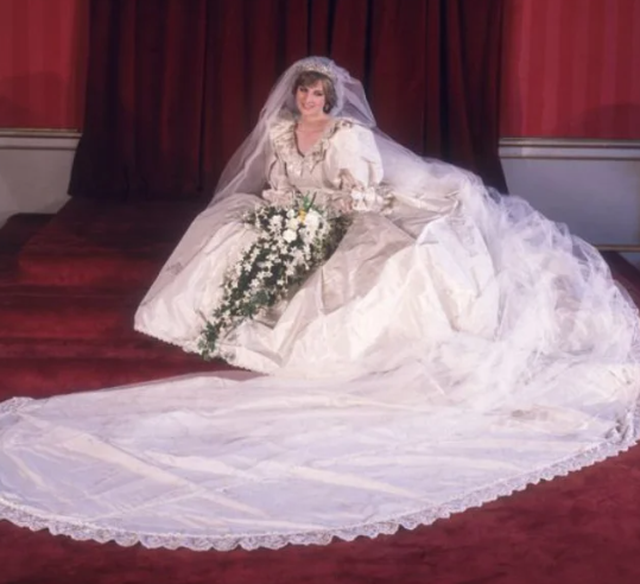
Princess Diana (1981)
David and Elizabeth Emanuel's iconic design featured a 25-foot-long train, the longest in royal history, and 10,000 pearls. The ivory silk bodice was tightly sewn to create a dramatic silhouette, while the voluminous skirt required several skirts. Diana's accidental crushing of the dress in her carriage became one of the most memorable moments in wedding history. The dress's romantic excess defined bridal fashion in the 1980s and remains the most copied royal wedding dress of all time.
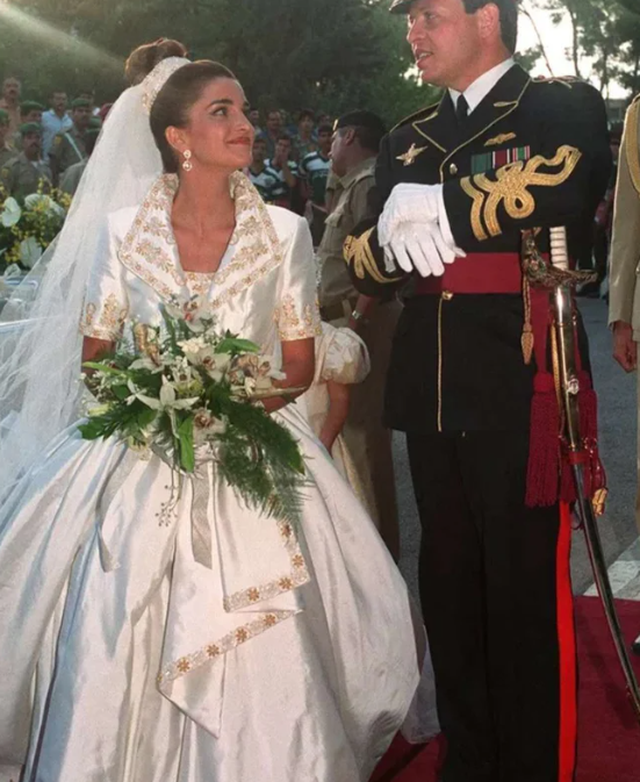
Queen Rania (1993)
Bruce Oldfield's masterpiece, adorned with gold details, blended Syrian inspiration with British craftsmanship. The dress featured an embroidered coat with a high collar reminiscent of traditional Middle Eastern abayas. Rania paired it with a diamond belt that her daughter, Princess Iman, would later wear at her wedding in 2023. The culturally nuanced look established Rania as a fashion icon and a modernizer of the Jordanian monarchy.
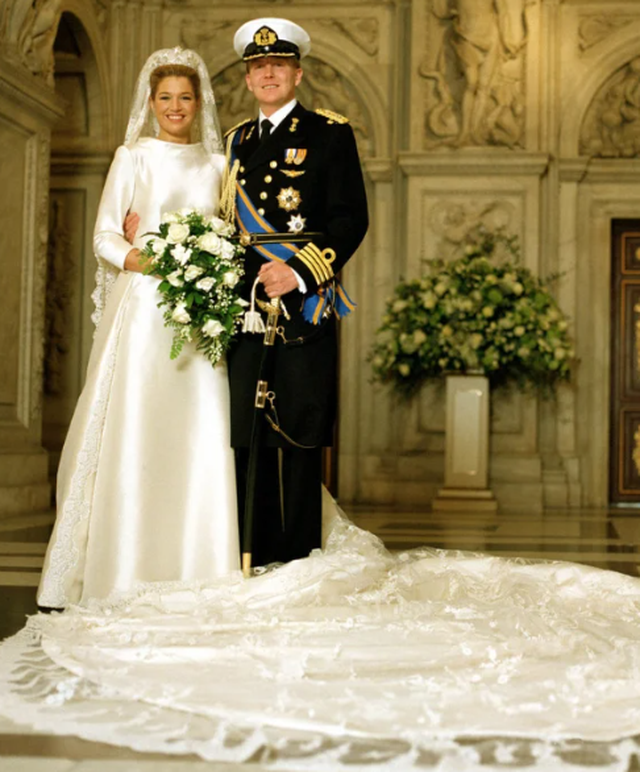
Maxima of the Netherlands (2002)
The high-necked, lace Valentino Couture gown featured hand-embroidered Dutch floral motifs with silver thread. The modest neckline and long sleeves of the dress respected royal protocol, while the tight silhouette showed off Maxima's figure. She accessorized with the Stuart Diamond Tiara worn by Queen Wilhelmina at her inauguration in 1898. The style successfully introduced the Argentine-born Maxima to the Dutch public.
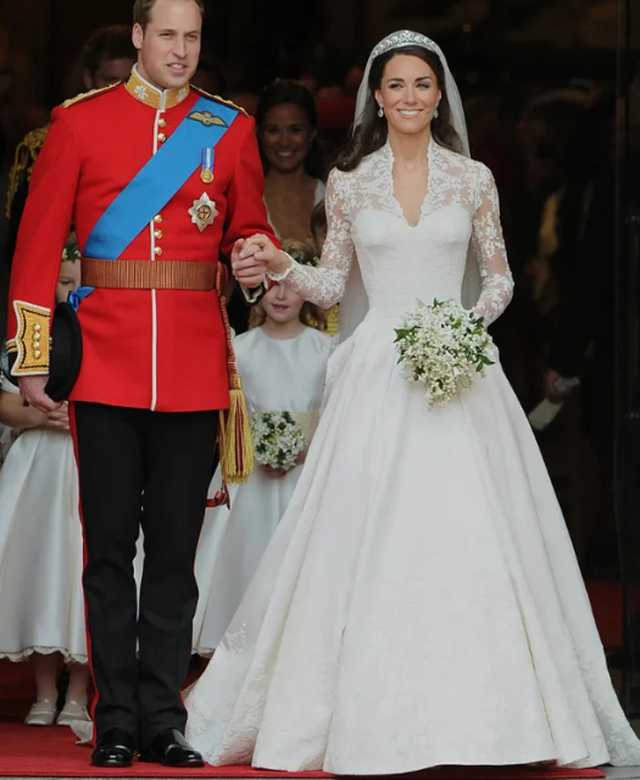
Kate Middleton (2011)
Sarah Burton for Alexander McQueen created the modern gown with hand-cut lace appliqués from vintage lace pieces. The dress's Victorian bodice and dramatic skirt paid homage to traditional royal style while still looking fresh. Kate's choice to include floral emblems from Commonwealth countries in the embroidery was a delicate diplomatic gesture. The Cartier Halo tiara, on loan from Queen Elizabeth, connected her to royal history while maintaining a contemporary feel.
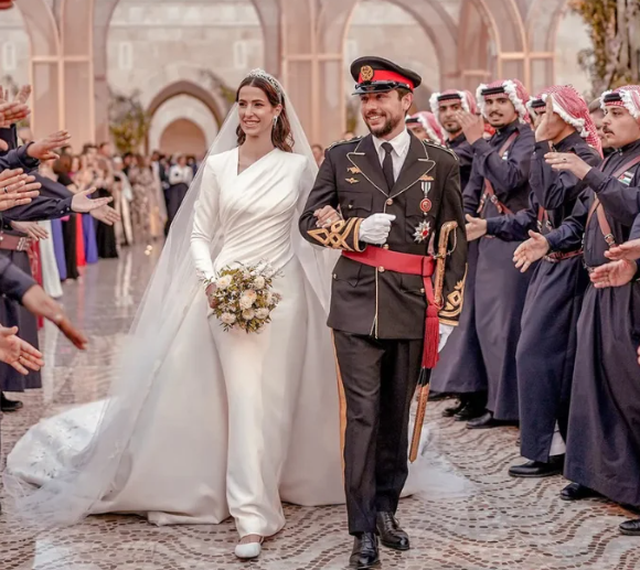
Princess Rajwa Al Hussein (2023)
The Elie Saab gown featured over 300 hours of hand embroidery with silver and white thread. The delicate lace sleeves and high neckline paid homage to Jordanian traditions, while the fitted silhouette felt contemporary. Rajwa’s Fred Jewelry tiara featured diamonds from Queen Rania’s personal collection. The look successfully introduced Saudi-born Rajwa as the future queen of Jordan.
These iconic dresses stand because they represent more than just fashion. They are the physical embodiment of history in the making. /CNA


A bold rule introduced in Ashgabat, the capital of Turkmen...
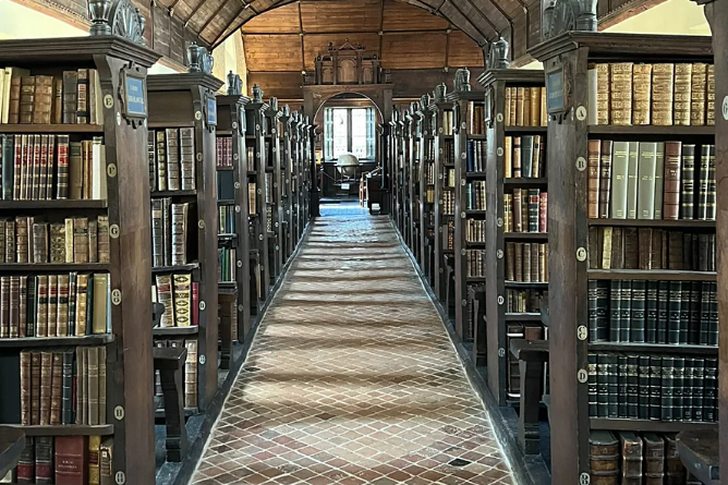
This month marks the 750th anniversary of the Oxford Unive...

Reactor number 4, which exploded on April 26, 1986 at Cher...

From the kaleidoscopic reefs of Fiji to the shark-filled p...
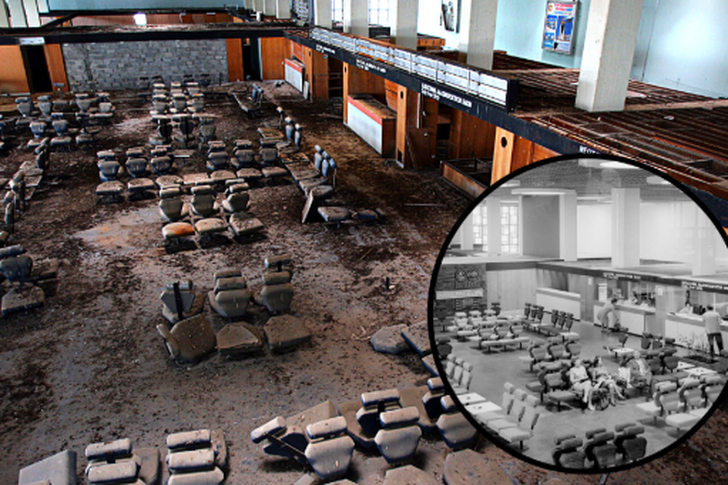
All over the world, over the past five decades, there have...

Cinema-inspired tourism, known as “set-jetting,” is set to...
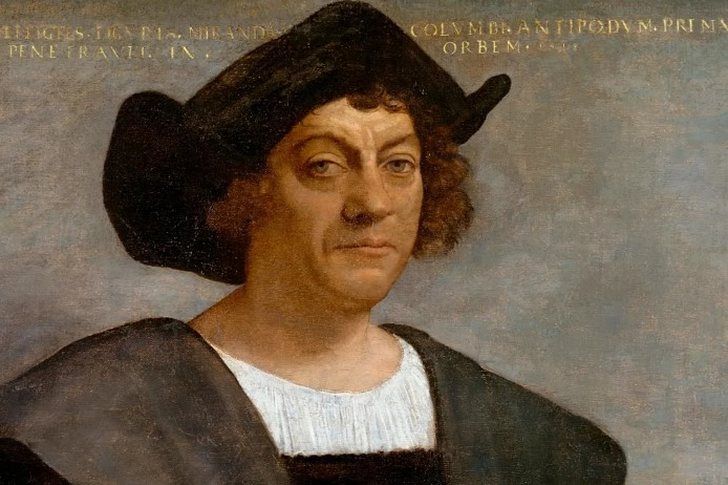
A new scientific study has shed light on one of history's ...

Often, very often, we commemorate history by exalting a si...

There are people who are part of our lives every day… and ...

On April 9, history has recorded significant events around...

The 2026 FIFA World Cup will take place from June 11 to Ju...
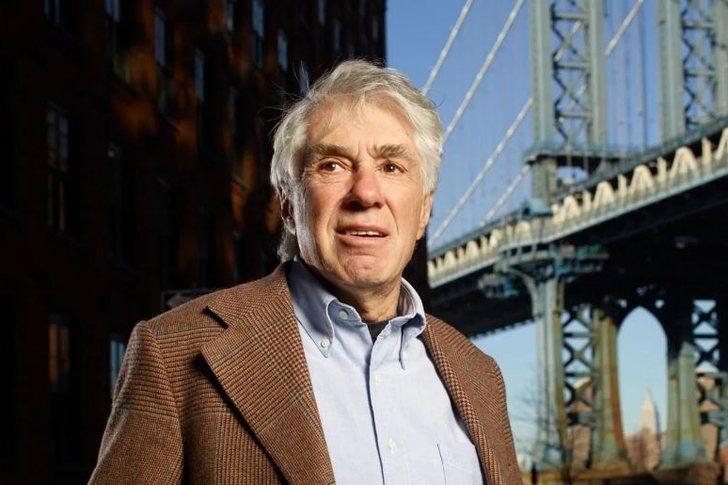
The billionaire who revitalized Brooklyn's waterfront went...
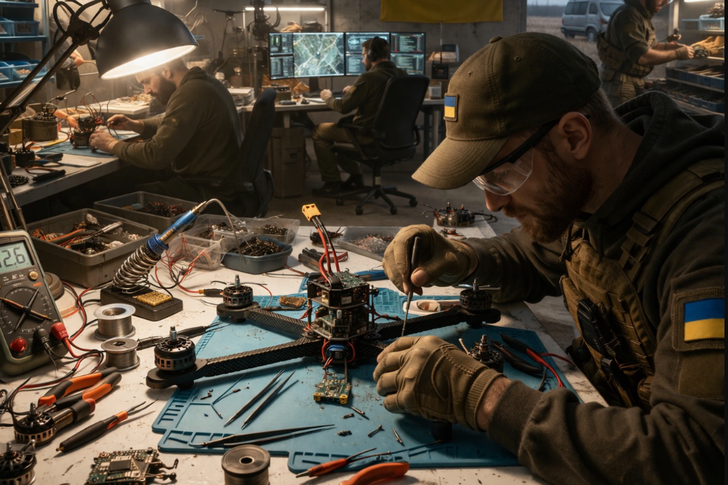
When I first visited Kiev in May 2023, the Ukrainian capit...
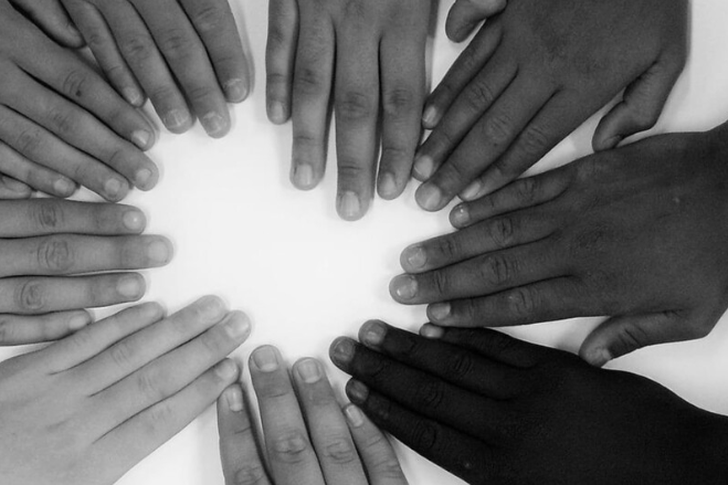
Often used interchangeably, the concepts of “state” and “n...
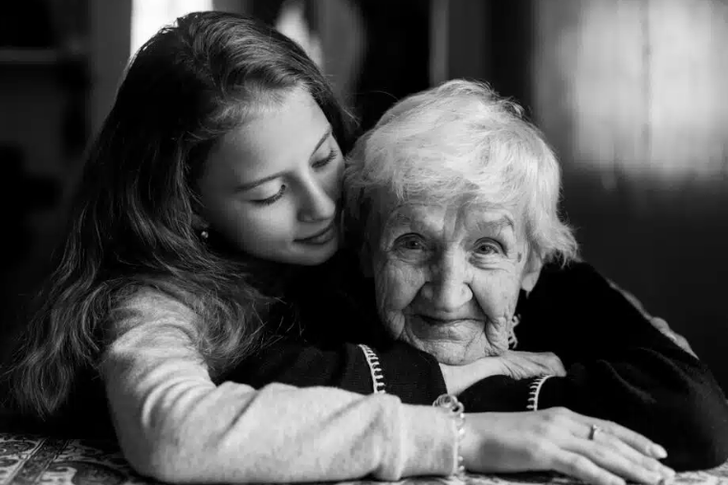
The Silent Generation, the generation born between the 192...

The consumption of pork is one of the most controversial t...

From Vietnam to Afghanistan, to Iran and Ukraine. When con...
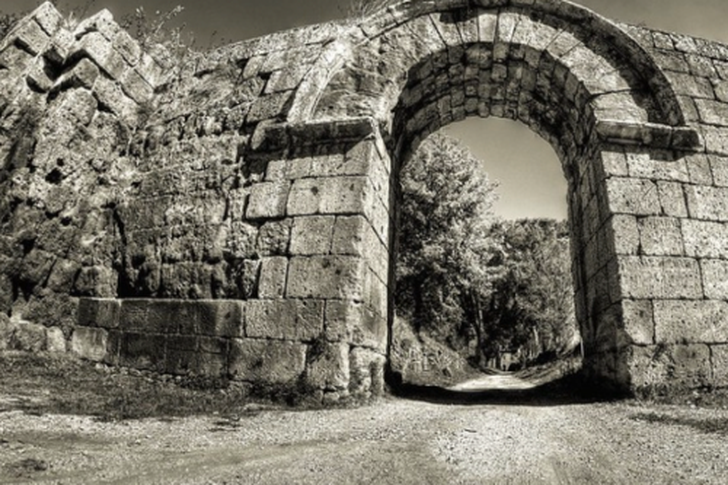
History is not always changed by big decisions or well-tho...
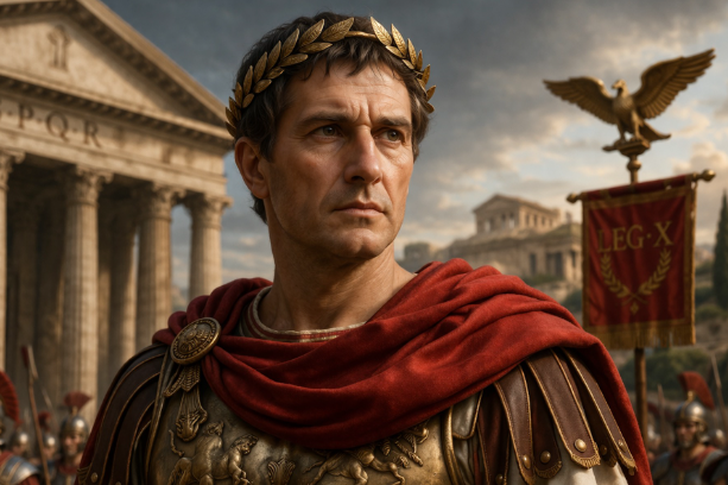
Julius Caesar is not just a name in the history books. He ...

The dog is perhaps the only species on the planet that has...
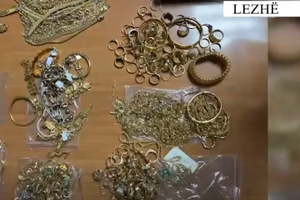
A 39-year-old citizen has been arrested in Lezha, after se...

CNA has launched another investigation that could lead to ...

Irfan Hysenbelliu is a businessman that we call "Irfan the...

In March 2026, CNA launched another investigation centered...

The Special Board of Appeal (KPA) decided this Monday ...

The KPA vetting decided this Thursday to dismiss the p...

Suela Salavaçi, a prosecutor in the Prosecutor's Offic...

The Special Board of Appeal reinstated the prosecutor ...

As a result of the investigative and procedural actions ca...

A conflict for weak motives was recorded today in the vill...

An accident involving three vehicles occurred a few minute...

55-year-old Belere Plaka, who was injured today with a sho...

Today, our country will be under the influence of stable a...

By noon, cloudiness is expected to prevail in almost all o...

Children without parental care, for whom alternative famil...
On Thursday, our country will be under the influence of st...

Marine Le Pen is entering the decisive phase of the presid...
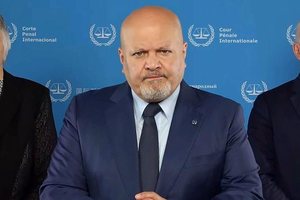
Member states of the International Criminal Court voted to...

From the declining role of exports to new public investmen...

South Korea is becoming one of the most sought-after desti...

Two windows, a century of history and the metaphysics of p...
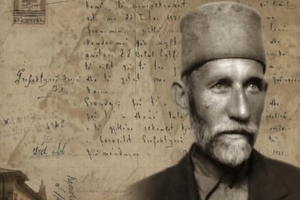
In my research at the Central State Archives, specifically...

At a time when industrial products are increasingly taking...

Trust among people is not just a three-syllable word. It c...

This Saturday, one US dollar is bought for 81.7 lek and so...

War, weather and supply disruptions could send gas prices ...
The number of active enterprises in Albania continued to g...

In Albania, the bar-cafe has long become an almost unique ...