


The Silent Generation/The Silent Witnesses of the 20th Century and Their Legacy
The Silent Generation, the generation born between the 192...


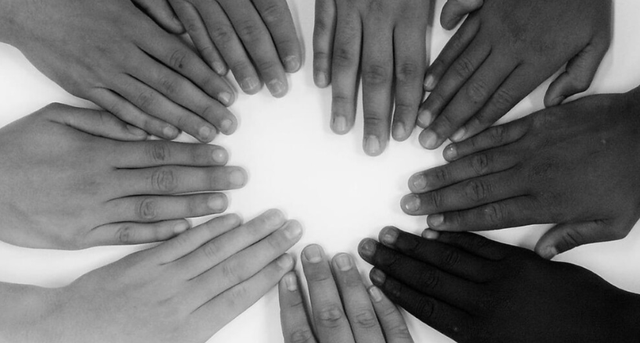
Often used interchangeably, the concepts of “state” and “nation” are not the same. Political science experts emphasize that their correct meaning is essential for understanding the social and political structure of a country, as well as for appreciating the identity and traditions of the population.
What is a nation?
A nation represents a group of people who share common elements such as culture, language, territory, history, and traditions. It can also be created through the desire of people to live together, despite ethnic or social differences.
Political scientists offer two approaches to defining the nation. The German tradition sees the nation as a group of people who share common characteristics, even without awareness of this connection. The French tradition, on the other hand, focuses on the will of people to live in the same community. There is also the concept of the “cultural nation”, where the union of people is linked to common feelings and characteristics, often the result of nationalist movements or independence gained from other states.
What is a state?
The state is a political and administrative organization that has sovereign power over a certain territory. It has the ability to establish laws and regulations that are binding on all citizens and is structured with three main branches of government: executive, legislative, and judicial.
The main characteristics of a state include:
The administrative and political whole.
Governance over a certain territory.
The population that constitutes it and is subject to its laws.
Obligations and rights at both national and international levels.
In this sense, the state is the institutional concept that organizes and administers the lives of citizens, guaranteeing the order and functioning of society.
The main differences between state and nation
Experts emphasize that the state and the nation are related, but distinct:
Nature and function: The state is a political and institutional concept, while the nation has a sociological, historical, and cultural dimension.
Laws and rules: The state has legal authority over citizens, while the nation has traditions, customs, and rules followed without legal obligation.
Composition: A state may consist of one or more nations; while a nation does not necessarily have a state. Many nations live without a state structure, such as when we talk about diasporic nations or independent nations without international recognition.
Territory and population: A state has a defined territory and population that makes it subject to law. A nation, on the other hand, can exist without a permanent territory or with a dispersed population.
Why is it important to understand the difference?
Understanding the difference between a state and a nation helps citizens appreciate national identity and understand the role of political institutions. For example, knowing the difference helps us understand why some nations do not have independent states and why some states are made up of different nations with distinct traditions and cultures.
Although the state and the nation are closely related, they are not the same. The state represents the political and administrative organization, while the nation is the soul of this organization – the union of people through shared history, culture and traditions. Understanding this distinction is essential to understanding how politics works, how national identity is constructed and how people interact within a society./ CNA

The Silent Generation, the generation born between the 192...

The consumption of pork is one of the most controversial t...

From Vietnam to Afghanistan, to Iran and Ukraine. When con...
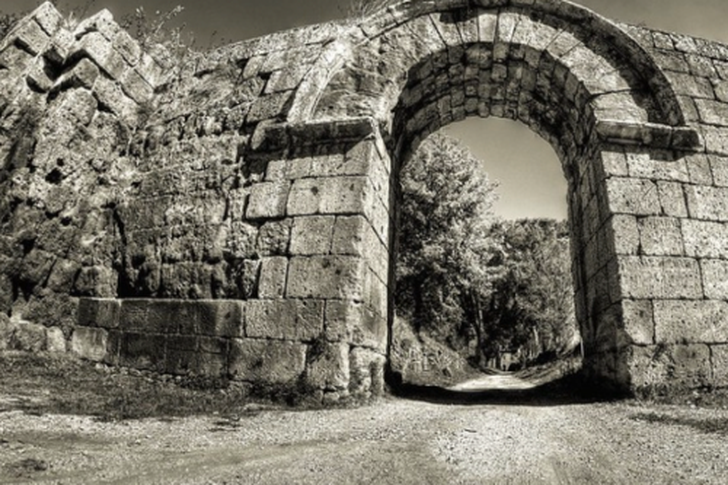
History is not always changed by big decisions or well-tho...
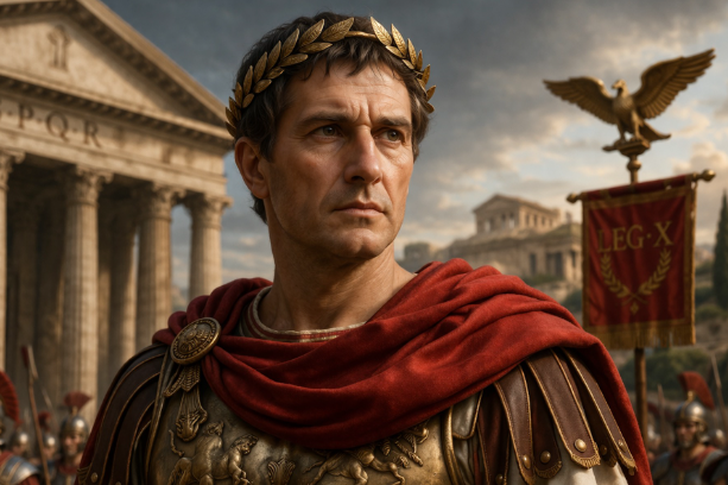
Julius Caesar is not just a name in the history books. He ...

The dog is perhaps the only species on the planet that has...

Many people do not regret the mistakes they made in life, ...

Success is rarely a coincidence. In most cases, it is the ...
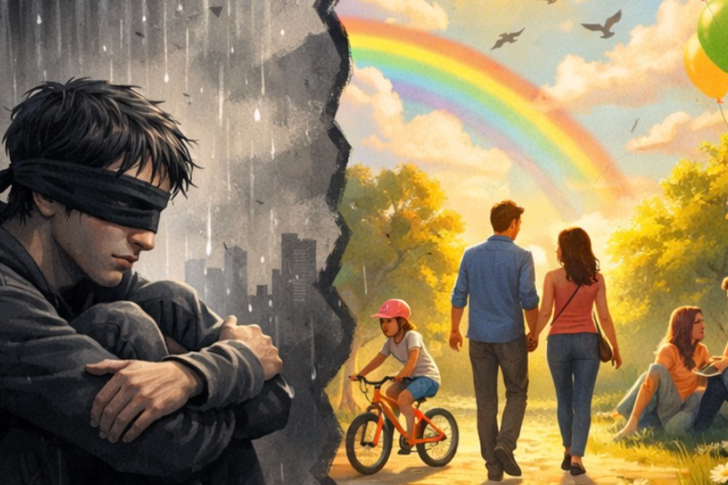
Depression is not just a bad day. It is not even a tempora...
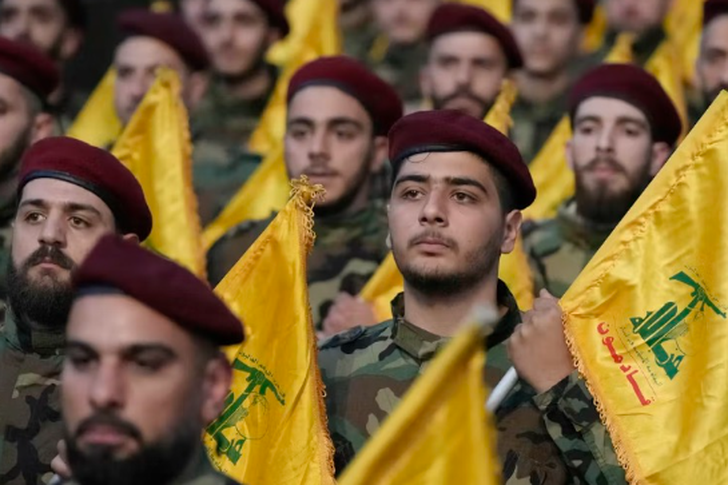
In Beirut, the capital of Lebanon, an Israeli strike this ...
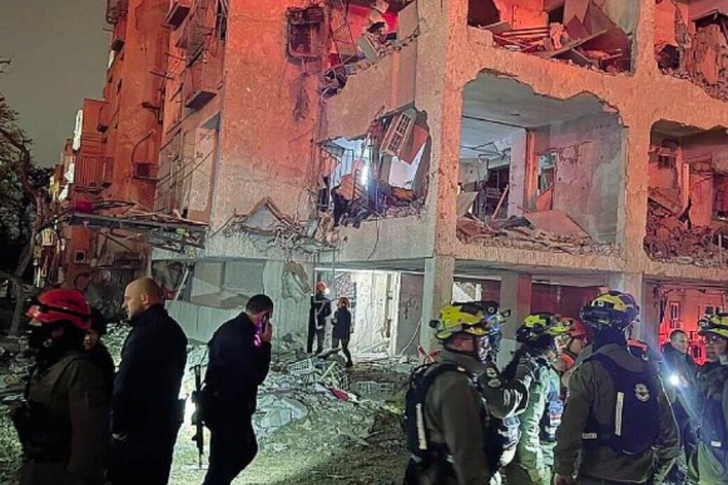
Donald Trump announces that he has "wiped Iran off the map...

On social media, what seems like the majority opinion is o...
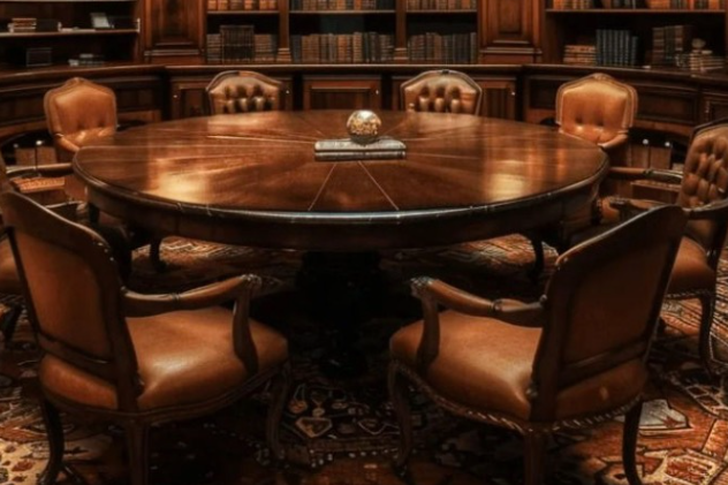
Beyond the official history we know, there is another worl...
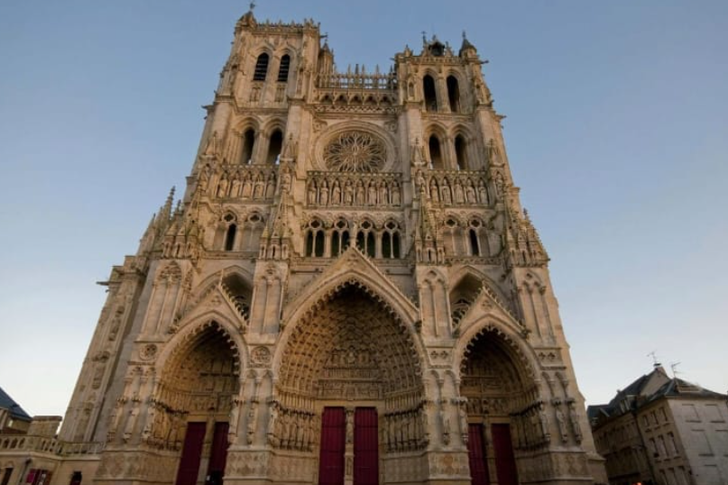
Amiens is a historic city with a strong cultural heritage,...
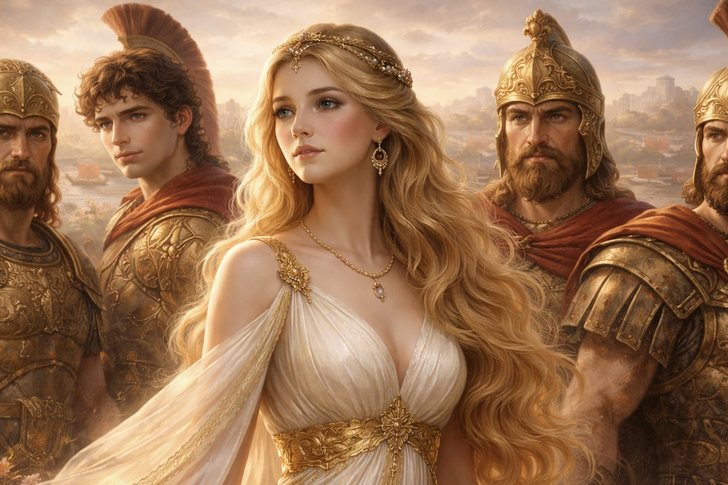
We all know the story. Helen of Troy, the face that launch...
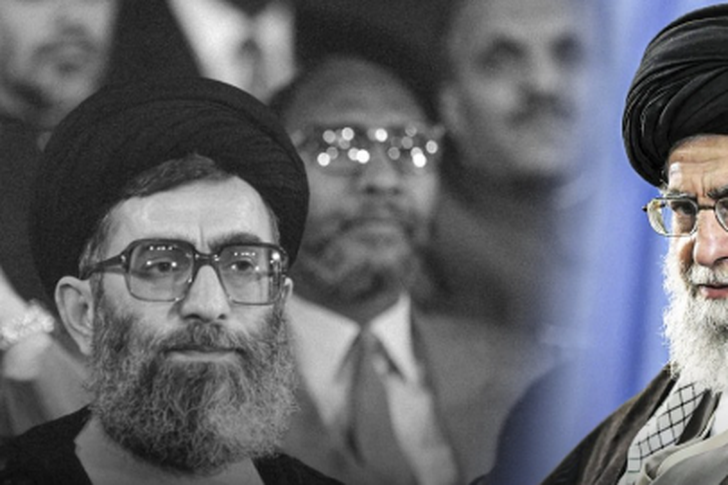
Ayatollah Ali Khamenei, Iran's Supreme Leader since 1989, ...

In recent months, social media has been awash with videos ...

What's it like to grow up as the children of dictators? Am...
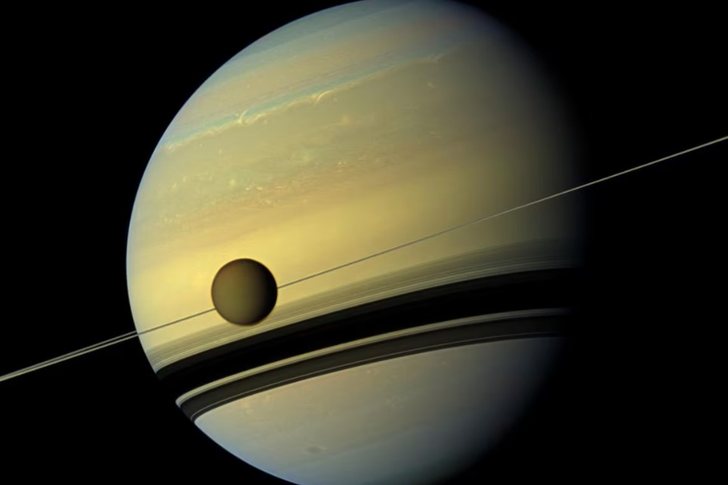
Researchers have uncovered key insights about Saturn's mys...
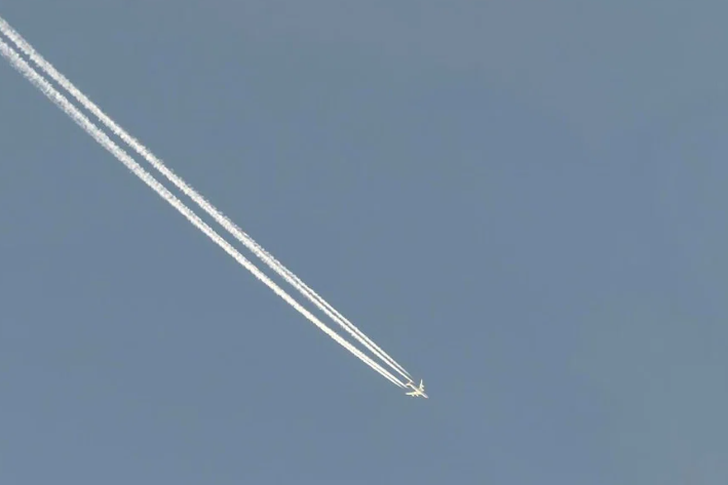
The white streaks left by planes as they fly high in the s...

On the morning of July 7, 2026, the Ministry of Culture ur...
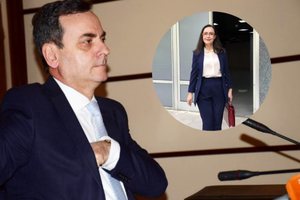
After the disclosure of the portfolio of properties an...

For 6 months now, CNA has been sending several letters to ...
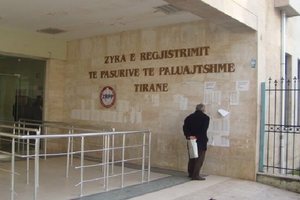
The word "fatherland" with properties is not enough. The m...

The Special Board of Appeal (KPA) decided this Monday ...

The KPA vetting decided this Thursday to dismiss the p...

Suela Salavaçi, a prosecutor in the Prosecutor's Offic...

The Special Board of Appeal reinstated the prosecutor ...

A knife attack occurred this evening in Fushë-Krujë. Acco...

A 44-year-old man in Saranda has been seriously injured af...

Spanish police have acted on an Albanian-Spanish criminal ...

New details have been revealed regarding the murder of Egl...

In Albania, in 2024, 8,911 beds were available in public h...
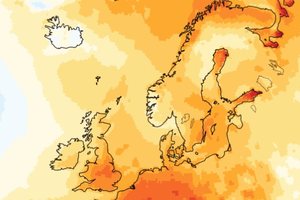
Albania was included in the band of above-normal temperatu...
Today, our country will be affected by mainly stable weath...

Today, our country will be affected by mainly stable weath...
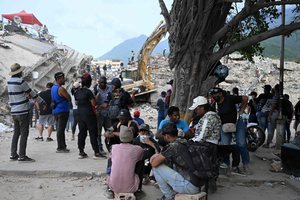
The death toll from two powerful earthquakes that struck V...

Oil prices rose to their highest levels in a month after t...

Iran has reacted to US President Donald Trump's statements...

Counter-terrorism police have taken control of the investi...

The ninth edition of "MIK Festival" kicked off with one of...
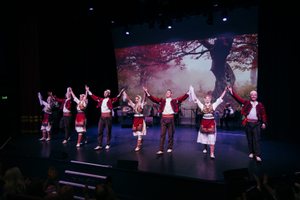
A historic evening for Albanian culture was marked in the ...

When I turned 10, another building was built in front of o...
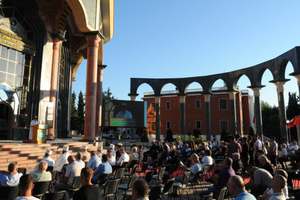
A special scientific conference was held by the World Bekt...

The tax administration has announced the completion of the...
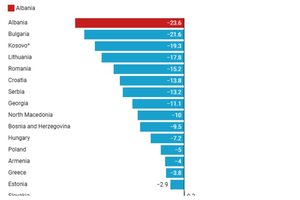
Albania has lost almost a quarter of its population since ...

This Monday, one US dollar is bought for 81.5 lek and sold...

This Sunday, one US dollar is bought for 81.5 lek and sold...