


Children of dictators/ From Mussolini to Mao, drama, privileges and tragedies that the world does not know
What's it like to grow up as the children of dictators? Am...


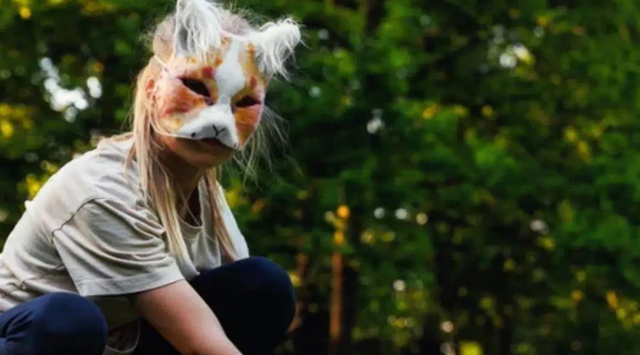
In recent months, social media has been awash with videos and content of teenagers identifying as “terians” – individuals who feel spiritually or psychologically connected to an animal and experience this identity as an essential part of themselves. This phenomenon is not simply about masks, tails, or TikTok games, but for many participants it is a real experience within their identity.
The Origin and Meaning of Therianism
The term comes from the ancient Greek “therion” (animal) and “anthropos” (human), and originally referred to the ability to transform into mythical creatures such as wolves. In the modern community, therians do not believe that their physical body changes, but that some inner part of them – their spirituality or deep identity – aligns with a particular animal. This animal, called a “theriotype,” can be a wolf, cat, fox, dog, or other species.
The phenomenon has its roots in the 1990s in Usenet forums and groups, where people shared their feelings about non-human identity, and has gradually evolved into online communities like WikiFur and specialized blogs. Today, social networks have turned this movement into a global phenomenon, with public meetings in cities like Barcelona, ??Madrid, Valencia, Girona, where young people "play" their identity by running on all fours, using tails or masks, and simulating the behaviors of their animals.
How the Therian identity is experienced
For members of the community, being a Therian is more than a game or a costume. They report internal changes, which they call “shifts,” where their senses, instincts, or way of thinking adapt to their animal. For some, this is an adolescent phase that fades over time, while for others it becomes a lasting part of their identity.
Many young people also practice quadrupeds – exercises and movements on four legs – and wear handmade clothing to express the characteristics of the animal. However, a part of the community lives this identity privately, without displaying it publicly.
Therianism and mental health
Psychologists and adolescence experts emphasize that the phenomenon is not considered a mental disorder. It does not cause significant suffering and is not associated with psychotic symptoms. According to psychologist Amaya Prado, therianism is seen as a symbolic form of identity construction and social belonging, especially for young people who feel out of place or misfit in their normal environments.
Some studies suggest that this identity may be more common among neurodivergent individuals, such as those within the autism spectrum or with ADHD, where the animal identity may help manage emotions and social situations.
Public debate and the role of online communities
The phenomenon has sparked debate on social media and among parents and educators. Some see it as a creative and engaging form of self-expression, while others worry about the impact on adolescents' social and educational lives. Experts advise open dialogue, non-stigmatizing support, and distinguishing between symbolic experience and real disorders.
In an age of hyper-digitalization and societal pressure, therianism can be seen as a way for young people to create community, explore identity, and feel a sense of belonging. This phenomenon reflects the tensions of our time: the search for identity, the influence of social media, and the importance of alternative spaces to feel accepted.
Rather than being seen as simply a strange experiment for young people, therianism offers insight into the complexity of identity in the digital age. For most teenagers, it is a temporary or enduring form of expression that helps them understand themselves and their place in a changing world./ CNA

What's it like to grow up as the children of dictators? Am...
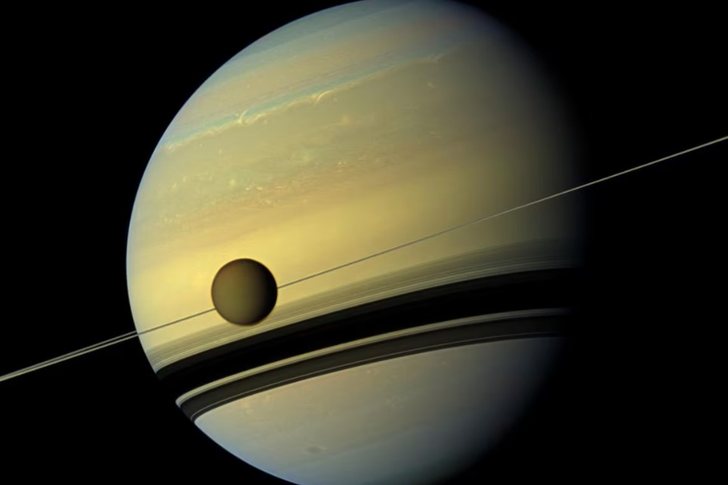
Researchers have uncovered key insights about Saturn's mys...
The white streaks left by planes as they fly high in the s...
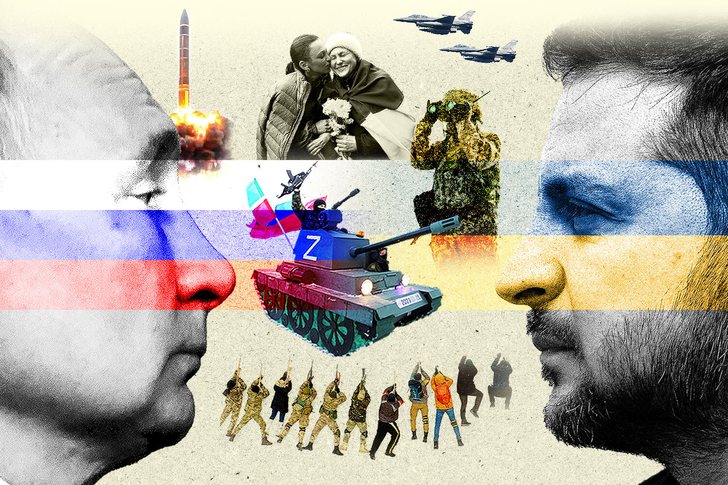
This February 24th marks the fourth anniversary of the Rus...
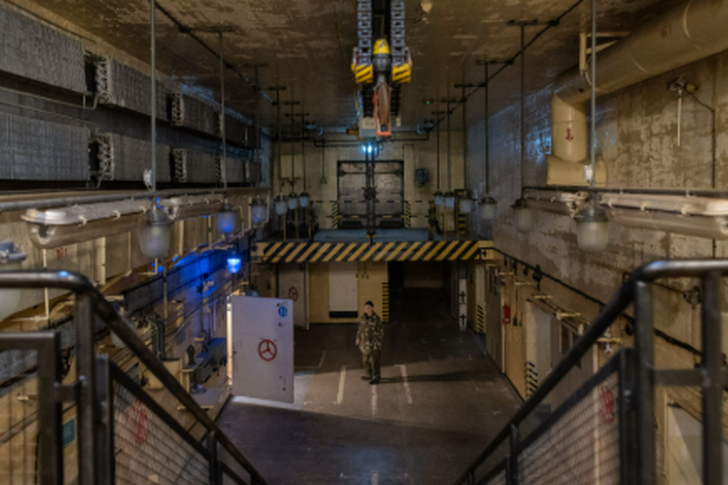
Estonia is building hundreds of bunkers along its eastern ...
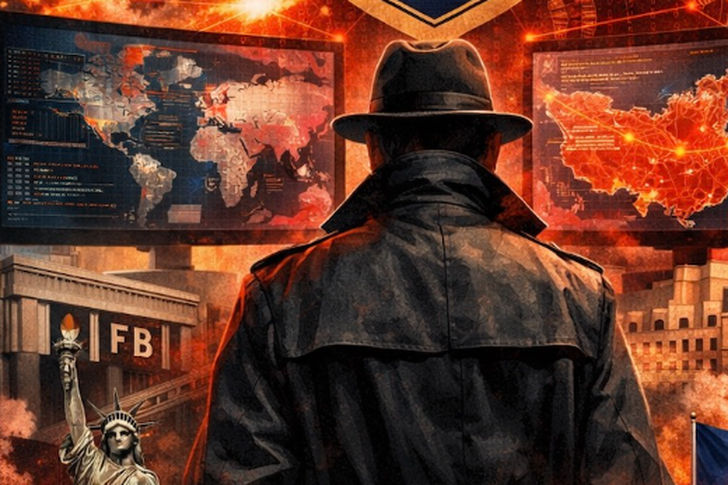
The Chinese MSS, with 800,000 agents and global operations...
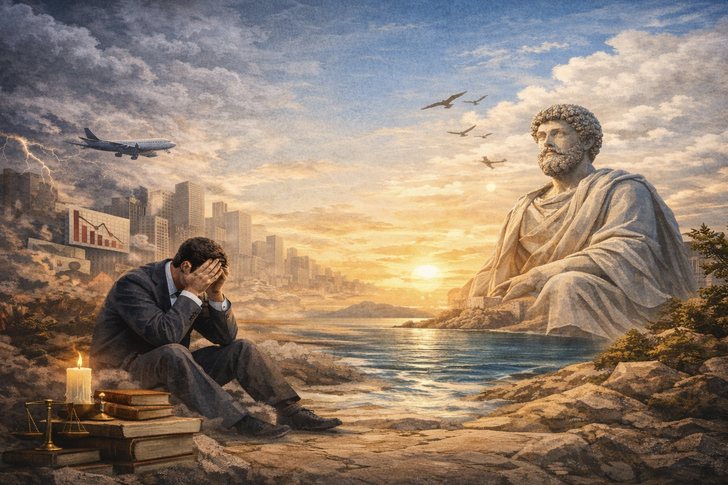
We live in a paradoxical age. Never before has humanity ha...
The psychology of the human mind tells us that there is a ...
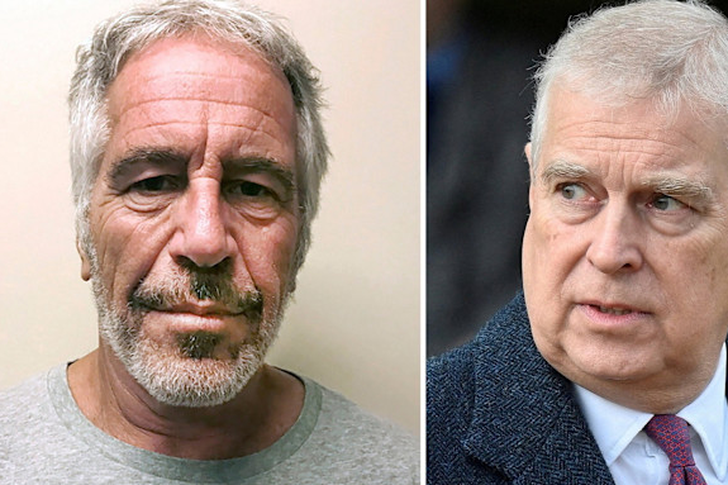
Prince Andrew of the United Kingdom and Jeffrey Epstein me...
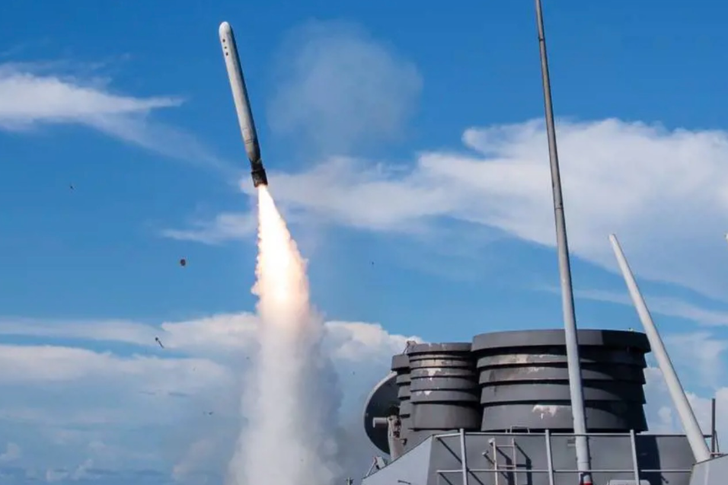
The unprecedented buildup of US forces in the Mediterranea...
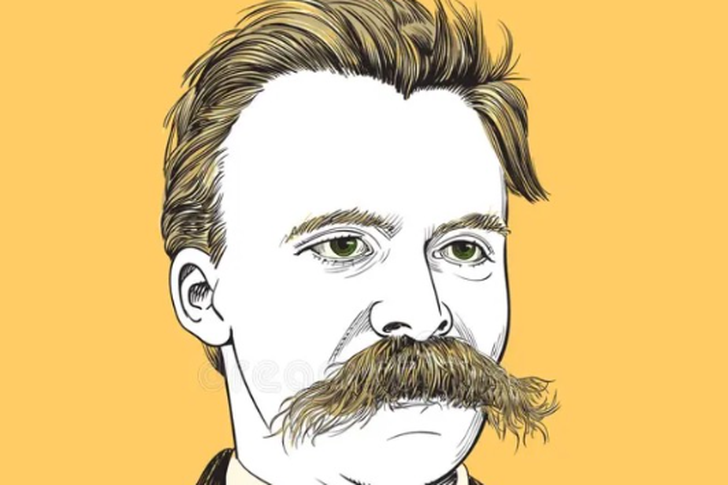
How did Friedrich Nietzsche analyze the origins of moralit...
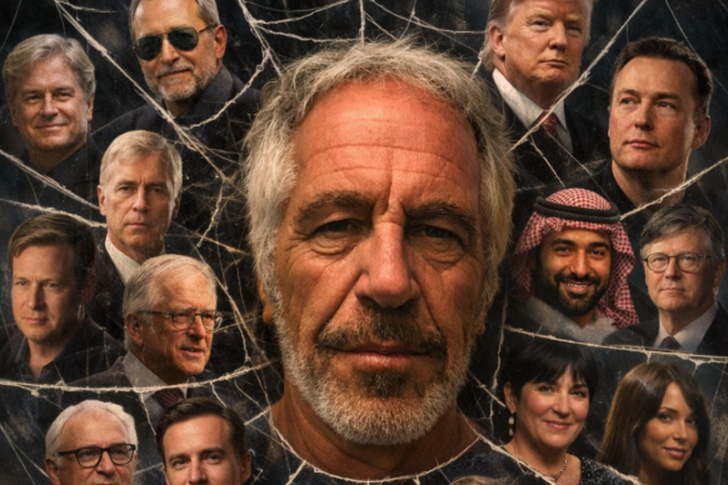
Jeffrey Epstein's network included politicians, billionair...
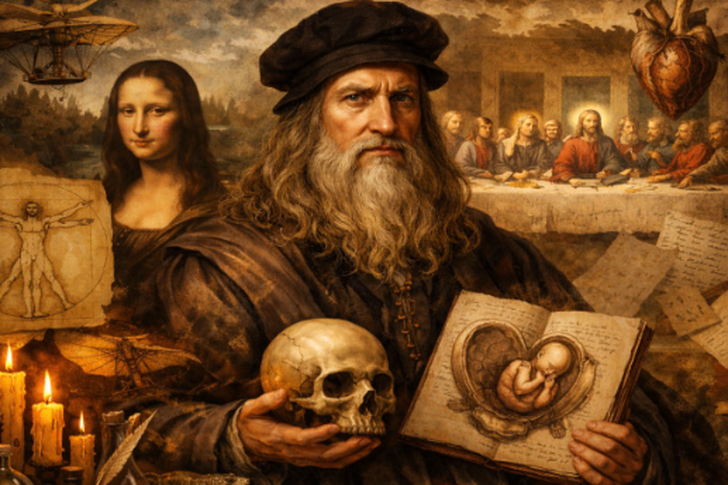
Leonardo da Vinci was not just a Renaissance genius. He wa...
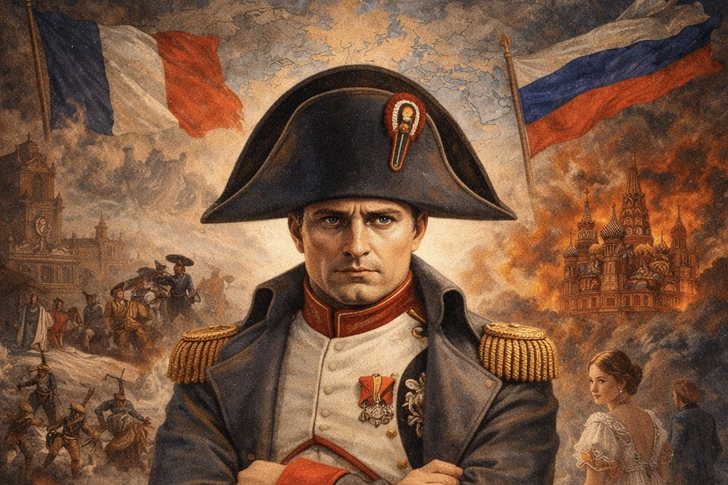
Few people in history have left such a profound mark as Na...

US attack on Iran? The situation seems to be moving toward...
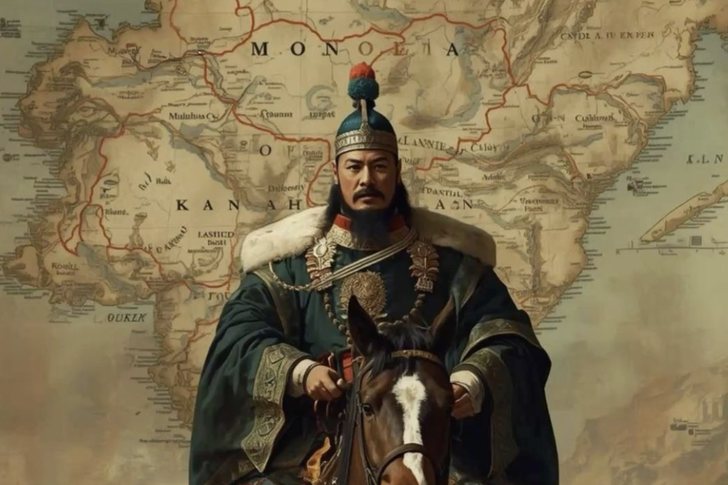
There are figures in human history who are not simply conf...

Many of us live our lives assuming that what we see is the...
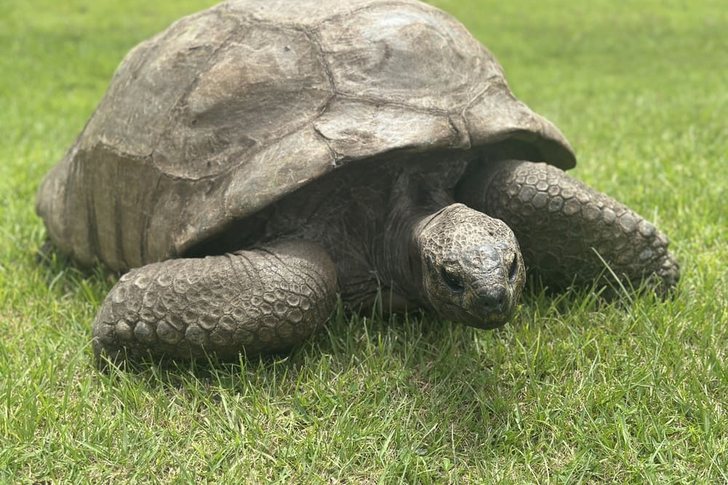
Jonathan, a giant tortoise from the Seychelles, is conside...
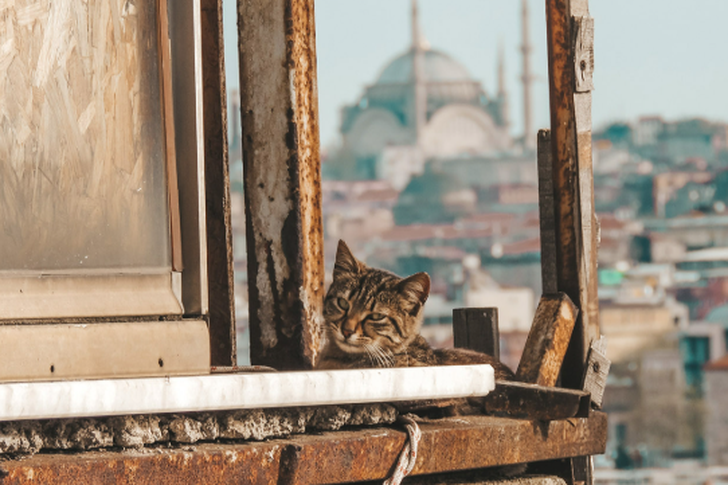
From Ottoman cat "keepers" to modern street watchmen, Ista...

"In the age of Artificial Intelligence, humanity is increa...
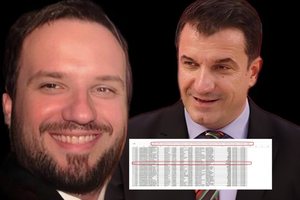
On the morning of July 7, 2026, the Ministry of Culture ur...
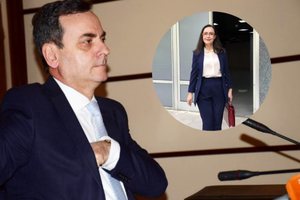
After the disclosure of the portfolio of properties an...

For 6 months now, CNA has been sending several letters to ...
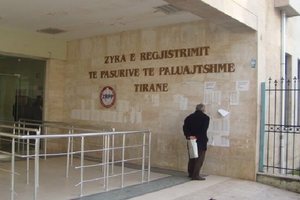
The word "fatherland" with properties is not enough. The m...

The Special Board of Appeal (KPA) decided this Monday ...

The KPA vetting decided this Thursday to dismiss the p...

Suela Salavaçi, a prosecutor in the Prosecutor's Offic...

The Special Board of Appeal reinstated the prosecutor ...
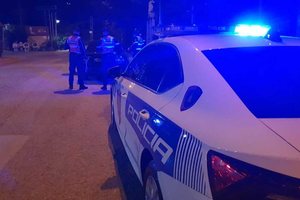
A knife attack occurred this evening in Fushë-Krujë. Acco...

A 44-year-old man in Saranda has been seriously injured af...
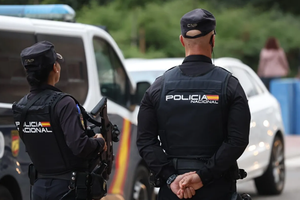
Spanish police have acted on an Albanian-Spanish criminal ...

New details have been revealed regarding the murder of Egl...

In Albania, in 2024, 8,911 beds were available in public h...
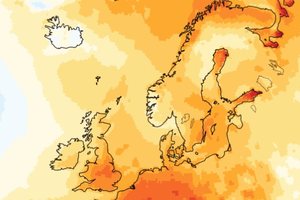
Albania was included in the band of above-normal temperatu...
Today, our country will be affected by mainly stable weath...
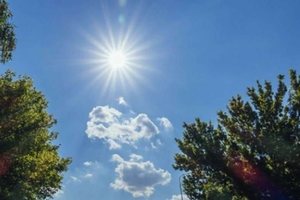
Today, our country will be affected by mainly stable weath...
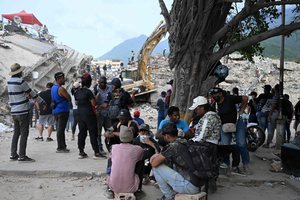
The death toll from two powerful earthquakes that struck V...

Oil prices rose to their highest levels in a month after t...

Iran has reacted to US President Donald Trump's statements...

Counter-terrorism police have taken control of the investi...

The ninth edition of "MIK Festival" kicked off with one of...
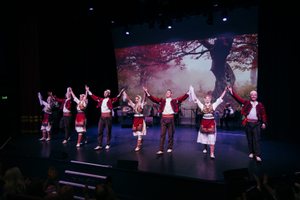
A historic evening for Albanian culture was marked in the ...

When I turned 10, another building was built in front of o...
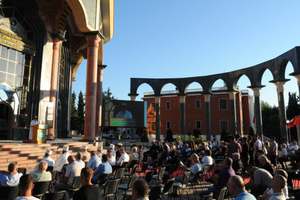
A special scientific conference was held by the World Bekt...

The tax administration has announced the completion of the...
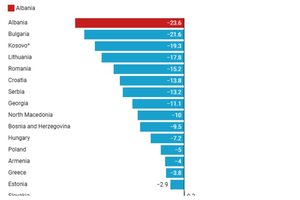
Albania has lost almost a quarter of its population since ...
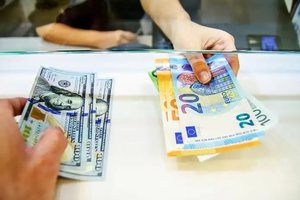
This Monday, one US dollar is bought for 81.5 lek and sold...

This Sunday, one US dollar is bought for 81.5 lek and sold...