

Trump wins and leaves?/ The dangerous game in the Middle East
Donald Trump announces that he has "wiped Iran off the map...


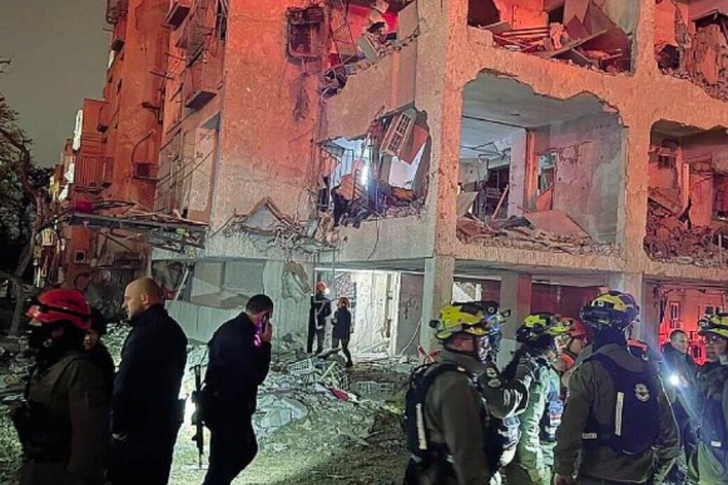
In Beirut, the capital of Lebanon, an Israeli strike this week brought down an entire building. Israel certainly keeps one eye on Iran, its biggest regional enemy for decades. But as that war rages, it also keeps another eye on Hezbollah, a loyal proxy of the Iranian regime, just across its northern border.
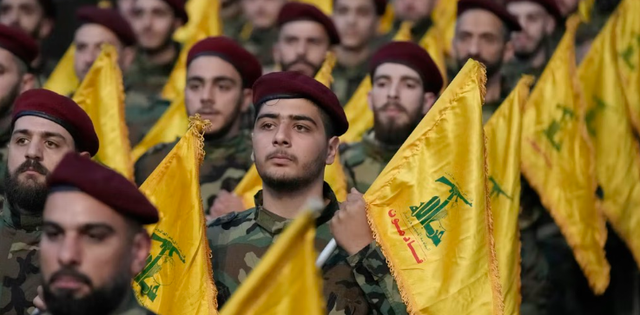
Hezbollah has been weakened, its leadership has been thinned, and now its backer, Iran, is involved in the war. So far, more than 900 Lebanese have been killed by Israeli bombing. Another million have fled the country's south.
Bezalel Smotrich, the Israeli finance minister, promised that Dahijeh, a southern suburb of Beirut, will look like Khan Yunis in Gaza when it's all over.
Let's be clear: no one will allow Hezbollah to come out of this alive.
Sami Gemayel, one of the most prominent Christian leaders in Lebanon, sees this as a defining moment.
People need to understand that Hezbollah is not an ally of Iran. Hezbollah is not a friend of Iran.
Hezbollah is a product of Iran.
The question is: who should deal the final blow to this group? And what cost will the country and its people pay?
Once again, Lebanon has been drawn into war. But this time, the feeling is very different.
In the first 24 or 48 hours of the Iran war, you could see a real anger, a great rage against Hezbollah all over the country. Even people within their own community were asking publicly: why did you drag us into another war? We wanted nothing to do with this US-Israeli attack on Iran.
And here we are. Now, Israel is hitting the whole country. However, within a few days, a kind of “uniting around the flag” effect was also seen.
The Israeli attack was so big, the displacement of people so widespread, and that touched a sense of Lebanese patriotism. So that dynamic is changing. But I think the overriding feeling is that people in Lebanon are tired of the war. But part of that is also the fact that they are tired of Hezbollah, right?
Hezbollah has for years presented itself as a state within a state. It fought a war against Israel in 2006, which it considered a victory. In the south, it provides social services, runs schools. But this “social contract” has weakened greatly in recent years. It has not been able to rebuild anything in the south since the last war in 2024.
Due to the problems in Iran, there was no longer any funding to provide these services.
Question marks over Hezbollah
And in recent weeks, it has been called into question even more, as it has dragged Lebanon into this regional conflict. This looks like a very different conflict. It looks like a conflict that will completely change the makeup of Lebanon, of Hezbollah, and the future of the region.
And there is a sense that Israel's intentions are expanding, that this could lead to a ground offensive.
Israel has not yet decided to launch a deeper offensive. There are over 100,000 Israeli troops massed on the southern border and the IDF has made incursions on the Lebanese border. The main question is: how far will Israel go?
Between 1982 and 2000, Israel occupied about a third of Lebanon. It was a disastrous invasion that led to the rise of Hezbollah. And given the rhetoric coming from Israel, the number of troops on the border, and the fact that Israel has begun bombing bridges over the main river, the concern that has gripped many Lebanese is that Lebanon could once again face a prolonged Israeli occupation.
And the idea for Israel is that Hezbollah is weak and this is the moment to strike.
From Israel's perspective, this could be the final war. Hezbollah has been weakened to a level never seen before. When you talk to politicians in Beirut and diplomats, you get the feeling that this war will not end with a ceasefire. It will end with victory and defeat for one side.
There is also the question of the role that the Lebanese government is playing. For years, the idea of ??the Lebanese government confronting Hezbollah, disarming it, taking away its weapons, has been not only taboo, but also dangerous.
People have been killed and executed for talking about Hezbollah's weapons. And now this is on the table. A week ago, when Hezbollah launched a barrage of rockets that drew Lebanon into this regional war, the Lebanese government reacted strongly.
She clearly stated that her goal now is to disarm the group.
This is an armed group with tens of thousands of fighters, advanced missiles, and that receives hundreds of millions of dollars every year from Iran. A very powerful and dominant actor within Lebanon, and in many cases stronger than the state itself.
And in recent weeks what we have seen is a shifting of the boundaries of acceptability in Lebanon, with a government speaking out about Hezbollah in a way that would have been unimaginable just a few months ago.
And how will the Lebanese government cope with Hezbollah at this stage? Beyond the fact that it has been taboo, can it make it happen?
There are two factors here. One is the political will, and the other is the capacity to do so.
The political will is what has changed in recent weeks. There is a growing awareness that the military must do something, must restore sovereignty.
But the issue is capacity. The Lebanese army is one of the few functional inter-sectarian institutions in the country. But it has been hit hard by the financial crisis in recent years.
Soldiers earn about $200 a month. Many report to duty only every two or three days and are allowed to have second jobs to survive.
Do they have the weapons? Do they have the training? It's hard to say for sure.
Even those who are calling for the army to do more do not expect an immediate and full-scale clash between the army and Hezbollah. They are calling for the army to operate in specific areas.
But there is a growing view that if this does not happen, an Israeli invasion is inevitable.
The Lebanese government is already very weak. Its institutions are fragile. And there is a real possibility that the government will be the first victim of a new Israeli occupation.
Could a more serious state effort keep Israel at bay? There is a general desire for the government and the military to do more. Currently, American and French diplomats are trying to find a solution, a diplomatic pause that would give the Lebanese government a last chance. The Lebanese army is supported mainly by the US and France, and to a lesser extent by the United Kingdom.
But there is a sense that this support is no longer guaranteed. Another risk is the sectarian consequences of an Israeli occupation.
If Iran collapses…
Over a million people have been displaced from the south. They are mostly Shia and are moving towards non-Shia areas. This is reopening the sectarian wounds that once led the country to civil war.
This fear of a major confrontation was well summed up by Sami Gemayel: The moment Iran collapses, the next day Hezbollah will come to the table and say: let's rethink the future.
And if Iran survives and Trump makes a deal, then Lebanon is doomed for the next 50 years. For the first time in a long time, the government is mobilizing to do something.
And it is clear: if he does not act, disaster, invasion, awaits him.
But with 100,000 troops on the border, even that may not be enough. Perhaps the fate has already been decided.
But one thing is certain: the time when Lebanon's political leadership could postpone problems for later is over. / bota.al

Donald Trump announces that he has "wiped Iran off the map...

On social media, what seems like the majority opinion is o...

Beyond the official history we know, there is another worl...
Amiens is a historic city with a strong cultural heritage,...

We all know the story. Helen of Troy, the face that launch...
Ayatollah Ali Khamenei, Iran's Supreme Leader since 1989, ...

In recent months, social media has been awash with videos ...
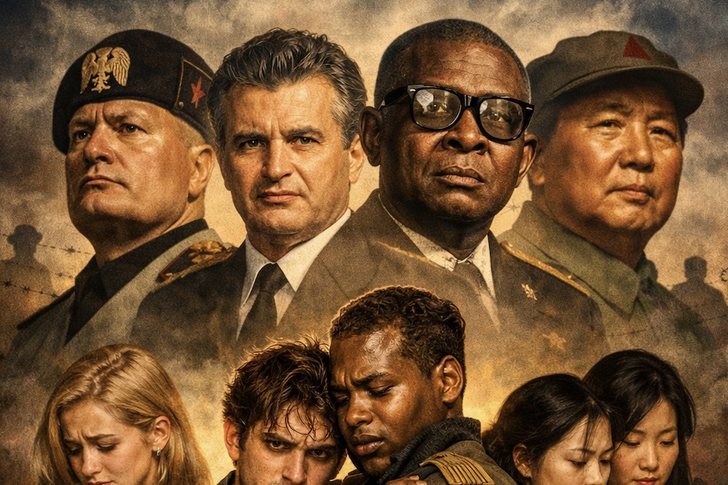
What's it like to grow up as the children of dictators? Am...

Researchers have uncovered key insights about Saturn's mys...
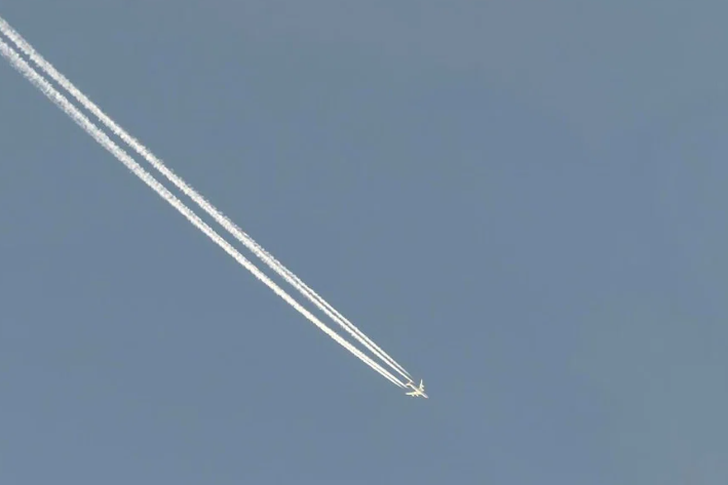
The white streaks left by planes as they fly high in the s...
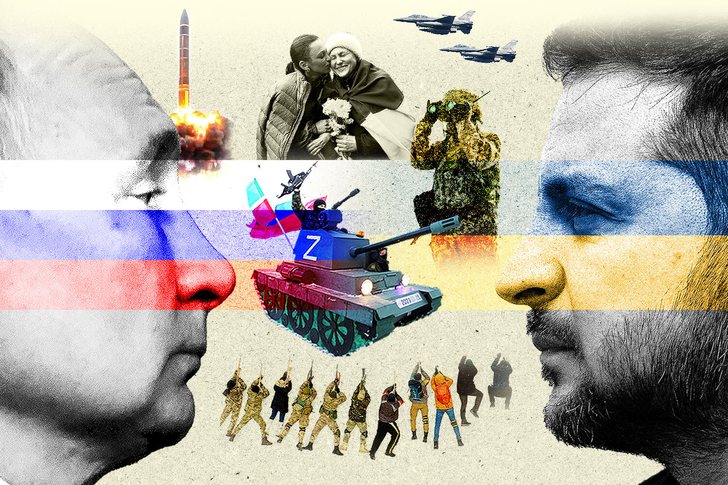
This February 24th marks the fourth anniversary of the Rus...
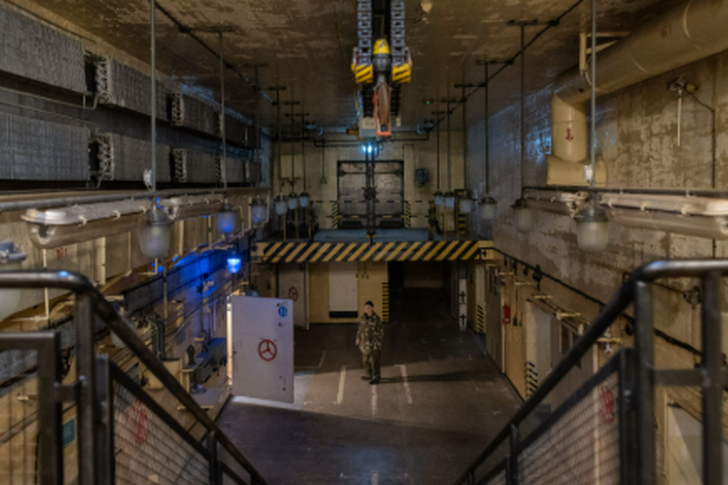
Estonia is building hundreds of bunkers along its eastern ...
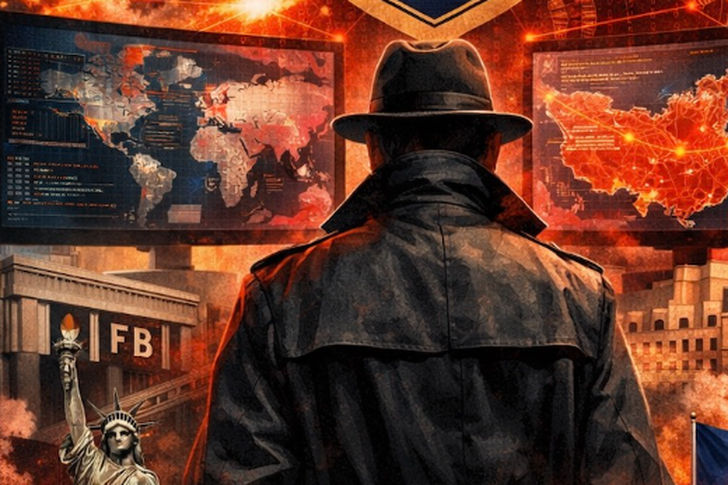
The Chinese MSS, with 800,000 agents and global operations...

We live in a paradoxical age. Never before has humanity ha...

The psychology of the human mind tells us that there is a ...
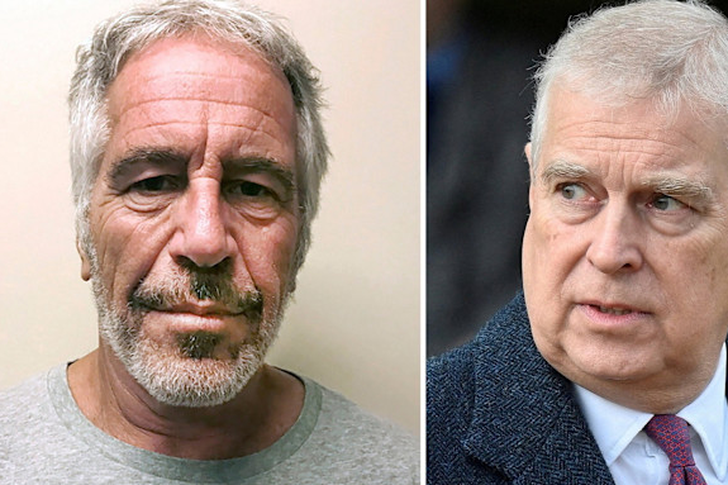
Prince Andrew of the United Kingdom and Jeffrey Epstein me...
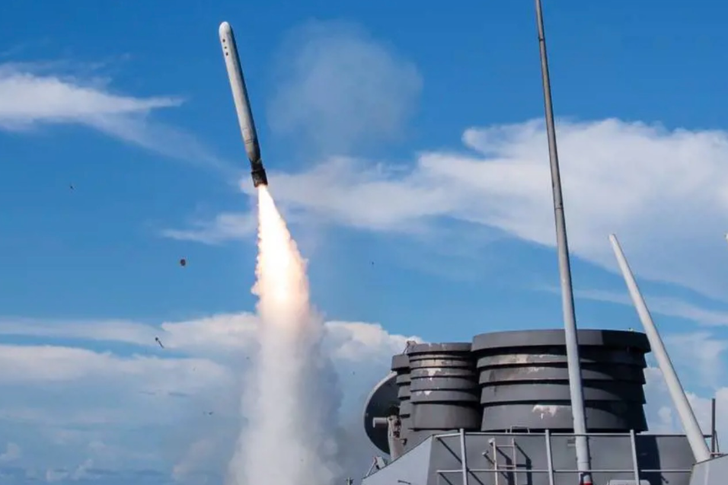
The unprecedented buildup of US forces in the Mediterranea...

How did Friedrich Nietzsche analyze the origins of moralit...
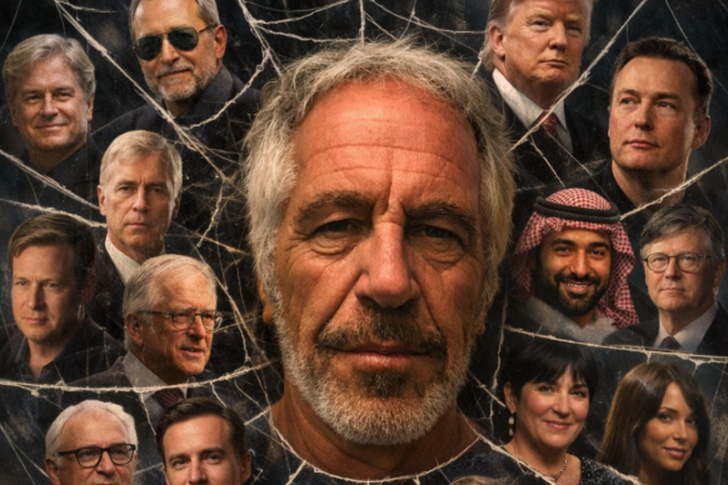
Jeffrey Epstein's network included politicians, billionair...

Leonardo da Vinci was not just a Renaissance genius. He wa...

On the morning of July 7, 2026, the Ministry of Culture ur...

After the disclosure of the portfolio of properties an...

For 6 months now, CNA has been sending several letters to ...
The word "fatherland" with properties is not enough. The m...

The Special Board of Appeal (KPA) decided this Monday ...

The KPA vetting decided this Thursday to dismiss the p...

Suela Salavaçi, a prosecutor in the Prosecutor's Offic...

The Special Board of Appeal reinstated the prosecutor ...

A knife attack occurred this evening in Fushë-Krujë. Acco...

A 44-year-old man in Saranda has been seriously injured af...

Spanish police have acted on an Albanian-Spanish criminal ...

New details have been revealed regarding the murder of Egl...

In Albania, in 2024, 8,911 beds were available in public h...

Albania was included in the band of above-normal temperatu...

Today, our country will be affected by mainly stable weath...

Today, our country will be affected by mainly stable weath...
The death toll from two powerful earthquakes that struck V...

Oil prices rose to their highest levels in a month after t...
Iran has reacted to US President Donald Trump's statements...
Counter-terrorism police have taken control of the investi...

The ninth edition of "MIK Festival" kicked off with one of...

A historic evening for Albanian culture was marked in the ...

When I turned 10, another building was built in front of o...
A special scientific conference was held by the World Bekt...

The tax administration has announced the completion of the...
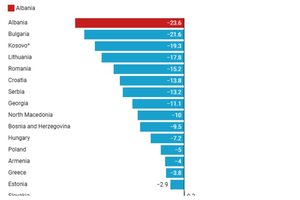
Albania has lost almost a quarter of its population since ...

This Monday, one US dollar is bought for 81.5 lek and sold...

This Sunday, one US dollar is bought for 81.5 lek and sold...