


Why you should surround yourself with people you can talk to and how it changes your life
There are people who are part of our lives every day… and ...


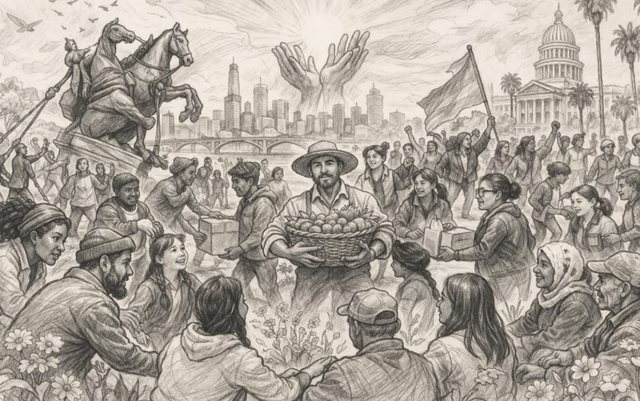
Often, very often, we commemorate history by exalting a single individual, with a statue, or by naming a place or holiday after him.
Some statues have been toppled, in some cities in the United States those of General Robert E. Lee have been replaced with others dedicated to anti-slavery activist Harriet Tubman, but Republicans are trying to reverse this trend.
Most recently, the Trump administration placed a statue of Christopher Columbus on the White House grounds, a replica of the one that was thrown into the waters of Baltimore Harbor in 2020, during the Black Lives Matter movement's protests against racism and colonialism.
Maybe the age of heroes is coming to an end.
This year, Jon Wiener, the director of The Nation magazine, has nominated the city of Minneapolis for the Nobel Peace Prize, for the courage and solidarity of its citizens in opposing ICE.
Winning the Nobel Prize is a distant possibility, but residents of Minneapolis and St. Paul have already received the Profile in Courage award, named after John F. Kennedy, “for risking their lives in defense of their neighbors and immigrant communities.”
On March 31, California celebrated Farmworkers Day for the first time, a holiday hastily declared by the state legislature following revelations of sexual abuse committed by César Chávez, the famous farmworker union leader.
Perhaps we are realizing that often the hero is the collectivity, the movement, the community, and that singling out an individual to sanctify them doesn't work. Many people who have become heroes during their lives have done things for which they didn't deserve that recognition.
But even when their lives are impeccable, the world doesn't change just because of individuals. Sometimes one person, a writer, a preacher, a visionary, inspires the masses. Sometimes he works with a group. These people are often called leaders, but I consider them catalysts.
To call someone a leader is to implicitly consider everyone else as a follower. Followers obey, like a herd, while in many revolts and movements, everyone has chosen to be there.
The word "leader" probably comes from a time when military commanders led troops into battle. However, almost all of the changes of recent decades have not been achieved with weapons.
The engine of most democratic movements is made up of people participating in decision-making. At this moment, we are trying to defend democracy, and democracy within movements is essential.
“Aquí manda el pueblo y el gobierno obedece,” here the people command and the government obeys, was a slogan of the Zapatistas, indigenous revolutionaries who rose up in southern Mexico in 1994. A catalyst is someone who knows how to motivate people and hold a group together. But there is no catalyst if there is no population to catalyze, to direct them towards a community or a movement. The Nobel Prize in recent decades has often been awarded to collective organizations, such as the Center for Civil Liberties (founded in Kiev), the World Food Program, and the Intergovernmental Panel on Climate Change (during the time of Al Gore).
I've always thought that Hollywood action movie heroes give people the wrong idea about how change is achieved. They're often muscular or heavily armed men whose only talent is hand-to-hand violence.
It's clear that people in the Trump administration have seen a lot of these films: Defense Secretary Pete Hegseth and FBI Director Kash Patel seem to believe that their subordinates should focus on hand-to-hand combat.
Patel has even invited several UFC fighters, the American mixed martial arts organization, to "train" FBI agents.
Minneapolis' heroes have not resorted to violence: they faced armed invaders in bitter cold conditions, day after day, and continue to deliver food to people who cannot leave their homes, accompanying their children to school.
They have had a huge impact on protecting their neighborhoods. And, like people in Los Angeles, Charlotte, Chicago, and Memphis, they have become an inspiration to everyone else.
Although Farmworker Day was born out of an unfortunate circumstance, it is a useful thing to do in California, where most farmworkers are immigrants, just like the people being persecuted by ICE. It would be fitting to erect a monument to the unknown farmworker, or rather to the millions of workers who have been over the years. Dedicating a day to them would be a start.
Rebecca Solnit is an American writer / The Guardian – bota.al

There are people who are part of our lives every day… and ...
On April 9, history has recorded significant events around...
The 2026 FIFA World Cup will take place from June 11 to Ju...
The billionaire who revitalized Brooklyn's waterfront went...
When I first visited Kiev in May 2023, the Ukrainian capit...
Often used interchangeably, the concepts of “state” and “n...
The Silent Generation, the generation born between the 192...

The consumption of pork is one of the most controversial t...
From Vietnam to Afghanistan, to Iran and Ukraine. When con...
History is not always changed by big decisions or well-tho...
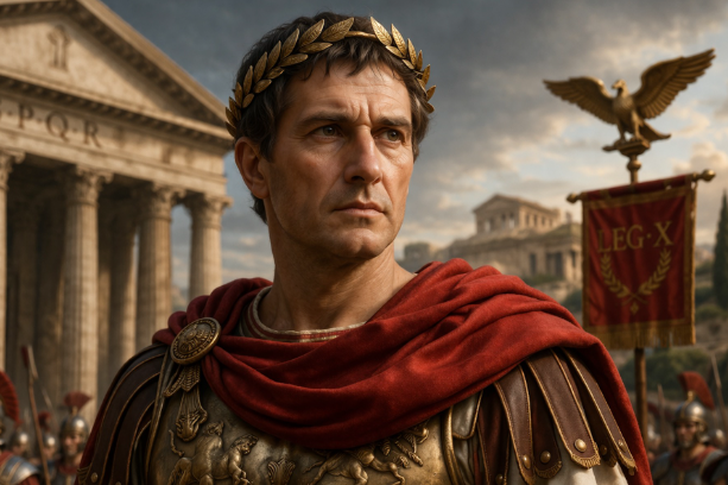
Julius Caesar is not just a name in the history books. He ...

The dog is perhaps the only species on the planet that has...
Many people do not regret the mistakes they made in life, ...

Success is rarely a coincidence. In most cases, it is the ...
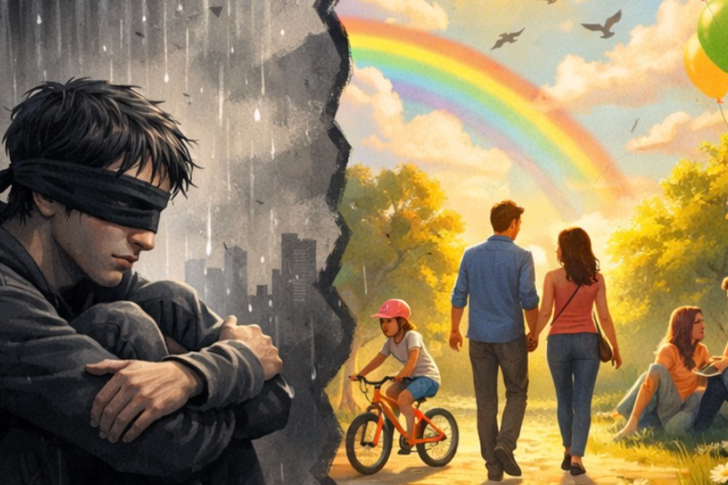
Depression is not just a bad day. It is not even a tempora...
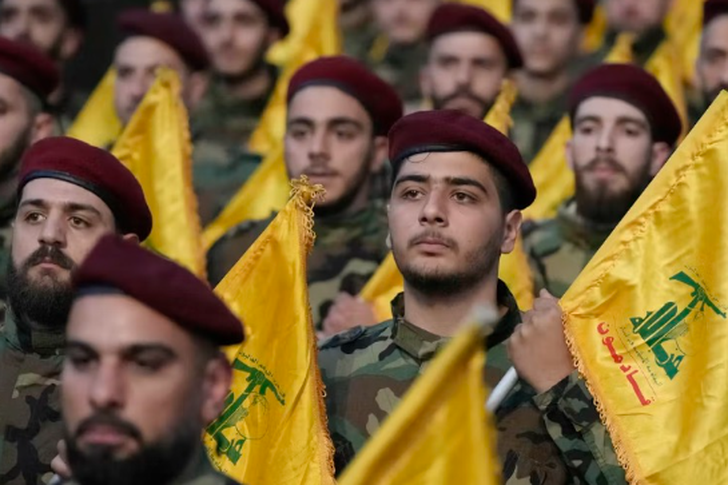
In Beirut, the capital of Lebanon, an Israeli strike this ...
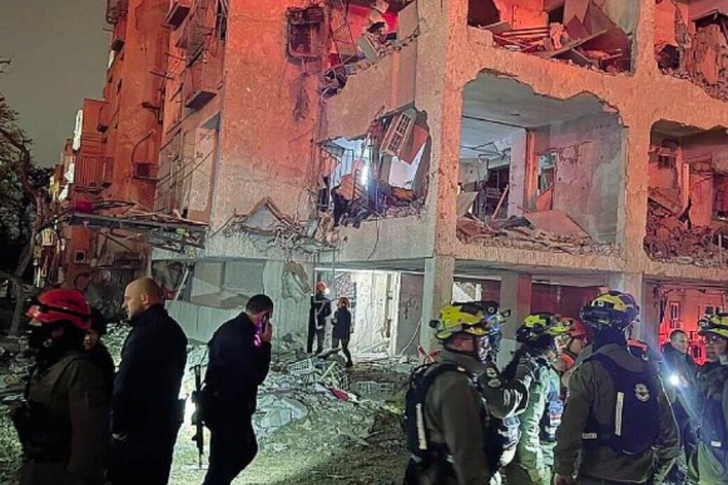
Donald Trump announces that he has "wiped Iran off the map...
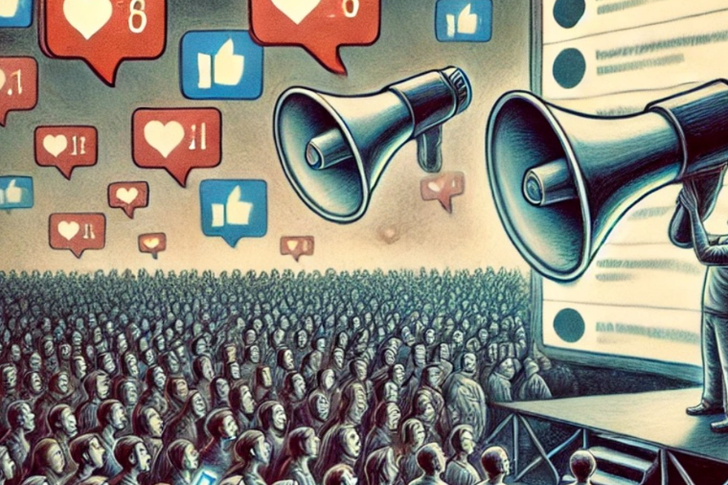
On social media, what seems like the majority opinion is o...

Beyond the official history we know, there is another worl...
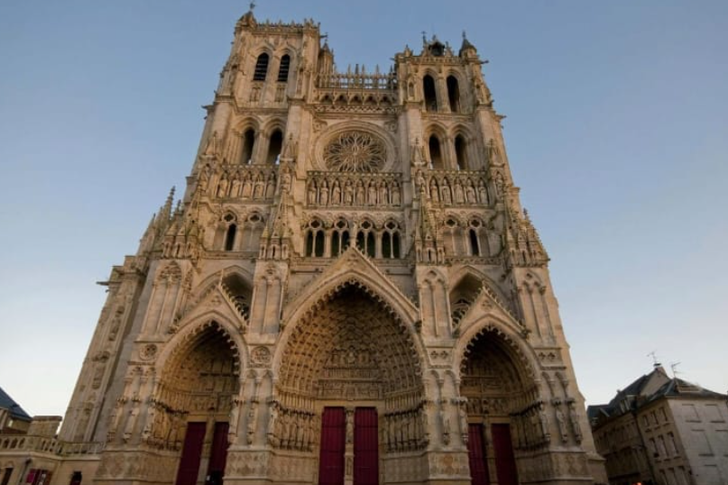
Amiens is a historic city with a strong cultural heritage,...
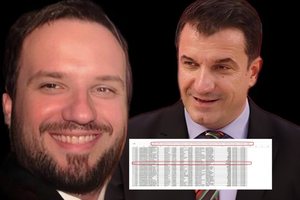
On the morning of July 7, 2026, the Ministry of Culture ur...
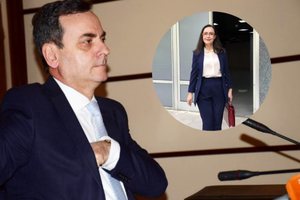
After the disclosure of the portfolio of properties an...

For 6 months now, CNA has been sending several letters to ...
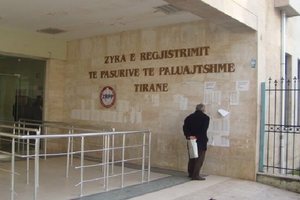
The word "fatherland" with properties is not enough. The m...

The Special Board of Appeal (KPA) decided this Monday ...

The KPA vetting decided this Thursday to dismiss the p...

Suela Salavaçi, a prosecutor in the Prosecutor's Offic...

The Special Board of Appeal reinstated the prosecutor ...
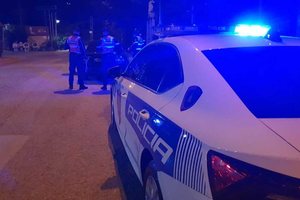
A knife attack occurred this evening in Fushë-Krujë. Acco...

A 44-year-old man in Saranda has been seriously injured af...
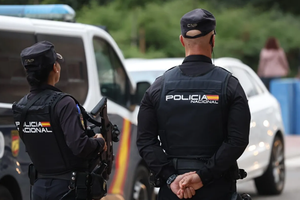
Spanish police have acted on an Albanian-Spanish criminal ...

New details have been revealed regarding the murder of Egl...

In Albania, in 2024, 8,911 beds were available in public h...
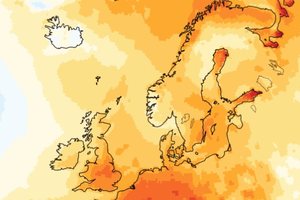
Albania was included in the band of above-normal temperatu...
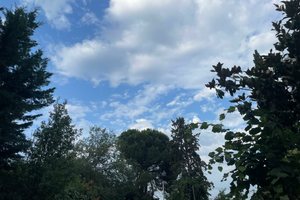
Today, our country will be affected by mainly stable weath...

Today, our country will be affected by mainly stable weath...
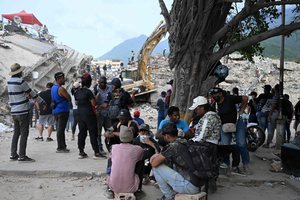
The death toll from two powerful earthquakes that struck V...

Oil prices rose to their highest levels in a month after t...

Iran has reacted to US President Donald Trump's statements...
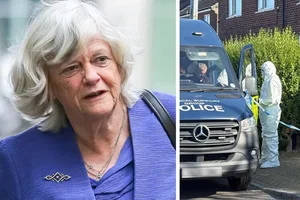
Counter-terrorism police have taken control of the investi...

The ninth edition of "MIK Festival" kicked off with one of...

A historic evening for Albanian culture was marked in the ...

When I turned 10, another building was built in front of o...
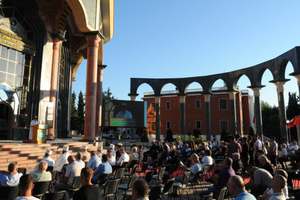
A special scientific conference was held by the World Bekt...

The tax administration has announced the completion of the...
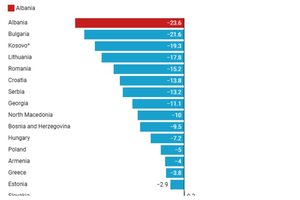
Albania has lost almost a quarter of its population since ...
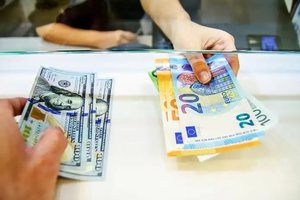
This Monday, one US dollar is bought for 81.5 lek and sold...

This Sunday, one US dollar is bought for 81.5 lek and sold...