

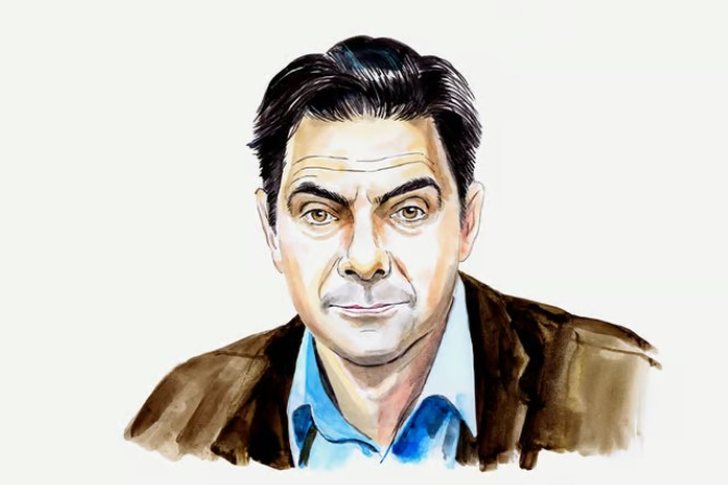
Only a steady decline in oil prices will topple Vladimir Putin's regime
President Vladimir Putin has boasted about the strengt...


In December 1949, 2 months after the founding of the People's Republic of China, Mao Zedong went to Moscow to meet his Soviet counterpart, Joseph Stalin. But instead of welcoming the Chinese leader as a victorious comrade-in-arms, Stalin lectured Mao on how to lead his nation.
He then made her wait 17 days in a country house outside the Soviet capital before they met again. "I got so angry with him that I once slammed my fist on the table," Mao later told a Soviet ambassador.
Seven decades later, the balance of power has shifted. After the collapse of the Soviet Union, the rise of China as an economic superpower, and Vladimir Putin's invasion of Ukraine, it is Beijing that has the upper hand in the bilateral relationship, and Russia's future depends on it.
When Xi Jinping arrived in Moscow for a 3-day visit at the end of March, Putin welcomed him with a grand ceremony, with guards in imperial uniforms, and in the most luxurious hall of the Grand Kremlin Palace. The message to everyone, in Russia and abroad, was this: we Russians are not alone, China is still with us, and our friendship could not be closer than this.
But the global political panorama has also changed. Just as Stalin and Mao came together over the perceived threat of Western imperialism to form the Sino-Soviet alliance in 1950, despite their differences, Xi and Putin are today in an alliance over what they they perceive it as a new epochal war against the West.
Russia's war in Ukraine has harmed Chinese interests. Because it has strengthened Western alliances, complicated Beijing's relations with Europe, slowed global economic growth and spurred Japan's rearmament. But for Xi these are secondary problems.
His biggest concern is the competition with the United States and its allies, which he says will determine the future of the global order. Before going to Moscow, he attacked what he called "all-out containment, encirclement and suppression" of China by Western countries.
Above all, he needs Putin as a partner in this fight. This time there is no formal alliance between Putin and Xi. And the socialist ideology that once connected Stalin and Mao is gone. However, this could make the new Sino-Russian alliance stronger.
Both of these powers are no longer competing for leadership of the global communist movement, and have learned from their violent separation in the 1960s—which culminated in border skirmishes between Chinese and Soviet soldiers in 1969—that it is better to be good neighbors rather than vicious enemies.
But despite the "boundless" partnership announced by the two leaders in Beijing in February 2022 before the war in Ukraine, the past year has shown that there are in fact some limits to this relationship, which is very unequal. But on the other hand it is resilient.
There is no reason to believe that Xi is preparing to distance himself from Putin, or to pressure him to end his war against Ukraine. Because even now that Putin is wanted by the International Criminal Court for war crimes, including the illegal deportation of children, Xi is showing no hesitation in standing by him, and praising the personal friendship between them.
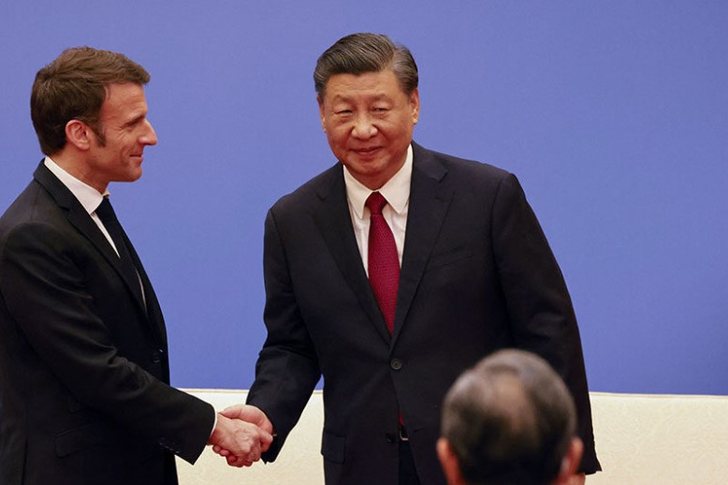
At the end of the March summit, the two men were filmed walking together to the Chinese leader's car, where Xi addressed Putin in front of the cameras. "Changes are happening now, which we have not seen for 100 years. And we are the ones who drive these changes together," Xi told him, smiling as they shook hands.
But that doesn't mean Putin and Xi agree on exactly what a new world order should look like. China's rise has been fueled by its integration into global markets, while Russia's approach to foreign policy is increasingly based on 19th-century concepts of great power.
Beijing wants to reform the existing system in its favor, not its complete destruction. It is therefore becoming increasingly difficult to ignore the growing asymmetry between them. The question is how far the Chinese are willing to push their advantage at Russia's expense.
For example, Moscow has long been wary of Beijing's claim to be a "near-Arctic" power. It has also refused to supply the Chinese military with some of its most advanced weapons systems. But under conditions of reduced influence, Moscow may soon be forced to concede ground to China on both issues.
Meanwhile, China has strengthened its presence in the former Soviet republics of Central Asia in recent years. Xi launched his big overseas infrastructure project, the Belt and Road Initiative, in Kazakhstan in 2013, at a time when China has been building a military base in Tajikistan.
"It is clear that there are tensions between China and Russia on certain issues, especially on Central Asia," says Rafaelo Pantucci, researcher at the S. Rajaratnam School of International Studies in Singapore. But on the other hand, both sides have an interest in hiding their differences, at least in public.
"If China uses its influence in a respectful way, addressing Russia's sense of prestige and pride, then the outside world will not know how much pressure China is exerting behind the scenes. This is not her preferred course of action.
But because Russia doesn't have many options available, it will have to accept China's growing role in the Arctic and Central Asia, as well as its growing dominance over the technological landscape," says another analyst Aleksandet Gabuev.
The real problems can only begin if China begins to show its growing superiority over Russia, and the Putin regime is forced to make humiliating concessions to Beijing. And in this respect, there are some obvious limits on the collateral damage that China is prepared to suffer in the service of Putin's imperialist ambitions.
As with the annexation of Crimea in 2014, China does not recognize Russia's claim to annex 4 more regions of Ukraine in 2022. On the other hand, while China has increased general trade and exports of dual-use technology (which can be used in both civilian and military equipment) with Russia, such as semiconductors, major Chinese companies have so far avoided openly violating international sanctions.
When Putin boasted during his summit with Xi that they were close to reaching an agreement on the construction of the new Power of Siberia II gas pipeline, Xi said nothing. "China is guided by the principle of self-preservation. China's state-owned oil and gas companies have been cautious about entering into projects that could be vulnerable to sanctions, or long-term contracts that could compromise China's long-term policy of diversifying energy supplies.
Xi may not want Putin to lose the war in Ukraine - worried that a defeat could weaken his hold on power - but he is not prepared to sacrifice the Chinese economy to help Russia win," says Yanmei Xie, geopolitical analyst at the consulting company "Gavekal Research"./ Adapted from CNA.al
Taken with cuts

President Vladimir Putin has boasted about the strengt...
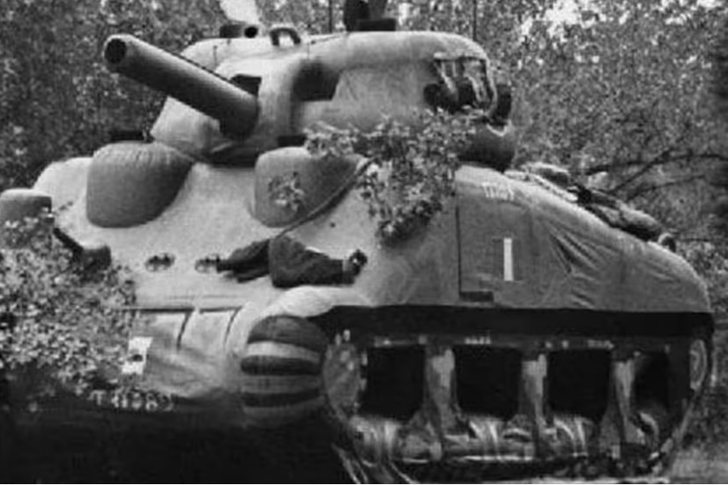
A fake army at war? Yes, there was and was the 23rd divisi...

“Askush nuk mund të kruhet me një pjesëtar të familjes Baj...
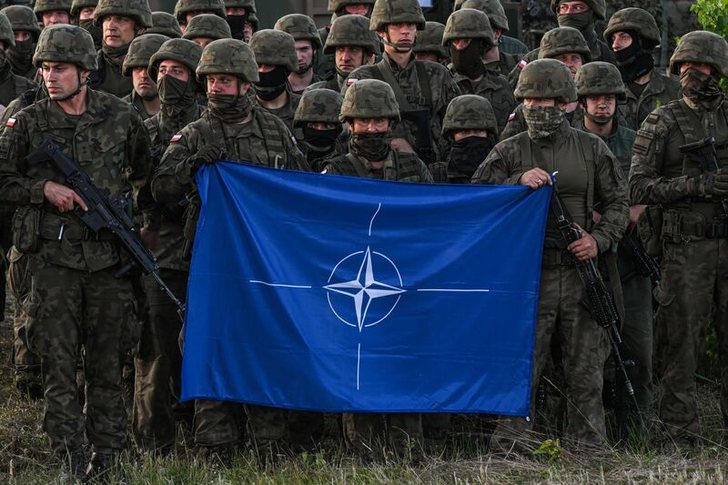
In July, NATO allies will gather in Vilnius for their seco...
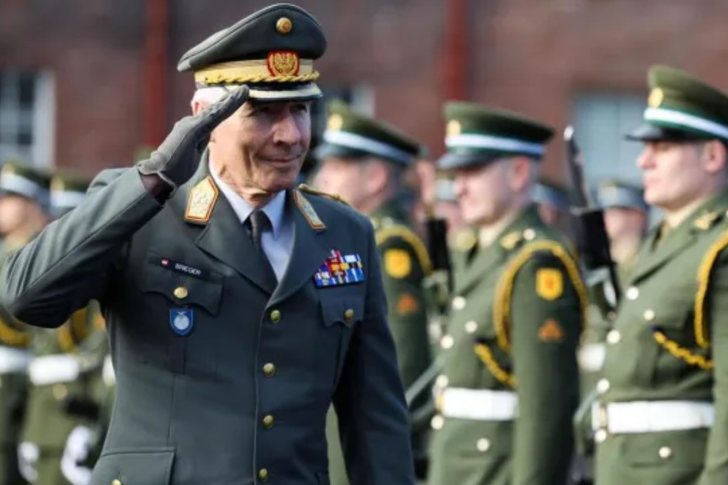
The European Union's soft power approach to problem so...
Ndërmjet formave të ndryshme të mbledhjes së informacionit...
If the West is not united, it will not be able to comp...
There is something powerful about the last words a man...
Two months and two days. November 29, 1948-January 31,...
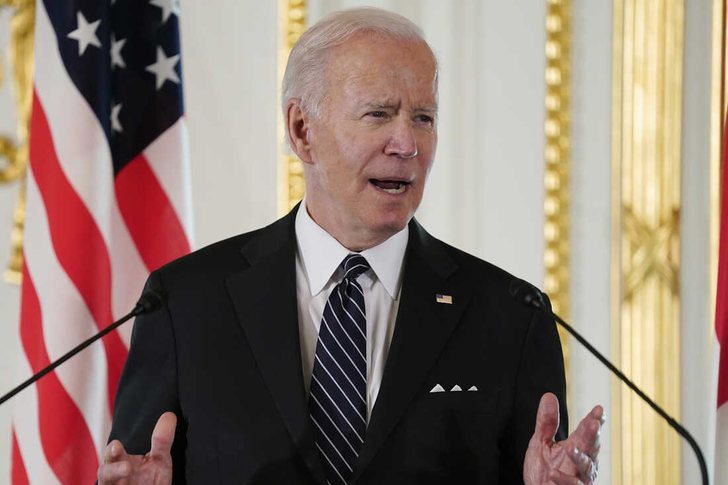
President Joe Biden's public statements about the War ...
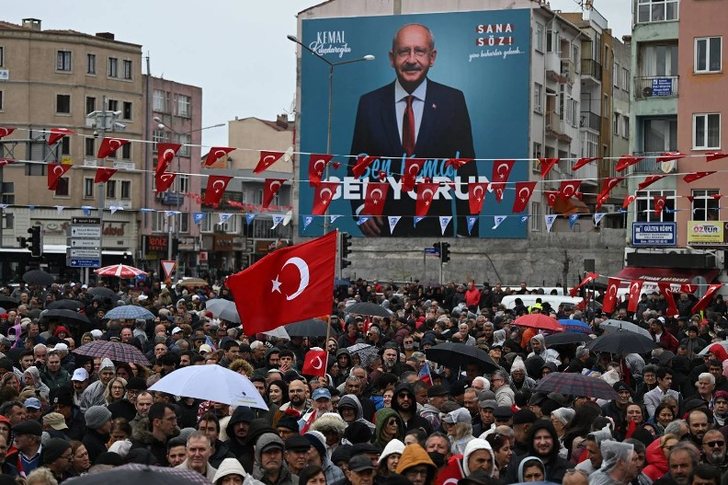
During the 2018 presidential election campaign in Turk...
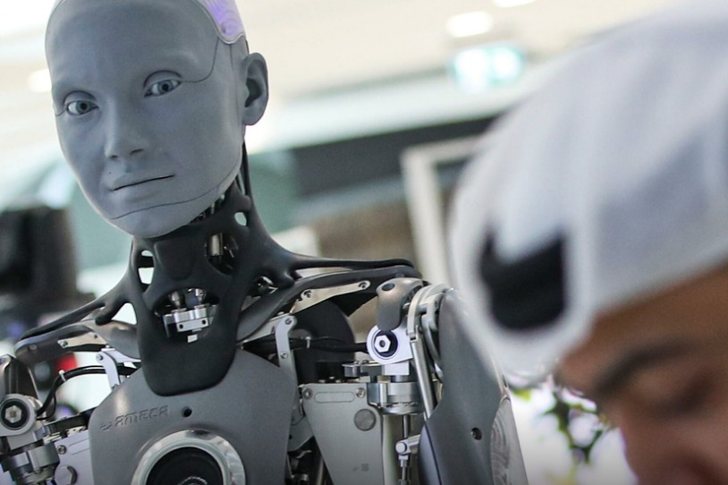
In each of its forms - from anthropomorphic robots to teac...
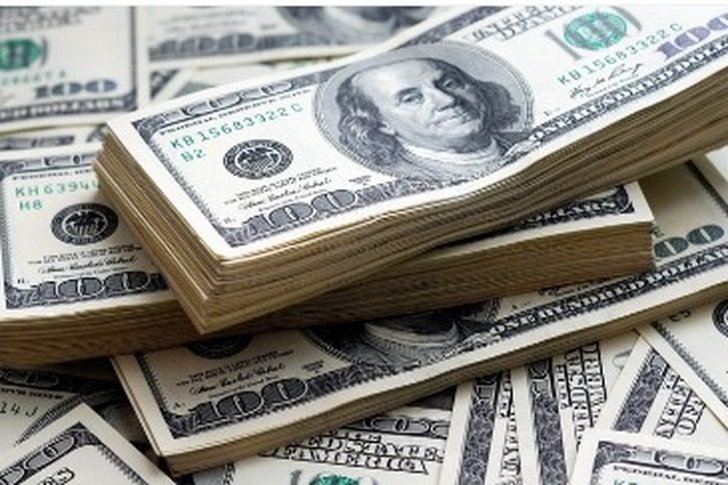
According to one estimate, the dollar is part of 88 percen...

As our planet's climate is getting hotter and hotter, the ...
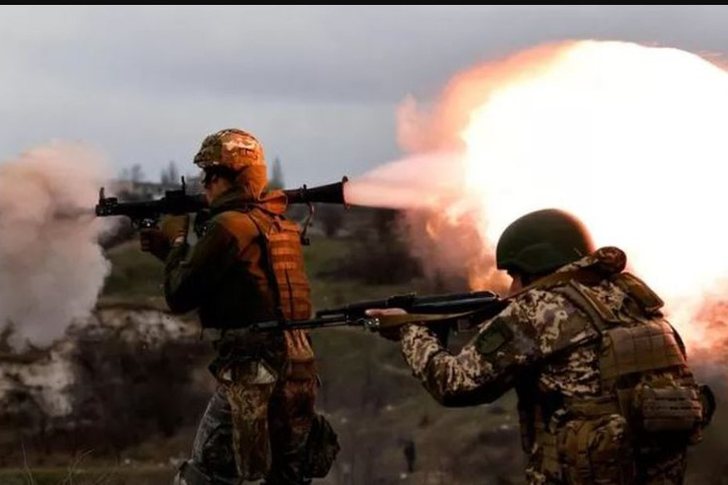
Last week, Russia claimed control of the city of Bakhm...
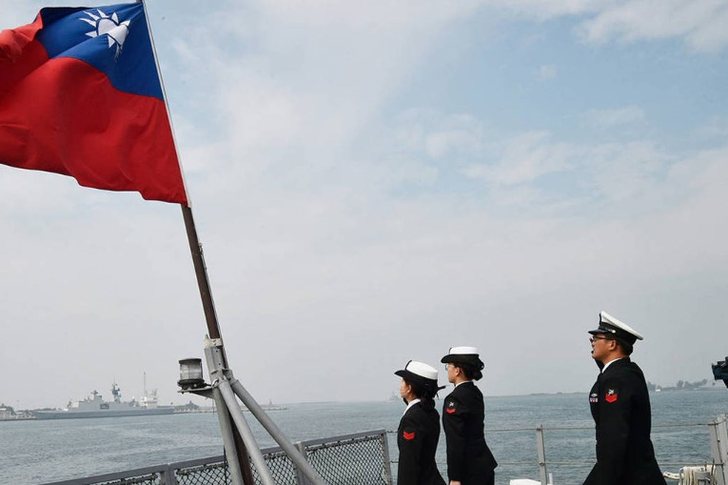
No one seems to know how the United States would react...
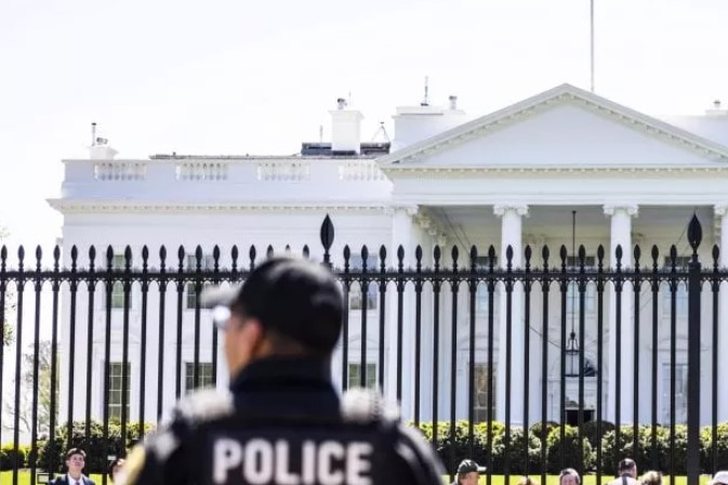
"A domestic spy, possibly recruited by the Russians, i...
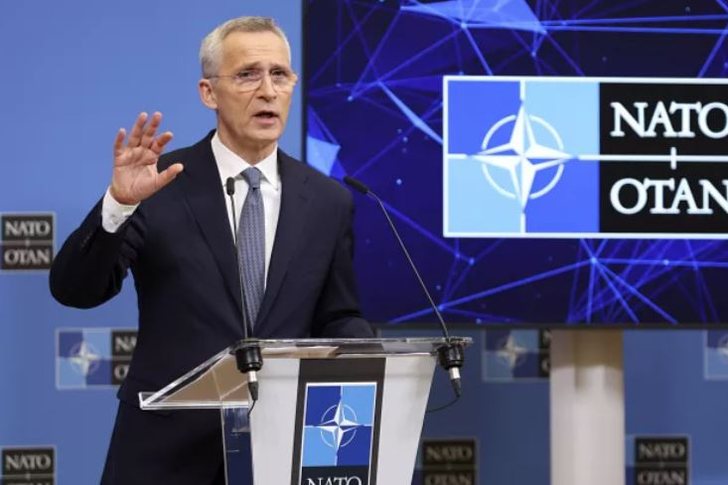
At the beginning of 2022, Jens Stoltenberg, Secretary ...

Easter is one of the most important holidays in the Ch...
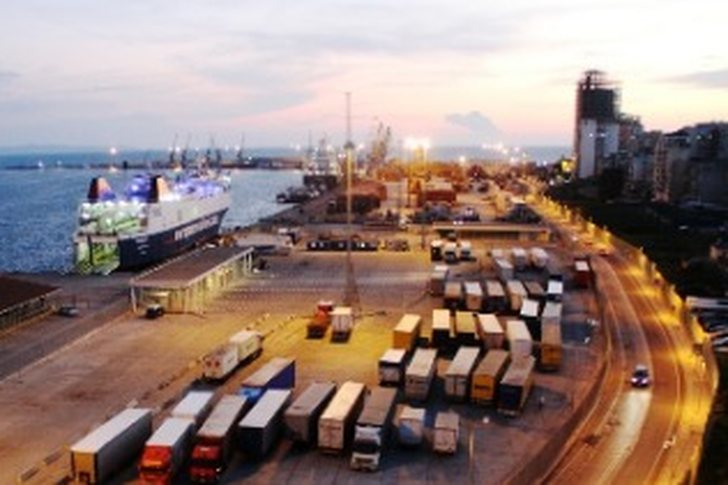
Mafia organizations are increasingly infiltrating European...
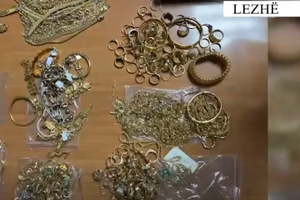
A 39-year-old citizen has been arrested in Lezha, after se...

CNA has launched another investigation that could lead to ...

Irfan Hysenbelliu is a businessman that we call "Irfan the...

In March 2026, CNA launched another investigation centered...

The Special Board of Appeal (KPA) decided this Monday ...

The KPA vetting decided this Thursday to dismiss the p...

Suela Salavaçi, a prosecutor in the Prosecutor's Offic...

The Special Board of Appeal reinstated the prosecutor ...

Several gunshots were reported today in the village of Gjo...

Following the successive operations carried out by the ope...
The Police Supervision Agency has seized the service weapo...

A serious incident occurred in Lushnje, where citizen IY, ...

As the year 2026 is in its second half, the world is exper...

Today, our country will be under the influence of stable a...

By noon, cloudiness is expected to prevail in almost all o...

Children without parental care, for whom alternative famil...
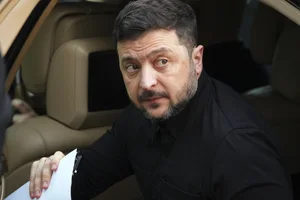
Ukrainian President Volodymyr Zelensky said Russia wants t...
Iran is adapting and enhancing the capabilities of its bal...
Serbia's Minister of State Administration and Local Self-G...
Kazakh President Kassym-Jomart Tokayev shared some critici...
Two windows, a century of history and the metaphysics of p...

In my research at the Central State Archives, specifically...

At a time when industrial products are increasingly taking...

Trust among people is not just a three-syllable word. It c...
This Saturday, one US dollar is bought for 81.7 lek and so...
War, weather and supply disruptions could send gas prices ...
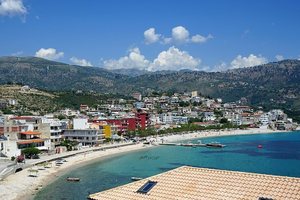
The number of active enterprises in Albania continued to g...
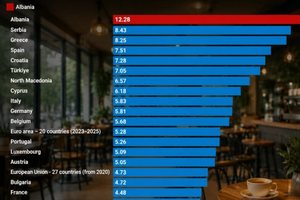
In Albania, the bar-cafe has long become an almost unique ...