


Berisha to British media: Protests, the most important movement of the last 35 years
In an exclusive interview with Truth Times, the opposition...

In an exclusive interview with Truth Times, the opposition...


Obesity surpassed underweight as the most widespread form of malnutrition this year, affecting 1 in 10, or 188 million, school-age children and adolescents and putting them at risk of life-threatening diseases, UNICEF warned in a new report.
Profiting from Nutrition: How Food Environments Are Failing Children draws on data from over 190 countries and finds that the prevalence of underweight among children aged 5-19 has fallen since 2000, from nearly 13 percent to 9.2 percent, while obesity rates have increased from 3 percent to 9.4 percent. Obesity now exceeds underweight in all regions of the world except sub-Saharan Africa and South Asia.
According to the findings, several Pacific Island countries have the highest prevalence of obesity globally, including 38 percent of 5- to 19-year-olds in Niue, 37 percent in the Cook Islands and 33 percent in Nauru. These levels - which have doubled since 2000 - are largely driven by a shift from traditional diets to cheap, energy-dense, imported foods.
Meanwhile, many high-income countries continue to have high levels of obesity, for example 27 percent of young people aged 5 to 19 in Chile live with obesity, 21 percent in the United States and 21 percent in the United Arab Emirates.
"When we talk about malnutrition, we are no longer just talking about underweight children. Obesity is a growing concern that can affect children's health and development. Ultra-processed foods are increasingly replacing fruits, vegetables and protein at a time when nutrition plays a critical role in children's growth, cognitive development and mental health," said UNICEF Executive Director Catherine Russell.
While malnutrition, such as wasting and stunting, remains a significant concern among children under 5 in most low- and middle-income countries, the prevalence of overweight and obesity is increasing among school-age children and adolescents. According to the latest available data, 1 in 5 children and adolescents aged 5-19 globally – or 391 million – are overweight, with a large proportion of them now classified as obese.
Children are considered overweight when they are significantly heavier than is healthy for their age, sex, and height. Obesity is a severe form of overweight and leads to a higher risk of developing insulin resistance and high blood pressure, as well as life-threatening diseases later in life, including type 2 diabetes, cardiovascular disease, and some types of cancer.
The report warns that ultra-processed and fast foods, high in sugar, refined starches, salt, unhealthy fats and additives, are shaping children’s diets through unhealthy food environments, rather than personal choice. These products dominate stores and schools, while digital marketing gives the food and drink industry powerful access to young audiences.
For example, in a global survey of 64,000 young people aged 13-24 from over 170 countries, conducted through UNICEF’s U-Report platform last year, 75 percent of respondents recalled seeing advertisements for sugary drinks, snacks or fast food in the past week, and 60 percent said the advertisements increased their desire to eat these foods. Even in conflict-affected countries, 68 percent of young people said they were exposed to these advertisements.
Without interventions to prevent childhood overweight and obesity, countries could face lifetime health and economic impacts exceeding, for example, US$210 billion in Peru, due to obesity-related health problems. By 2035, the global economic impact of overweight and obesity is expected to exceed US$4 trillion per year.


The residents of Postriba, after protesting several times ...

Sociologist Gëzim Tushe describes the level of crime in th...
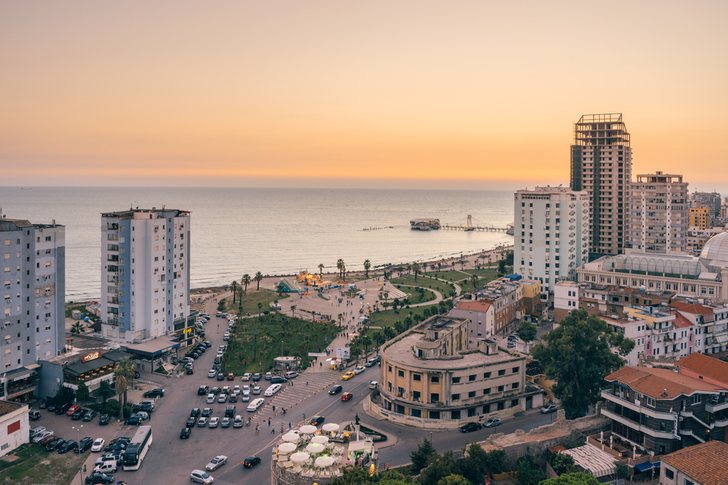
The at-risk-of-poverty rate in urban areas, the large citi...

74.6% of residents living in Albanian cities have the abil...

On Wednesday, our country will be affected by stable weath...

On Tuesday, our country will be affected by stable air mas...
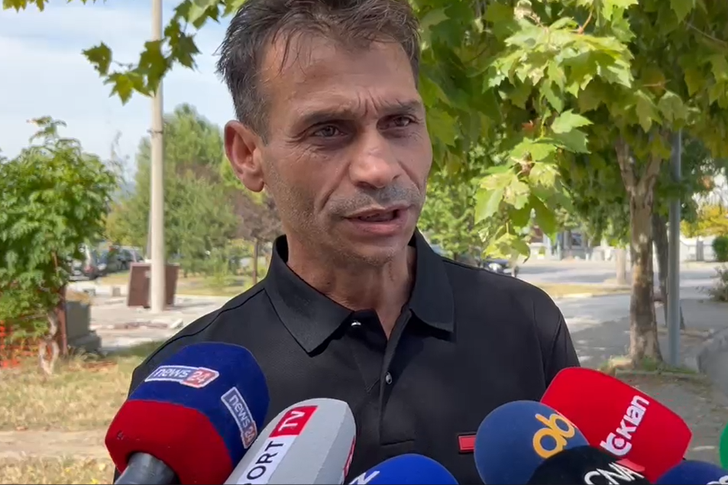
A 58-year-old man from the village of Rëmbec i Maliqi lost...
This Monday, our country will be affected by stable weathe...

Journalist Ola Xama, through a status on social media, has...

On Sunday, our country will be affected by stable weather ...

The Tepelena Police Commissariat, in cooperation with the ...

Today our country will be affected by stable weather condi...

Today, our country will be affected by relatively stable w...
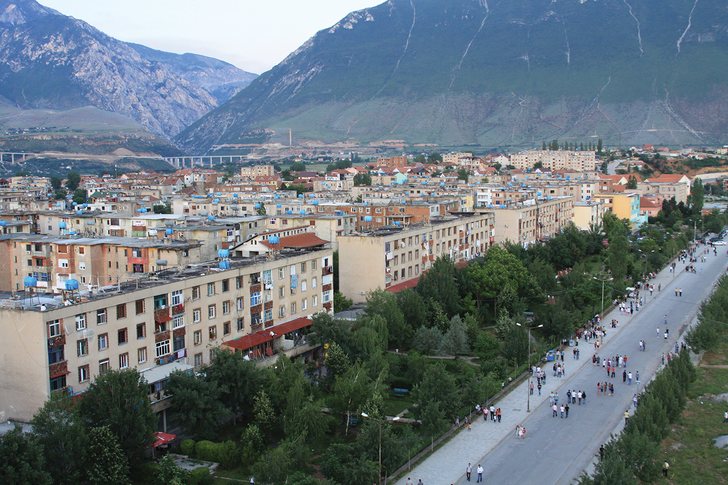
Unemployment has been decreasing in recent years, but with...
Today our country will be affected by relatively unstable ...

The start of the school year is usually synonymous with a ...
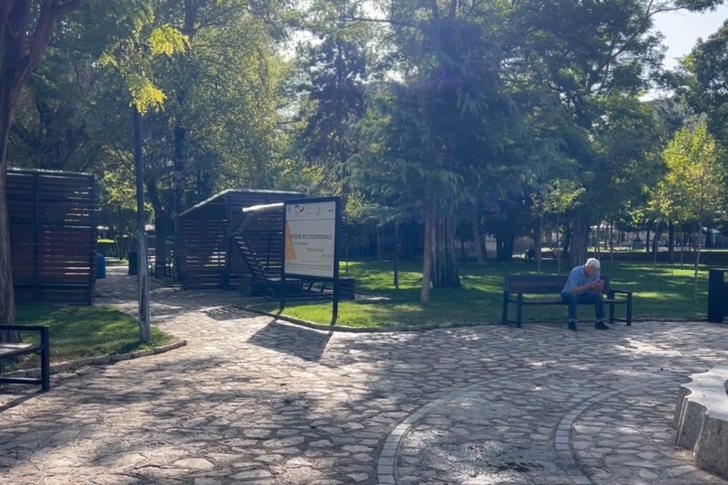
In recent months, the city of Korça has been faced with a ...

Today, our country will be under the influence of clear we...
Today our country will be affected by stable weather condi...
Today our country will be affected by unstable weather con...

The word "fatherland" with properties is not enough. The m...

The justice reform claimed that it would bring faster, fai...

The Justice Reform and the vetting process were trumpeted ...

After revealing the property portfolio in Tirana, Kavaja, ...

The Special Board of Appeal (KPA) decided this Monday ...

The KPA vetting decided this Thursday to dismiss the p...

Suela Salavaçi, a prosecutor in the Prosecutor's Offic...

The Special Board of Appeal reinstated the prosecutor ...

The mother of the 17-year-old raped in Fier has been l...

The Special Prosecution Office completed the investigation...

Today, on 07.07.2026, the Police Supervision Agency (AMP),...

One person has been arrested, 7 have been prosecuted, and ...

Today our country will be affected by relatively unstable ...

While the total number of deaths fell in 2025, those from ...

As Albania faces ongoing demographic challenges, the l...

Today our country will be affected by relatively unstable ...

More money for the military, less for everything else and ...

The United States has launched a wave of air strikes on Ir...

The Duke of Sussex and six others have lost their privacy ...

A court in eastern China has sentenced a former city offic...

The German Embassy in Tirana has invited the Albanian publ...

Professor and literature scholar Ali Xhiku has passed away...

During my research into the life and artistic photographic...

This year's edition of the Gjon Mili International Video A...

The lack of local labor is increasingly pushing Albanian b...

This Wednesday, one US dollar is bought for 81.2 lek and s...
The country recently closed a nearly decade-long program f...

While the total number of deaths fell in 2025, those from ...