


Berisha to British media: Protests, the most important movement of the last 35 years
In an exclusive interview with Truth Times, the opposition...

In an exclusive interview with Truth Times, the opposition...


74.6% of residents living in Albanian cities have the ability to search, judge and organize digital information (information and data literacy skills[i]), a percentage that drops to 69.7% for those living in the suburbs and reaches the lowest level, 62.2%, for residents of rural areas.
The difference of over 12 percentage points between urban and rural areas clearly shows the urban-rural gap in access to and use of technology.
According to Eurostat data for 2023, the EU average for individuals with at least basic information and data skills is 85.4% in cities, 80.4% in suburbs and 77.6% in rural areas. Compared to the EU level, our country is significantly below the average in all three categories, while there is no data for countries in the region.
europe
In 2023, 85.4% of people aged 16–74 living in EU cities had at least basic skills in using information and data. This level was slightly lower for those living in small towns and suburbs (80.4%) and rural areas (77.6%).
The data show that in 22 EU countries, the highest percentages of people with at least basic information literacy skills are recorded in cities. However, in 4 countries, the highest percentages are recorded for those living in small towns and suburbs – in Denmark (95.9% of the population), Ireland (94.4%), Cyprus (90.4%) and Belgium (89.4%) – while in the case of Malta, the highest percentage is recorded in rural areas (91.6%, with low reliability).
Among EU countries, the Netherlands recorded the highest percentages of people with at least basic information and data literacy skills across all three levels of urbanization: 97.7% of city dwellers, 97.4% of those living in small towns and 97.1% in rural areas.
In addition to the Netherlands, Finland (97.7%) and Denmark (95.8%) also recorded the highest percentages of city dwellers with at least basic information and data literacy skills. The lowest levels were recorded in Germany (77.5%), Bulgaria (78.0%) and Italy (78.2%).
Bulgaria (66.3%), Romania (71.7%) and Germany (72.5%) recorded the lowest percentages of people with at least basic information, reading, understanding and using digital data skills, not only in small towns and suburbs, but also in rural areas (57.7%, 64.9% and 71.2% respectively).
The “information and data literacy skills” indicator is a sub-dimension of the Digital Skills Indicator (DSI) that measures individuals’ abilities to search, judge and organize digital information. It is assessed through concrete activities on the internet or software, where performing one activity indicates basic skills, while more activities indicate above-basic skills. This indicator is part of the EU’s digital policies and helps monitor the objectives for increasing citizens’ digital skills by 2025 and 2030./ Monitor.al


On Wednesday, our country will be affected by stable weath...

On Tuesday, our country will be affected by stable air mas...
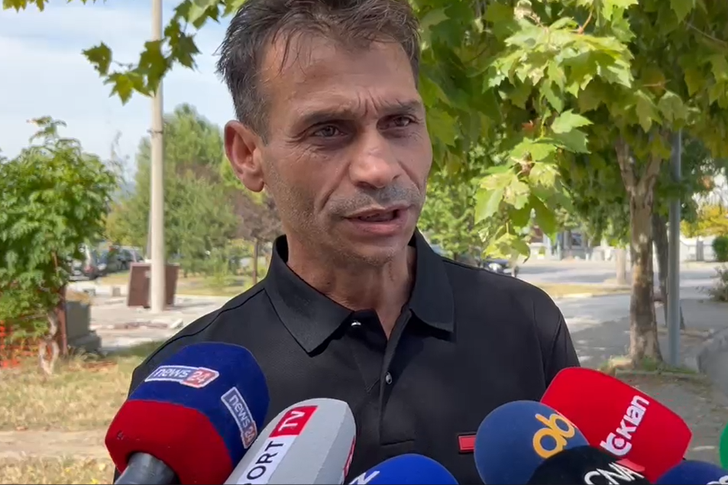
A 58-year-old man from the village of Rëmbec i Maliqi lost...
This Monday, our country will be affected by stable weathe...
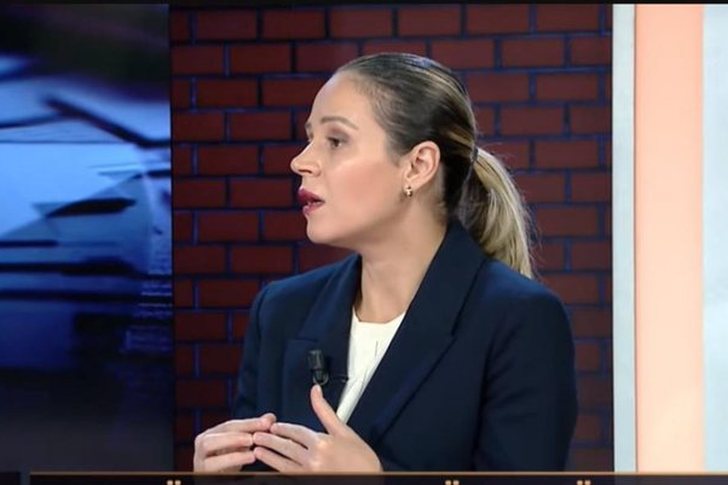
Journalist Ola Xama, through a status on social media, has...

On Sunday, our country will be affected by stable weather ...
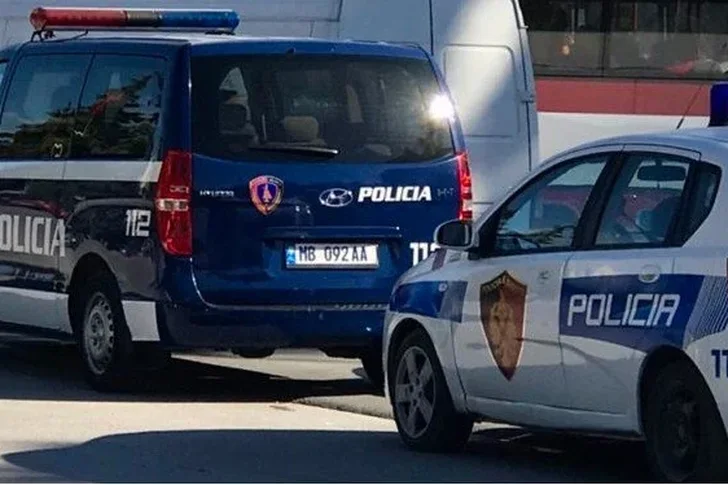
The Tepelena Police Commissariat, in cooperation with the ...

Today our country will be affected by stable weather condi...

Today, our country will be affected by relatively stable w...
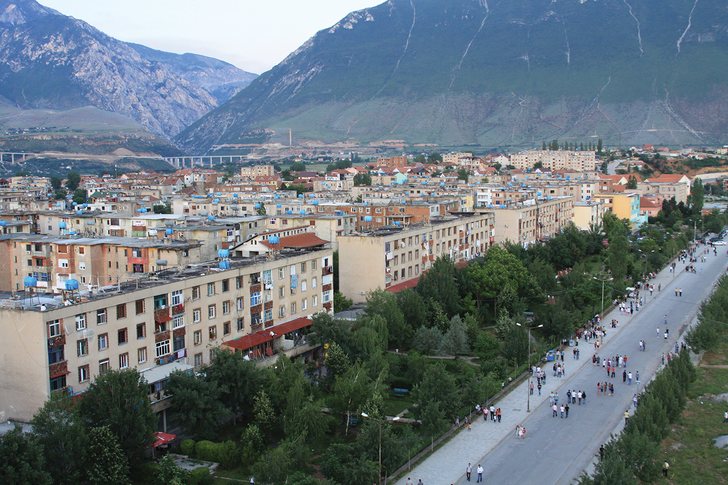
Unemployment has been decreasing in recent years, but with...
Today our country will be affected by relatively unstable ...

The start of the school year is usually synonymous with a ...
In recent months, the city of Korça has been faced with a ...
Today, our country will be under the influence of clear we...
Today our country will be affected by stable weather condi...
Today our country will be affected by unstable weather con...

The Minister of Education, Ogerta Manastirliu, announced t...

As a result of high temperatures, our country will be affe...

Albania led Europe in the number of people over 16 years o...
Albania is a cacophony that finds no peace day or night. E...
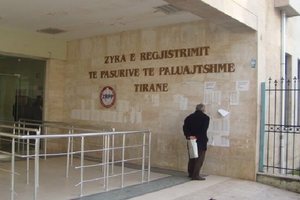
The word "fatherland" with properties is not enough. The m...

The justice reform claimed that it would bring faster, fai...

The Justice Reform and the vetting process were trumpeted ...
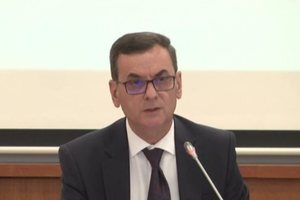
After revealing the property portfolio in Tirana, Kavaja, ...

The Special Board of Appeal (KPA) decided this Monday ...

The KPA vetting decided this Thursday to dismiss the p...

Suela Salavaçi, a prosecutor in the Prosecutor's Offic...

The Special Board of Appeal reinstated the prosecutor ...

The mother of the 17-year-old raped in Fier has been l...
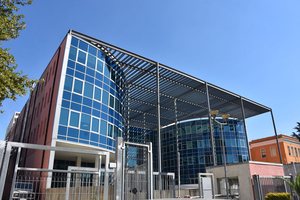
The Special Prosecution Office completed the investigation...
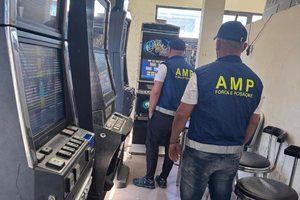
Today, on 07.07.2026, the Police Supervision Agency (AMP),...
One person has been arrested, 7 have been prosecuted, and ...

Today our country will be affected by relatively unstable ...
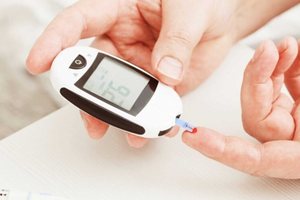
While the total number of deaths fell in 2025, those from ...

As Albania faces ongoing demographic challenges, the l...

Today our country will be affected by relatively unstable ...
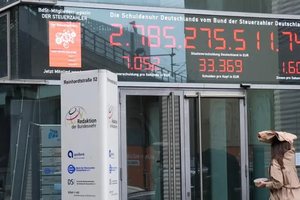
More money for the military, less for everything else and ...
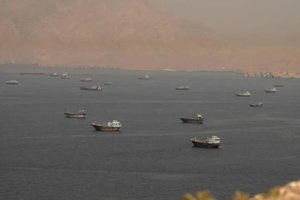
The United States has launched a wave of air strikes on Ir...

The Duke of Sussex and six others have lost their privacy ...

A court in eastern China has sentenced a former city offic...

The German Embassy in Tirana has invited the Albanian publ...

Professor and literature scholar Ali Xhiku has passed away...

During my research into the life and artistic photographic...

This year's edition of the Gjon Mili International Video A...

The lack of local labor is increasingly pushing Albanian b...

This Wednesday, one US dollar is bought for 81.2 lek and s...
The country recently closed a nearly decade-long program f...
While the total number of deaths fell in 2025, those from ...