


"Don't call me darling"/ Debate in the Electoral Reform Commission: You are black and white in your mind
The Electoral Reform Commission was accompanied by debates...

The Electoral Reform Commission was accompanied by debates...
Çmimi i karburantit në Shqipëri nuk është thjesht një shifër në tabelat e pikave të shitjes, por një tregues që prek të gjithë zinxhirin ekonomik: nga kostot e transportit te çmimet e ushqimeve dhe standardi i jetesës së familjeve. Çmimet në vend rriten menjëherë sapo tregjet ndërkombëtare japin sinjale negative, ndërsa uljet reflektohen me vonesë të pajustifikuar. Operatorët përdorin stokun si justifikim, por kjo praktikë është kthyer në një burim të vazhdueshëm mosbesimi./ CNA
3 artikuj për këtë temë.
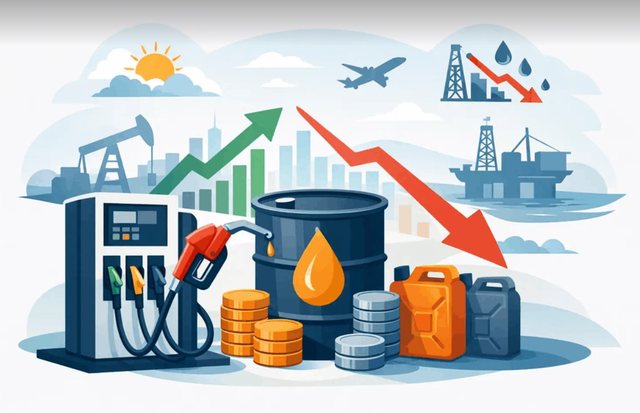
The state cannot act as a spectator in a hydrocarbon market that directly affects the cost of living. This does not necessarily mean artificially setting prices in every case. It means strong monitoring, investigation of questionable practices, regular publication of data, and clear control over the elements that weigh on the final price.
There is a valid debate here. On the one hand, excessive state intervention can distort the market and lead to other consequences, especially in supply. On the other hand, the lack of control in a concentrated market can produce undeserved profits at the expense of the public. So the solution is neither blindly free-market propaganda nor populism with stopgap measures. The solution is serious regulation and unshakable transparency.
In a country where citizens pay dearly for almost every link in energy and transportation, the government has an obligation to speak with numbers, not slogans. What is the real burden of taxes? What are the margins? How quickly are international movements reflected? Who is being controlled and with what result? These are the questions that matter.
First, you need to look at the trend and not just the day. A small daily change can be technical, but a series of consecutive increases has an accumulated effect. Second, you need to follow the difference between the international price of the product and what happens in the domestic market. If the gap remains large for a long time, then there is room for suspicion and a demand for accountability.
Third, citizens should be aware that not every reduction in the price of crude oil immediately translates into a reduction at the pump. There is lead time, inventory, and contracts. But this cannot be used indefinitely as a universal justification. When the justification becomes routine, oversight must become more aggressive.
For the media, including a newsroom like CNA, this remains a topic that should not be treated as a mechanical daily report. Behind every price list there is a story of taxes, profits, burdens on families, and political responsibility. That is where journalism that gets to the heart of the matter begins.
The forecast for fuels is always cautious, because a strong international development is enough to change course. If geopolitical tensions increase, if global supply tightens or if the dollar strengthens further, the pressure on prices could continue. If the opposite happens, there is room for relief. But the main question for Albania remains elsewhere - will the citizen feel the decrease at the same speed as the increase?
This is the true test of the market and institutions. Not how beautifully the price hike is justified, but how honestly the price hike is reflected. Until then, when you see fuel prices today, don't read it just as a number. Read it as a reflection of an economy where the consumer continues to pay first and be cleared last./ CNA
Fuel doesn't just affect drivers. This is the part that's often lost in the debate. Oil and gasoline directly affect freight transportation, agriculture, construction, services, logistics, and every business that works with distribution. So when fuel goes up, the cost chain starts to expand.
A bakery pays more for supplies. A farmer pays more for agricultural machinery and transportation. A transport company raises rates. Then, the blow reaches the final consumer in the form of higher prices for products and services. This is why fuel increases fuel inflation even when at first glance it seems like a sectoral issue.
For Albanian families, the hit is even harder because incomes are not keeping pace with costs. A recurring fuel increase doesn’t simply translate into a few thousand more lek per month per car. It translates into less money for food, for medicine, for education or for savings. At this point, the problem isn’t just the price at the pump. It’s the standard of living.
The global energy market directly affects Albania. If production decreases, demand increases, trade routes become unstable, or producing countries limit supply, prices move. The dollar exchange rate also affects it, as fuels are traded in this currency. When the dollar strengthens, the importer pays more. This is then reflected in the consumer.
But it is a mistake to use the international market as an absolute shield for any domestic price. Because Albania has its own specificities - high taxation, low purchasing power, persistent doubts about competition and a long history of distrust in sensitive markets. Therefore, the public does not just demand an explanation. It demands proof.
If operators and institutions claim that every move is justified, then there must be such transparency that the citizen clearly understands where the money is going. Otherwise, every increase is read as a possible abuse and every delayed decrease as confirmation of suspicions./ CNA
The pump changes a few lek and the effect is felt immediately, in the family's pocket, in the transportation bill, in the price of food and in the nervousness of the market. That is precisely why, when we talk about fuel prices today, we are not simply dealing with a sign at the entrance to the point of sale.
We are dealing with an indicator that affects the entire cost chain in Albania and exposes how vulnerable the consumer remains in the face of market fluctuations and lack of trust in control mechanisms.
In Albania, fuel has long been seen as more than just a commodity. It has become a political and economic hotbed. Every time it goes up, the justifications come quickly—international stock markets, geopolitical tensions, the exchange rate, import costs. Every time it goes down, the drop at the pump usually seems slower. This is where public suspicion begins, and not without reason.
The reader sees a figure for oil or gasoline and the question is straightforward - why so expensive? The real answer is more complicated than presented in official communications. The final price includes the value of the product in international markets, transportation, insurance, the dollar exchange rate, taxes, excise duty, VAT and operator margins.
But here there is a problem that should not be mitigated with technical words. In the Albanian market, the burden of taxes is high and the sensitivity of the final price is immediate. This means that even when there are moderate movements in the stock market, the consumer feels them strongly. Whereas when strong tensions occur in the market, the blow multiplies.
Another element is the market structure. Albania is an importing country. This automatically makes it more exposed to developments that occur outside its borders. If there is a supply crisis, conflict in the producing regions, problems in the refinery or an increase in the cost of maritime transport, the chain reacts. But imports do not explain everything. The point where the debate becomes serious is the transparency of costs and the speed with which reductions are reflected.
This is the concern most frequently repeated by citizens and businesses. When international markets give a signal of growth, the domestic market moves almost immediately. When the signal is for a decrease, the pace changes. Operators usually argue that they have stock, have previous contracts and have accumulated costs. The theory is logical. The practice often raises questions.
This is where the need for real, not just declarative, oversight comes in. If the consumer is constantly faced with a scenario where price increases are transferred urgently, while price reductions are delayed, then the market is not giving the citizen what he or she deserves. At this point, the issue is not just economic. It is a matter of public trust.
In Albania, the institutional response to this issue has often been fragmented. There have been promises, interim measures, declarations of monitoring, but the debate remains open: is competition functioning properly and are margins being seriously controlled? When the question remains unresolved for months and years, the doubt is not extinguished by press conferences./ CNA

Growing figures, but not without question/...
Why does Erion Veliaj postpone all trials ...

Elections are not just a competition, but ...
Documents that incriminate Dritan Prençi ...
Veliaj through Arta Dade rejects Edi Rama'...
How the fraudster Irfan Hysenbelliu boycot...

Product abuse massacres the market and ste...
"Sidi education", the virtual assistant fo...
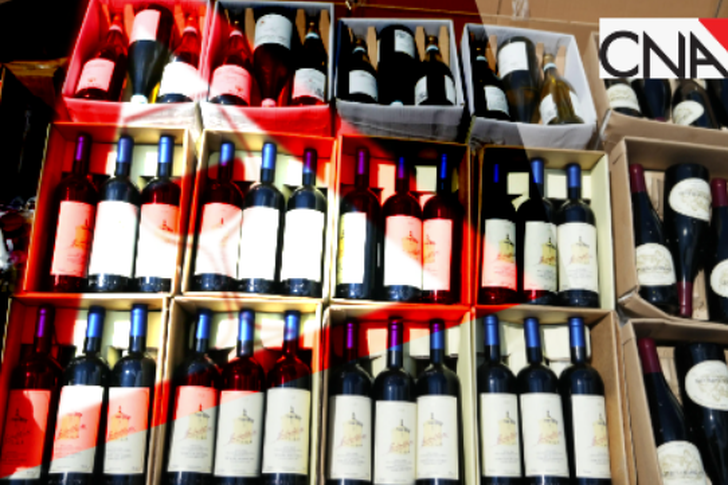
Contraband wines "crush" the Albanian mark...

The threads are revealed/ How Jet Bank is ...
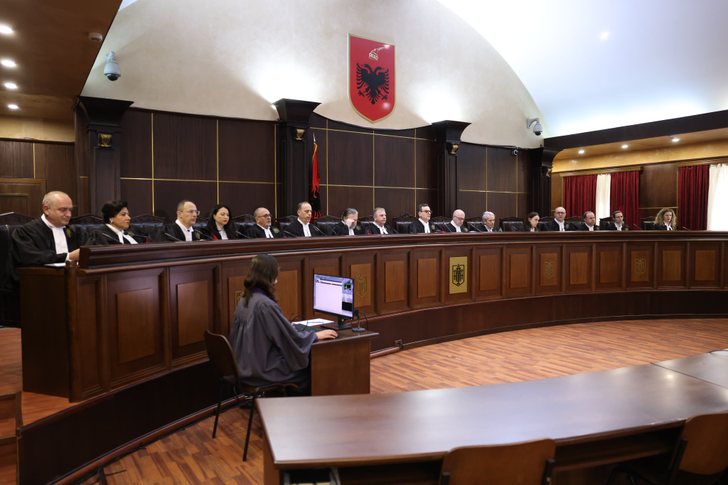
Sokol Sadushi's bazaar with Mero Bazen and...

Veliaj files another lawsuit, alibi for de...

Which relative of Carlo Bollino and Erion ...
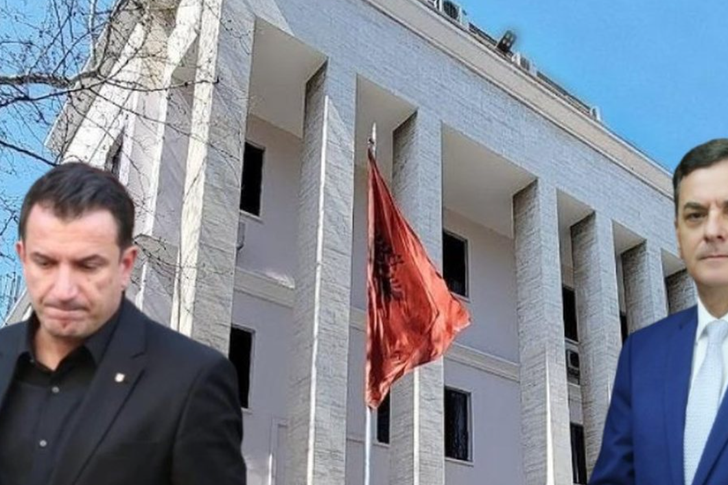
Sokol Sadushi's interim decisions/Internat...
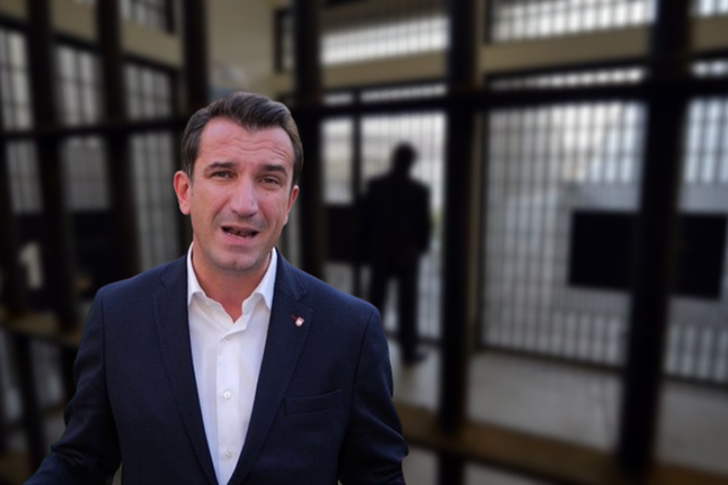
Tirana Municipality Scandal/Hides official...
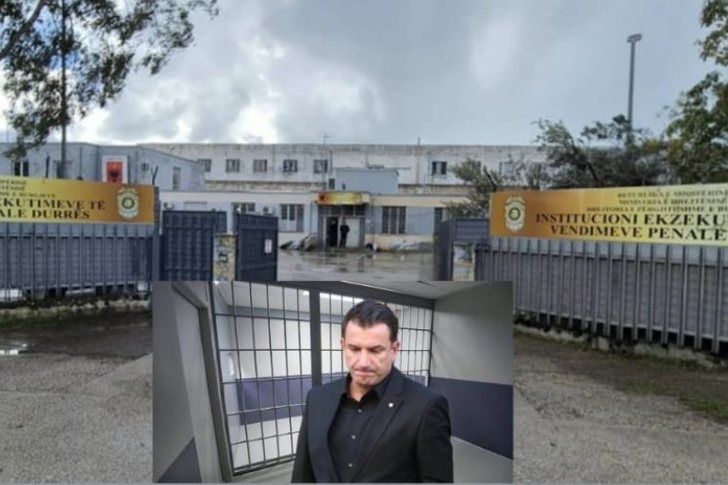
EXCLUSIVE/ What is happening in Durrës Pri...
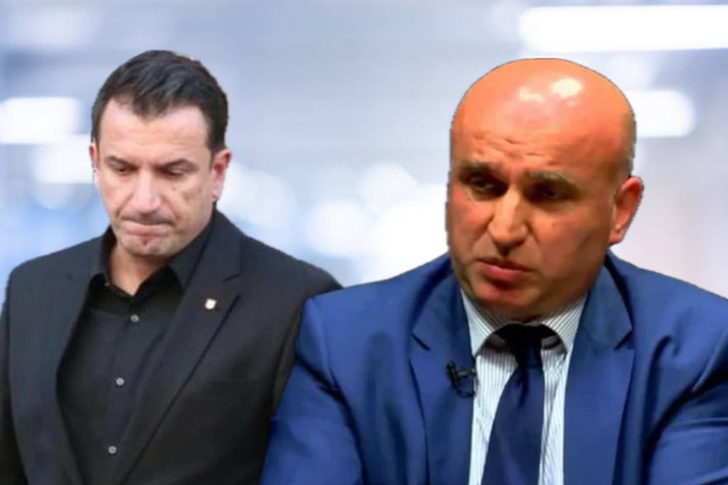
Mero Baze and Veliaj attack Rama/Corrupt p...
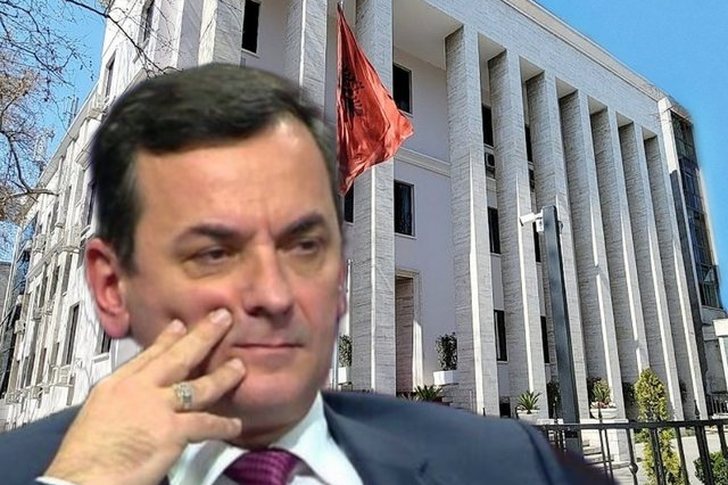
Facts/ How Sokol Sadushi "raped" the Crimi...
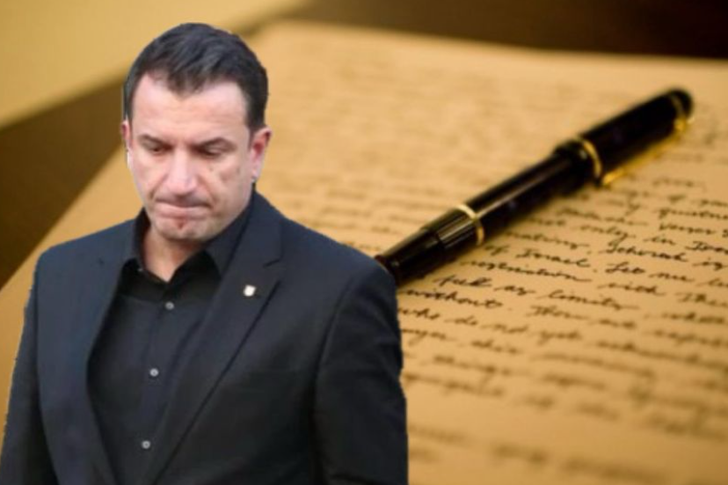
Degradation of Veliaj's propaganda/ Attack...

https://www.cna.al/aktualitet/detaje-nga-operacioni-si-u-a...

CNA has launched another investigation that could lead to ...

Irfan Hysenbelliu is a businessman that we call "Irfan the...
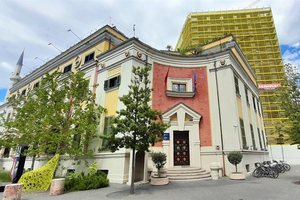
In March 2026, CNA launched another investigation centered...
The arrested mayor of Tirana, Erion Veliaj, with 13 charge...

The Special Board of Appeal (KPA) decided this Monday ...

The KPA vetting decided this Thursday to dismiss the p...

Suela Salavaçi, a prosecutor in the Prosecutor's Offic...

The Special Board of Appeal reinstated the prosecutor ...
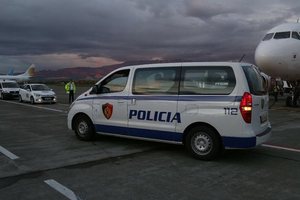
Police have arrested a 34-year-old woman at Rinas Airport ...

A serious accident has occurred on the Lezhë-Shëngjin axis...
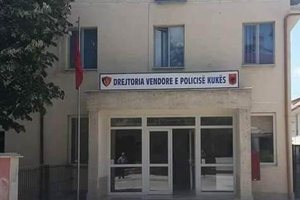
A serious incident has occurred in Morina, Kukes. Citizen...

The bad weather that swept the country on Tuesday evening ...

This Wednesday, our country will be under the influence of...
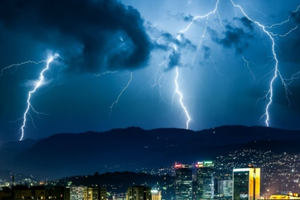
All of Southern Europe will face changing weather conditio...
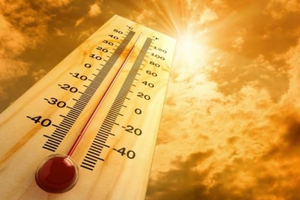
Albania was hit by temperatures significantly higher than ...

For the first time, Pogradec welcomed the Inter-Lake Chess...

Prime Minister Andy Burnham has announced that most bus fa...

France's parliament has passed a law to ban social media f...

US Secretary of State Marco Rubio arrived in Manila on Jul...

In the space of a few days, Ukrainian President Volodymyr ...
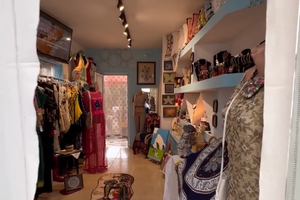
At a time when industrial products are increasingly taking...

Trust among people is not just a three-syllable word. It c...

Master of humor Todi Llupi has passed away at the age of 7...

The ninth edition of "MIK Festival" kicked off with one of...

Businesses will no longer be required to simply register t...

Despite economic growth and income in recent years, Albani...

This Wednesday, one US dollar is bought for 81.4 lek and s...
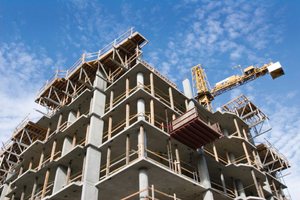
Construction company licenses will have a validity period ...