They hired Muçi Shaljanin/ The court sentences two former AMP officials
The Tirana Court has issued a ruling for two former AMP of...

The Tirana Court has issued a ruling for two former AMP of...
Megjithëse treguesit zyrtarë vazhdojnë të flasin për rritje ekonomike, investime dhe zgjerim të sektorit të turizmit, realiteti i përditshëm i familjeve dhe bizneseve shqiptare tregon një tablo më komplekse. Çmimet e larta të produkteve bazë, dobësimi i euros dhe vështirësitë e biznesit të vogël mbeten ndër shqetësimet kryesore që po ndikojnë drejtpërdrejt në ekonominë e vendit.
4 artikuj për këtë temë.
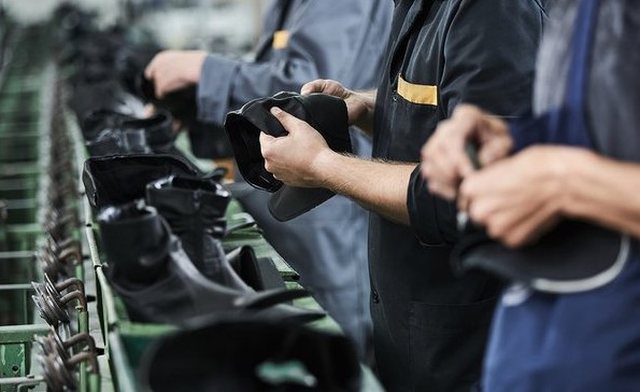
The two most frequently mentioned economic engines are construction and tourism. Both have brought money into circulation, employment, and market movement. Both have also generated strong suspicions.
In construction, the question is old but still without a complete answer: do we have real development or inflation that is not supported by the productive economy?
When apartment prices rise to levels that are far removed from the average wage, the alarm goes off. Not necessarily because every investment is a problem, but because the market becomes inaccessible to the average citizen and favorable to capital that moves without much transparency.
In tourism, the numbers have been strong and this cannot be denied. Inflows, seasonal consumption and the expansion of supply have brought oxygen. But even here there is a big but. An economy that relies too much on the season, on services and on money that comes in quickly, remains exposed. All it takes is an external shock, a weak season or a regional tension, and the effect is felt immediately.
Tourism is an opportunity, not a guarantee. Construction is circulation, not always development. Whoever sells these as the final solution is selling more public noise than honest analysis.
Economic news in Albania today shows a country that is moving, but not necessarily in a balanced way. There is money in circulation, but not a fair distribution. There are sectors that are gaining, but not necessarily an economy that is fundamentally strengthened. There are numbers that look good, but they do not always translate into peace for families and ordinary businesses.
This is the moment when propaganda hits the pocketbook. When the government talks about growth, the citizen asks why the month is still not over. When the success of tourism is mentioned, the exporter asks why it is losing ground. When monetary stability is talked about, business asks why profits are being cut. These are not baseless complaints. They are indicators of an economy where benefits are not distributed at the same speed with which successes are announced.
For this reason, reading the economy requires more than official announcements. It requires a critical eye, memory, and a willingness to see what is hidden behind the curated statistics.
In the end, the economy is not measured by the words produced by the government, but by the burden borne by the citizenry. And as long as this burden remains heavy, economic news is not simply development - it is public proof of who is winning and who is paying silently./ CNA
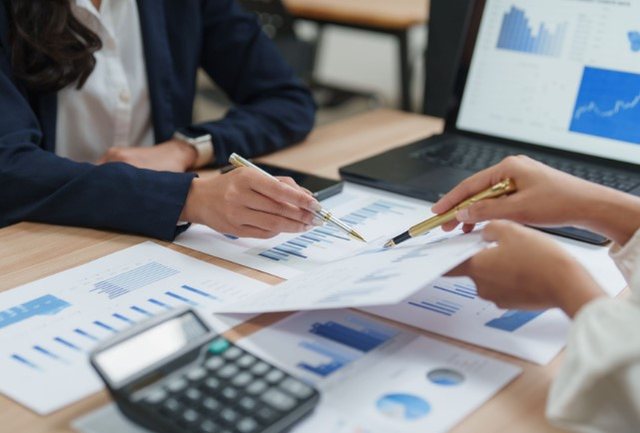
If you want to take the pulse of the economy, it's not enough to listen to corporations or official statements. You have to go into small business. Where turnover drops as soon as the citizen puts his hand in his wallet.
Small business in Albania today is facing several pressures at once. Taxes and operating costs remain a burden. Rents in urban areas have skyrocketed. Competition is often distorted, especially when informality continues to survive. And above all, consumption is not as strong as claimed in official rhetoric.
There are sectors that benefit from seasonality, especially in tourism and services. But this is not enough to cover the entire economy. A restaurant on the coast may have a strong summer, while a neighborhood store in the city may be counting its days with weak cash registers. This is the difference between the national picture and the fragmented reality.
Even when the government promotes fiscal facilitation or formalization, the effect is not always linear. There are cases when rules are necessary and the market needs discipline. But there are also cases when the administrative burden and pressure of controls are not accompanied by a fair competitive climate. And then honesty is punished, while maneuvering is rewarded./ CNA
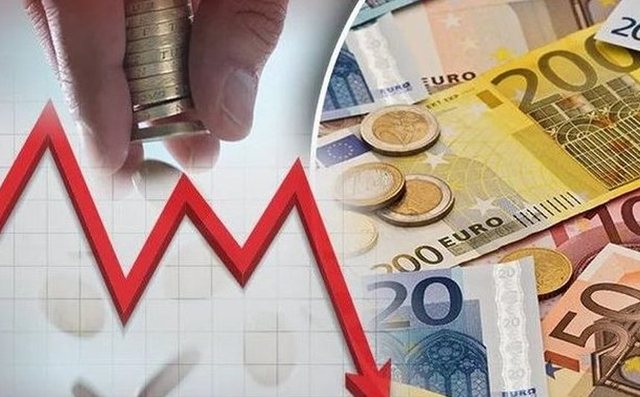
One of the topics that has most shaken the economy is the euro exchange rate. For some citizens who receive remittances from abroad, currency fluctuations directly affect their income. For exporters, the blow has been even more pronounced.
When the euro depreciates sharply against the lek, companies that sell abroad receive less revenue when they convert it. This is not cold financial theory. It is a concrete problem for tailors, manufacturers, agribusiness and other sectors that work with tight margins. If costs are paid in Albania and revenues are collected in euros, exchange rate fluctuations can quietly eat into profits.
On the other hand, the government and financial institutions have also read the strengthening of the lek as a sign of stability or foreign exchange inflows from tourism, construction and remittances. But even here there is room for skepticism. Because when a currency strengthens in an economy with a weak production base, the question is not only how good the exchange rate looks, but how much damage it causes to the sectors that actually produce.
So, yes, a weak euro may seem like good news for imports or for those who pay less for some goods from abroad. But for domestic production and exports, the picture is not so clear. And that's why economic news should be read with a critical nerve, not with automatic enthusiasm.
Salaries have increased, but is this enough?
The debate over wages has become inevitable. In the public sector there have been moves, announced increases and promises of improvement. In the private sector, especially in trade, services and manufacturing, the picture is more uneven.
Yes, there are wage increases in some sectors. Yes, the labor shortage has forced some businesses to offer more. But this is not necessarily an indicator of a healthy labor market. In many cases, it is simply a reaction to mass attrition and the immigration crisis. In other words, wages are rising not because the economy is distributing profits more fairly, but because the market is emptying.
This creates a strong contradiction. On the one hand, businesses complain that they cannot find workers. On the other hand, citizens complain that wages still do not cover the cost of living. Both sides are right. The problem is structural. Low productivity, informality, lack of serious investment in skills and a climate where employees are often seen as costs, not capital./ CNA
When it comes to economic news in Albania, the real question isn't simply what went up and what went down in the charts. The bigger question is, who's footing the bill?
Because the economy in Albania is not read only by government statements, but by the coffers of small businesses, the euro exchange rate, the price of bread, and the energy bill that knocks every month without asking anyone.
On the surface, the numbers may seem calm. Upbeat reports, announcements of growth, investment, tourism and consumption. But beneath this facade there is a tension that is not easily hidden.
The citizen feels that their pocketbook is not moving at the same pace as the propaganda, while small business is moving on increasingly uncertain terrain. This is the point where the economy turns from a statistic to a public concern.
Prices are the most honest test of the economy. They don't lie and they're not embellished with conferences. If families buy less with the same income, then the problem exists, regardless of the political packaging.
In recent months, the most significant blow has come from basic living costs. Food, rent, utilities, and everyday products leave little room for illusions.

Even when official inflation signals a slowdown, households' real perception remains dire. The reason is simple: prices may not be rising as fast as before, but they have remained high. And when wages don't keep pace, economic fatigue becomes chronic.
Here's a detail that's often overlooked. A slight decrease in inflation doesn't mean a return to normality. It just means that growth is moving more slowly. For the Albanian family, this doesn't automatically translate into breathing room. It translates into slightly more controlled survival, but not real relief. /CNA

Why does Erion Veliaj postpone all trials ...

Elections are not just a competition, but ...
Documents that incriminate Dritan Prençi ...
Veliaj through Arta Dade rejects Edi Rama'...
How the fraudster Irfan Hysenbelliu boycot...

Product abuse massacres the market and ste...
"Sidi education", the virtual assistant fo...
Contraband wines "crush" the Albanian mark...
The threads are revealed/ How Jet Bank is ...
Sokol Sadushi's bazaar with Mero Bazen and...

Veliaj files another lawsuit, alibi for de...

Which relative of Carlo Bollino and Erion ...
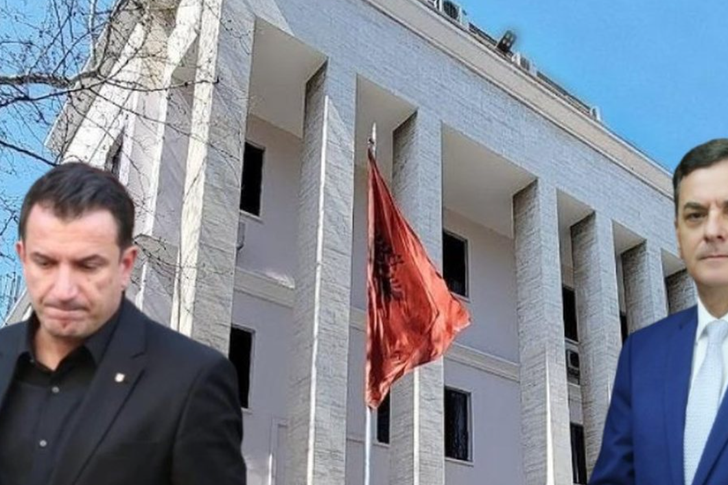
Sokol Sadushi's interim decisions/Internat...
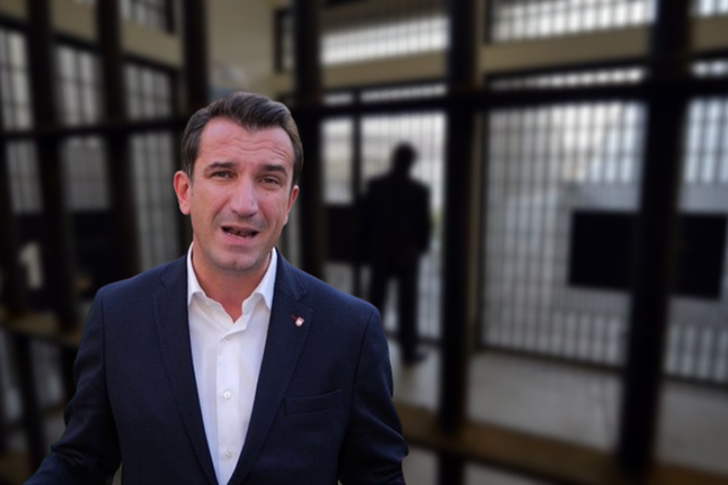
Tirana Municipality Scandal/Hides official...
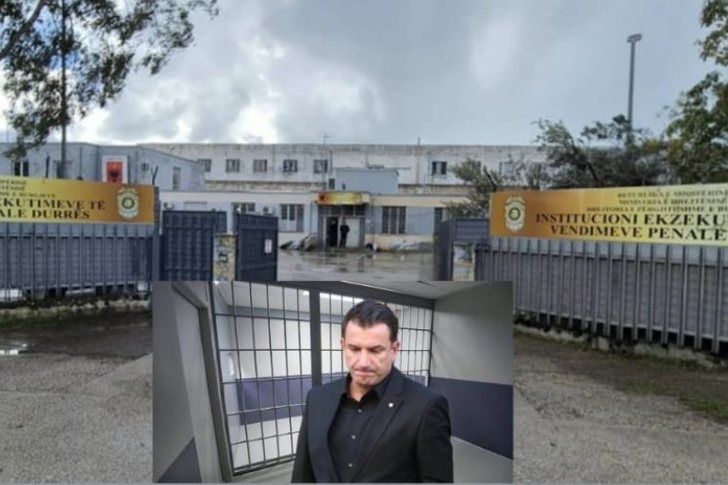
EXCLUSIVE/ What is happening in Durrës Pri...
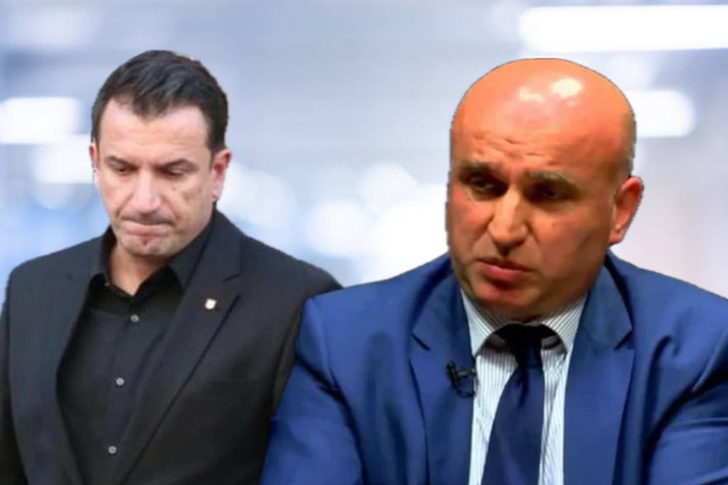
Mero Baze and Veliaj attack Rama/Corrupt p...
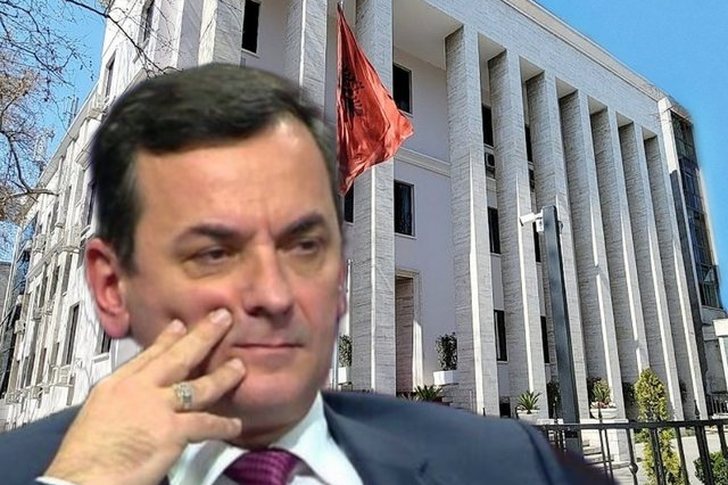
Facts/ How Sokol Sadushi "raped" the Crimi...
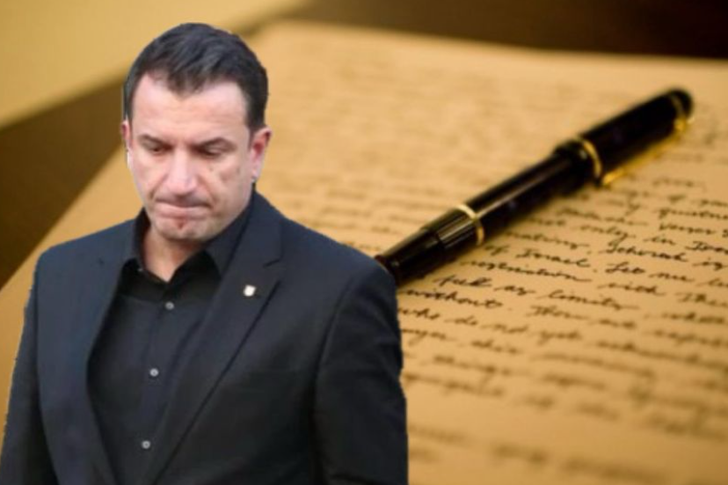
Degradation of Veliaj's propaganda/ Attack...

https://www.cna.al/aktualitet/detaje-nga-operacioni-si-u-a...
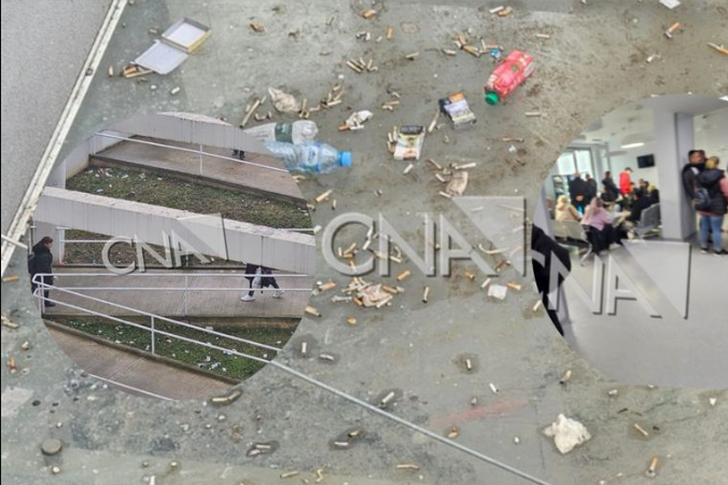
What is happening in the QSUT?/ When hospi...

CNA has launched another investigation that could lead to ...

Irfan Hysenbelliu is a businessman that we call "Irfan the...

In March 2026, CNA launched another investigation centered...
The arrested mayor of Tirana, Erion Veliaj, with 13 charge...

The Special Board of Appeal (KPA) decided this Monday ...

The KPA vetting decided this Thursday to dismiss the p...

Suela Salavaçi, a prosecutor in the Prosecutor's Offic...

The Special Board of Appeal reinstated the prosecutor ...
Another phase of the international operation, codenamed "T...
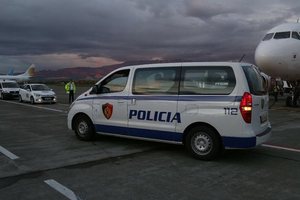
Police have arrested a 34-year-old woman at Rinas Airport ...

A serious accident has occurred on the Lezhë-Shëngjin axis...
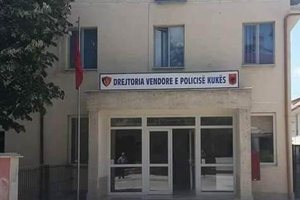
A serious incident has occurred in Morina, Kukes. Citizen...
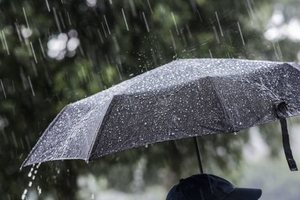
This Wednesday, our country will be under the influence of...
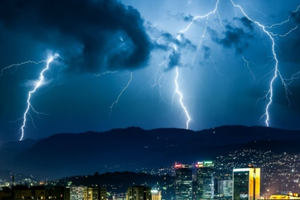
All of Southern Europe will face changing weather conditio...

Albania was hit by temperatures significantly higher than ...

For the first time, Pogradec welcomed the Inter-Lake Chess...
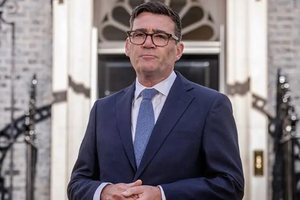
Prime Minister Andy Burnham has announced that most bus fa...

France's parliament has passed a law to ban social media f...
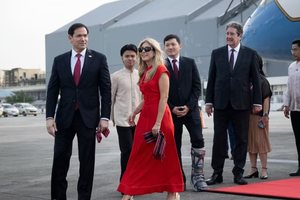
US Secretary of State Marco Rubio arrived in Manila on Jul...

In the space of a few days, Ukrainian President Volodymyr ...

At a time when industrial products are increasingly taking...

Trust among people is not just a three-syllable word. It c...

Master of humor Todi Llupi has passed away at the age of 7...

The ninth edition of "MIK Festival" kicked off with one of...
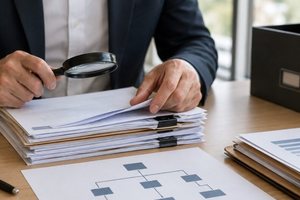
Businesses will no longer be required to simply register t...

Despite economic growth and income in recent years, Albani...
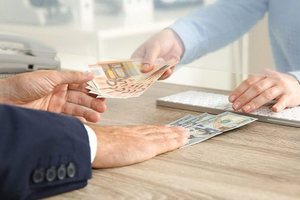
This Wednesday, one US dollar is bought for 81.4 lek and s...

Construction company licenses will have a validity period ...