


Shkodra traffic police officer hit with hard objects
A Shkodra traffic police officer was hit with hard objects...

A Shkodra traffic police officer was hit with hard objects...

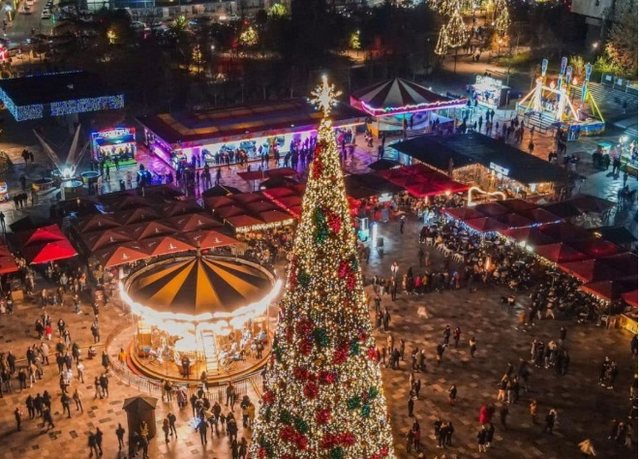
The earliest documented New Year's celebrations date back to Mesopotamia, where the new year began at the vernal equinox (around March). This period represented a new beginning in agriculture.
The New Year of the Gregorian calendar, in use around the world today, falls on January 1, just as it did with the Roman calendar. According to Catholic tradition, January 1 is the day of Jesus' circumcision (on the eighth day after his birth), when he was given his name, while the beginning of the New Year was December 25, which coincides with Christmas and in some regions the start of Easter.
The ancient Romans celebrated the New Year on March 26 and their calendar was synchronized with the sun.
Pagans used fir branches to decorate their homes during the winter, as it made them think of the coming spring. The Romans used fir branches to decorate their temples in the festival of Saturnalia, which was a celebration in honor of Saturn.
Julius Caesar, in 46 BC, created what is known as the Julian calendar, which fixed the start of the New Year on the first day of the year, January 1. In the 16th century, with Pope Gregory XVI's reform of the Gregorian calendar, January 1 returned as the start of the year.
January 1 has been accepted relatively late in Western culture as the first day of the year. Until 1751 in England and Wales and all the British possessions the new year began on March 25.
Until the establishment of the communist regime in our country, religious holidays and symbols such as the tree and Santa Claus were important throughout the Christmas world.
From 1945, the dictatorial regime of Enver Hoxha gave more weight to the New Year to exaggerate holidays and religious symbols.
With the adoption of the Constitution, in 1976 the Communist Regime declared Albania the first atheist country in the world, legally prohibiting participation in religious ceremonies and possession of religious books.
After 1976, the symbolism of Christmas shifted to New Year's celebrations, making this holiday one of the most important.
In Albania, the main dishes are roasted turkey, which in some areas is accompanied by kulach and the main place on the dessert plate is occupied by baklava.
Other sweets are sansallia, kompekai and kadaifi with nuts.
With the arrival of the new year, sweets, special breads or fruits or traditional dishes are found on every table around the world.
Different foods are often described as foods that bring prosperity, wealth and longevity. In Italy it's lentils, while in Spain it's grapes./ CNA


The sensational separation of the couple Ledri Vula an...
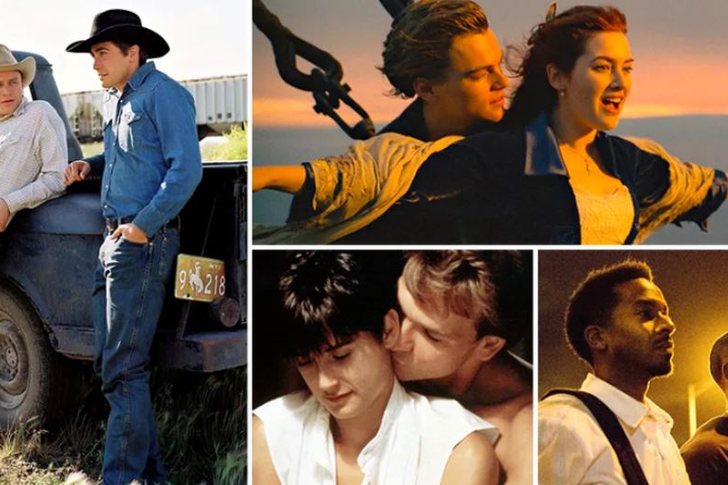
The Notebook (2004) In the two decades since The Notebook...

The model Franceska Jaçe is known for her provocative ...
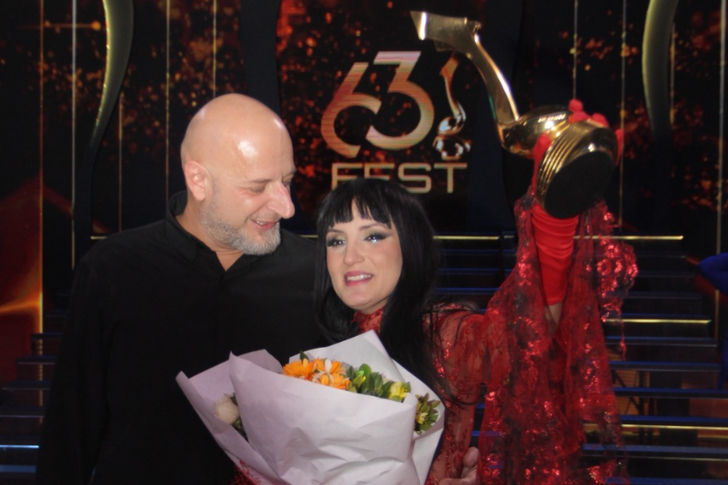
Electronic Shkodra is the winner of the 63rd edition of th...

The well-known Albanian artist, singer Devis Xherahu w...

Kindly Myers is one of the models who started her care...

Singer Billie Eilish was hit with a bracelet while per...
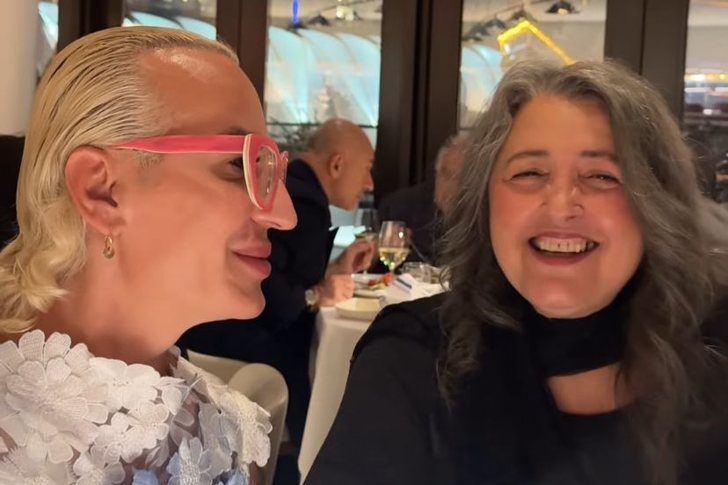
Businessman Elton Ilirjani had dinner last night with ...
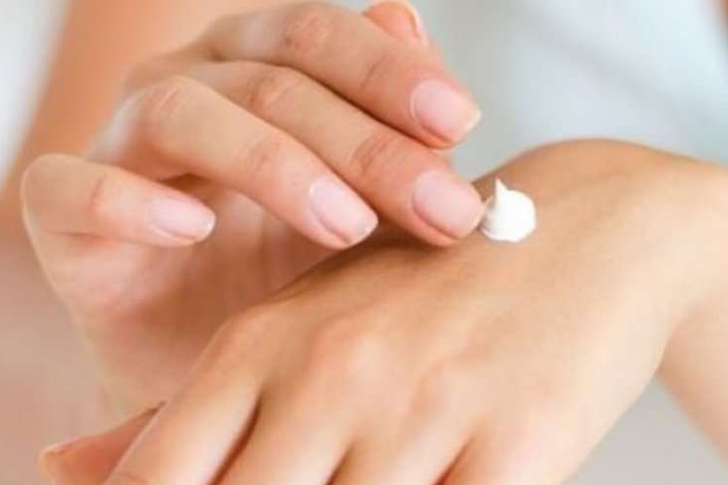
Keeping your skin healthy and hydrated during the winter c...
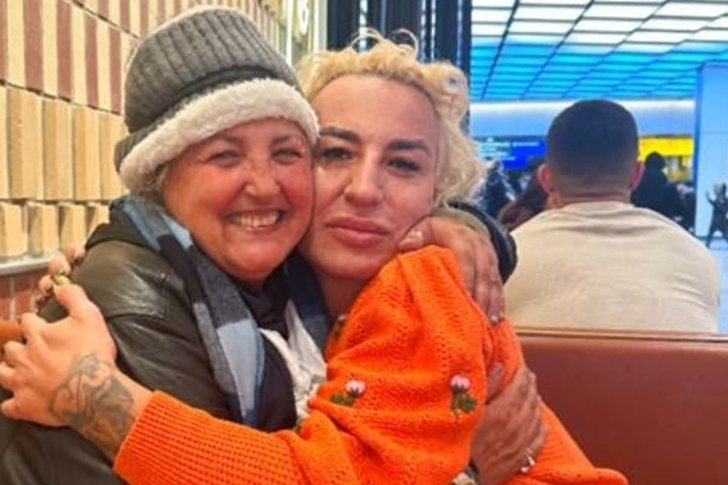
In a post on "Instastory" Elton Iliriani shared with t...
In every man's life there is a woman, whom he will alw...

Melania Trump is often admired for her elegance and ap...
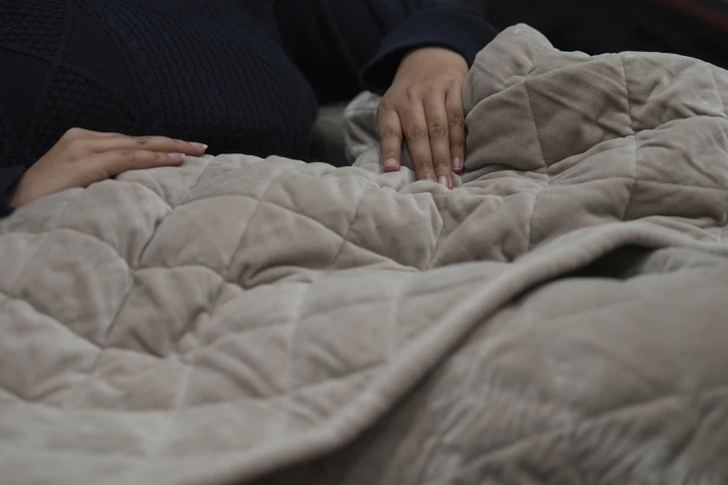
When the temperatures outside are in the sub-zero, weighte...
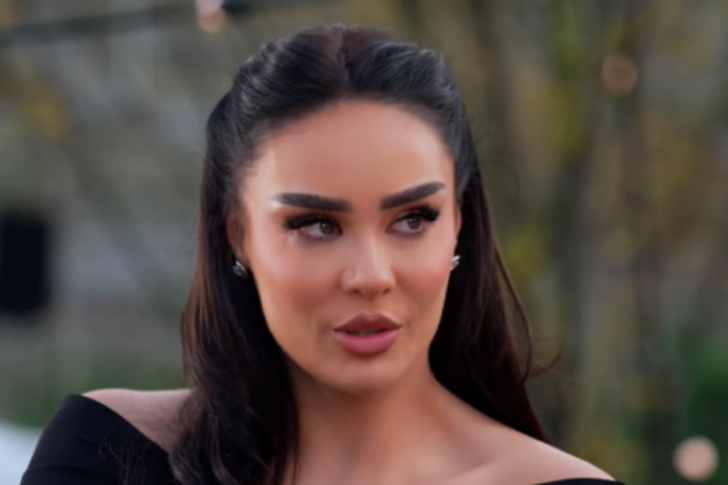
The singer Xhensila Myrtezaj, like never before, has decid...

Sara Gjordeni and Bardhi Idrizi have become parents fo...

The holidays are a time for joy and family togethernes...

Sophie Rain is one of the most followed influencers, w...
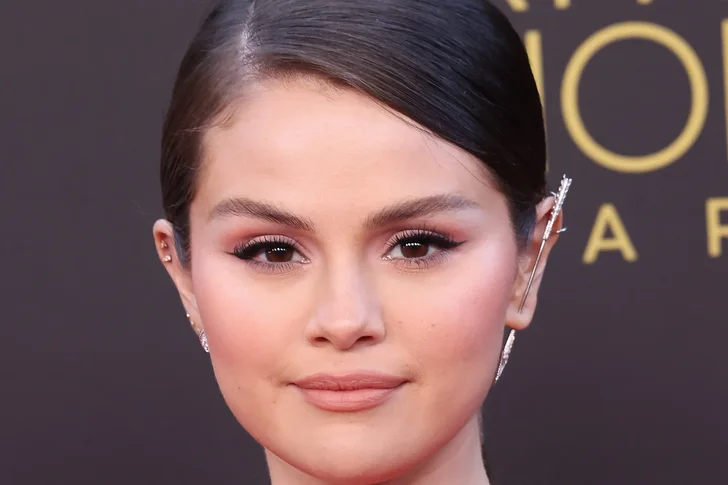
Selena Gomez is one of the most beloved public figures...
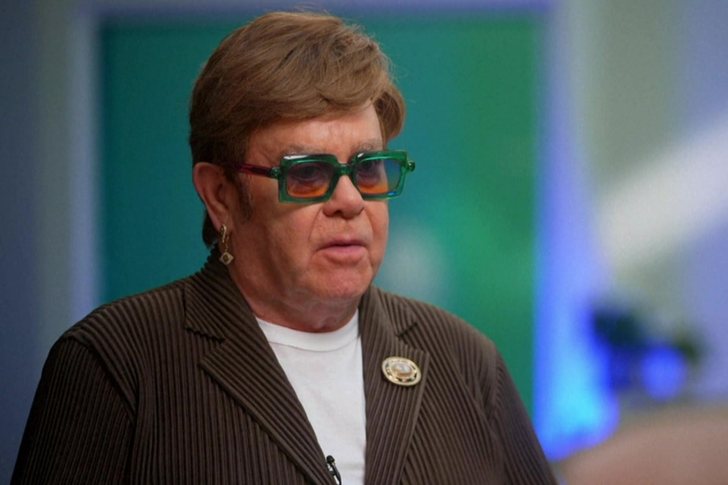
In a touching confession about his health, Elton John ...
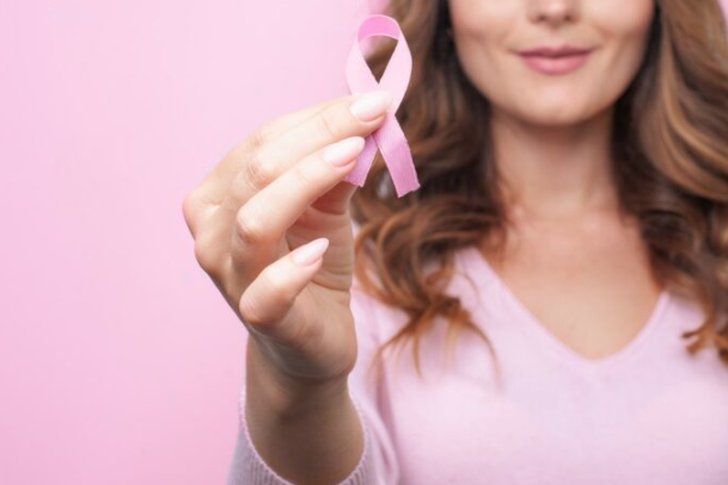
There is good news for those who love massage and especial...

CNA has launched another investigation that could lead to ...

Irfan Hysenbelliu is a businessman that we call "Irfan the...

In March 2026, CNA launched another investigation centered...
The arrested mayor of Tirana, Erion Veliaj, with 13 charge...

The Special Board of Appeal (KPA) decided this Monday ...

The KPA vetting decided this Thursday to dismiss the p...

Suela Salavaçi, a prosecutor in the Prosecutor's Offic...

The Special Board of Appeal reinstated the prosecutor ...
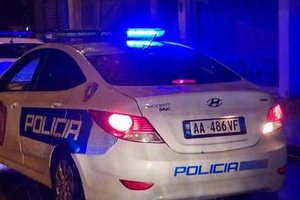
A Shkodra traffic police officer was hit with hard objects...
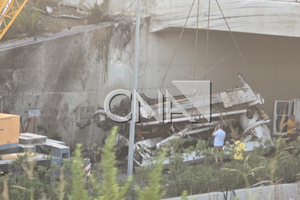
This Wednesday, around 4:00 PM, a serious accident occurre...
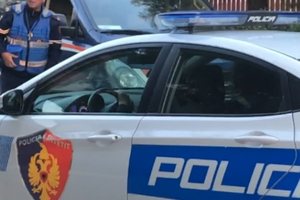
Tirana Police have shared details regarding the accident t...
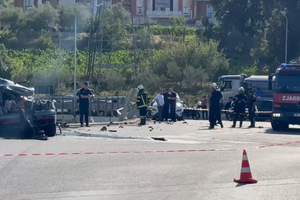
New details have emerged regarding the accident that occur...
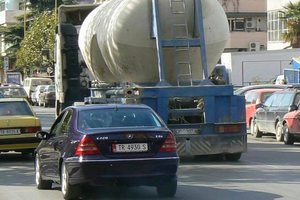
A serious accident that occurred this Wednesday with the c...

The Institute of Geosciences has shared a forecast for wea...
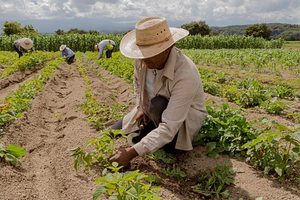
Rising energy and fertilizer prices are expected to contin...

Over 18,000 foreign citizens from 140 countries have appli...
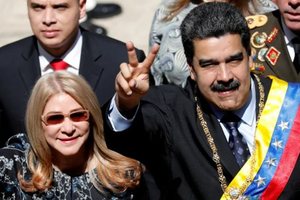
The trial of ousted Venezuelan President Nicolas Maduro on...
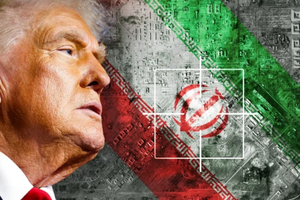
US President Donald Trump has issued another warning to Ir...
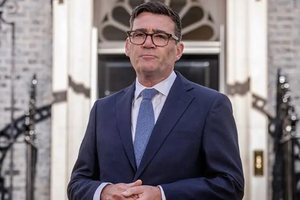
Prime Minister Andy Burnham has announced that most bus fa...
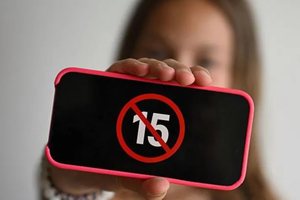
France's parliament has passed a law to ban social media f...

At a time when industrial products are increasingly taking...

Trust among people is not just a three-syllable word. It c...

Master of humor Todi Llupi has passed away at the age of 7...

The ninth edition of "MIK Festival" kicked off with one of...
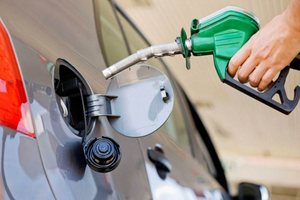
The price of diesel reached 206 lek per liter from 198 lek...

Businesses will no longer be required to simply register t...

Despite economic growth and income in recent years, Albani...

This Wednesday, one US dollar is bought for 81.4 lek and s...