


Sentenced to 24 years in prison for murder/ 60-year-old arrested in England
Another phase of the international operation, codenamed "T...

Another phase of the international operation, codenamed "T...

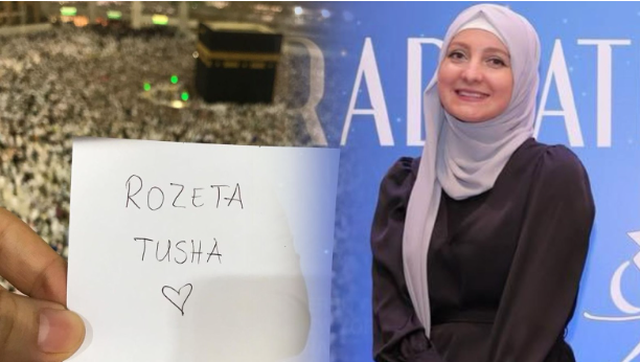
The hijab (which in everyday slang is called a piece) has given her freedom. That's how Rozeta insists. Although throughout the 14 years that he has been holding this symbolism of devotion to the Islamic faith, he has been prejudiced. Despite this dualism of beliefs, the 34-year-old has managed to live modern life within the limits that religion sets for her.
From a short conversation with Rosetta, you can understand that in front of you is a calm, well-educated and quite smart girl. Human values ??that you don't often hear when talking about her country of birth.
Its origin is Shijaku, a town very close to Durrës and also Tirana. The small distance from the capital of Albania translates into a great distance for the emancipation of these families.
Rozeta proves this to us when she shows the "ordeal of suffering" that she had to go through just because she wanted to get an education.
Born in 1990, she remembers that her childhood was very beautiful with very good conditions and harmony. Passionate about learning, the beginning of high school for her was like the beginning of a dream. With a father from Shijak and a mother from Marikaj, her uncles would also be asked about Rozeta's education.
Convinced that girls shouldn't go to school because they might get into bad ways or meet some boy, they impose on their brother (Rosetta's father) the idea that Rosetta better not go to the gymnasium.
Absurd for a family that had been living in Tirana for years. "The high school I wanted to study at that time was "Ismail Qemali", but my uncles intervened, telling my father that the school is not for girls. Don't send him to school because he will get out of hand, he will take a bad path and so my father didn't think much longer and stopped me from school," says Rozeta.
Although time has not closed some wounds in her heart, she tries to justify her father's action by saying that:
“I was the first in the tribe in terms of paternal cousins ??to start high school. I don't know why they thought like that, maybe the mentality since most of them still lived in Shijak."
For a child, happiness is often defined by the simple things and everyday moments. Games, dolls, or adventures in the park.
The rosette shows that happiness for him was school. After many discussions, her father, somehow overcoming the mentality, decides to send Rosetta to "Madrasa".
When the Madrasah is mentioned, the first thought that comes to mind is Islam. The Tusha family belonged to the Islamic faith but were not its practitioners. Therefore, Rozeta knew very little about the Islamic religion. The fact that the Madrasa is an educational institution where students receive Islamic religious and ethical lessons, at that time did not constitute any kind of interest for Rozeta.
With the tribe's idea that she would be safe and with tears in her eyes, Rozeta competes to be admitted to the Madrasa.
"I remember very well, when I went on the day of the competition, I had tears in my eyes. All my friends were registered at "Ismail Qemali", Rozeta confesses. Like all girls in general, Rozeta maintains a very good relationship with her mother, who, after the results of the competition showed Rozeta the winner, told her that she does not have to cover herself or pray 5 times a day. She just had to get an education as this was the only option. A girl like Rozeta who never gave up represents the symbol of strength, determination and loyalty to dreams.
Today Rozeta is a graduate of two universities and a devout believer. Until the age of 14, Rozeta lived her life detached from religion or the idea of ??being a Muslim. When she talks about her journey, she is convinced that her destiny was written by Allah.
The first sign that Rozeta received from God was the fact that she felt at home in the "Madrasa". Although they did not know any of their classmates, over time a friendship was born that continues today with fond memories. The choice of gymnasium was only the beginning of the turmoil in Rosetta's life.
If you look at the Albanian families over the years they have suffered from the lack of economic income. Rosetta's family did not lack income, but her father's poor management of it led to the separation of the two parents. Gambling and alcohol eventually drove the head of the family away from her brother and mother. There is an old saying that says "A child without a mother is an orphan, but a child without a father is a fukara". Life for Rosetta and her family became difficult, separated and somewhat drowned in the course that history took, she often found solace in God.
For a Muslim girl, one of the most important steps is covering her breasts. Which according to Rosetta is not a way to protect yourself from men but a symbol of devotion and faith. The lessons she received in Madrasah had injected into Rozeta's mind that the time has come to cover up.
Putting on the hijab is a personal and spiritual act, and for many women, it's a way to feel a deeper connection with God.
She decided to follow the path of faith by covering herself as a sign of her spiritual commitment. The desire had arisen in her heart to share the news with her mother first. At that time, only 16-year-old Rozeta faced the harsh reaction of her mother.
"In the 3rd year of high school, I decided to cover myself, I had gone through the stages of learning the "Quran" (holy book) and the life of the Prophet Muhammad. I had no idea in my mind that I wanted to cover myself. Rozeta, although convinced of her decision, as she shows that she had taken into account all the conditions, is prevented by her mother.
"I took the courage and told mom. It was very difficult, I was scared and I didn't dare to share it with others, so I gave up," says Rozeta. Being the first child in a family is not always easy. Her memories of the separation of her parents, the difficult economic conditions or even the difficulties to get an education are deeply rooted in her memory.
Her composure describes her inner strength and ability to remain calm in the face of challenges. Even though she was not veiled then, Rozeta lived her life devoted to religion.
From the moment he learned how to say "Prayers" he never stopped. For Rosetta, it doesn't matter what conditions she is in, she will always respect the rules of the religion she belongs to. Even during her plane trips, she shows that she prays and prays quietly without disturbing the people around her. With growth, man begins to become conscious and convinced of his actions. Therefore, upon entering high school, Rozeta finally decides to cover up.
This time there was no turning back in her heart and mind she had made up her mind to wear the headscarf. Since that time, a full 14 years have passed since the 34-year-old woman has been living under the cloak of a scarf. The scarf for Rosetta is the clothing that characterizes her and has often helped her.
"The good thing about the scarf, so the most important fact for me is that in the first contact with a person, you manage to show him/her your limits and frameworks and where he/she can go during communication with you. I can say that it often imposes respect on others, so I say that the hijab has helped me.
Here is just the beginning of a dualism for Rosetta as she reveals that during her time studying abroad she often felt prejudiced about the clothing she wore.
She cannot deny the fact that the headscarf has often been a factor in not accepting a job. Rozeta is very confident in her abilities and never gave up. If you ask her about her achievements, she speaks without thinking, as if reciting a poem that took her time to write.
"When I finished my second bachelor's degree in 2014-2015, I felt fulfilled, but one of my dreams was to study abroad. Learning and education have always been very important to me. Of course, I didn't have the opportunity to go to the very famous universities or that I probably dreamed of. I could not afford the payment. I started looking for universities that covered my living in addition to the tuition fee, so they offered scholarships."
"An acquaintance of mine tells me that Turkey was giving such scholarships, when I heard that it was Turkey, I didn't like it very much. It was not the country of my dreams, I wanted more western countries." Although Albania and Turkey share many cultural elements to some extent, this did not make Rozeta feel welcome.
"Anyway, I applied. I received an "email" in May, which indicated that I had passed the first stage."
The economy was the main factor that decided the place where Rozeta would study. "I told the commission that I wanted to go to Turkey, not because I had any great desire, but because of the economic conditions I was in. That country was the only country that would cover my living in another country.
Today, a woman with a rich background of knowledge and a broad perspective in fields such as medicine and business management, Rozeta also lives a happy married life. Rosetta's married life is a journey filled with devotion, love and devotion. She shares her life with her husband, following the principles of religion that lead to harmony.
Every day he tries to build a family filled with peace and prosperity, where devotion to God and respect for each other are the foundation.
She sees marriage as a blessing, a path that brings her closer to God and helps her grow spiritually. Creating a picture of a family that reflects the high values ??of their faith.
Her husband is from Iraq, so Rozeta often encounters the idea that he is one more reason why she devoted herself to religion. They were recognized and celebrated in Turkey. Her journey to knowledge gave her the opportunity to know her other half. Rozeta Tusha became Rozeta Al-Rawy according to her last name is the only thing that changed from marrying a foreign citizen.
Women in Iraq face great restrictions but Rozeta says her husband never tried to make her live within the rules of his country. Albania was not the favorite place to live for the Muslim couple. It all came as a result of a disaster, when Rozeta lost the child she was carrying in her womb. The roads of Turkey reminded her of her journey to become a mother, so it became impossible for the couple to stay.
Upon their arrival in Albania, they managed to find employment and God blessed them with a son. Today, Rozeta contributes to the PR and marketing department as the international marketing coordinator of the "University of New York Tirana".
While her husband works as a Software Engineer for a foreign company. The 34-year-old puts her family at the top of her achievements. A multi-page postcard wraps around faith, knowledge and sacrifice best describes her life. Knowing that in life you reap what you sow, for a believer the day of judgment is the last station where the way he lived will be evaluated.
Education, faith and family are the elements that combined help Rosetta to live honestly and will bring her closer to heaven, the place where people live happily. Rozeta Tusha is perhaps not the most unique example, but one of the best to understand that hard work and sacrifice are rewarded in life./ CNA

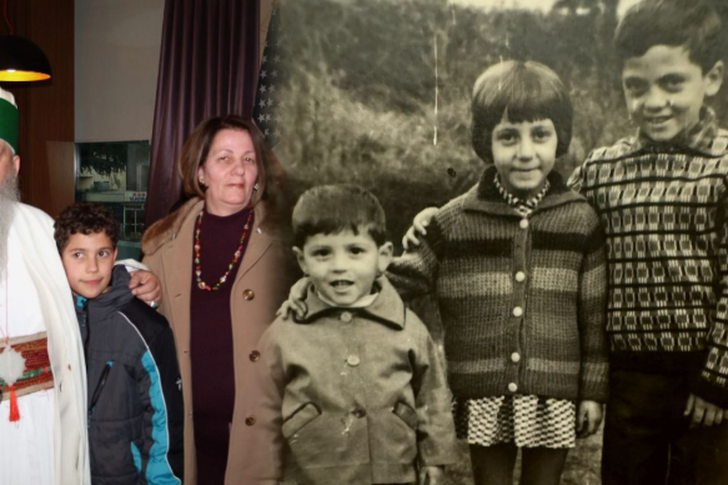
I met Dallandyshe Brahimaj (White) at the World Bektashi G...
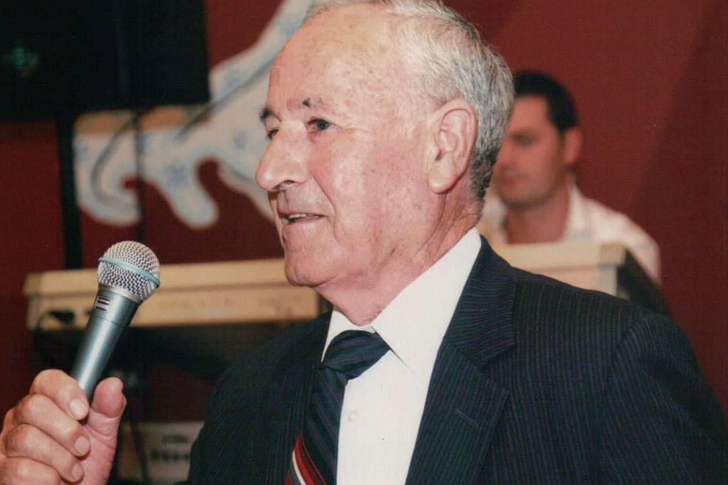
Today, Korça has lost one of the most popular art figures....
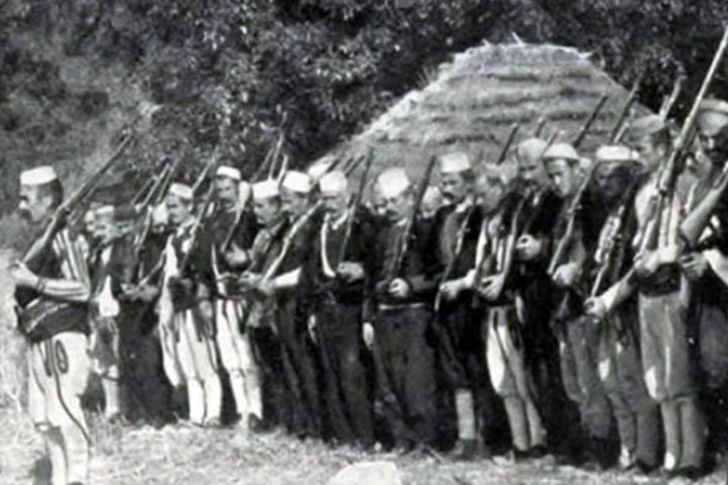
78 YEARS AGO, POSTRIBA ENTERED HIGHLY IN NATIONAL HISTORY!...
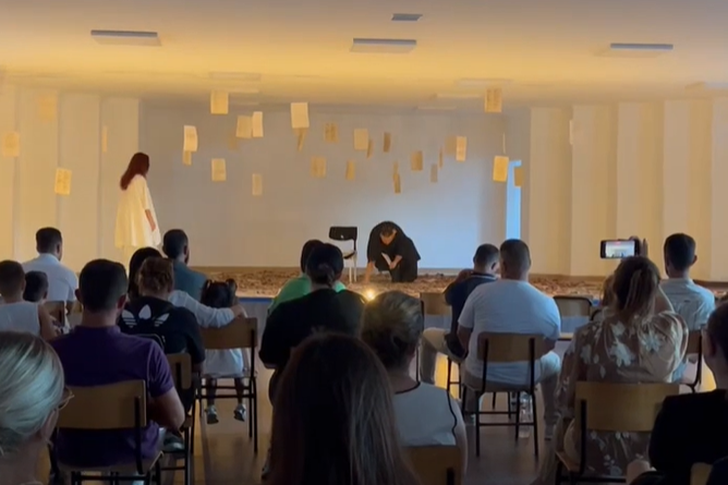
"Gjergj Fishta Moving Theater" comes to Devoll with the sh...
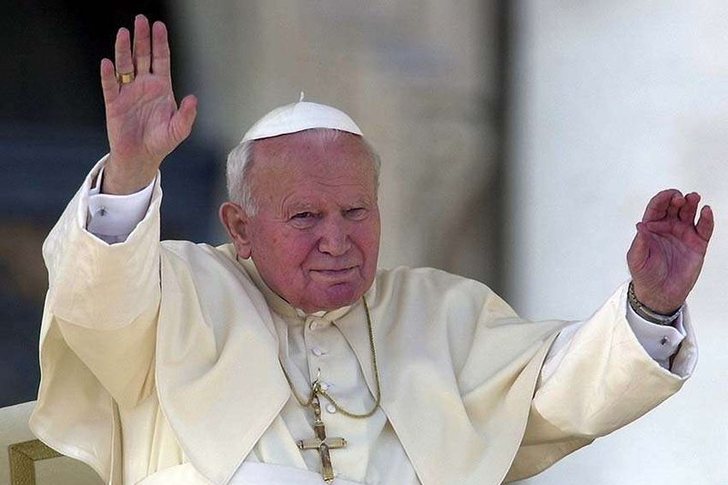
Pope John Paul II, born Karol Wojtyla, was born on May...
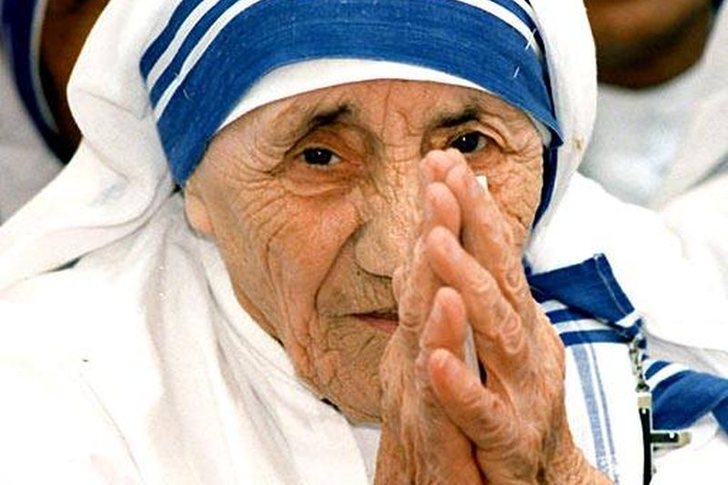
September 5, 1997 marks the death of the missionary an...
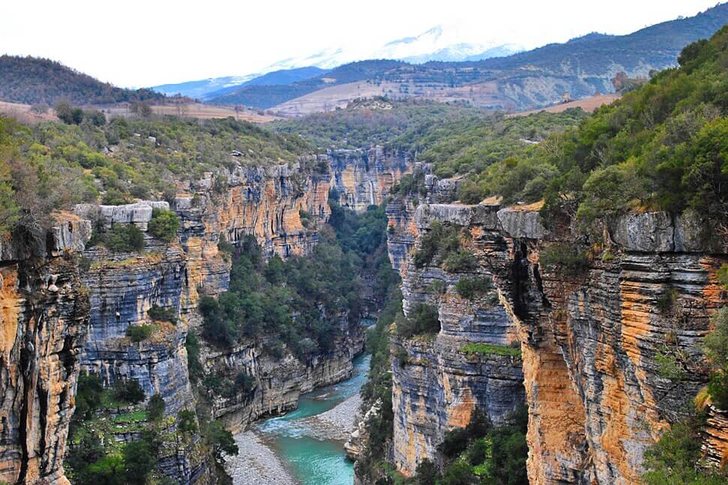
To the south of the city of Përmet, above the village ...
When I told my wife, we will have lunch at the restaurant,...
At the beginning of September 1928, when Albania had just ...
60 musicians of the Wismar orchestra in Germany have trave...
On Tuesday evening, the first edition of the folklore fest...
Rye (Secale cereale) is a type of grain, used for bread an...

The 30th Sarajevo Film Festival ended with the awards cere...
Artan opened the bottom drawer of the library again. Of th...
In a world where tensions and conflicts are a permanent re...
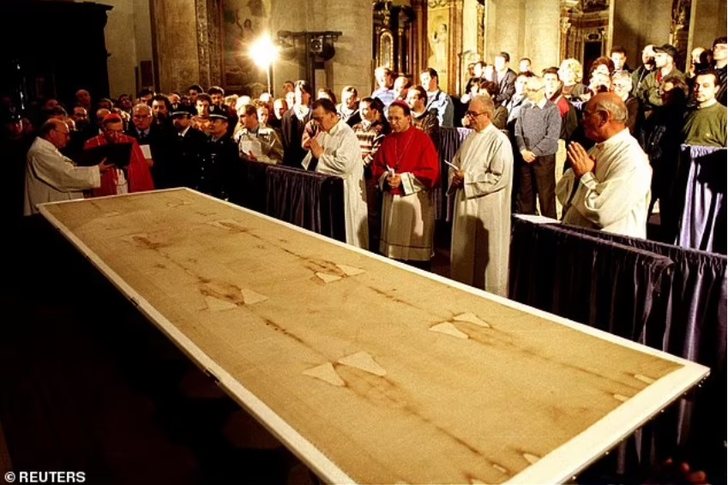
A new analysis of the Shroud of Turin, a 4-meter long line...
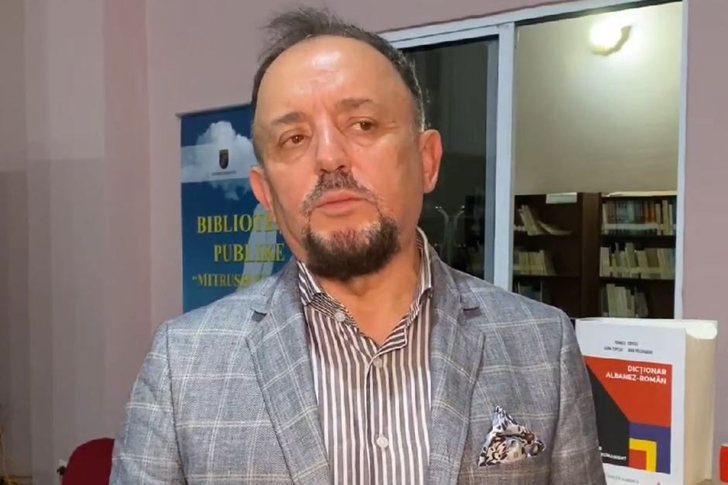
Yesterday evening, the book "Difficult Poet Lasgush Po...

After a long career that brought him legions of fans, and ...
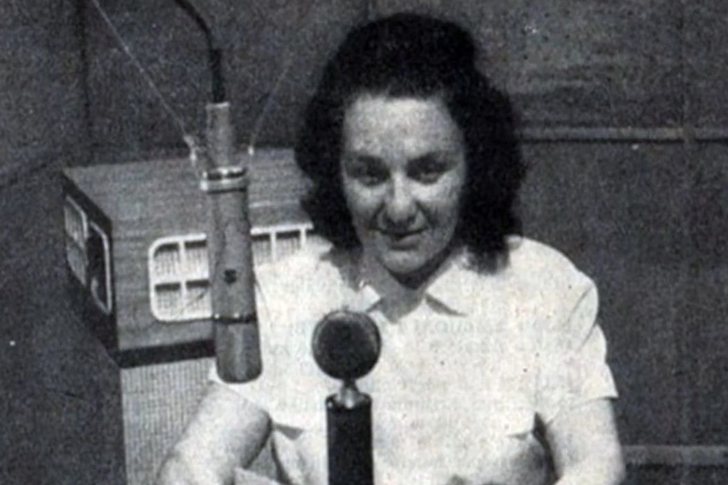
Albanian film and theater actress, Vera Zheji, one of the ...
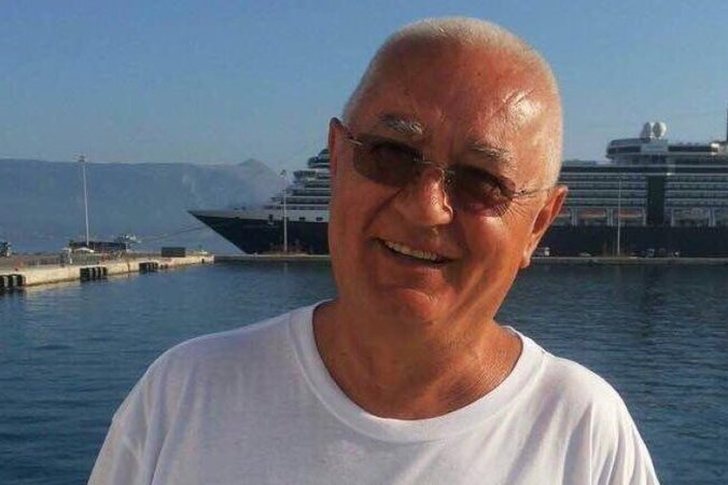
From the house of my parents who left years and years ...

CNA has launched another investigation that could lead to ...

Irfan Hysenbelliu is a businessman that we call "Irfan the...

In March 2026, CNA launched another investigation centered...
The arrested mayor of Tirana, Erion Veliaj, with 13 charge...

The Special Board of Appeal (KPA) decided this Monday ...

The KPA vetting decided this Thursday to dismiss the p...

Suela Salavaçi, a prosecutor in the Prosecutor's Offic...

The Special Board of Appeal reinstated the prosecutor ...
Another phase of the international operation, codenamed "T...
Police have arrested a 34-year-old woman at Rinas Airport ...
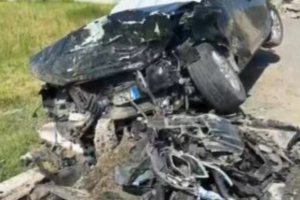
A serious accident has occurred on the Lezhë-Shëngjin axis...
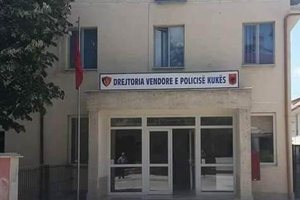
A serious incident has occurred in Morina, Kukes. Citizen...
This Wednesday, our country will be under the influence of...
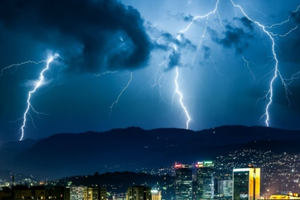
All of Southern Europe will face changing weather conditio...
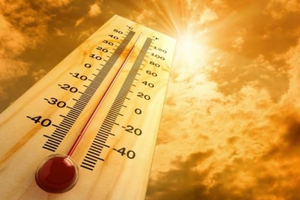
Albania was hit by temperatures significantly higher than ...

For the first time, Pogradec welcomed the Inter-Lake Chess...

Prime Minister Andy Burnham has announced that most bus fa...
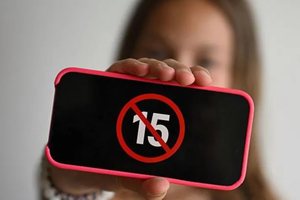
France's parliament has passed a law to ban social media f...

US Secretary of State Marco Rubio arrived in Manila on Jul...

In the space of a few days, Ukrainian President Volodymyr ...

At a time when industrial products are increasingly taking...

Trust among people is not just a three-syllable word. It c...

Master of humor Todi Llupi has passed away at the age of 7...

The ninth edition of "MIK Festival" kicked off with one of...

Businesses will no longer be required to simply register t...

Despite economic growth and income in recent years, Albani...

This Wednesday, one US dollar is bought for 81.4 lek and s...

Construction company licenses will have a validity period ...