


5 magical nights with the Beer Festival in Korça/ Here are the artists who will give a spectacle
2026 marks the 20th anniversary of the Korça Beer Festival...

2026 marks the 20th anniversary of the Korça Beer Festival...

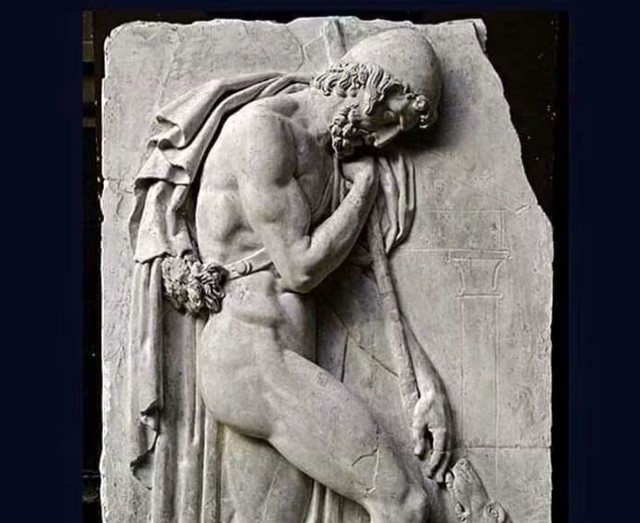
In the history of Western art and literature, few moments carry the weight of a nature as human and profoundly moving as Odysseus' encounter with his dog, Argos. In Book XVII of Homer's Odyssey, this encounter carries a profound tragedy. Odysseus returns to Ithaca after a 20-year absence, transformed by Athens into an old, ragged beggar to avoid being dictated to by claimants to the throne. No one recognizes him: not even his servants, not even his closest people.
The only one who immediately recognizes him is Argos, his hunting dog, whom Odysseus had raised himself before setting out for Troy. Neglected, old, and lying on the rubbish heap, Argos, exhausted by fleas, isolation, and age, hears his master's voice. He no longer has the strength to get up or run toward him, but he lowers his ears in a sign of submission and love and wags his tail with all the strength he has left.
Odysseus, in order not to reveal his identity to Eumaeus (the shepherd of the pigs who accompanied him), is forced to wipe away a tear in silence, without turning his head to his faithful dog. At that very moment, after waiting for his master for two decades, Argos closes his eyes forever.
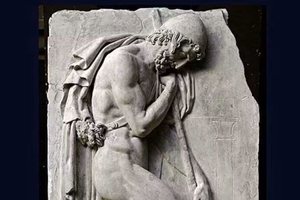
French sculptor Pierre-Amédée Durand has masterfully captured this psychological dynamic in his marble relief. In this creative rendition, Odysseus is depicted bent over, one hand reaching slightly towards Argos’ head, while the other holds the beggar’s staff. Odysseus’ gaze is not simply sad, but charged with the tension of being forced to hide his pain, a true masterpiece of neoclassical sculpture that gives shape to stone, a loyalty that survives time.
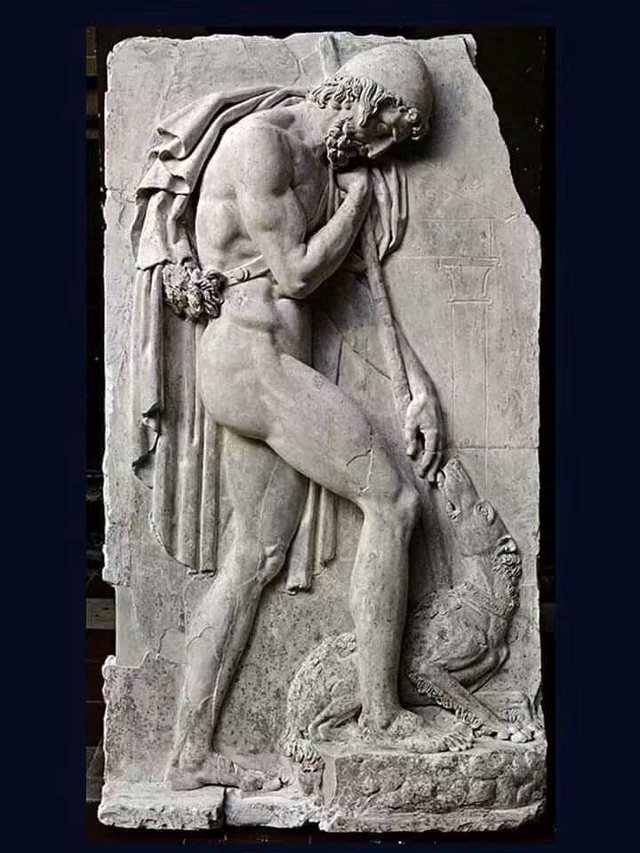
On his head, Odysseus wears a plis (pillar), a detail that imprints the presence of this identifying component in the depths of time. The detail of the hat on Odysseus' head in sculpture was called in antiquity Pilos (in ancient Greek: π?λος) or Pileus in Latin. In the classical visual tradition, the hero of Ithaca was almost always depicted with this capless shajak hat. Odysseus was not placed on his head with the golden crown of the ruler, but with the pilos, a simple head covering made of pressed wool.
In ancient iconography, every deity or hero had a designated "symbolic garment." Odysseus, the hero of the seas, trials, and wanderings, was always identified with Plis.
The plis symbolized the traveler, the sailor, the man of trials and labor, not a king sitting on a throne. As a wandering hero who spent 10 years at sea, the shalwar kameez was his practical protection from the sun and the sea.
In ancient Rome, the Latin variant of the pilos (pileus) was given a deep social and political significance through the Manumission Ritual. When a slave gained or purchased his freedom, the master or magistrate placed a pileus, plis, on his head. From that moment on, he became a libertus (free man). For this reason, on Roman coins, the pileus cut between two knives became a symbol of the overthrow of tyranny, as happened on the coins struck by Brutus after the assassination of Julius Caesar, a symbolism that centuries later was inherited in the Phrygian Hat of the French Revolution.
During the classical period, the pilos, or pleated, was used massively by the populations of the Mediterranean (Greeks, Illyrians, Thracians, and Etruscans) as a practical covering from rain and sun, as it was made from compressed wool (shajak) without a peri weave, which was water-resistant.
What connects this element with today's Albanians is based on three main pillars:
1. Etymological Origin (Pilos \rightarrow Plis): Linguists and Albanologists, including Eqrem Çabejn and Vladimir Orelin, have documented that the Albanian word plis derives from the ancient Proto-Albanian/Mediterranean form *p(i)litja, which is related to pilos (Greek) and pilleus (Latin), with the original meaning: shag fabric / compressed wool.
2. Illyrian Archaeological and Ethnographic Evidence:
Archaeological discoveries in Illyrian lands, such as helmets or bronze figurines in Southern Illyria and Liburnia, indicate the widespread use of this hemispherical shajaku hat. The Illyrians were represented in ancient art with certain elements: the shajaku simbrika / guna, a thick cloak fastened with a fibula, the Illyrian tunic with long sleeves and a belt, as well as shajaku (pleated) hats. The technique of wool compression, opingat and xhubleta, protected by UNESCO, constitute visual evidence of this cultural longevity.
3. Interrupted Continuity: With the decline of the ancient world and the medieval transformations, most Mediterranean peoples replaced this headdress with other coverings (knitted fabrics, turbans or hats with a brim). The Illyrian-Arbër population was the only one in the Balkans that preserved this form without interruption until today in the form of the plis/qelesha.
The fact that the Albanian language is the only separate branch in the Indo-European language family that survived Romanization and Slavization in this part of the Balkans constitutes the most scientific evidence that the Illyrian-Albanian population was and remained the main autochthonous factor in these regions.
Therefore, when we see the marble relief of Pierre-Amédée Durand or ancient sculptures, we notice the 3,000-year-old invisible bridge of Mediterranean material heritage that has survived alive in the Albanian plis./ CNA

Two windows, a century of history and the metaphysics of p...
In my research at the Central State Archives, specifically...
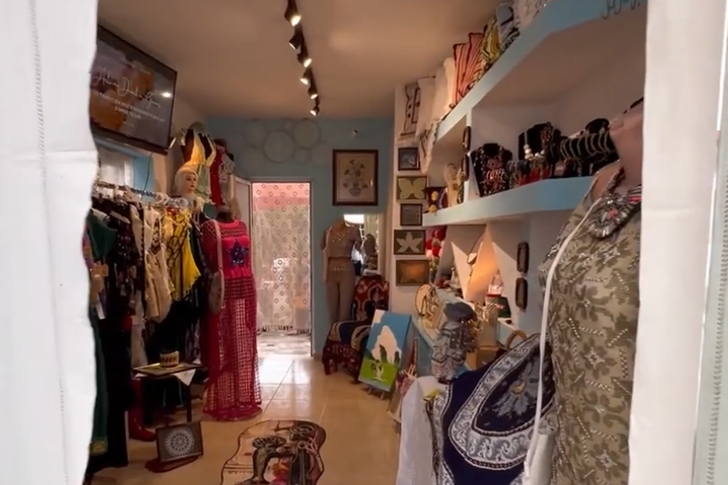
At a time when industrial products are increasingly taking...
Trust among people is not just a three-syllable word. It c...
Master of humor Todi Llupi has passed away at the age of 7...
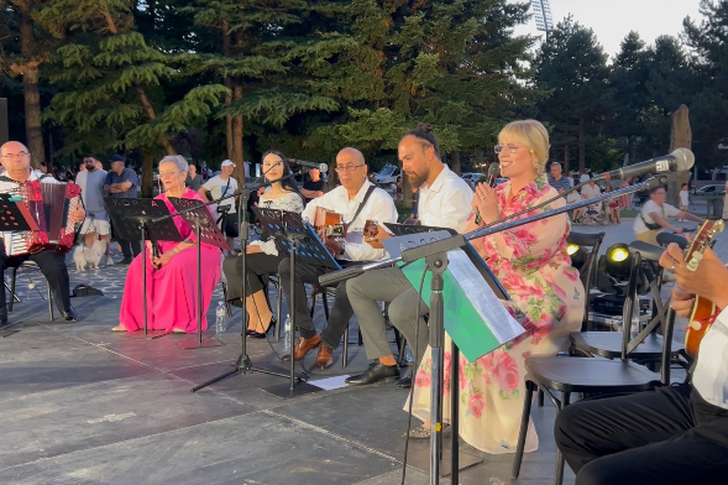
The ninth edition of "MIK Festival" kicked off with one of...
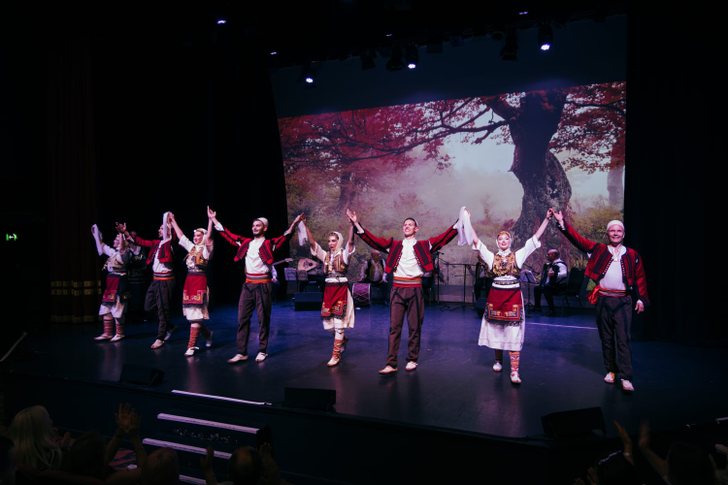
A historic evening for Albanian culture was marked in the ...
When I turned 10, another building was built in front of o...
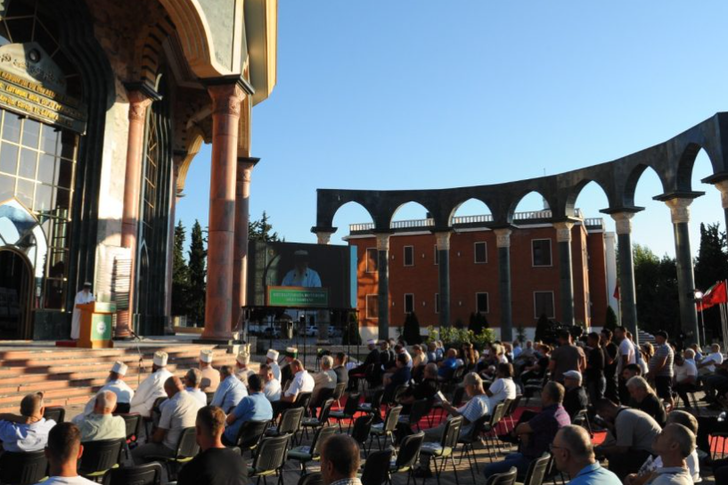
A special scientific conference was held by the World Bekt...
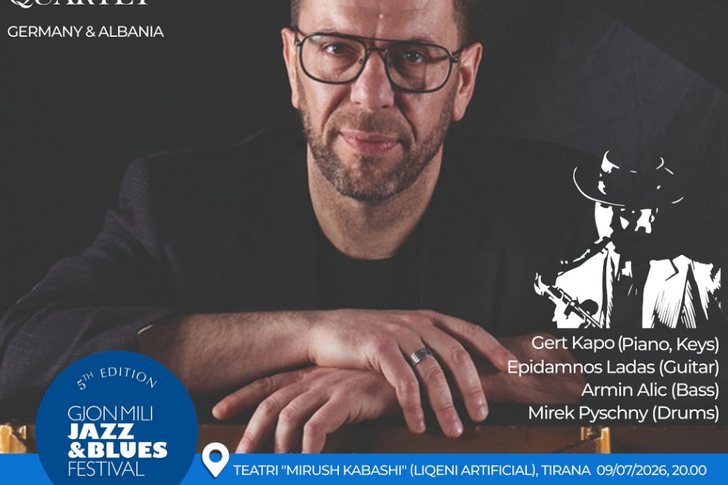
The German Embassy in Tirana has invited the Albanian publ...
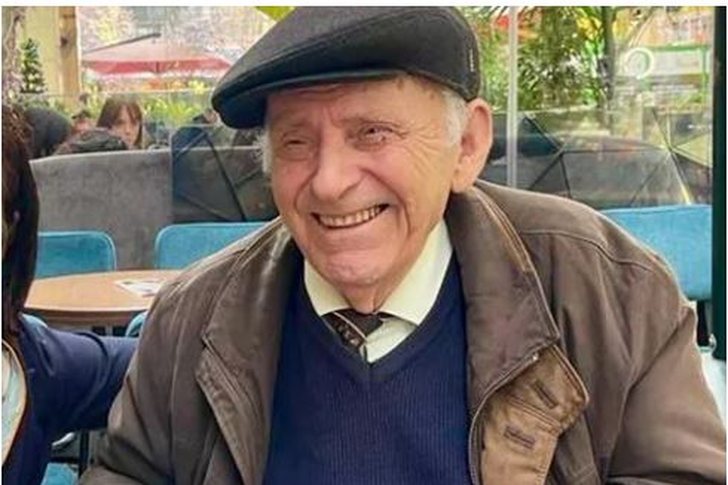
Professor and literature scholar Ali Xhiku has passed away...
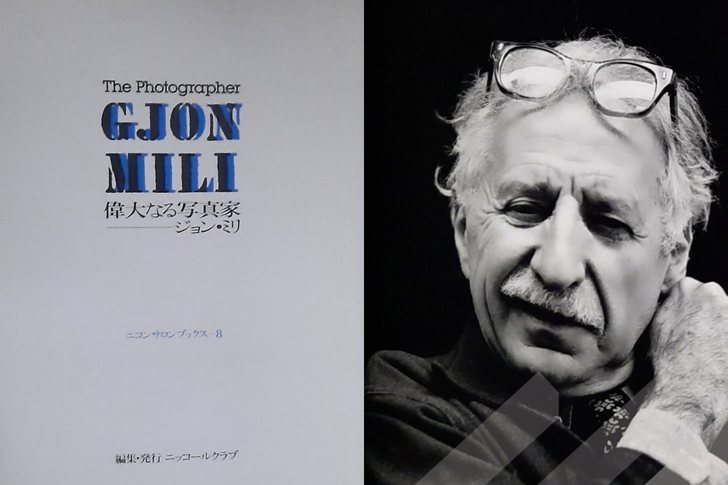
During my research into the life and artistic photographic...
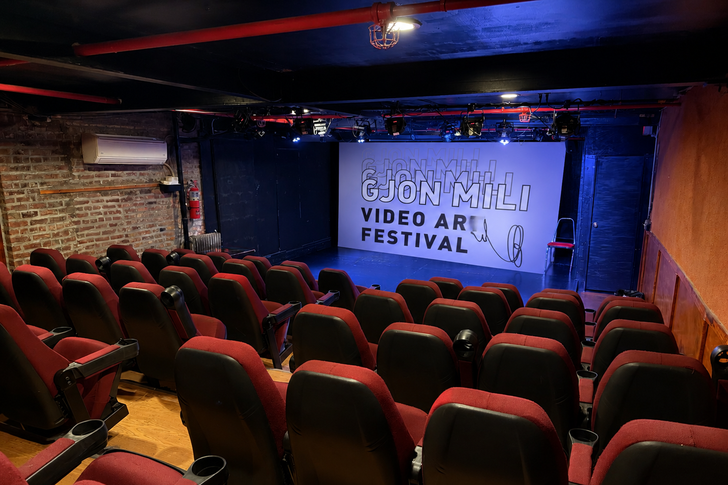
This year's edition of the Gjon Mili International Video A...
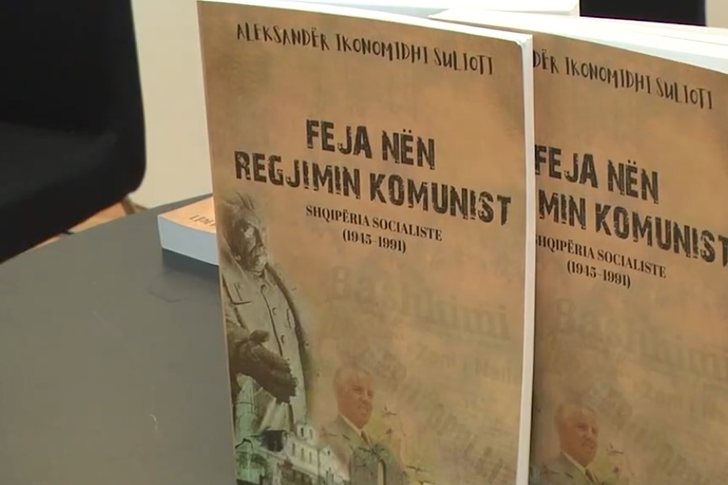
The promotion of the book by author Aleksandër Ikonomidhi ...
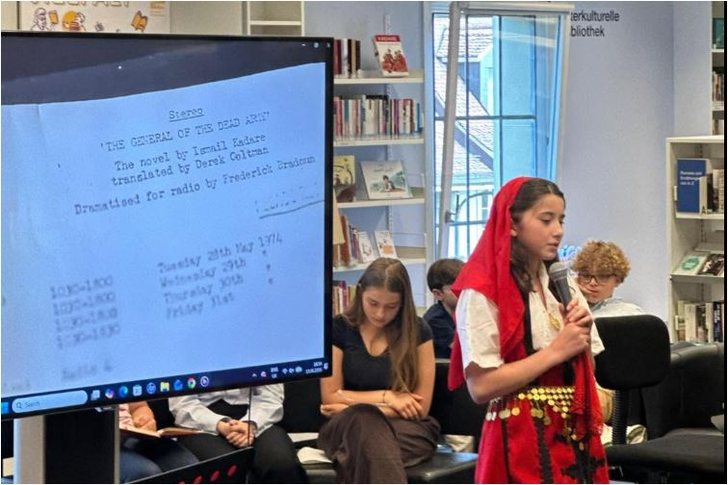
The Albanian Embassy in Switzerland has organized an eveni...
This Wednesday, the prominent actor of Albanian cinema, Gj...
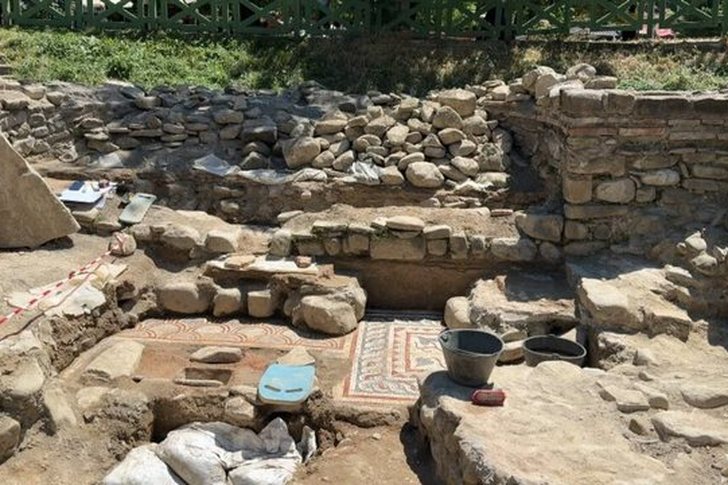
Several archaeological excavations conducted during this s...
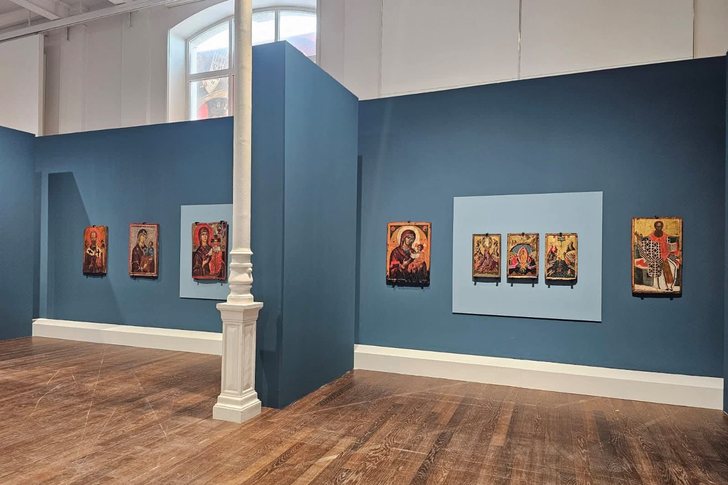
At the Museum of Fine Arts in Chambéry, France, an exhibit...
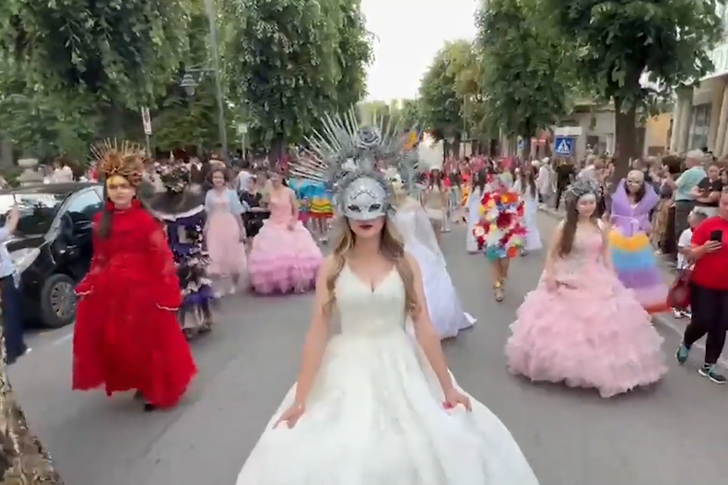
Korça has transformed this weekend into the capital of cel...
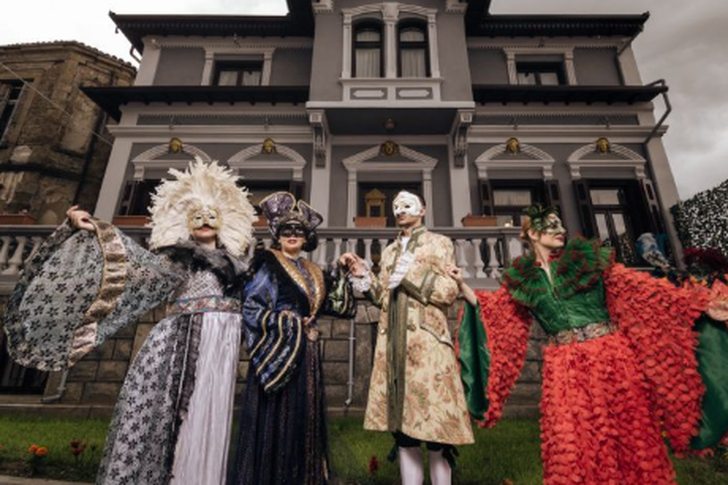
Korça is ready to open the summer season with one of the c...

The 50 million euro tender for the maintenance of national...
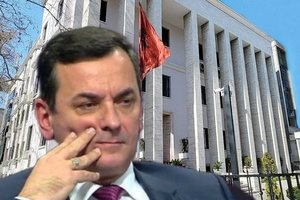
Today we will bring another article that breaks down the w...
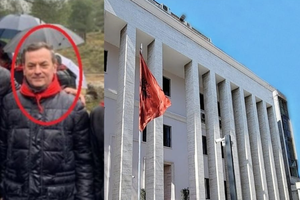
CNA has put under scanner the assets of Sokol Sadushi, the...
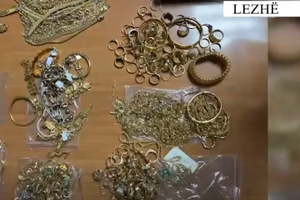
A 39-year-old citizen has been arrested in Lezha, after se...

The Special Board of Appeal (KPA) decided this Monday ...

The KPA vetting decided this Thursday to dismiss the p...

Suela Salavaçi, a prosecutor in the Prosecutor's Offic...

The Special Board of Appeal reinstated the prosecutor ...
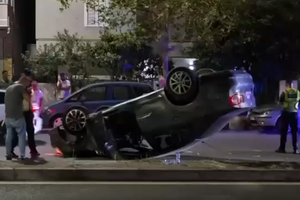
A serious road accident occurred tonight on "Vllazërimi" s...
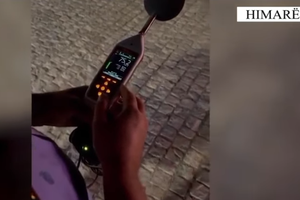
During the checks carried out by the State Police for envi...
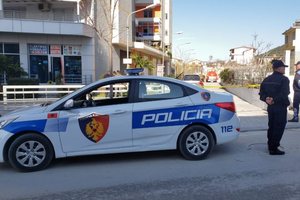
Police have revealed details of the incident that occurred...
According to preliminary information, a person in his 60s ...
Ditën e sotme vendi ynë do të jetë në ndikim të masave ajr...
The public sector took the lead in absorbing the workforce...
Today, our country will be under the influence of unstable...
The Institute of Geosciences has today shared a forecast r...
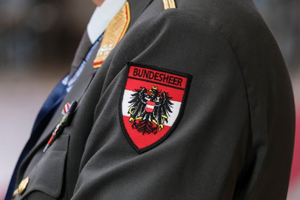
The Austrian government announced on Monday that it plans ...
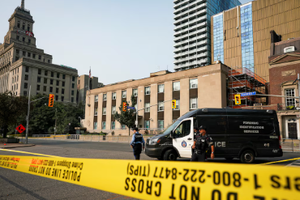
Shots were fired outside the US consulate in Toronto today...

US President Donald Trump said today that he could order n...

The Pentagon revised its official casualty count from the ...
In the history of Western art and literature, few moments ...
Two windows, a century of history and the metaphysics of p...
In my research at the Central State Archives, specifically...

At a time when industrial products are increasingly taking...
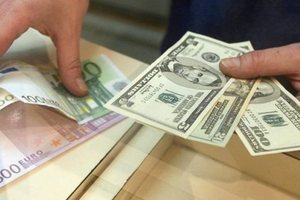
This Tuesday, one US dollar is bought for 81.7 lek and sol...

The Ministry of Finance will hold the reopening of the 15-...

After strong savings growth in the years following the pan...

This Monday, one US dollar is bought for 81.5 lek and sold...