


Tomorrow is the Albanian Language and Literature exam/ Mirela Kumbaro warns high school graduates
Minister of Education Mirela Kumbaro announced that prepar...

Minister of Education Mirela Kumbaro announced that prepar...


Polls published today showed that Italian Prime Minister Giorgia Meloni is set to lose a referendum on her major reform of the judicial system by a narrow margin, dealing a potential blow to the governing coalition ahead of next year's general election.
The opposition-backed "No" camp secured between 49% and 53% of the vote, compared with 47% to 51% for the government's "Yes" campaign, according to polls by Opinio for state broadcaster RAI and S?G for television channel La7.
Youtrend pollsters give 51.5% of the votes "No" versus 48.5% for "Yes".
Voter turnout was close to 60%, much higher than expected after a fierce campaign that revealed a deep and mutual animosity between the right-wing coalition and Italy's judiciary that will leave lasting scars.
If exit polls are accurate, the defeat could mark a turning point for Meloni, taking away her image as a winner in the eyes of the Italian electorate after four years of victories in local and national elections.
Conversely, the result could reinvigorate the fragmented center-left, giving the two largest opposition parties, the Democratic Party and the 5-Star Movement, the impetus to create a broad alliance to confront Meloni and her allies.
Meloni plans to stay in office despite referendum
While Meloni has ruled out the option of resigning because of the result, avoiding the fate of former Prime Minister Matteo Renzi, whose term ended abruptly after a failed constitutional referendum in 2016, a defeat would leave him vulnerable, according to analysts.
Pollsters said on the eve of the vote that many of those who voted "No" were likely doing so to express dissatisfaction with the Meloni administration rather than to deal with the content of the highly technical reform.
The referendum proposed the separation of powers of judges and public prosecutors, as well as the division of the self-governing body of magistrates, the High Council of the Judiciary (CSM), into two sections, with members chosen by lot instead of being elected.
The government argued that the changes were necessary to make the judiciary more accountable for its mistakes, to eliminate potential bias in the system against defendants, and to prevent politically motivated factions from distributing high positions to their supporters.
According to the government itself, the changes would not have addressed one of the main problems affecting Italy - a notoriously slow legal system that weighs on the economy. The magistrates' union and opposition parties said the reform would erode judicial autonomy, giving Meloni de facto control over the judiciary, something she denied. The referendum victory is likely to encourage the prime minister to press ahead with other major constitutional changes, such as directly electing the prime minister.
The potential rejection by voters leaves her weakened at home as she faces a stagnant economy and complex international challenges. It could also weaken her position in Europe, where she was previously seen as unexpectedly resilient and stable. / Reuters


Ukraine and Russia have exchanged major drone strikes, eac...

US President Donald Trump backed away from a threat to att...

US President Donald Trump ordered a halt to attacks on Ira...

A serious incident occurred on Sunday evening in a village...

The conflict over the Strait of Hormuz is escalating signi...
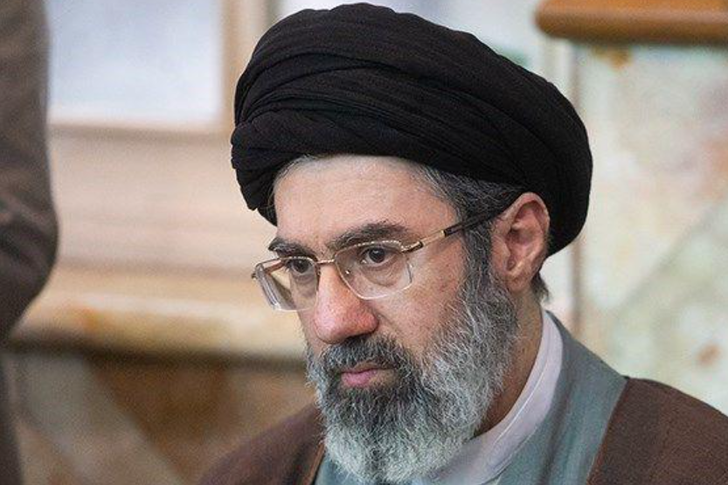
American media, including 'The Washington Post', are repor...
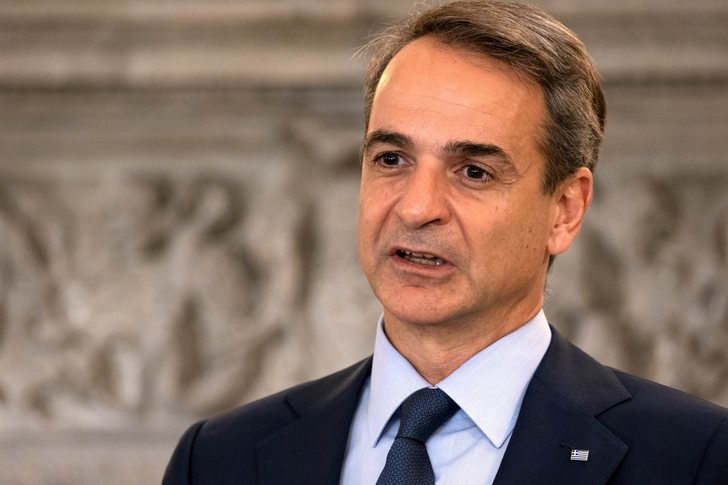
Greek Prime Minister Kyriakos Mitsotakis has announced mea...

Former French Prime Minister Lionel Jospin has died at the...

Dy pilotë humbën jetën në Nju Jork, pasi një avion kanadez...

Western intelligence agencies, including the United States...
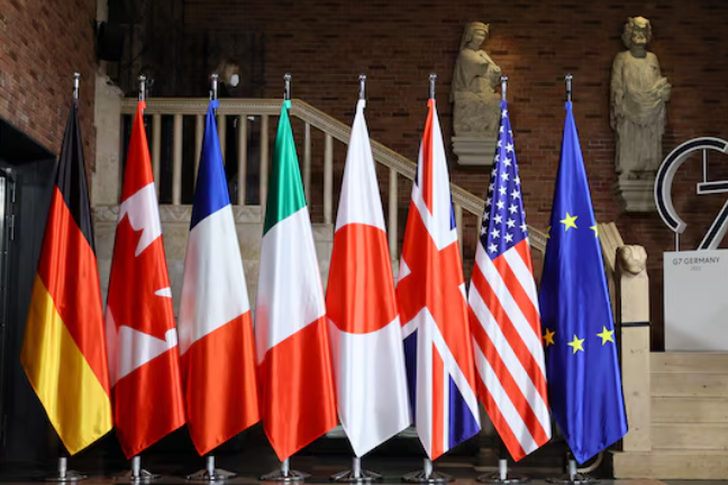
The G7 countries have called on Iran to immediately and un...

Parliamentary elections are taking place in Slovenia this ...
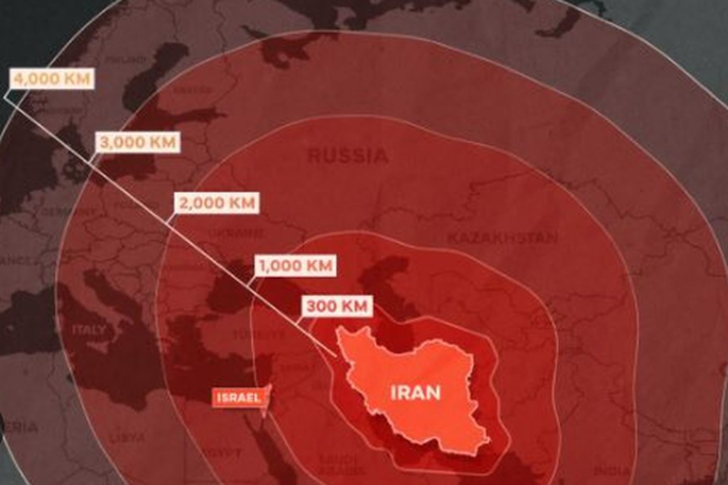
The missile strike by Iran on the Diego Garcia base, about...

The parliamentary elections that took place in North Korea...
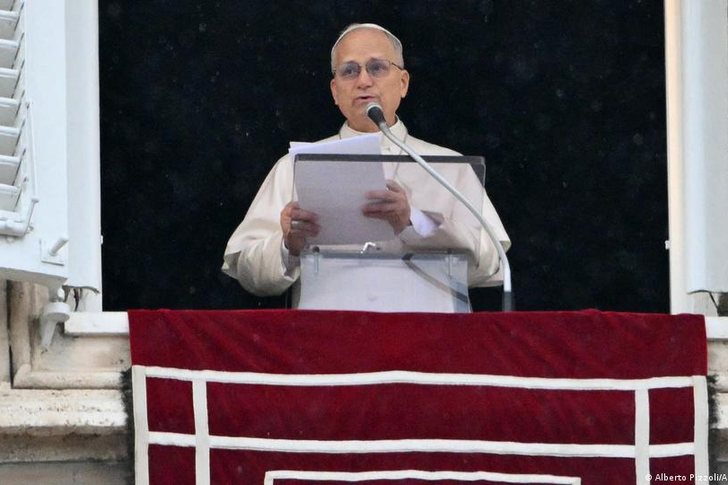
Pope Leo said today that the pain, death and suffering cau...
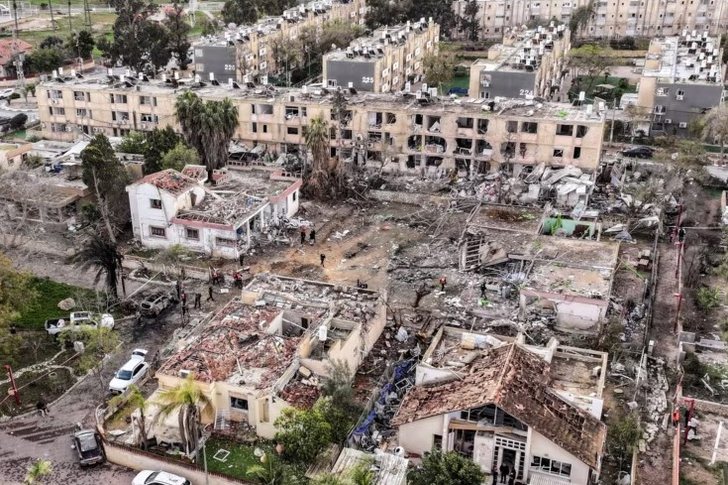
The Israeli military said on March 22 that Iran has fired ...
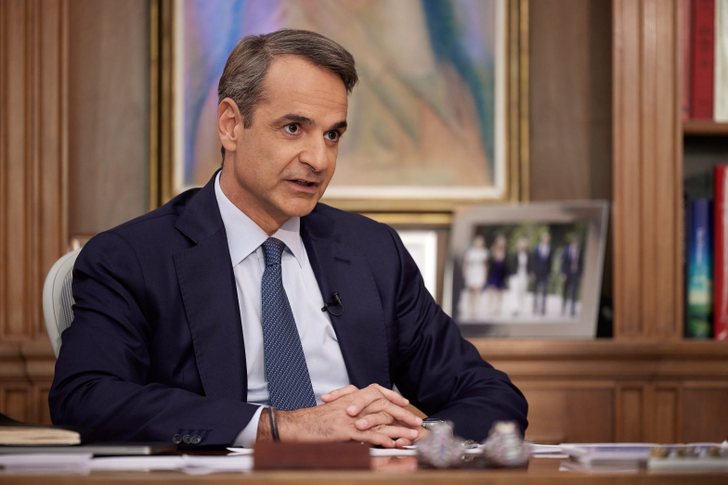
Kryeministri grek Kyriakos Mitsotakis iu referua zhvillime...

Israeli Prime Minister Benjamin Netanyahu condemned Tehran...

The perception that the US did not consult with regional a...

US President Donald Trump is aiming to force Iran to open ...
The in-depth investigations that SPAK conducted into Ajola...
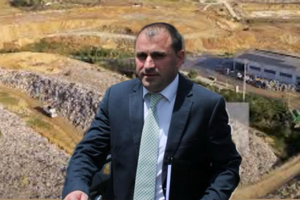
SPAK's standards, the way it investigates, how it secures ...

Irfan Hysenbelliu claims to be a big businessman, an hones...

The murder of officer Enea Mekolli in the line of duty has...

The Special Board of Appeal (KPA) decided this Monday ...

The KPA vetting decided this Thursday to dismiss the p...

Suela Salavaçi, a prosecutor in the Prosecutor's Offic...

The Special Board of Appeal reinstated the prosecutor ...
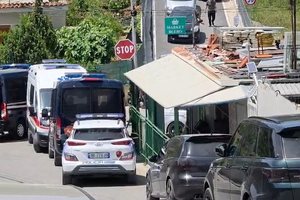
Tirana Police Director, Oliger Torba, gave a statement to ...

Një 59-vjeçar është arrestuar në Korçë pasi u kap duke lëv...

A serious incident occurred this Monday afternoon in Kamëz...
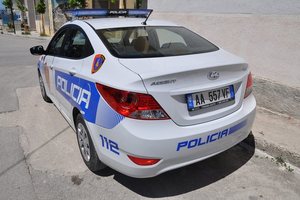
At noon this Monday, gunshots were recorded in Kamëz. Acc...

On Monday, our country will be affected by relatively stab...

More than 860 million people fall ill and 1.5 million die ...
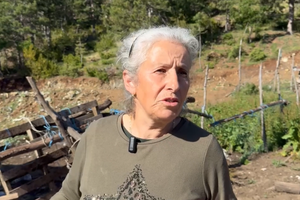
The mother of Violand Braçellari, the perpetrator of the s...

The modern European traveler seeks a meaningful connection...

Australia in December became the first country in the worl...
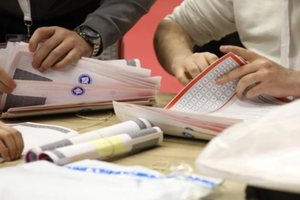
The vote counting for political entities in Kosovo has bee...
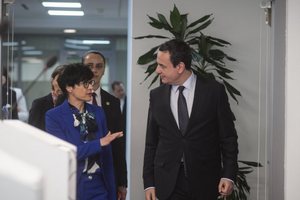
The European Union Commissioner for Enlargement, Marta Kos...
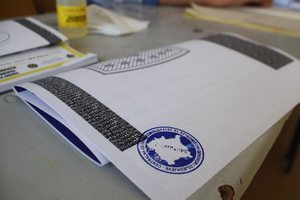
The counting of votes for political entities in Kosovo has...

Korça has transformed this weekend into the capital of cel...
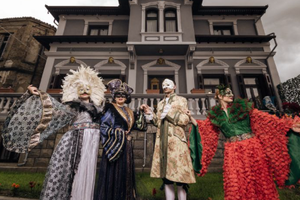
Korça is ready to open the summer season with one of the c...

Two years after his passing, the renowned Korçë poet Skënd...
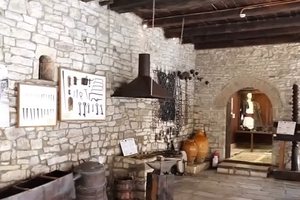
The Ethnographic Museum of Berat has opened its doors to v...
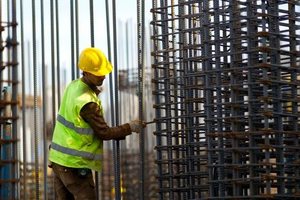
The construction sector is going through a challenging per...

This Monday, one US dollar is bought for 81.8 lek and sold...
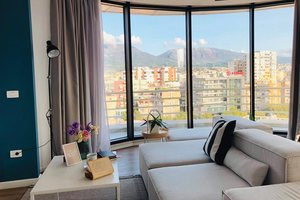
The tourist apartment market is continuing to expand at a ...
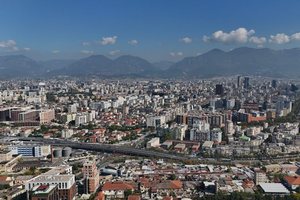
The number of properties sold by entities monitored by the...