

What is known so far about the Iran deal?
The relief created by the announcement of a ceasefire betw...


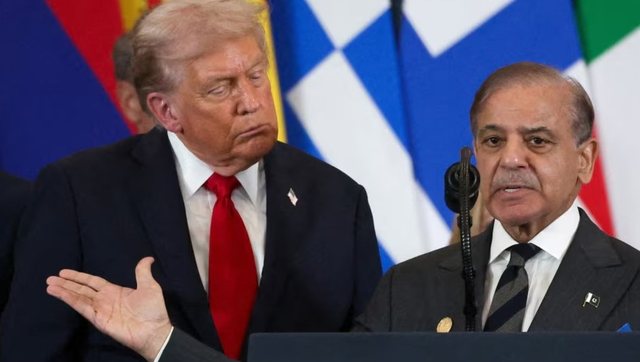
Pakistan appears to have achieved a major diplomatic breakthrough by playing a proactive role in brokering a 14-day ceasefire and laying the groundwork for talks between the United States and Iran in Islamabad on April 10.
The ceasefire, reached at the last minute and announced by Pakistani Prime Minister Shehbaz Sharif on April 8, came just hours before the deadline set by US President Donald Trump, who warned Iran of consequences that could lead to the destruction of a civilization "that would never rise again."
"The Islamic Republic of Iran and the United States, along with their allies, have agreed to an immediate ceasefire everywhere, including in Lebanon and elsewhere," Sharif wrote in X.
Referring to his conversation with Sharif and Pakistan’s army chief, Asim Munir, whom he has previously described as his “favorite field marshal,” Trump wrote on Truth Social: “I have agreed to suspend bombing and attacks on Iran for a two-week period.” Iranian Foreign Minister Abbas Araqchi also praised Sharif and the army chief for their efforts.
Analysts have described the development as a "gift from God" for nuclear-armed Pakistan, which has repeatedly faced accusations from various US administrations - including the Trump administration - that it has played a double game during the NATO and US war against the Taliban in Afghanistan.
Pakistan has also strengthened its ties with oil-rich Gulf states, while successfully avoiding the risk of an unwanted conflict with Iran - especially since Saudi Arabia, which signed a strategic defense agreement with Islamabad last year, could be involved in the war.
"Pakistan acted wisely by boosting its diplomatic image while also avoiding a war with its closest neighbor, Iran," said Ayesha Siddiqa, a research fellow at the Department of War Studies at King's College London and author of "The Army: Inside Pakistan's Military Economy."
"It is easy to get involved in war, but it is very difficult to get out of it," said Siddiqa, who added that Pakistan was the only country in the region that could talk to both Iran and the US, and it used this opportunity wisely.
Pakistan shares a nearly 900-kilometer-long border with Iran, which separates Iran's Sistan and Baluchistan province from Pakistan's Balochistan. The region, which has difficult terrain and limited state control, is home to a number of militant groups, including the anti-Iranian group Jaysh al-Adl (formerly known as Jundallah), as well as Baloch separatist groups operating on the Pakistani side of the border.
Siddiqa also argued that Pakistan had little choice but to intervene and broker a deal. According to her, given the escalating situation, Saudi Arabia could have ended up getting involved in the conflict if Iran continued to attack facilities inside the kingdom. Under the Mutual Defense Agreement – ??which states that an attack on one party is considered an attack on both states – Pakistan would have faced great pressure to support Saudi Arabia, and potentially would have had little choice but to join the Saudi-led war against Iran.
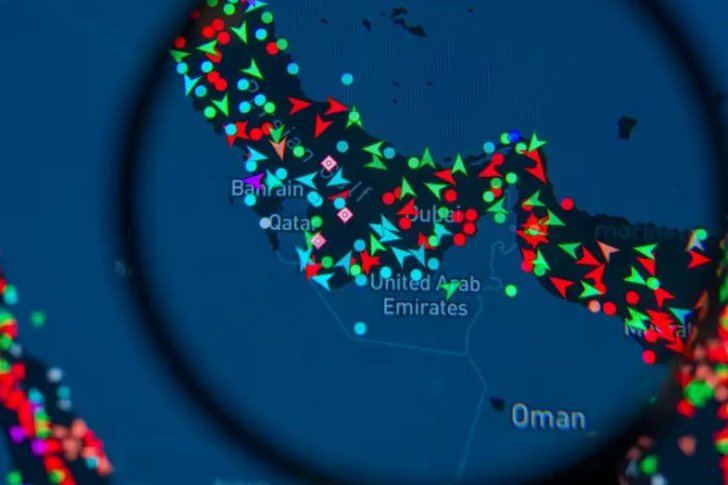
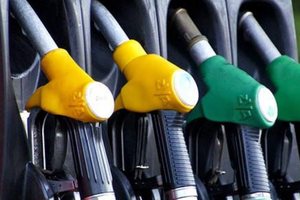
Under the temporary ceasefire, Iran will reopen the Strait of Hormuz, allowing traffic through the sea route. The closure of the strait has caused an oil shortage that has affected consumers around the world. About a fifth of global oil passes through the Strait of Hormuz.
Citing Iranian media, Reuters reported that the Iranian proposal for peace negotiations includes lifting sanctions against Iran, releasing frozen state assets and withdrawing US troops from the region. President Trump has described the proposal as a “good basis” for negotiations.
Iran's semi-official ISNA news agency reported on April 8 that Iranian Parliament Speaker Mohammad Baqer Qalibaf will lead the Iranian negotiating team during talks expected to be held on April 10 in Pakistan. But the Tasnim news agency, citing an unidentified source, reported that no decision had been made on who would be part of the Iranian delegation.
This news agency reported that the Supreme National Security Council, together with three branches of the Government and other relevant officials, are reviewing all aspects of the negotiations and there will be official announcements on the matter soon.
The US has also not confirmed direct talks. White House spokeswoman Caroline Leavitt was quoted as saying that "there are discussions about direct talks, but nothing is final until it is made public by the president or the White House."
Israel has also supported the suspension of attacks on Iran. In a post on X, the Israeli prime minister's office said that "Israel supports President Trump's decision to suspend attacks on Iran for two weeks and that Iran immediately open the strait and stop all attacks on the United States, Israel, and countries in the region."
"Pakistan and Iran have never had very warm relations. But, being the closest neighbors and Muslim-majority countries, Iran trusts Pakistan more than any other country in the region," said Khalid Sultan, an analyst based in Islamabad.
Sultan argued that Pakistan's "surprise victory" over India during the four-day war in May 2025 has increased Pakistan's importance to the Gulf countries. Despite Pakistan's fragile economic situation, many Gulf states are now trying to keep Islamabad on their side.
"This gave Pakistan great diplomatic clout to play a key role in reducing tensions in the US-Iran conflict."
He said recent developments have improved Pakistan's image and also strengthened its diplomatic role. /REL

The relief created by the announcement of a ceasefire betw...
US President Donald Trump has warned Iran of possible mili...
White House spokeswoman Caroline Levitt said on Wednesday ...
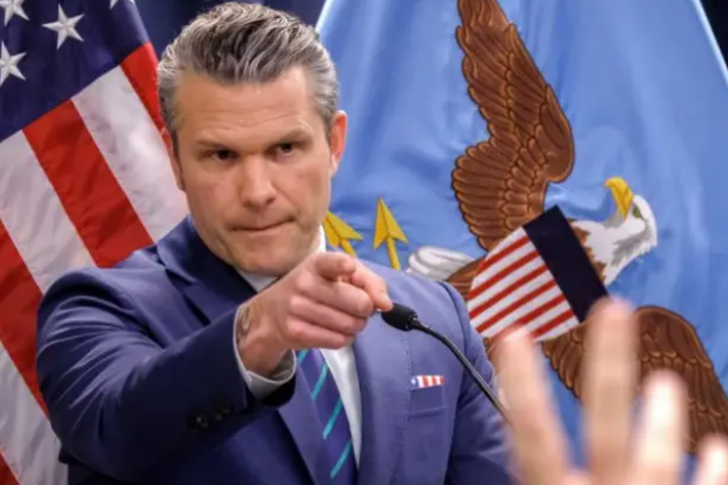
US Defense Secretary Pete Hegseth warned Iran today that i...
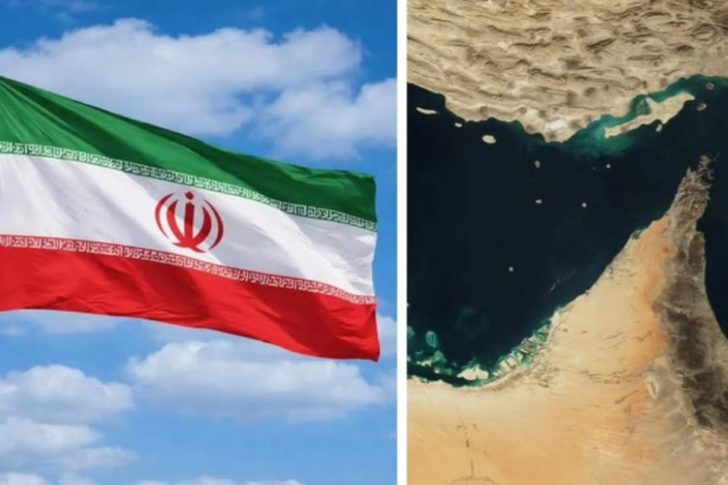
The Iranian regime is reportedly considering imposing a fe...
The FBI and other US federal cybersecurity agencies sent a...
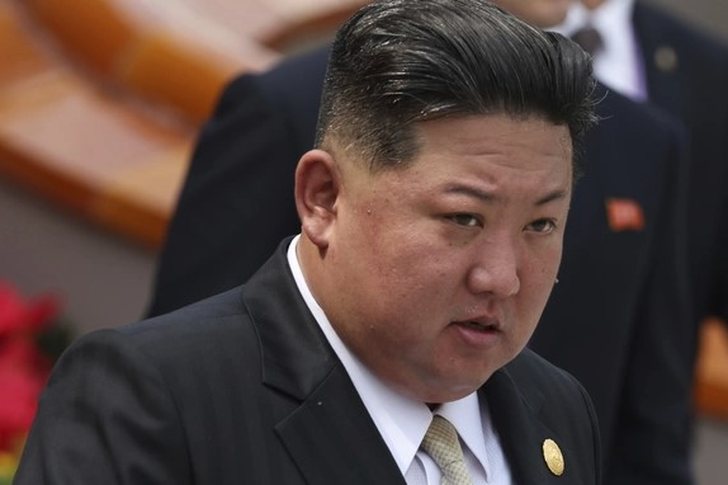
North Korea fired several ballistic missiles on Wednesday,...
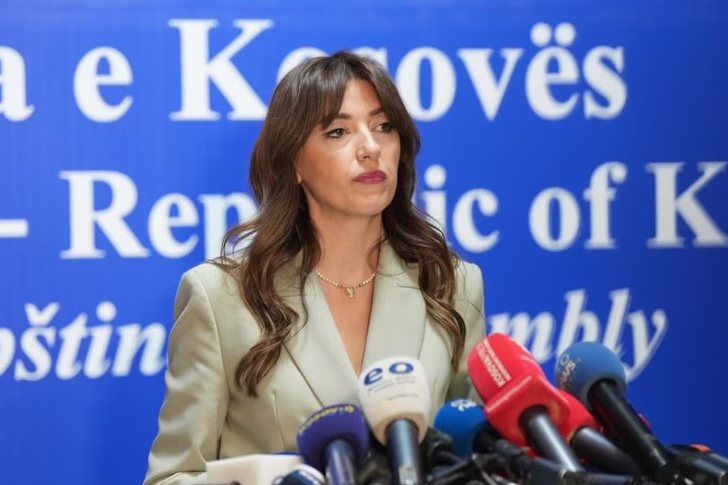
Kosovo's acting president, Albulena Haxhiu, said that the ...
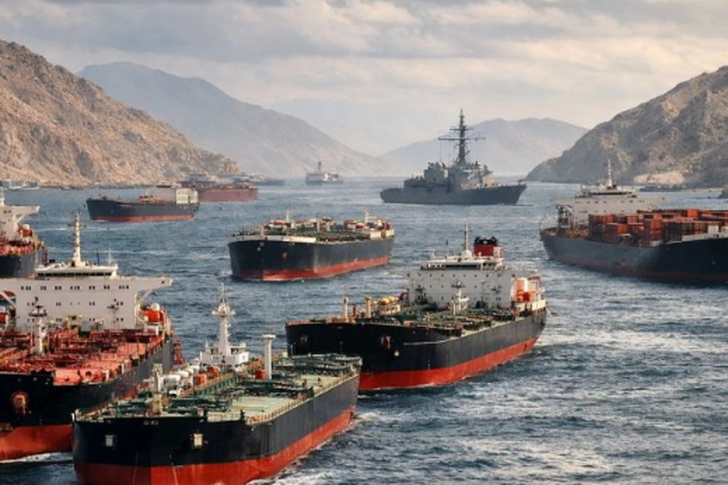
Shipping companies are trying to understand the terms of t...
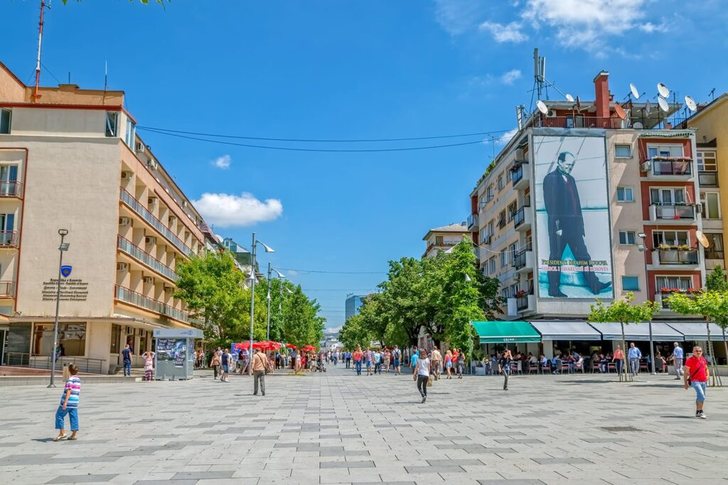
The number of visitors to hotels was 56,644, of which 24,4...
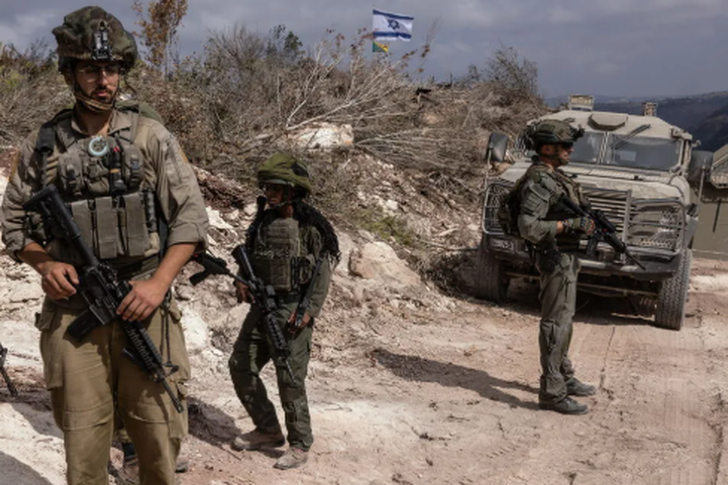
Israeli Defense Minister Israel Katz stated today that the...
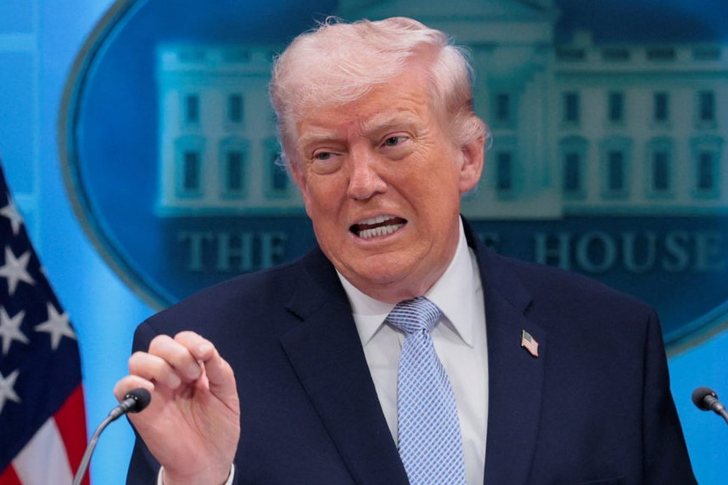
The President of the United States of America, Donald Trum...
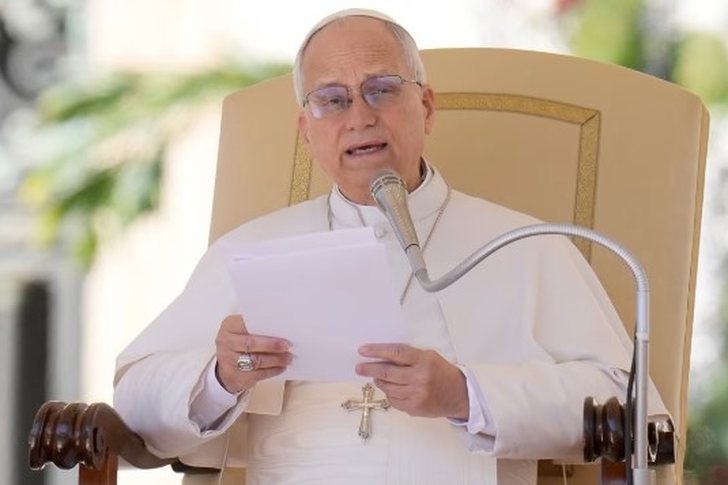
Pope Leo XIV today welcomed the announcement of a two-week...
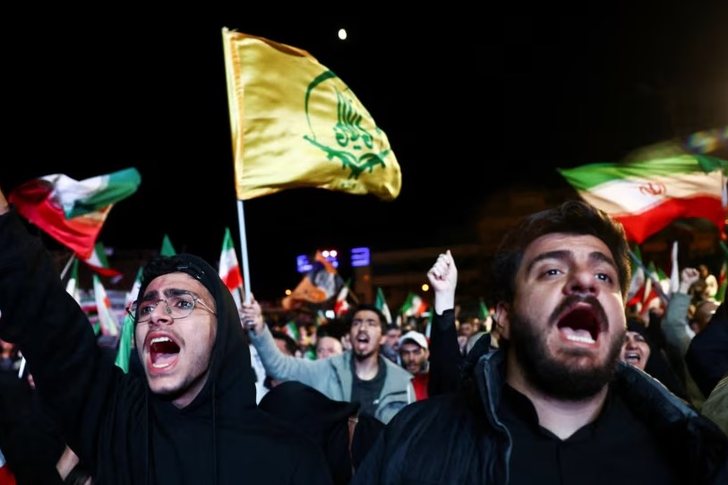
The United States and Iran agreed on Wednesday to a two-we...
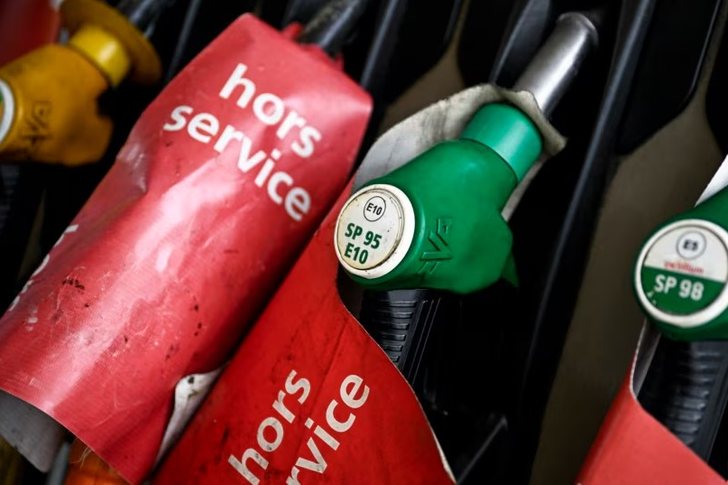
The European Union's key oil and gas groups will meet this...
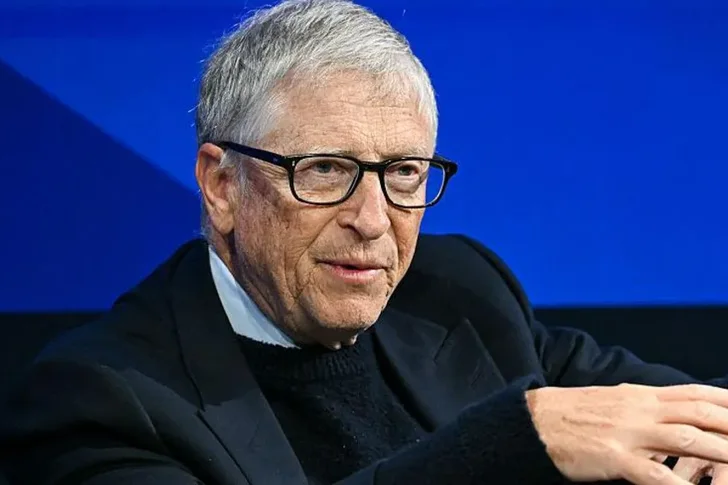
Microsoft co-founder Bill Gates will testify before the US...
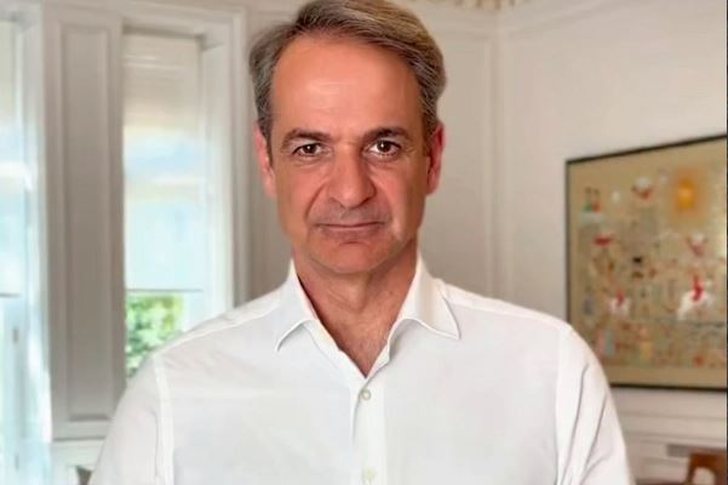
Kyriakos Mitsotakis announced a ban on access to social me...
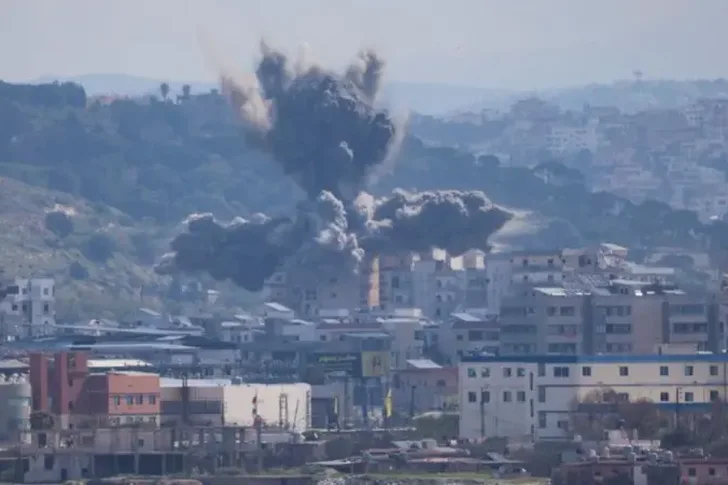
The Israeli military has carried out a wave of airstrikes ...
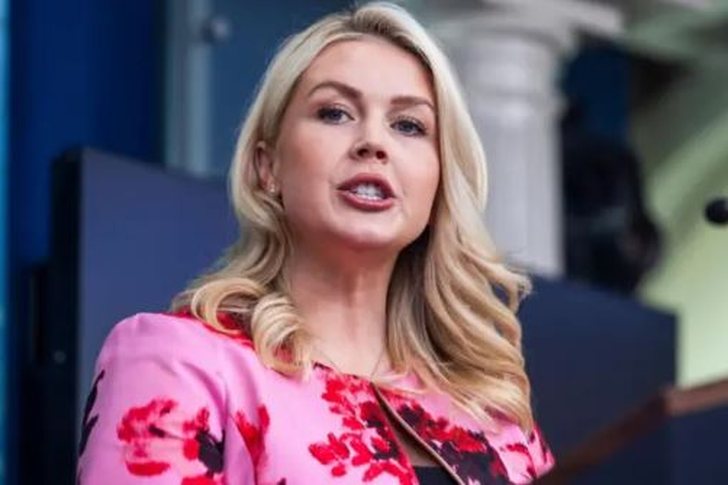
The White House has declared victory after announcing a ce...
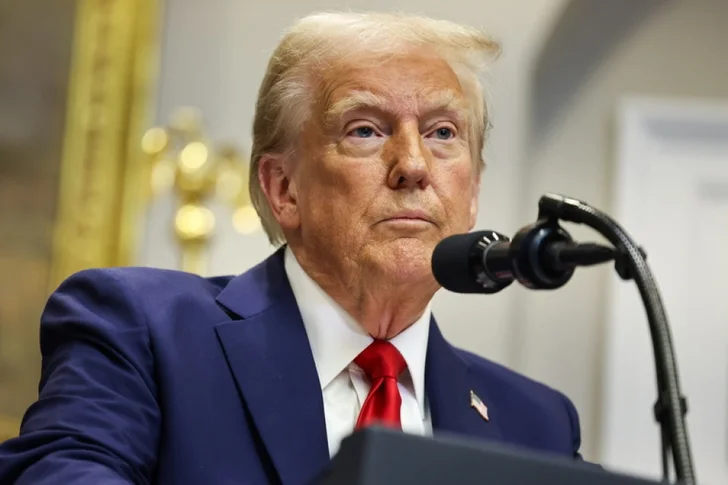
US President Donald Trump has reacted to recent developmen...
SPAK's standards, the way it investigates, how it secures ...
Irfan Hysenbelliu claims to be a big businessman, an hones...

The murder of officer Enea Mekolli in the line of duty has...

The next case broadcast on the show "Stop", this Thursday,...

The Special Board of Appeal (KPA) decided this Monday ...

The KPA vetting decided this Thursday to dismiss the p...

Suela Salavaçi, a prosecutor in the Prosecutor's Offic...

The Special Board of Appeal reinstated the prosecutor ...
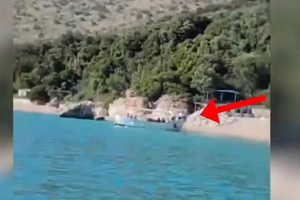
The Border Police blocked the vessel and fined the driver ...
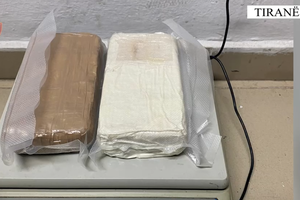
A police operation codenamed "Zonet" has ended with the se...

A 37-year-old citizen has been arrested in flagrante delic...

A road accident has been reported on the Fier-Levan axis, ...

More than 860 million people fall ill and 1.5 million die ...
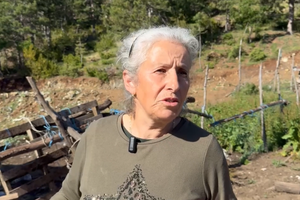
The mother of Violand Braçellari, the perpetrator of the s...

The modern European traveler seeks a meaningful connection...

This Sunday, weather conditions are forecast to be clear a...

Qytetarët e Kosovës votojnë sot për zgjedhjet e parakohshm...

Komisioni Qendror i Zgjedhjeve në Kosovë ka publikuar rezu...
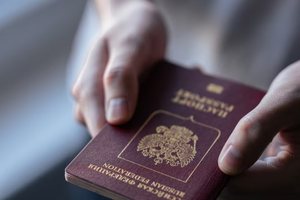
Megjithëse politika e shtetësisë është kompetencë e Serbis...
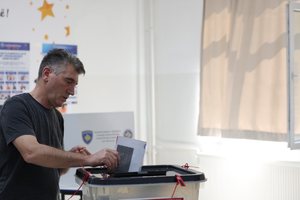
Kosovo citizens are voting in new snap parliamentary elect...

Korça has transformed this weekend into the capital of cel...

Korça is ready to open the summer season with one of the c...
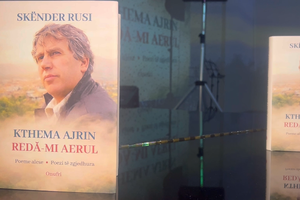
Two years after his passing, the renowned Korçë poet Skënd...
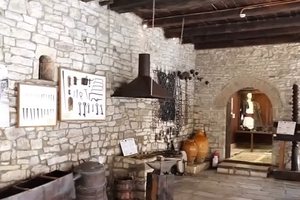
The Ethnographic Museum of Berat has opened its doors to v...
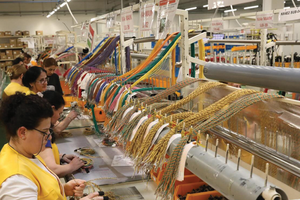
The automotive industry in Albania is currently at a turni...
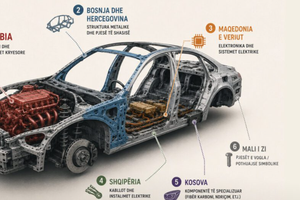
If you were to follow the industrial map of the Western Ba...
The Transparency Board, in today's meeting, decided to red...

This Saturday, one US dollar is bought for 81.4 lek and so...