

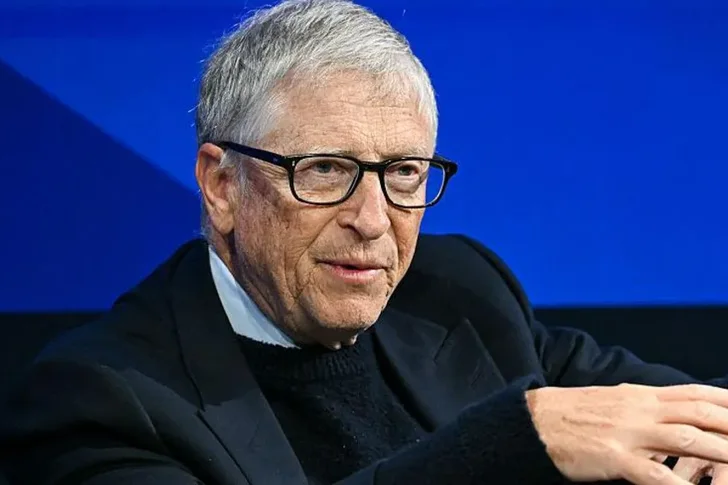
Bill Gates to testify before US Congress about Epstein ties/ Here's when the hearing will be held
Microsoft co-founder Bill Gates will testify before the US...


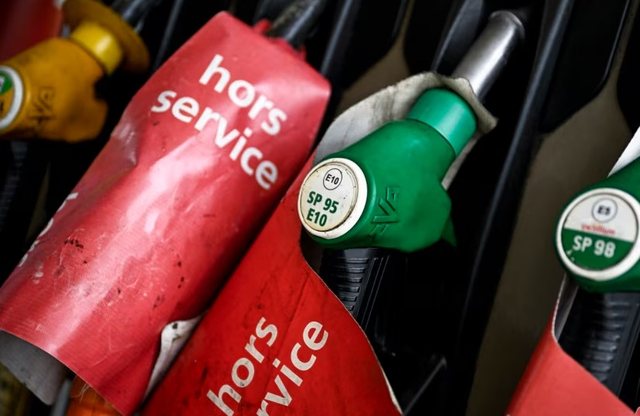
The European Union's key oil and gas groups will meet this week as countries around the bloc scramble to deal with the impact of the United States and Israel's war with Iran on energy prices and supplies.
European Commission spokeswoman Anna-Kaisa Itkonen said during a press conference on April 7 that the oil coordination group will meet on April 8, while the gas group will convene the day after.
The EU is facing energy-saving measures, such as reducing air travel, speed limits on highways and work-from-home guidelines, after the war resulted in the blockade of the Strait of Hormuz, the corridor through which about 20 percent of the world's oil and gas transits.
Last month, the bloc's energy ministers held an emergency meeting, and although they did not agree on concrete measures, European Energy Commissioner Dan Jorgensen promised that Brussels would soon announce a package of measures at the bloc's level.
According to EU officials familiar with the matter and who spoke to Radio Free Europe on condition of anonymity, these measures could include more flexible rules on state aid for energy companies as well as a push for more renewable energy and nuclear power.
The measures could include more dramatic emergency moves – similar to when Russia launched a full-scale invasion of Ukraine in early 2022 – such as imposing an EU-wide price cap on gas and taxes on large profits on energy companies.
The 27-nation bloc is already bracing for a major economic blow if the war drags on. German Chancellor Friedrich Merz told reporters last week that the burden on the EU economy could be as severe as during the COVID-19 pandemic or as during the early months of the war in Ukraine.
Before the meeting of energy ministers, Jorgensen sent a letter to member states, seen by Radio Free Europe, in which he stressed that "while the EU's direct exposure to the conflict in the region is limited, we depend on global markets for fossil fuel supplies, in direct competition with other consumers."
Countries including Italy, Austria, Hungary, the Czech Republic, Croatia and France have already adopted several measures to ease the impact, following the sharp rise in prices and supply disruptions resulting from the war in Iran.
While Europe has diversified in recent years, with most imports now coming from Algeria, Azerbaijan, Norway and the United States, rising global demand due to dwindling supplies means that prices at the petrol pump have also risen in the EU.
But the EU is more dependent on so-called refined petroleum products, meaning materials derived from the processing of crude oil, such as diesel, asphalt and especially kerosene, which is essential for modern aircraft engines, with around 40 percent of supplies coming from the Persian Gulf.
Jorgensen's letter said that the shortage of these products "is of particular concern in the short term" and suggested that "member states are invited to consider promoting demand-side savings measures, in line with emergency plans, with particular attention to the transport sector."
Some airlines have already signaled they may reduce the number of flights on some routes. The last shipments of kerosene that passed through the Strait of Hormuz before its closure are expected to arrive in Europe next week.
The letter also refers to the International Energy Agency's latest 10-point recommendation, which includes measures to reduce energy consumption, such as working from home, reducing air travel, reducing car use and alternative use of private cars on the road, lowering the speed limit by 10 kilometers per hour, and discouraging the use of liquefied natural gas for cooking.
The letter also calls on member states to postpone any non-emergency refinery maintenance and increase the use of biofuels to replace fossil fuels. /REL

Microsoft co-founder Bill Gates will testify before the US...
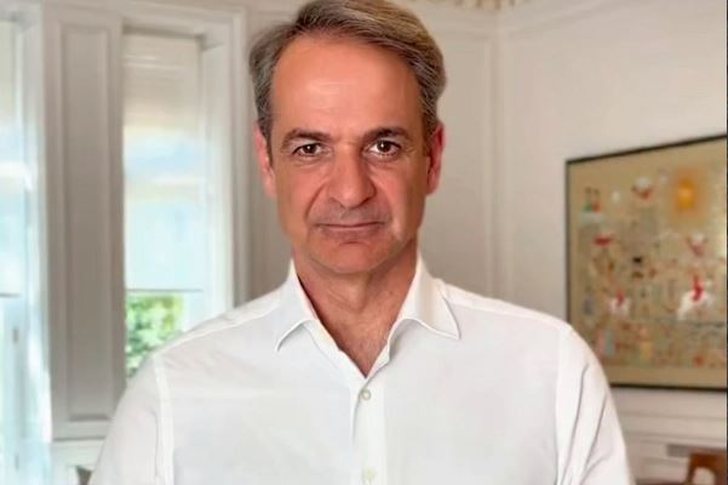
Kyriakos Mitsotakis announced a ban on access to social me...
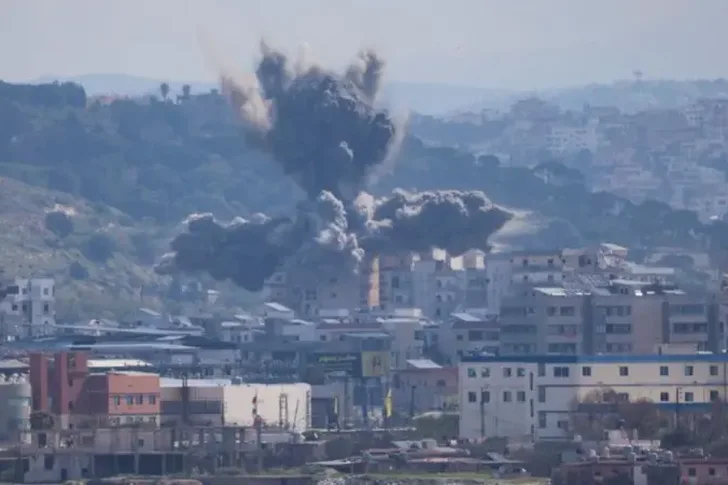
The Israeli military has carried out a wave of airstrikes ...

The White House has declared victory after announcing a ce...
US President Donald Trump has reacted to recent developmen...
President Donald Trump has announced that he has agreed to...
Iran has threatened to target energy facilities in Saudi A...
US President Donald Trump said his administration is engag...
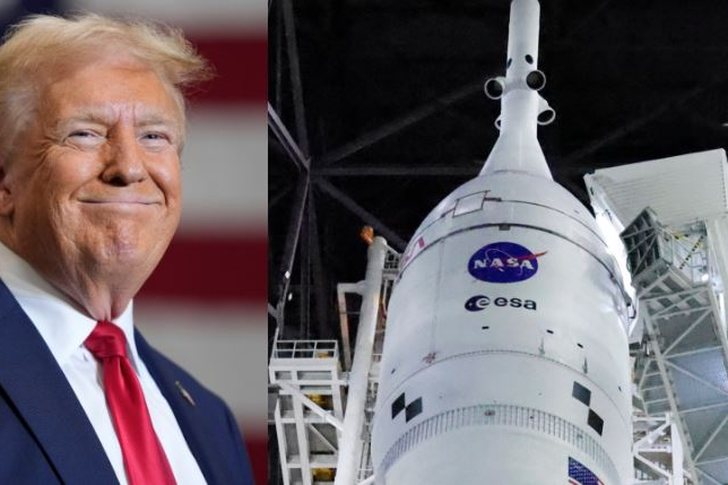
US President Donald Trump held a phone conversation with t...
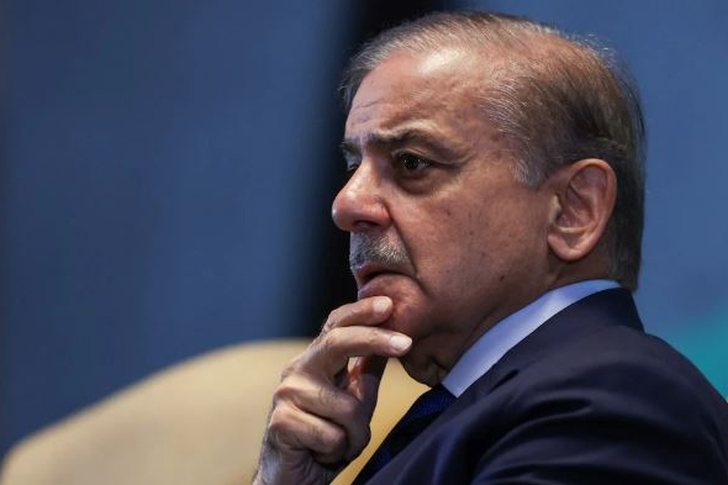
Pakistan's Prime Minister, Shehbaz Sharif, asked Trump for...
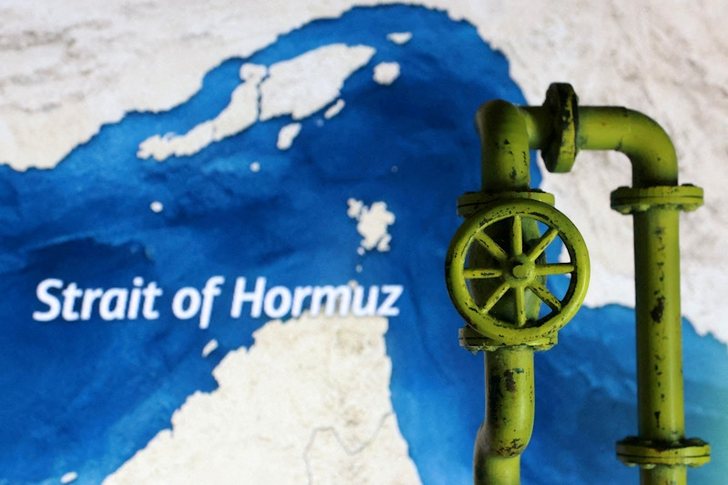
Iran is seeking to impose tariffs on ships passing through...
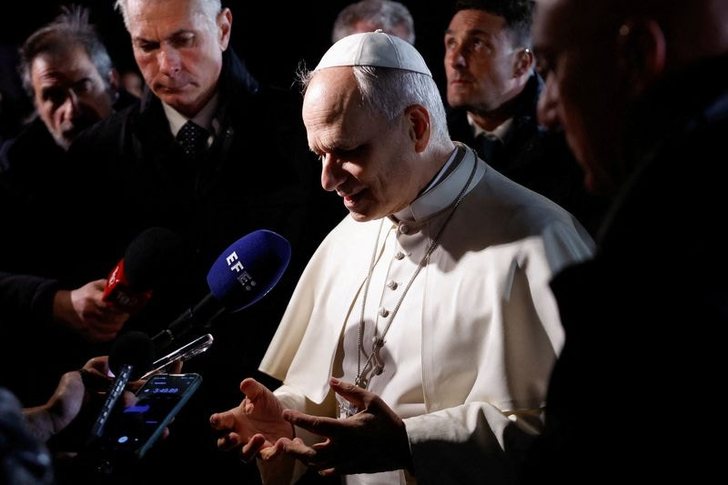
Pope Leo XIV called threats against the entire people of I...
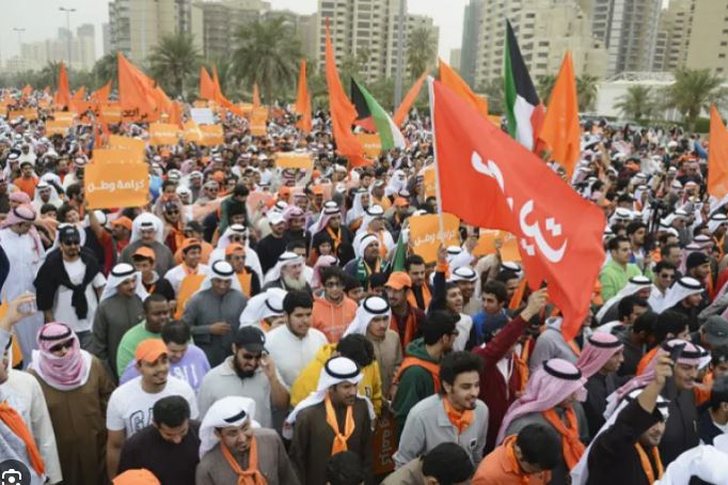
Angry protesters have attacked the Kuwaiti consulate in th...
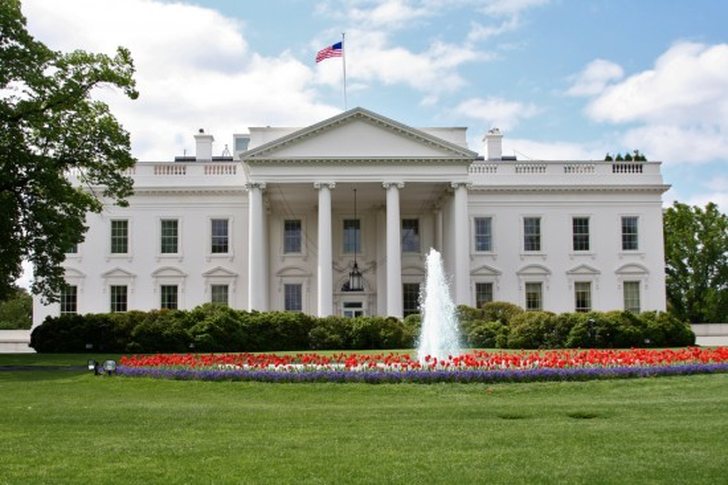
White House Press Secretary Caroline Leavitt stated that o...
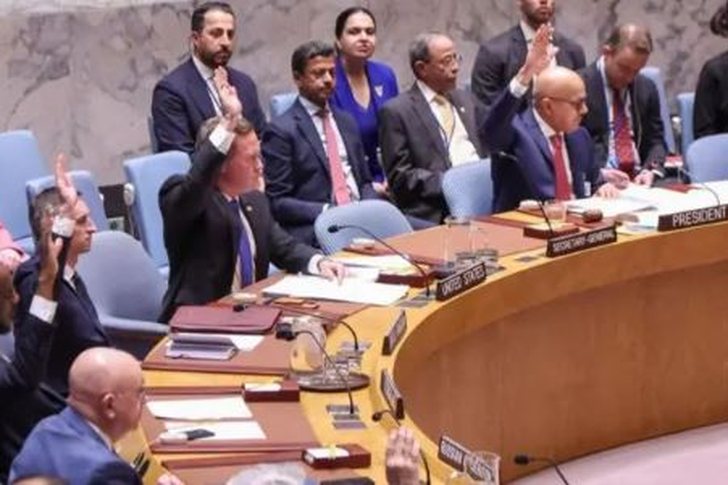
Iran's allies China and Russia have vetoed a UN Security C...
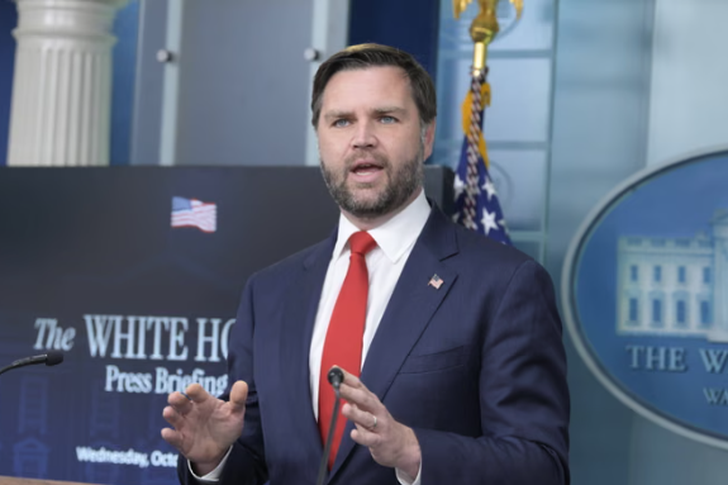
The White House has categorically rejected claims that the...
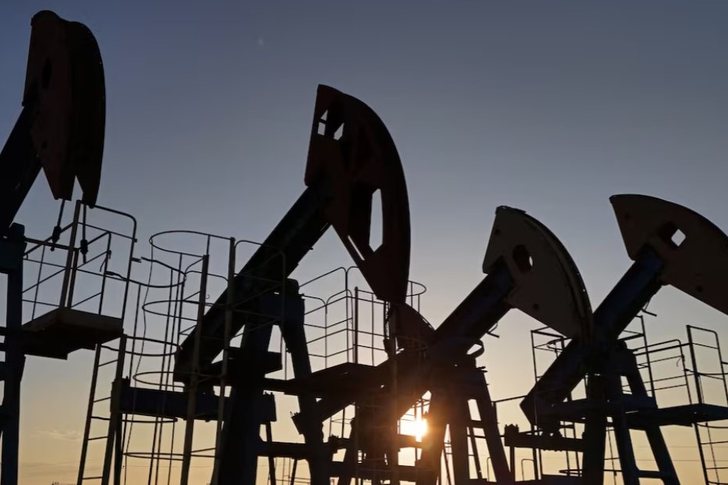
The head of the International Energy Agency has stated tha...
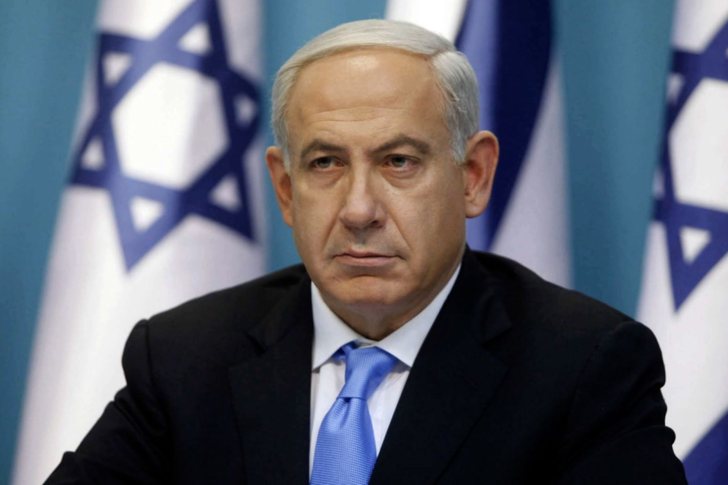
Israeli Prime Minister Benjamin Netanyahu said today that ...
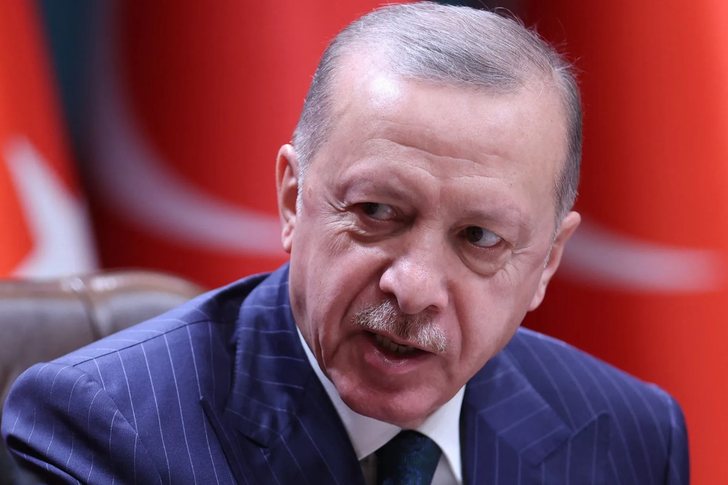
Turkish President Recep Tayyip Erdogan has reacted to the ...
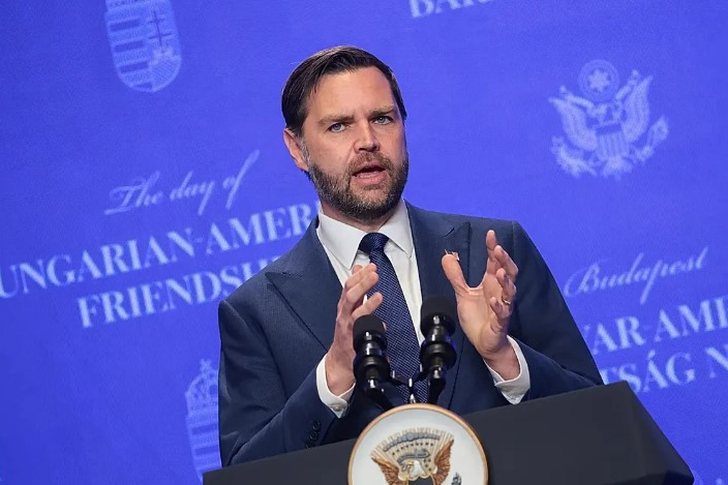
US Vice President JD Vance, during an official visit to H...
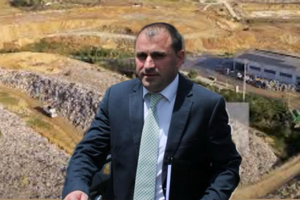
SPAK's standards, the way it investigates, how it secures ...

Irfan Hysenbelliu claims to be a big businessman, an hones...

The murder of officer Enea Mekolli in the line of duty has...
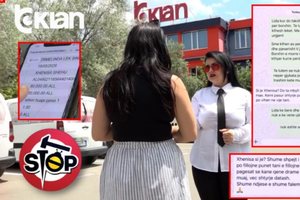
The next case broadcast on the show "Stop", this Thursday,...

The Special Board of Appeal (KPA) decided this Monday ...

The KPA vetting decided this Thursday to dismiss the p...

Suela Salavaçi, a prosecutor in the Prosecutor's Offic...

The Special Board of Appeal reinstated the prosecutor ...
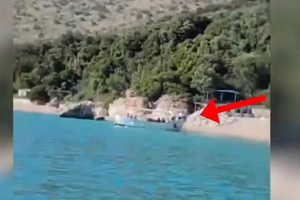
The Border Police blocked the vessel and fined the driver ...
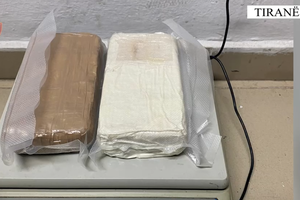
A police operation codenamed "Zonet" has ended with the se...

A 37-year-old citizen has been arrested in flagrante delic...

A road accident has been reported on the Fier-Levan axis, ...

More than 860 million people fall ill and 1.5 million die ...
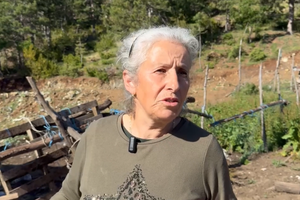
The mother of Violand Braçellari, the perpetrator of the s...
The modern European traveler seeks a meaningful connection...
This Sunday, weather conditions are forecast to be clear a...
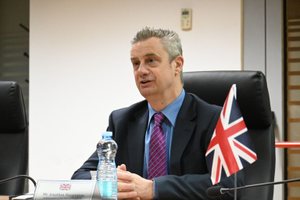
The British Ambassador to Kosovo, Jonathan Hargreaves, spo...
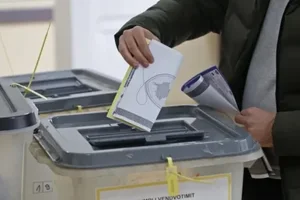
Qytetarët e Kosovës votojnë sot për zgjedhjet e parakohshm...
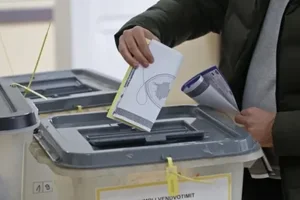
Komisioni Qendror i Zgjedhjeve në Kosovë ka publikuar rezu...
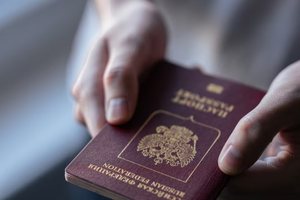
Megjithëse politika e shtetësisë është kompetencë e Serbis...

Korça has transformed this weekend into the capital of cel...

Korça is ready to open the summer season with one of the c...

Two years after his passing, the renowned Korçë poet Skënd...

The Ethnographic Museum of Berat has opened its doors to v...
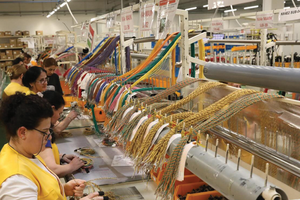
The automotive industry in Albania is currently at a turni...
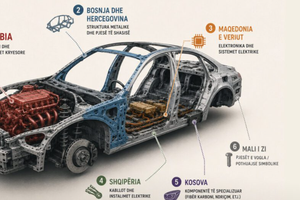
If you were to follow the industrial map of the Western Ba...
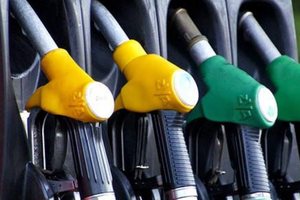
The Transparency Board, in today's meeting, decided to red...

This Saturday, one US dollar is bought for 81.4 lek and so...