

The US and Jordan drop aid from the air into Gaza
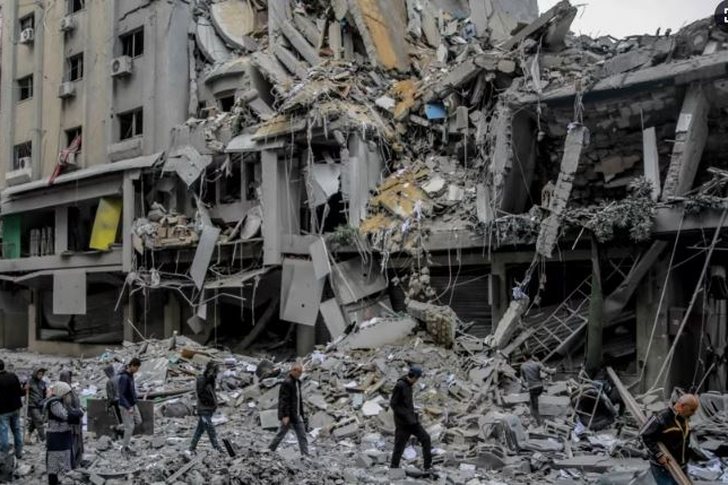
The United States (US) and Jordan airdropped fresh humanit...


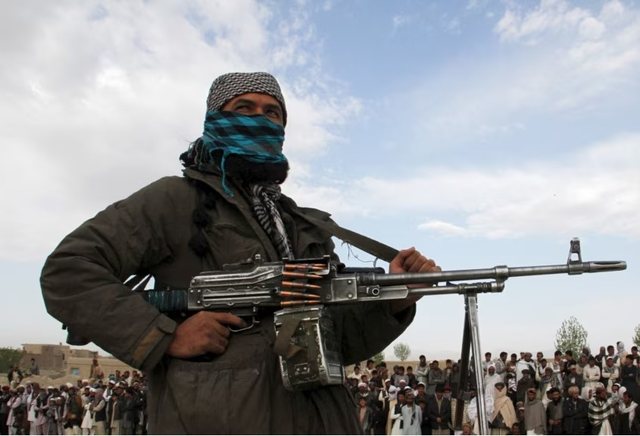
After the execution of three recently convicted murderers in separate incidents, the Taliban regime has sent a very clear public message: that it has returned to Afghanistan the infamous attitude of retributive, or retributive, justice known as "kisas".
Qisas, or punitive Islamic punishments, which can include killings at the hands of victims' families, were a hallmark of the Taliban when they were first in power in Afghanistan from 1996 to 2001.
The Islamist militant group has vowed to reverse the practice now, after a full 20 years, in an effort to impose stricter rules on its interpretation of Islamic law.
The public shooting of three men in the last two weeks shows that the Taliban regime made promises, not threats.
They were executed by the heirs of their victims in front of a crowd of onlookers, an infamous display that resembled executions by the previous Taliban regime in stadiums.
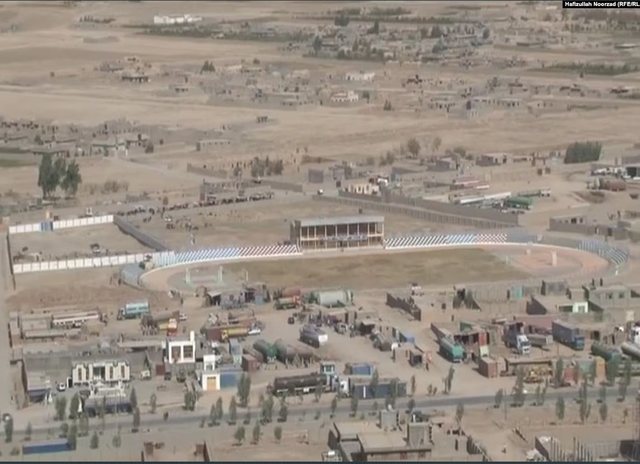
On February 22, Syed Jamaluddin and Gul Khan were shot dead inside a football stadium in the southeastern province of Ghazni.
"One was shot eight times, while the other received six bullets," a witness of the case, who asked to remain anonymous, told Radio Azadi of Radio Free Europe (REL).
A few days later, on February 26, an unidentified man shot dead Nazar Mohammad inside a sports stadium in the northern province of Jawzjan. The shooter was avenging the death of his brother, Khal Mohammad, two years ago.
Such forms of justice, which include qisas and hudud punishments such as amputations for minor crimes, are meted out to perpetrators of crimes and transgressions that are considered transgressing God's limits.
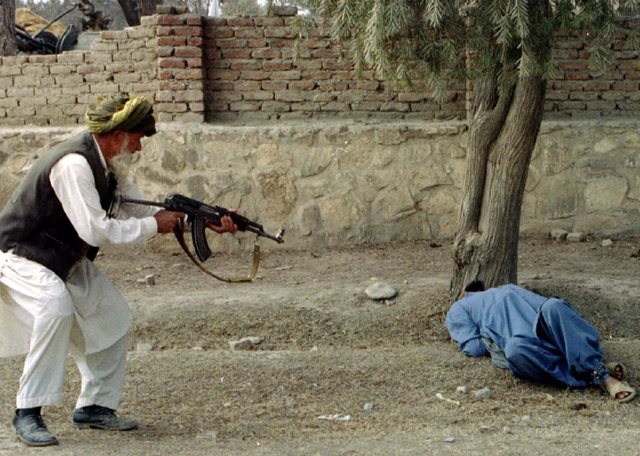
The latest executions are not the first since the Taliban regime returned to power.
In December 2022, a few months after Taliban leader Mullah Haibatullah Akhundzada ordered the return of Islamic punishments, a convicted murderer was shot dead by his victim's father in front of hundreds of people in the western province of Farah.
Last June, a man convicted of killing five people was executed in eastern Laghman province, according to the Taliban regime, which did not say how his execution was carried out.
Since Akhundzada gave the order, the Taliban have whipped, stoned or amputated hundreds of people for crimes such as theft and adultery.
The executions and punishments have been opposed and condemned by Afghans and outside countries. Experts have questioned their validity under Islamic law and say the Taliban are using them mainly to spread fear.
Islamic Sharia law can only be implemented as part of a comprehensive governance framework by a legitimate Government that is accountable to the people, according to Afghan Islamic scholars.
"Judges who make rulings on such punishments must definitely be famous for their justice and have deep knowledge," said Professor Fazluminullah Mumtaz, who is an expert in Islamic jurisprudence.
He added that judges "are obliged to have full knowledge of aspects of jurisprudence and sharia regarding punishments and their implementation".
This is not the case under Taliban rule, which has destroyed the Afghan judiciary, whose government is not recognized by any country.
This militant group has abolished or suspended all laws implemented by the previous government in Afghanistan, which had allowed Islamic law in the Constitution, while at the same time adhering to international legal norms.
Since taking power in 2021, the Taliban regime has fired thousands of judges, public prosecutors and lawyers, and replaced them with its own loyalists, most of whom are clerics.
"The Taliban government does not even have legitimacy and operates in a legal vacuum," Afghan legal expert Subhanullah Misbah told Radio Azadi.
This group's insistence on implementing its own version of sharia is seen as one of the reasons why the Taliban regime has strongly opposed demands from Afghans and the international community to allow the establishment of a comprehensive government.
The refusal to bend, despite initially pledging to abide by international law, has given the Taliban regime a monopoly on power, while at the same time increasing its isolation globally and creating political and economic crises in place.
"No one in Afghanistan will oppose the implementation of sharia, but the Taliban must first meet the prerequisites for the implementation of such laws. Applying capital punishment now will only spread fear in the society," Misbah said.
Even the previous government had allowed capital punishment but in accordance with international law and death sentences - mainly by hanging - were carried out in prisons.
But the return of public executions has alarmed the United Nations and international human rights groups.
"Public executions are a form of cruel, inhuman or degrading treatment or punishment," said Jeremy Laurence, spokesman for the UN Human Rights Office.
Some human rights activists have opposed the death penalty globally and often oppose its implementation, including in Muslim countries where it is rooted in or even inspired by sharia.
Saudi Arabia, a Sunni country, and Iran, a Shiite country, are among the countries that carry out the most executions in the world. All executions, including qisas, in these countries are justified according to their interpretation of Islamic law.
Graeme Smith, Afghanistan analyst at the International Crisis Group, says the Taliban's approach to justice has gained little legitimacy among Afghans, especially in the rural south and east of the country, where the Taliban group has been fighting the pro-Western government since 2002. until 2021.
Smith says this is because some Afghans – angered by the rampant corruption in the Kabul-led judicial system – chose to let the insurgents decide their cases.
"Human rights organizations will rightfully condemn these executions," he said. "However, it is worth remembering the recent history of Afghanistan, where many executions took place in secret," he added.
After a republican government was overthrown by a handful of communist states in April 1978, many cases of extrajudicial killings occurred in Afghanistan under communist, Islamist and pro-Western governments.
"Many aspects of that violent legacy have yet to be uncovered, as journalists and other researchers are securing access to former battlefields," said Smith./ REL

The United States (US) and Jordan airdropped fresh humanit...

The President of Hungary, Tamas Sulyok, signed on Tuesday ...

The Ministry of Industry, Entrepreneurship and Trade of Ko...

A SpaceX crew of three American astronauts and a Russi...
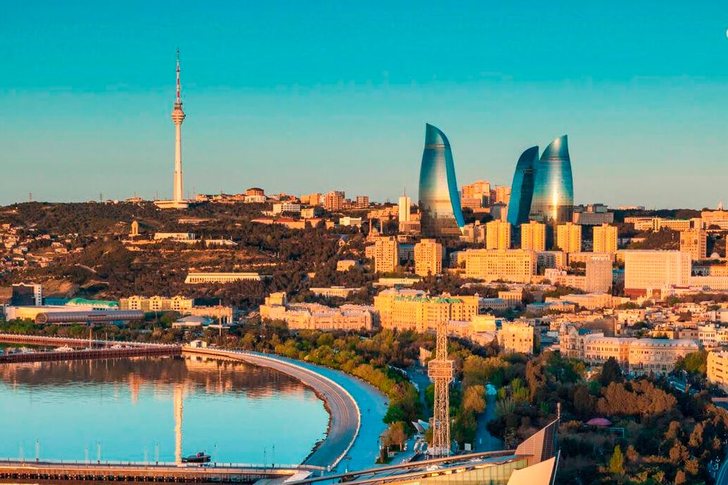
Azerbajxhani, vendi mikpritës i Konferencës së Ndryshimeve...
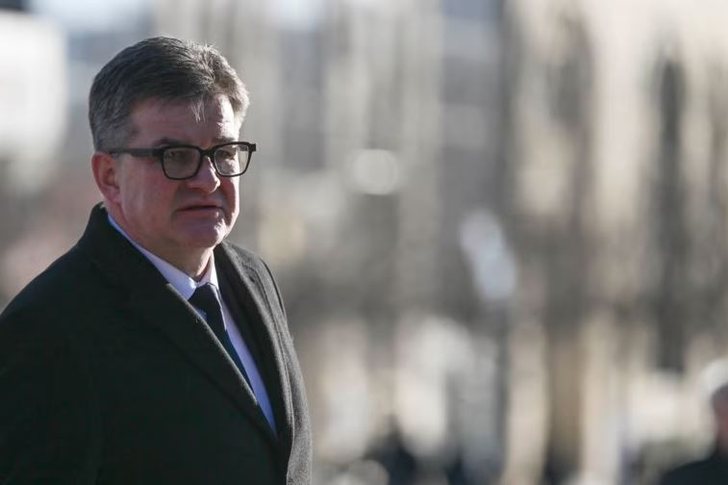
The special envoy of the Kosovo-Serbia dialogue, Miros...
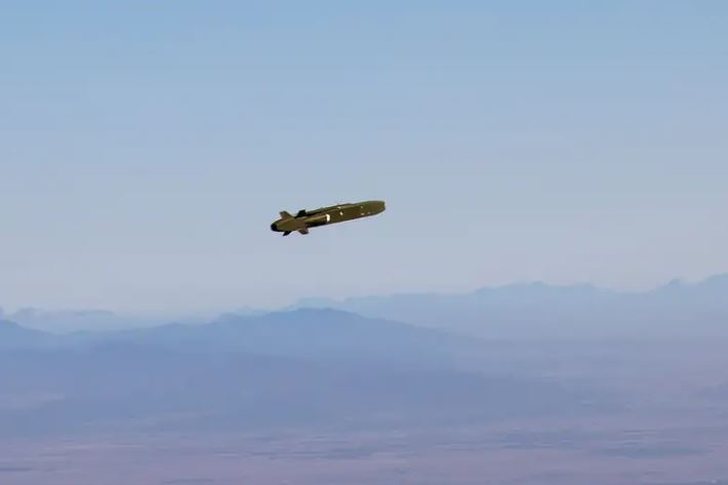
Especially in Great Britain, the criticism of Germany ...

Jeff Bezos has regained the title of the richest perso...

Maria Branjas Morera, the oldest person in the world, ...
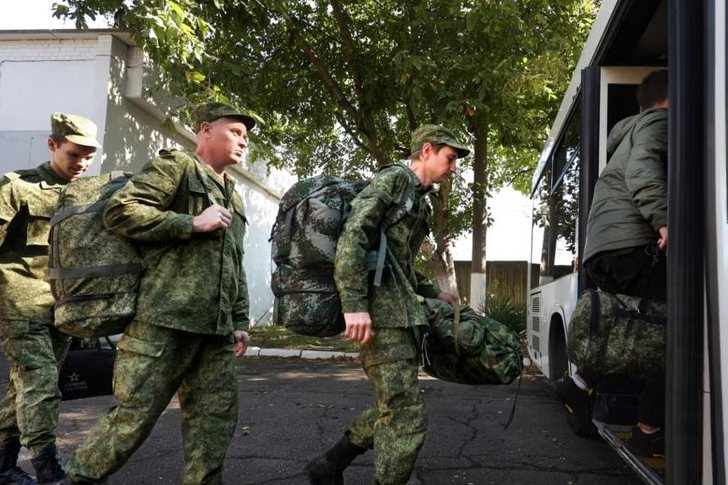
Andreit i duhet vetëm t’i kalojë disa pengesa burokratike ...
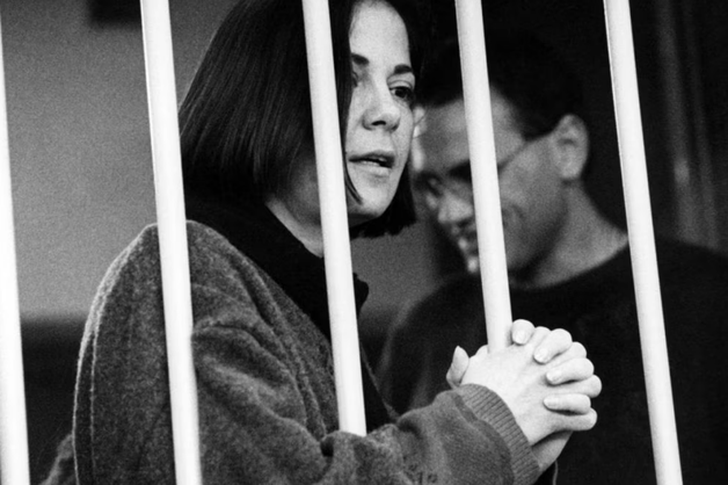
Ish-anëtarja e e Brigadës së Kuqe (BR) Barbara Balzera...
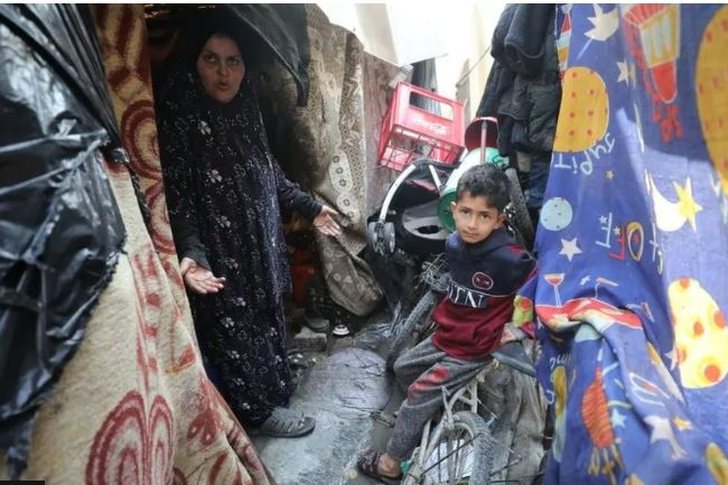
Children are starving in northern Gaza, says the head ...
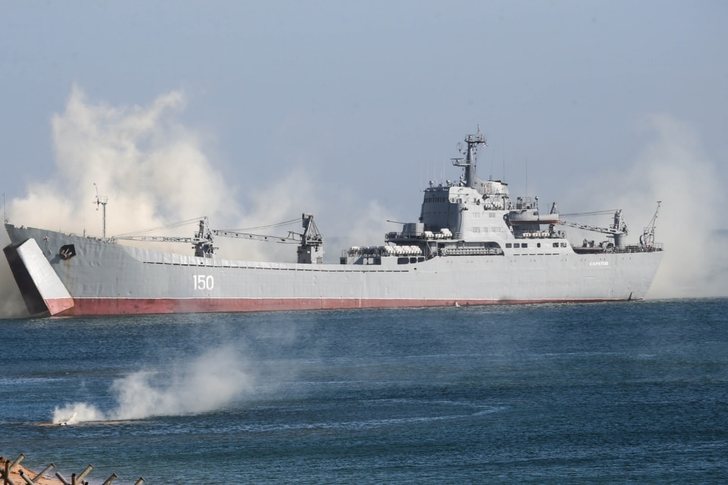
Ukrainian naval drones have struck the Russian patrol vess...
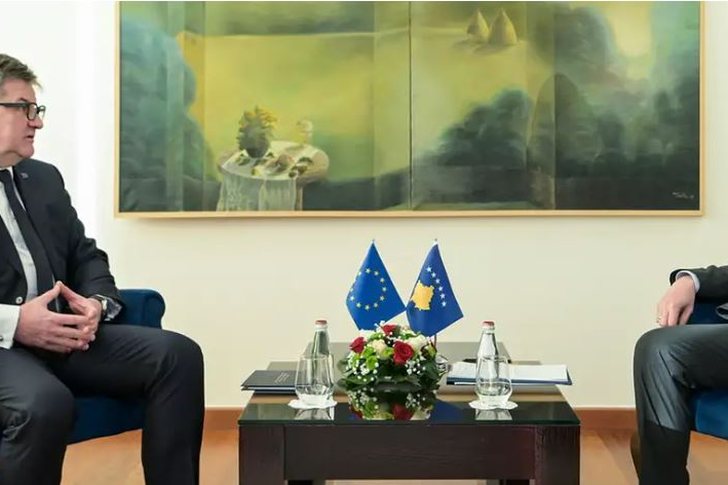
The envoy of the European Union for the Kosovo-Serbia dial...
The head of European Union (EU) foreign policy, Josep Borr...
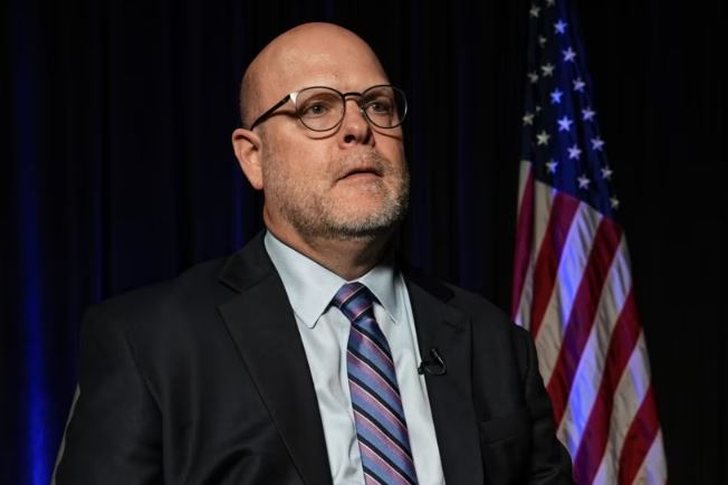
The American ambassador in Kosovo, Jeffrey Hovenier, and t...

France has become the first country in the world to recogn...
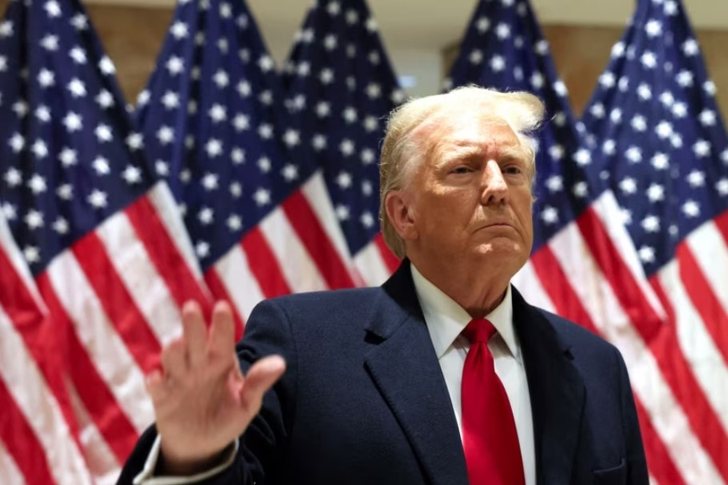
The US Supreme Court has struck down efforts by individual...

Hungary's nationalist Prime Minister Viktor Orbán will...
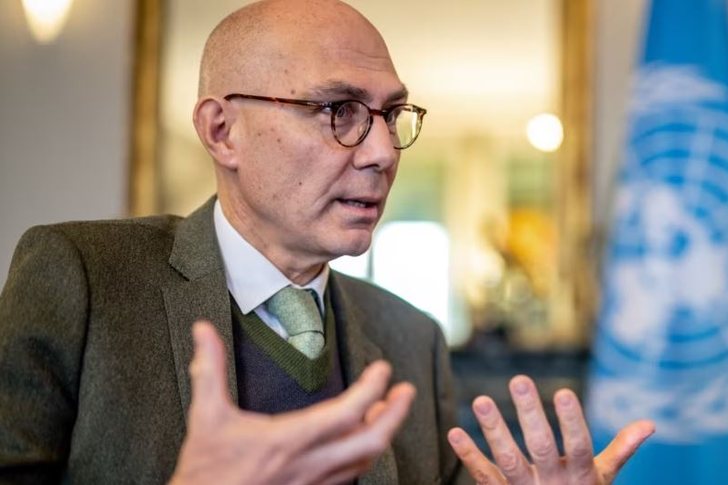
The United Nations human rights chief called for an end to...

The Justice Reform and the vetting process were trumpeted ...
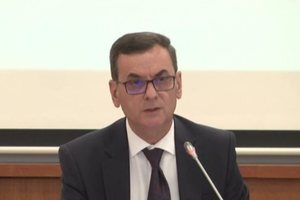
After revealing the property portfolio in Tirana, Kavaja, ...
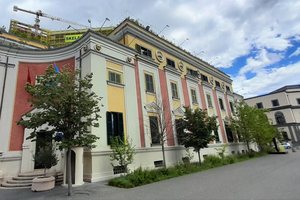
Four months ago, on March 11, CNA sent an official letter ...
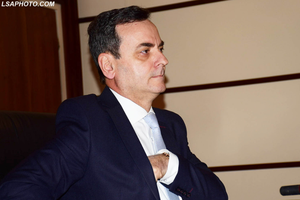
Sokol Sadushi, the president of the Supreme Court, is the ...

The Special Board of Appeal (KPA) decided this Monday ...

The KPA vetting decided this Thursday to dismiss the p...

Suela Salavaçi, a prosecutor in the Prosecutor's Offic...

The Special Board of Appeal reinstated the prosecutor ...
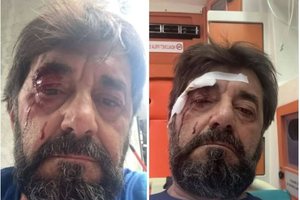
Journalist Ilir Demaliaj has made a statement to the media...

Analyst Ilir Demaliaj was raped today by two people. The n...
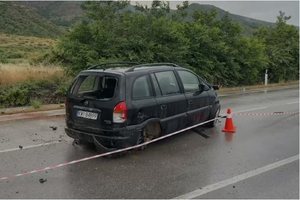
The accident resulting in the death of a 32-year-old man n...

Durrës Police have cracked down on a case of drug sales. ...

On Wednesday, our country will be affected by relatively s...
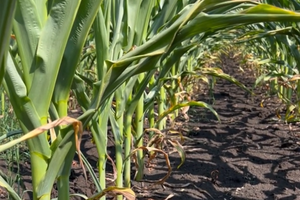
A field inspection has begun in the Maliq area, after the ...
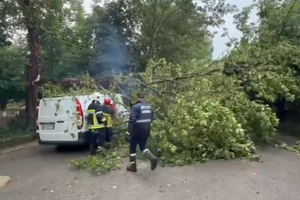
Heavy rainfall accompanied by strong winds has caused prob...

Albania will be affected this Tuesday by relatively stable w...

More than 1,000 people have died from extreme temperature-...

The European Union has removed the customs exemption that ...

At least five people have died and several others have bee...
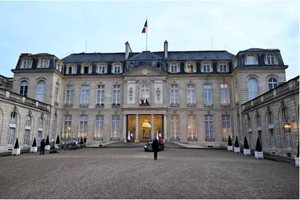
France will go to the polls to elect its next president on...

Professor and literature scholar Ali Xhiku has passed away...

During my research into the life and artistic photographic...

This year's edition of the Gjon Mili International Video A...

The promotion of the book by author Aleksandër Ikonomidhi ...

This Wednesday, one US dollar is bought for 81.8 lek and s...

The structure of Albania's Gross Domestic Product (GDP) fo...

Applications for VAT compensation for farmers begin today,...

Dairy prices in our country have become so expensive in th...