

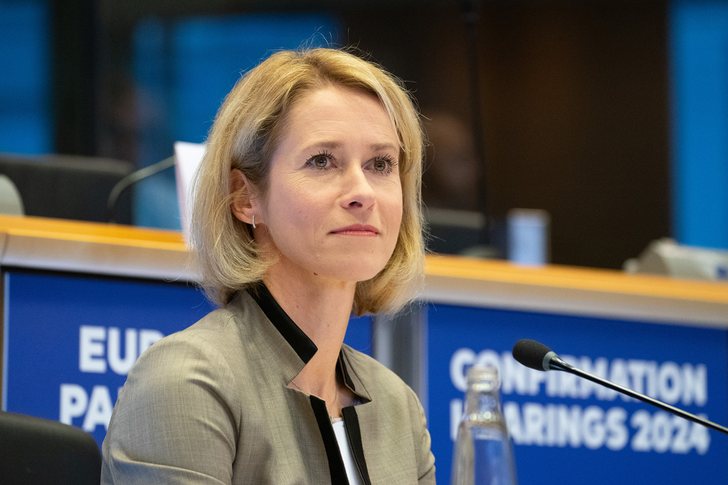
"Europe is not doing enough in the war with Iran"/ Kallas responds to the accusations: They are unfair
EU foreign policy chief Kaja Kallas has said that criticis...


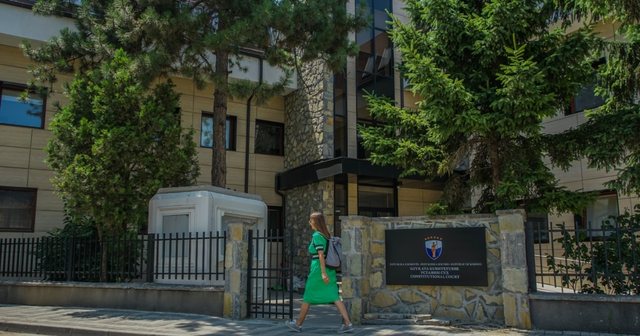
Written 18 years ago, the Constitution of Kosovo , as the highest legal act, aims to define the rules of the political game.
But, in Kosovo, the game has often been stopped to be clarified by the Constitutional Court.
From June 2025 to January 2026, the Constitutional Court responded to five cases related only to the issue of the constitution of the Assembly of Kosovo.
Meanwhile, it also reviewed three other cases on political issues last month.
The court annulled President Vjosa Osmani's decree to dissolve the Assembly ; rejected the request of the Speaker of the Assembly, Albulena Haxhiu, regarding the non-participation of the deputies in the session for the president and declared Osmani's request regarding the appointment of members of the Central Election Commission inadmissible .
Is the Constitution so unclear, or is the possibility of interpretation by the Court being used for political purposes?
In the opinion of experts on the Constitution, this is not a black and white issue.
Visar Morina, a professor of Constitutional Law at the University of Pristina, tells Radio Free Europe that the Constitution of Kosovo is not unclear in its entirety, but he estimates that there are some more generalized formulations that are still not the main reason for the large number of cases sent to the Constitutional Court.
He considers that one of the circumstances that influenced the increase in cases for review is the fact that the Constitution regulates fundamental issues of the state, such as the formation of institutions, the limitation of power, competencies, deadlines - norms that, according to him, in some cases are not understood equally by all politicians.
“When political dialogue and institutional compromise are lacking, then constitutional dilemmas naturally shift to the Constitutional Court,” says Morina, calling it a normal action in a constitutional democracy.
The precision of the language in which a constitution is written is considered to leave less room for its rules to be interpreted in different ways.
“When constitutional provisions are not sufficiently clear, they naturally create opportunities for different readings by political and institutional actors, increasing the potential for constitutional disputes,” he says.
But, according to Professor Morina, even carefully drafted constitutions cannot completely avoid interpretations by the court.
After all, constitutional interpretation is an essential function of constitutional courts, he says.
In addition to political processes within institutions, the Constitutional Court judges also had dozens of Assembly laws to review.
Thirteen of them – including the Law on the Bureau for Verification and Confiscation of Unjustified Assets – that were approved by MPs in December 2024, they overturned at the beginning of 2026.
The court said that the laws were not in accordance with the country’s Constitution, after finding that the rules on governance, separation of powers, values, exercise of function, rules of procedure and committees had been violated when MPs had approved them in the Assembly.
Beyond laws, constitutional interpretations in Kosovo’s political history have also brought down presidents and governments.
In 2010, then-president Fatmir Sejdiu resigned after the Court found that he had violated the Constitution by holding both the positions of president and leader of the Democratic League of Kosovo.
The following year, the Court removed President Behgjet Pacolli from office , as the form of his election had been unconstitutional.
In 2020 , the Government of Avdullah Hoti was overthrown , after its election was deemed unconstitutional.
Professor Morina says that it has evolved continuously, both through written amendments and through interpretations by the Constitutional Court, which have subsequently become precedents for similar circumstances.
According to him, what needs to be changed depends on the priorities of the state and society, as well as external factors, such as the European integration process or aspirations for membership in international organizations.
The Assembly of Kosovo adopted the Constitution on 9 April 2008, and it entered into force two months later.
Changing the Constitution requires a double vote: agreement by two-thirds of all deputies, and by two-thirds of deputies from minority communities. So, any change requires broad consensus.
In a reality where the Constitution is not read the same by everyone, the Constitutional Court often remains the place where political disagreements end. /REL

EU foreign policy chief Kaja Kallas has said that criticis...
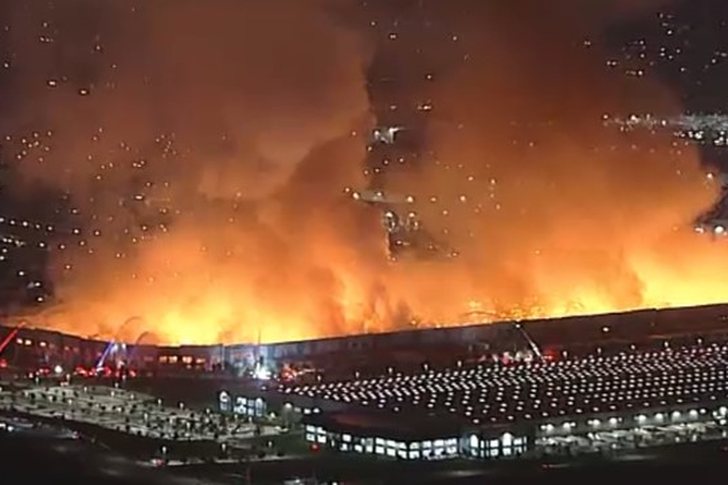
A massive fire that broke out at a large warehouse in Onta...
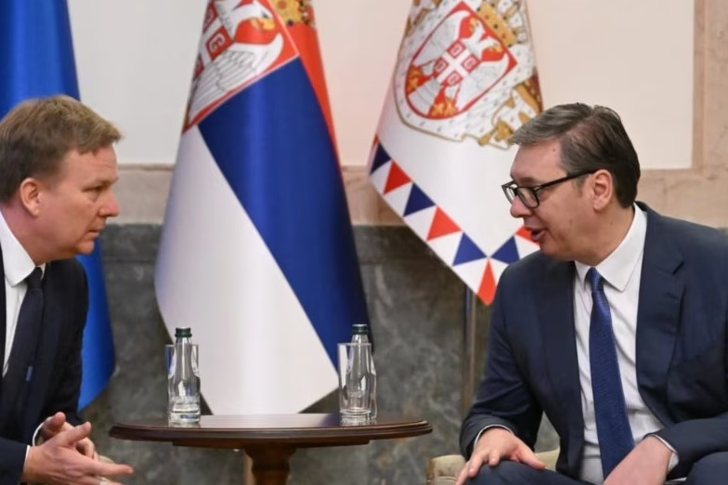
Serbian President Aleksandar Vučić received the European U...
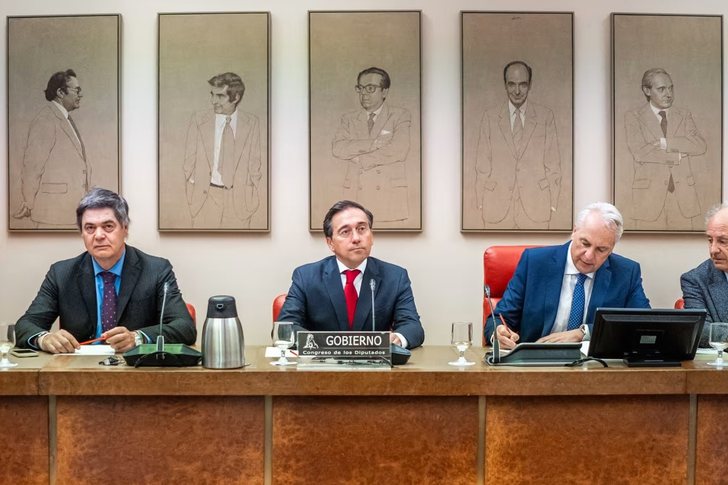
Ministri i Jashtëm i Spanjës, Jose Manuel Albares, njoftoi...
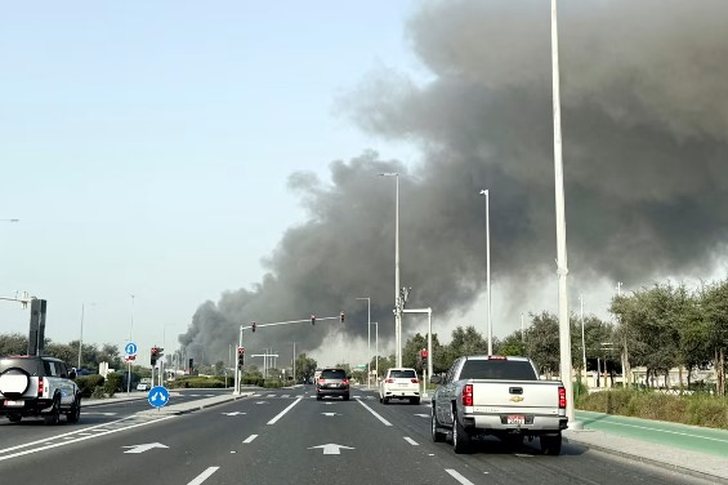
The United Arab Emirates has sought further clarification ...
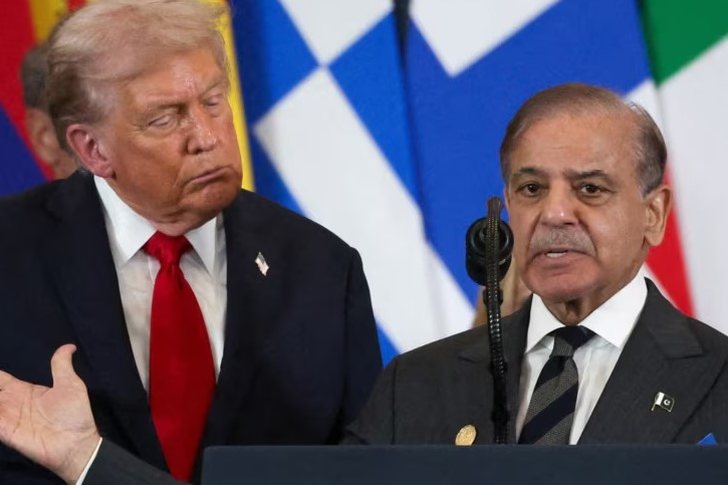
Pakistan appears to have achieved a major diplomatic break...
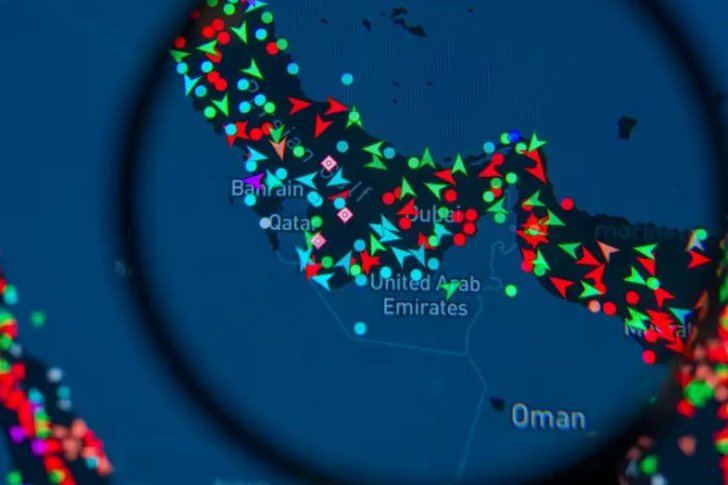
The relief created by the announcement of a ceasefire betw...
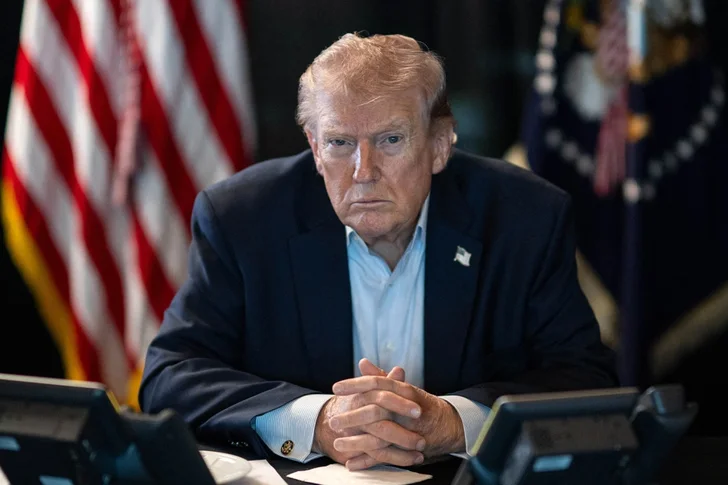
US President Donald Trump has warned Iran of possible mili...
White House spokeswoman Caroline Levitt said on Wednesday ...

US Defense Secretary Pete Hegseth warned Iran today that i...
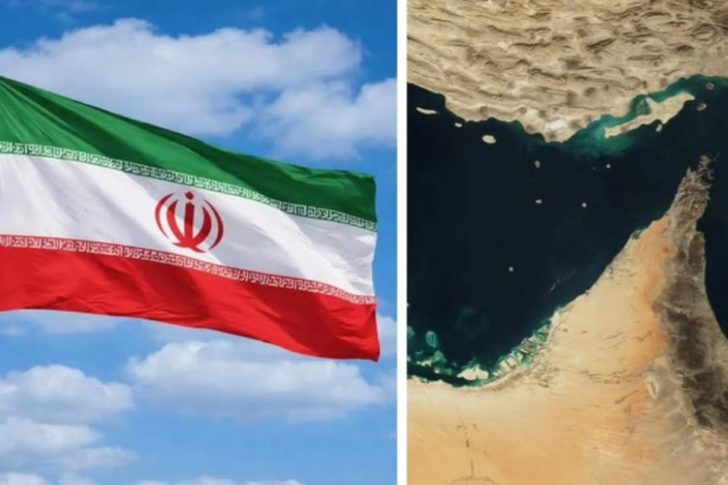
The Iranian regime is reportedly considering imposing a fe...
The FBI and other US federal cybersecurity agencies sent a...
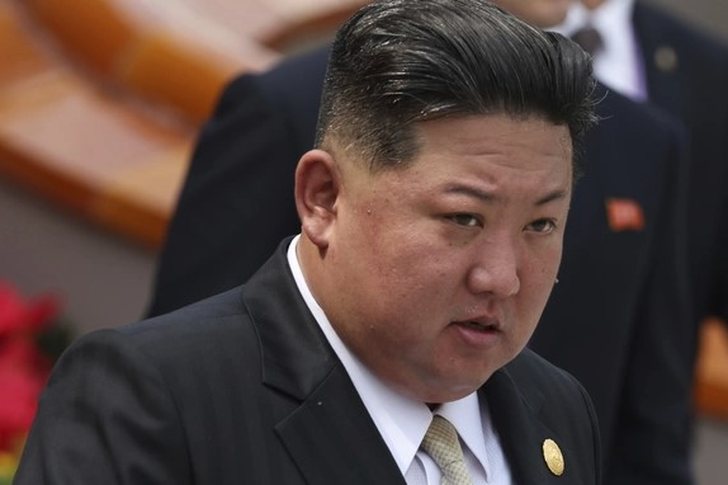
North Korea fired several ballistic missiles on Wednesday,...
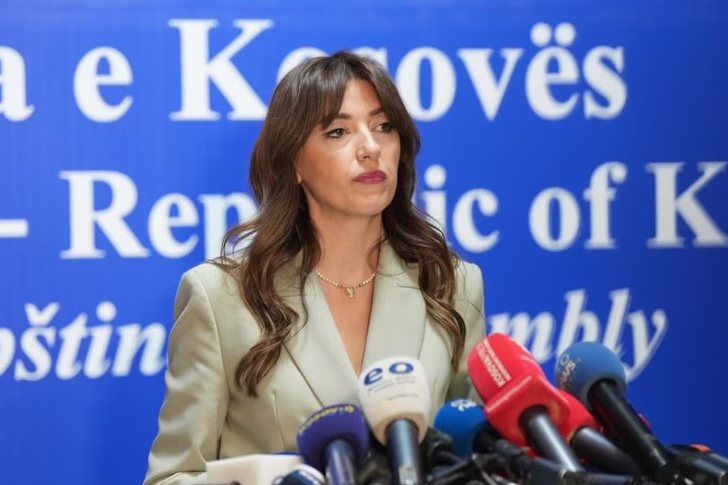
Kosovo's acting president, Albulena Haxhiu, said that the ...
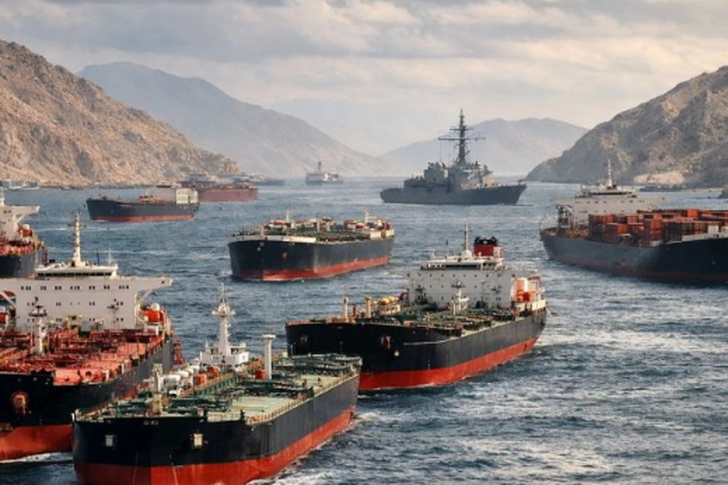
Shipping companies are trying to understand the terms of t...
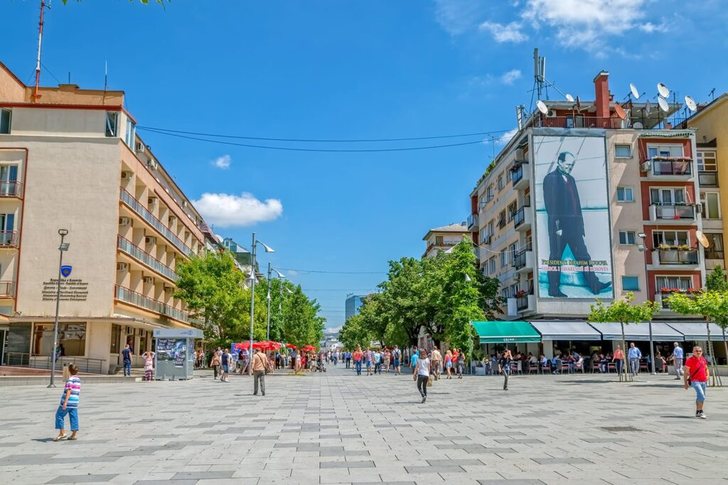
The number of visitors to hotels was 56,644, of which 24,4...
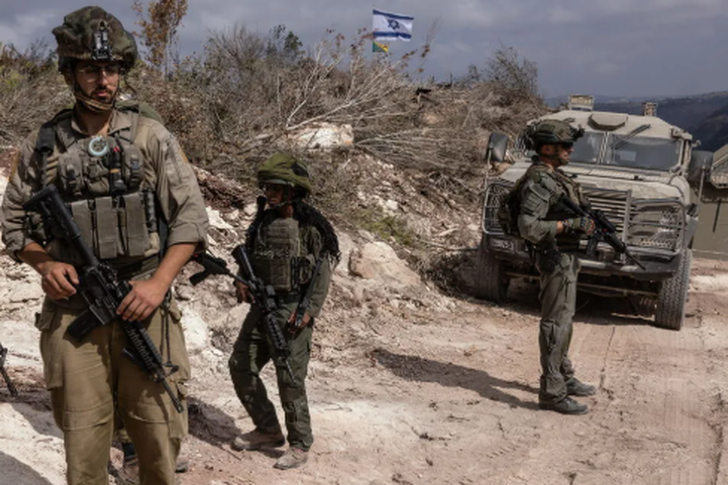
Israeli Defense Minister Israel Katz stated today that the...
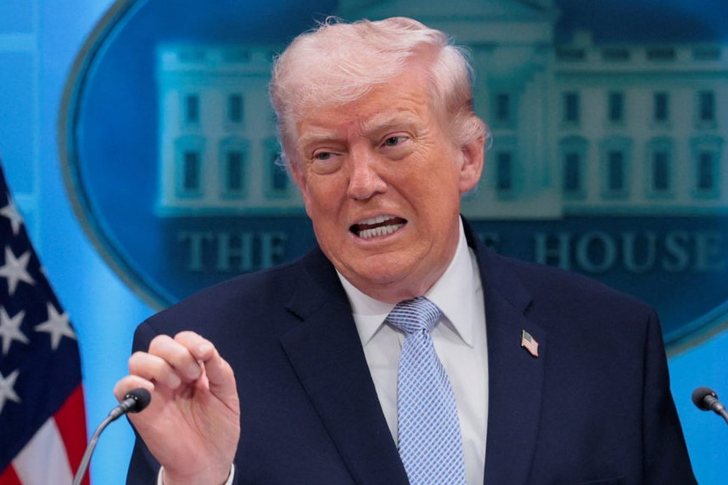
The President of the United States of America, Donald Trum...
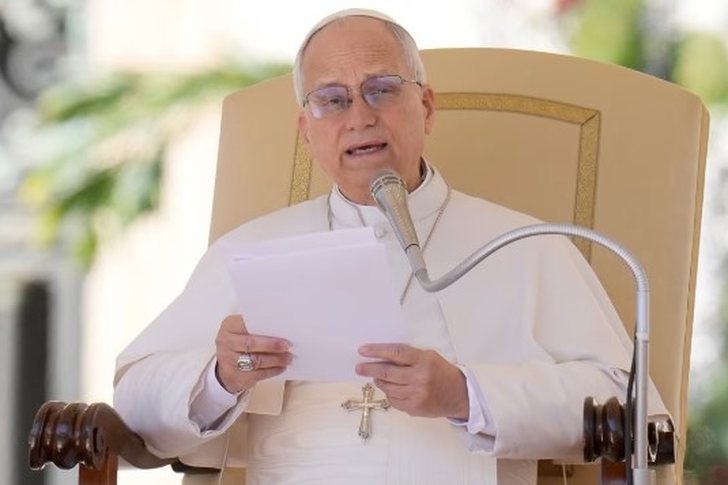
Pope Leo XIV today welcomed the announcement of a two-week...
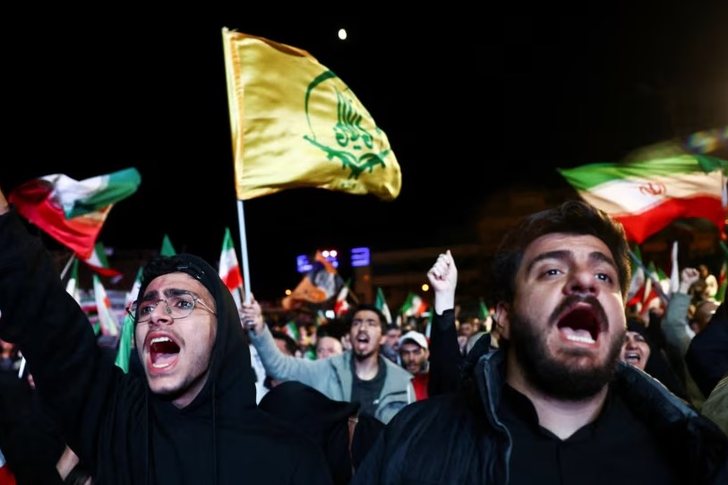
The United States and Iran agreed on Wednesday to a two-we...
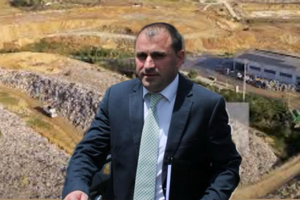
SPAK's standards, the way it investigates, how it secures ...

Irfan Hysenbelliu claims to be a big businessman, an hones...

The murder of officer Enea Mekolli in the line of duty has...

The next case broadcast on the show "Stop", this Thursday,...

The Special Board of Appeal (KPA) decided this Monday ...

The KPA vetting decided this Thursday to dismiss the p...

Suela Salavaçi, a prosecutor in the Prosecutor's Offic...

The Special Board of Appeal reinstated the prosecutor ...
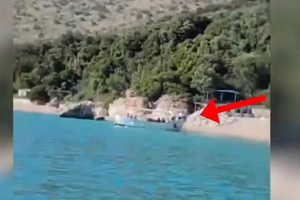
The Border Police blocked the vessel and fined the driver ...
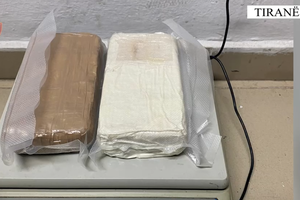
A police operation codenamed "Zonet" has ended with the se...

A 37-year-old citizen has been arrested in flagrante delic...

A road accident has been reported on the Fier-Levan axis, ...

More than 860 million people fall ill and 1.5 million die ...
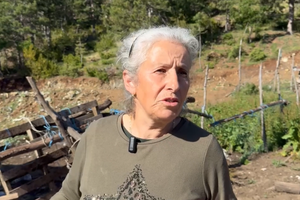
The mother of Violand Braçellari, the perpetrator of the s...

The modern European traveler seeks a meaningful connection...

This Sunday, weather conditions are forecast to be clear a...

Qytetarët e Kosovës votojnë sot për zgjedhjet e parakohshm...

Komisioni Qendror i Zgjedhjeve në Kosovë ka publikuar rezu...
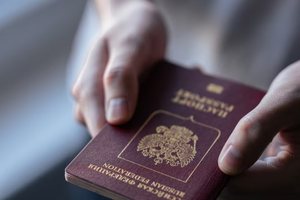
Megjithëse politika e shtetësisë është kompetencë e Serbis...
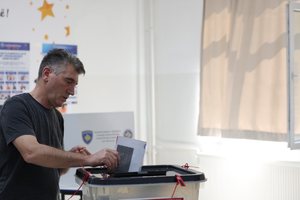
Kosovo citizens are voting in new snap parliamentary elect...
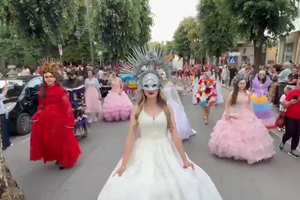
Korça has transformed this weekend into the capital of cel...
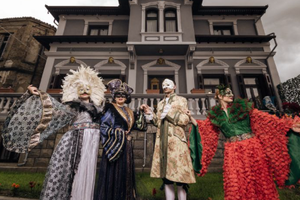
Korça is ready to open the summer season with one of the c...
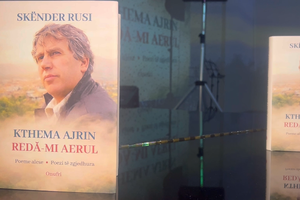
Two years after his passing, the renowned Korçë poet Skënd...

The Ethnographic Museum of Berat has opened its doors to v...
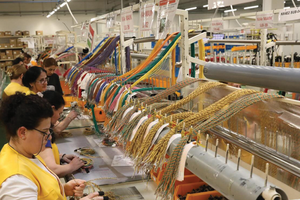
The automotive industry in Albania is currently at a turni...

If you were to follow the industrial map of the Western Ba...

The Transparency Board, in today's meeting, decided to red...

This Saturday, one US dollar is bought for 81.4 lek and so...