

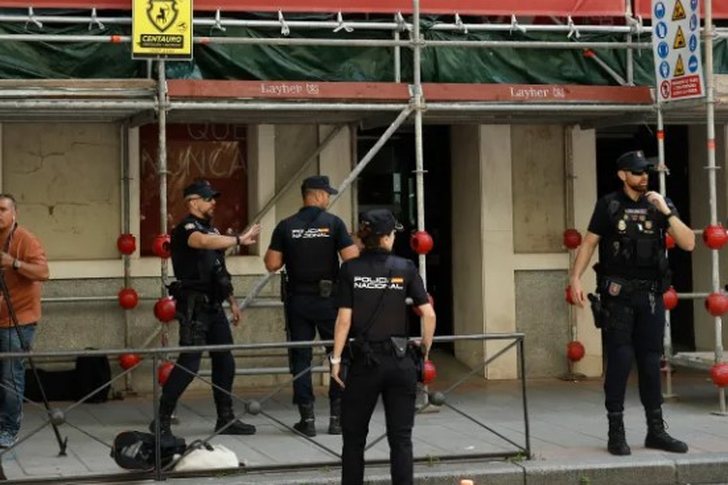
Corruption Investigations/Prime Minister's Wife Banned from Leaving the Country
Political pressure on Spanish Prime Minister Pedro Sánchez...


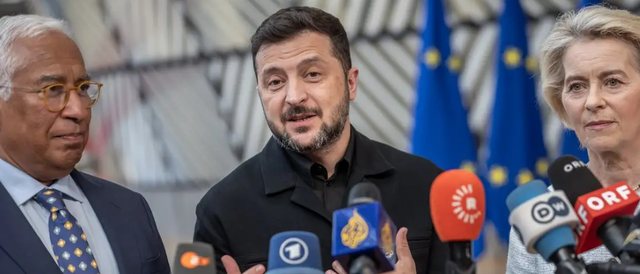
Official Berlin seems unhappy with the president of the EU Council, António Costa. The announcement during the EU summit two days ago that his office had opened communication channels with Moscow drew criticism, as this was done without prior coordination with the member states. According to sources in Berlin, this step was described as "uncoordinated" and "unprofessional".
There have been no substantive talks, Costa stressed, explaining that it is only a matter of preparation for possible negotiations.
German Chancellor Friedrich Merz avoided public comment on this, but stressed that peace talks should be led by Ukraine, Russia, Europe and the US.
But who will represent Europe remains open. According to the German Chancellor, Ukraine must decide who sits at the peace table: And Ukraine explicitly requests the support of the countries of the group known as the E3 – Germany, France and the United Kingdom.
António Costa also underlined Ukraine's role after the EU summit: only it is legitimate to negotiate for itself. Explaining his actions, he explained that "direct diplomatic channels" should be established with Russia, to enable the receipt and transmission of messages.
Support for Costa from small EU states
It is precisely the smaller EU states that have shown themselves open to Costa's proposal: "If the channels of communication are opened now, (…) then I see this positively," said Austrian Chancellor Christian Stocker. For him, it is not so important at what level this happens.
Belgian Prime Minister Bart De Wever stated that in areas where EU competences are at stake, there should be an EU representative. According to him, the E3 countries should negotiate when it comes to security guarantees for Ukraine.
EU agreement to pressure Putin
On one point, EU heads of state and government are of one mind: the time for negotiations has not yet come. "We must force Russia to sit at the negotiating table. And that means more sanctions and more pressure on Putin," declared Dutch Prime Minister Rob Jetten.
The Russian government has said it is ready in principle to negotiate with European states. However, it will not accept ultimatums and the Europeans are either "stupid or incompetent" if they believe they can negotiate from a position of strength.
While the G7 countries agreed at their meeting earlier this week on further sanctions against Russia, the EU is currently working on a 21st package of sanctions, aimed at further restricting Russian revenues from energy exports. In addition, the European Commission has proposed a ban on entry into the EU for Russian fighters.
It was Bulgarian Prime Minister Ruman Radev who made it clear that Bulgaria opposes parts of the latest sanctions package: according to him, the planned measures would have a negative impact on the Bulgarian economy.
Aid to Ukraine in the post-Orban era
This was the first regular meeting of heads of state and government without Viktor Orbán. The former Hungarian prime minister had made aid to Ukraine significantly more difficult with his blocking stance.
With the new Hungarian Prime Minister, Peter Magyar, the situation changed: for the first time since September 2024, the EU was able to take decisions on Ukraine on behalf of all 27 member states, Council President Costa emphasized. Thus, the economic sanctions against Russia were extended for the first time by twelve months, instead of six months.
Also earlier this week, the EU opened the first chapter of negotiations with Ukraine. European Commission President Ursula von der Leyen called it a "major historic moment."
The aim is to open other chapters by the summer. Ukrainian President Volodymyr Zelensky has once again called for Ukraine's rapid full membership of the EU. But some member states are skeptical about rapid membership. /DW

Political pressure on Spanish Prime Minister Pedro Sánchez...
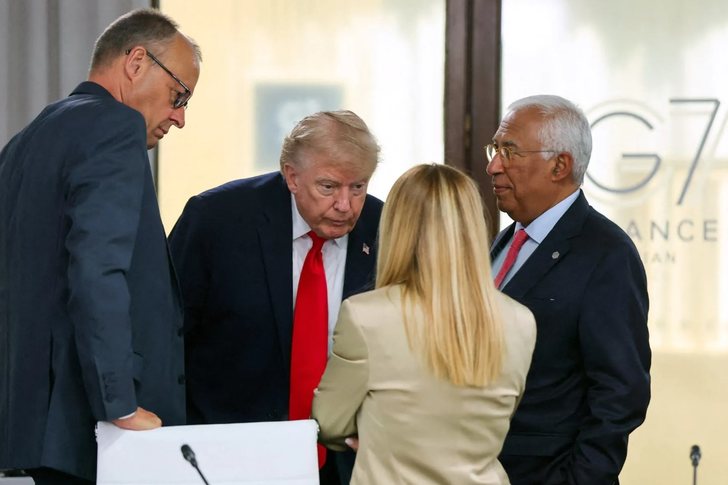
US President Donald Trump, in an exclusive interview with ...
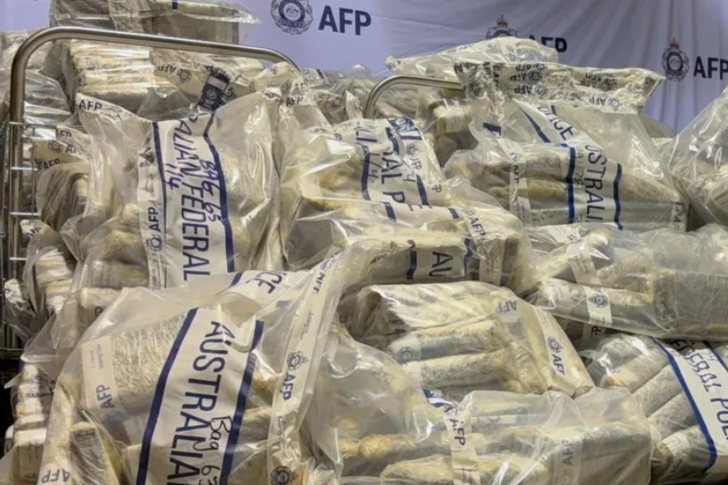
Australian police have made the largest cocaine seizure in...
Mediators from Pakistan and Qatar declared on June 22 that...
A cargo ship in the Black Sea has caught fire after a Russ...
British Prime Minister Keir Starmer is considering the pos...
A member of Iran's negotiating team with the US told state...
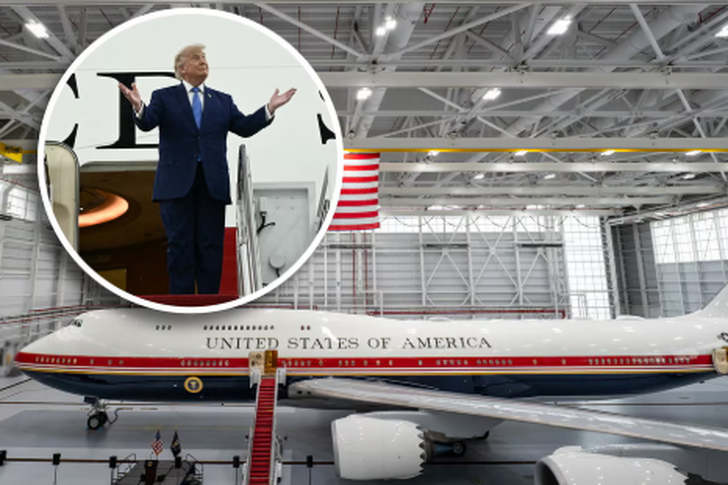
US President Donald Trump publicly unveiled the Boeing 747...
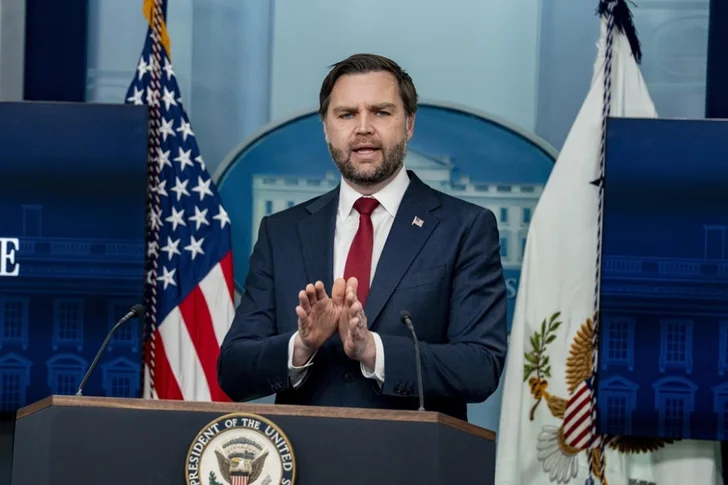
US Vice President JD Vance said today that US President Do...
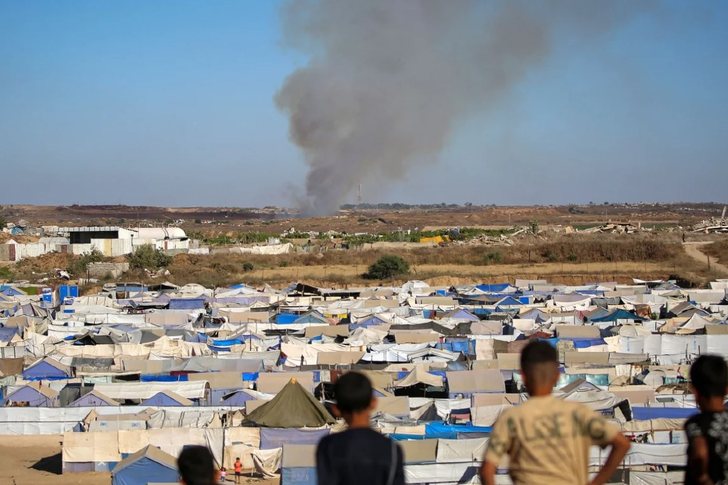
A series of Israeli airstrikes in the Gaza Strip have left...
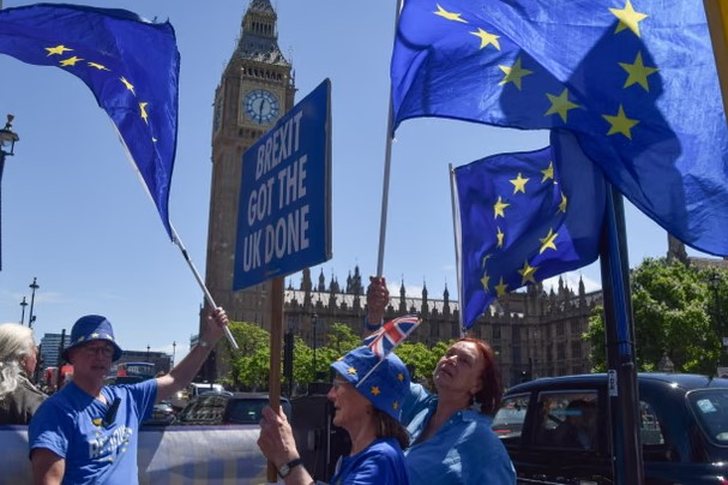
A new poll by the European Council on Foreign Relations (E...

French authorities have taken a rare decision to ban the c...
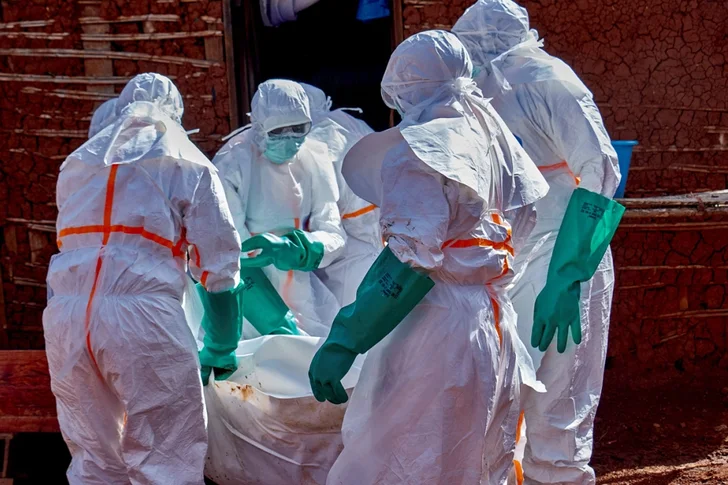
Health authorities in the Democratic Republic of Congo hav...
Direct talks between the United States and Iran are expect...

US President Donald Trump announced in a post on the Truth...
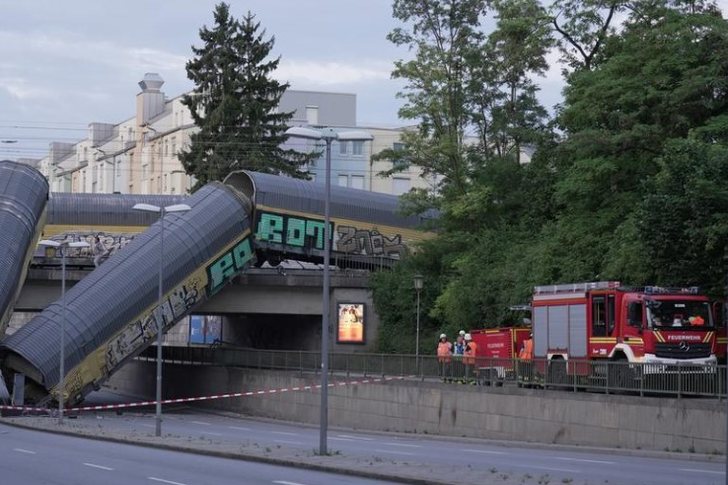
A serious rail accident occurred today in Munich, Germany....
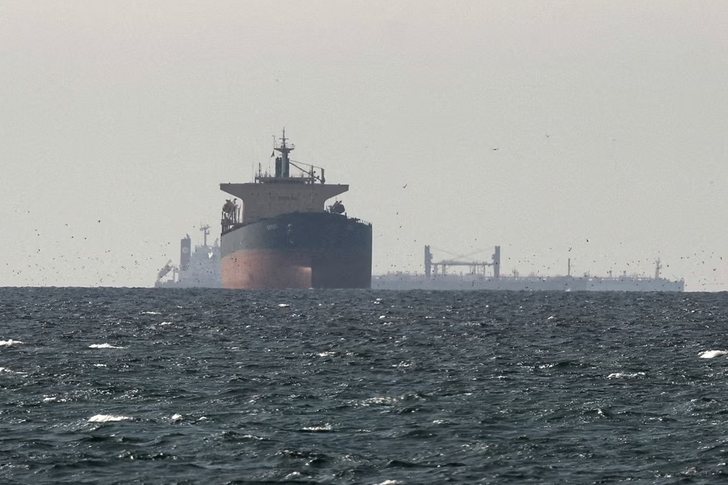
The Iranian Central Military Command, Khatam al-Anbiya, an...
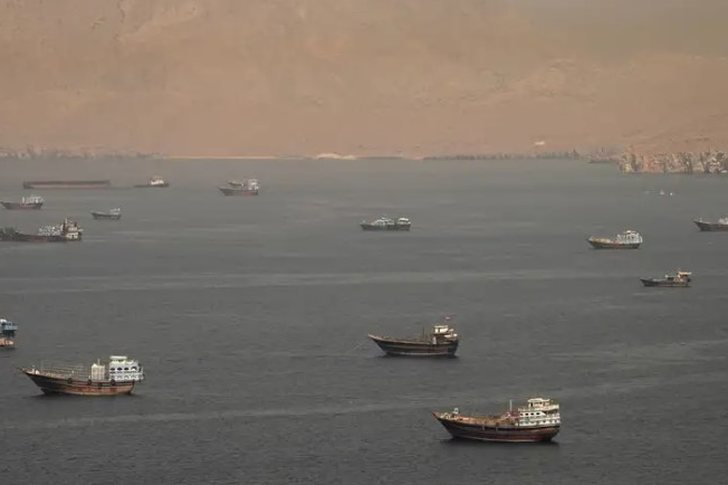
Four months of war have fundamentally changed relations be...
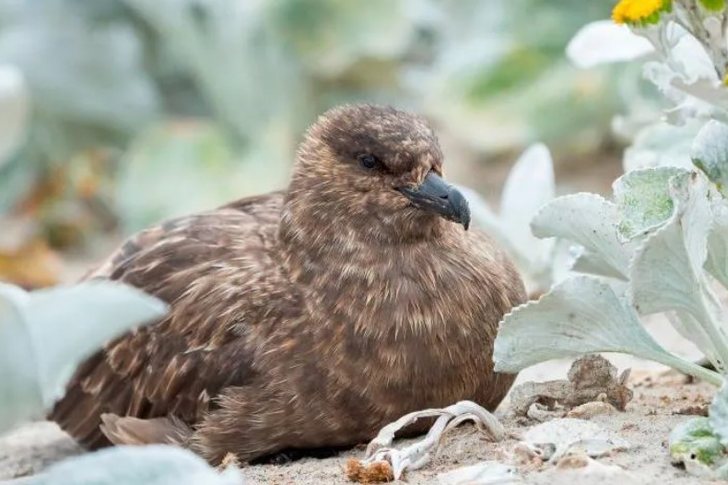
Australia has confirmed for the first time the presence of...
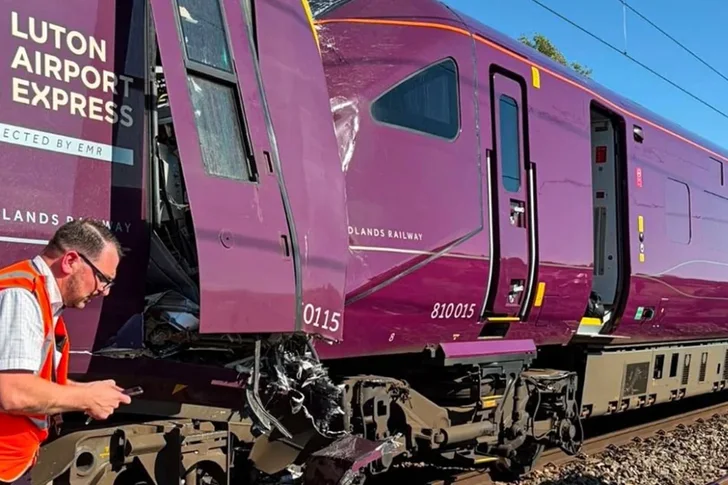
Two high-speed passenger trains collided on Friday afterno...
A mountain of documents for a flagrant case, in the na...
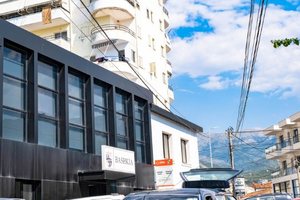
The Democratic Party has denounced a tender held by the Hi...
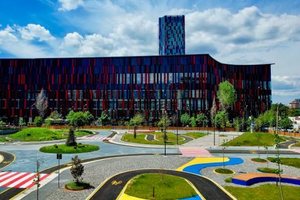
Since the summer of 2020, the Mayor of Tirana, Erion Velia...
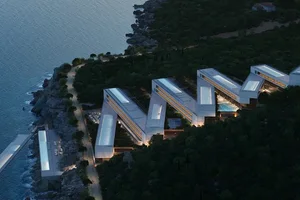
The leader of the Democratic Party, Sali Berisha, denounce...

The Special Board of Appeal (KPA) decided this Monday ...

The KPA vetting decided this Thursday to dismiss the p...

Suela Salavaçi, a prosecutor in the Prosecutor's Offic...

The Special Board of Appeal reinstated the prosecutor ...
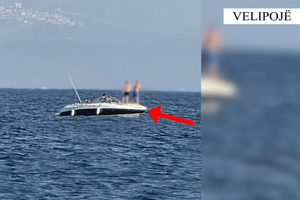
Three citizens were rescued in Velipojë after their boat b...
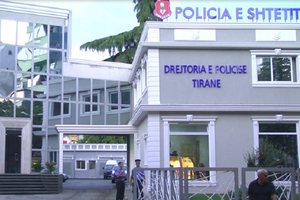
Tirana Police announced this Sunday afternoon that 9 prote...
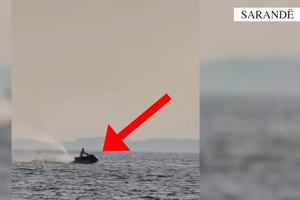
Border Police Services found a floating vehicle that had ...
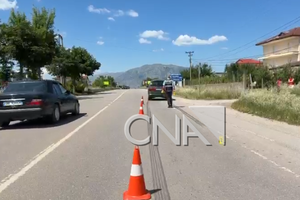
Accident on the national axis Korça-Bilisht, near the vill...

Albania is facing significant challenges in human capital ...
On Monday, our country will be affected by relatively stab...
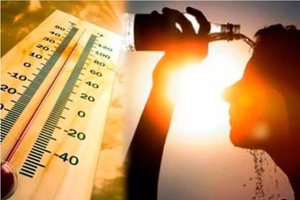
Some of Europe's meteorological agencies are predicting a ...
Today, the country will be engulfed by a heat wave, with t...
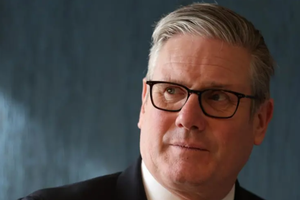
Keir Starmer resigns as Prime Minister and leader of the L...
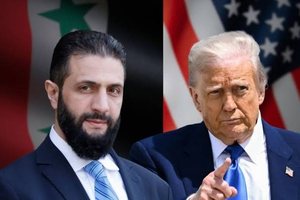
Syrian President Ahmed al-Sharaa has ruled out the possibi...
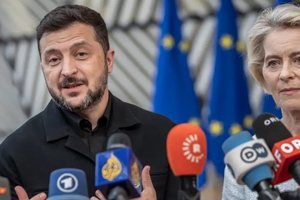
Official Berlin seems unhappy with the president of the EU...
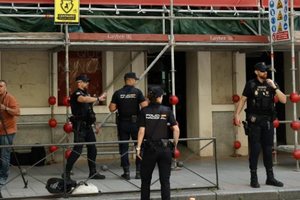
Political pressure on Spanish Prime Minister Pedro Sánchez...
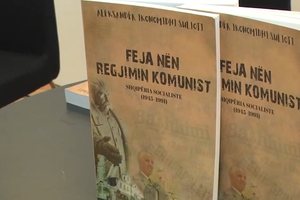
The promotion of the book by author Aleksandër Ikonomidhi ...
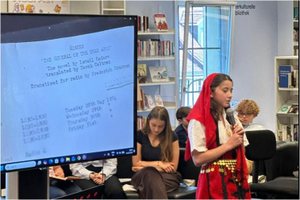
The Albanian Embassy in Switzerland has organized an eveni...
This Wednesday, the prominent actor of Albanian cinema, Gj...

Several archaeological excavations conducted during this s...
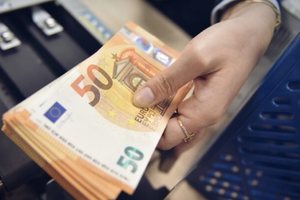
This Monday, one US dollar is bought for 81.4 lek and sold...

For almost a decade, the construction sector in our countr...
This Sunday, one US dollar is bought for 81.4 lek and sold...
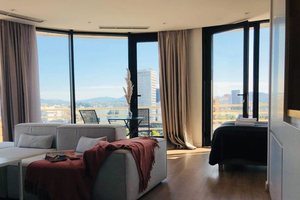
In the Balkans, few tourism markets are expanding at the p...