


Businessman Artur Shehu breaks his silence: I am a long-time land owner in Zvërnec, I don't know the investors at all
Albanian businessman Artur Shehu spoke on the Opinion show...

Albanian businessman Artur Shehu spoke on the Opinion show...

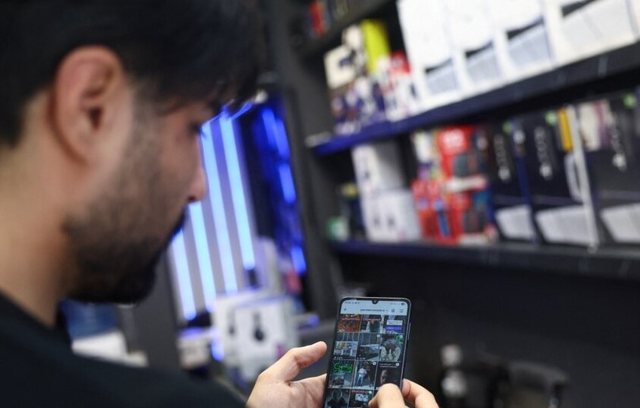
For 88 days, millions of Iranians lived in digital darkness after authorities imposed a nationwide internet ban following the outbreak of war with the United States and Israel.
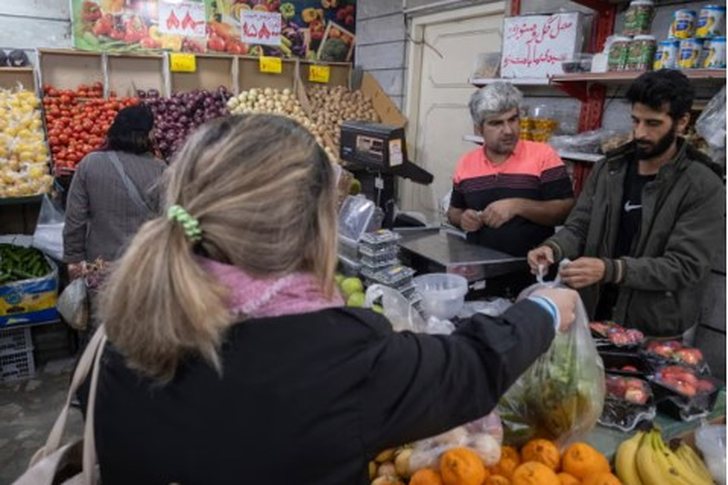
But the end of one of the world's longest internet outages brought little comfort to many Iranians, who reconnected after nearly three months to the same heavily filtered and state-controlled network.
However, some Iranians were relieved to emerge from the near-total lockdown imposed on the Middle Eastern country of about 90 million people.
"The feeling of collective humiliation, limited access to information, even access to treatment and healthcare – these are basic human rights, but they were all taken away from us ," Vida, who only gave her first name for fear of reprisals, told Radio Free Europe.
"Access was so limited that even email was not opened, and communication with people outside Iran became impossible ," she added to Radio Free Europe's Radio Farda. "The outside world had no idea what was happening here in wartime conditions."
"We can't talk to our families"
On May 25, Iranian President Masoud Pezeshkian ordered the Ministry of Communications to restore internet access, which had been partially blocked since mass protests against clerical rulers in early January.
The complete ban was imposed on February 28, when the US and Israel launched the bombing campaign against Iran.
Internet monitoring platforms reported a partial restoration of the internet on May 26, although they disagreed on the extent to which internet access had been restored.
Monitoring group Netblocks said internet traffic in Iran was about 80 percent of pre-January levels, noting that WhatsApp usage remains limited and some users still have no internet. Meanwhile, US network monitoring company Kentik said the figure was about 39 percent. The two groups appear to use different metrics to calculate internet traffic.
In a written response to Radio Farda, an Iranian said that fewer VPNs – virtual private networks used to circumvent internet censorship – are now operating and that internet speeds are very slow.
Elham, an Iranian woman living in Germany, said her family in the Islamic Republic has still not been able to connect to the internet.
“Either they are lying about the restoration of service, or the connection speeds are so slow that we cannot talk to our families ,” said Elham, who did not want to use her full name for security reasons. She made the statement in an audio message sent to Radio Farda. “We are tired,” she added.
"Faith has been lost"
Iranians refused to celebrate the partial restoration of the heavily censored internet.
Former MP Bahram Parsaei said in X that this measure "does not deserve any celebration," calling it "just a return to the previous state."
Parsaei added that the government's attempt to present the restoration of the internet as an achievement was "an insult to people's intelligence."
In a post on X, Arash Nalchegar, who has a podcast, said that until the filtering is removed, "this is like sending people from solitary confinement to a cell, to the part of the prison where there are other prisoners."
Tehran-based technology entrepreneur Vahid Farid said that internet access that can be cut off, restricted and sold to the public by the government at very high prices "does not build any future for the state."
He referred to the Government's unequal access policies, such as the "white internet" for individuals connected to the regime and the commercial "Internet Pro" services for wealthier users.
The economic cost of the internet outage in Iran has been significant. Afshin Kolahi, an official from the Iranian Chamber of Commerce, said during a session on April 12 that the outage was costing the country up to $40 million a day. Indirect losses, he said, reach up to $80 million a day.
Internet monitoring groups said it is still too early to say whether the rebound will be sustainable.
"The general feeling is that this internet-related situation is temporary. Trust has been lost," Iranian journalist Niloofar Qadiri said in a post on X. /REL


A former senior US government official has been arrested b...
Ushtria amerikane ka rrëzuar katër dronë iranianë dhe godi...
Around 500,000 Russian soldiers are believed to have been ...
The partial lifting of internet restrictions in Iran has r...
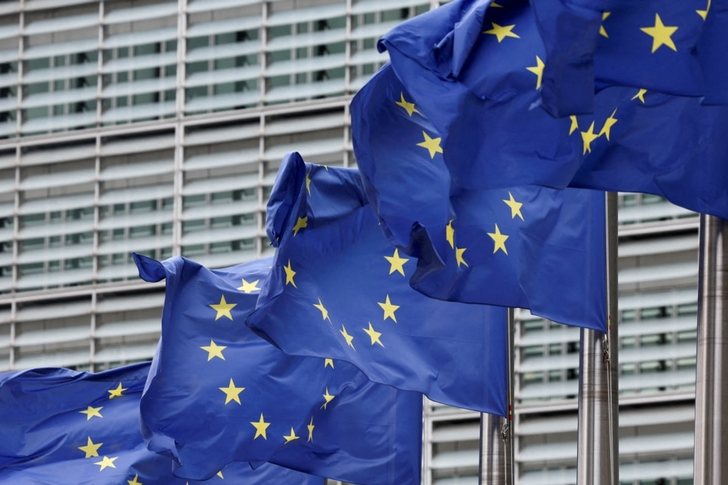
The European Union said it is closely following the detent...
Official talks have begun to revise the US-Mexico-Canada f...
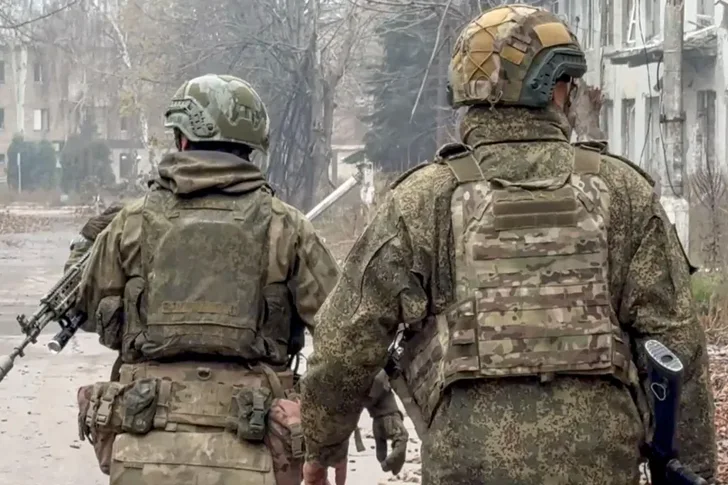
Almost 500,000 Russian soldiers have been killed since it ...
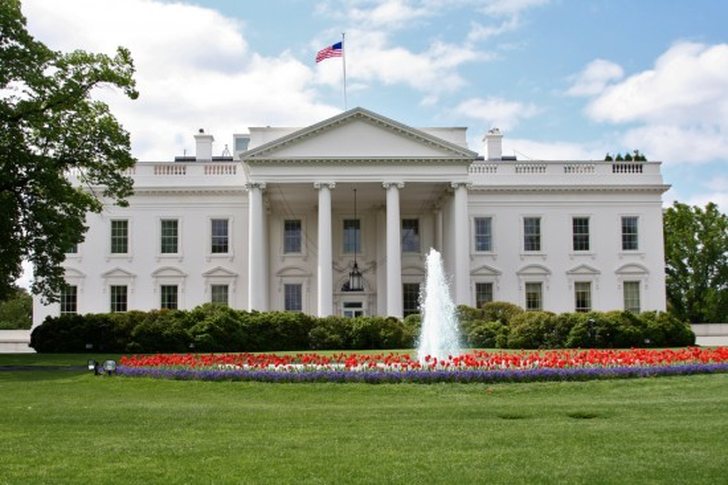
The White House is rejecting a draft memorandum published ...
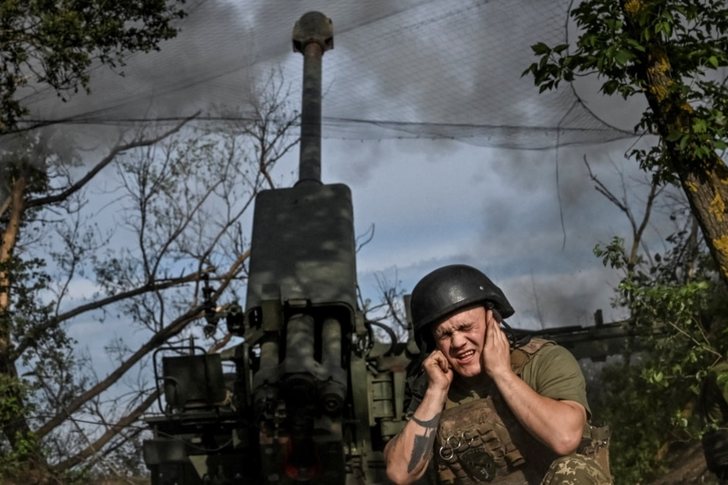
Authorities in Russian-occupied Crimea said Ukraine had at...
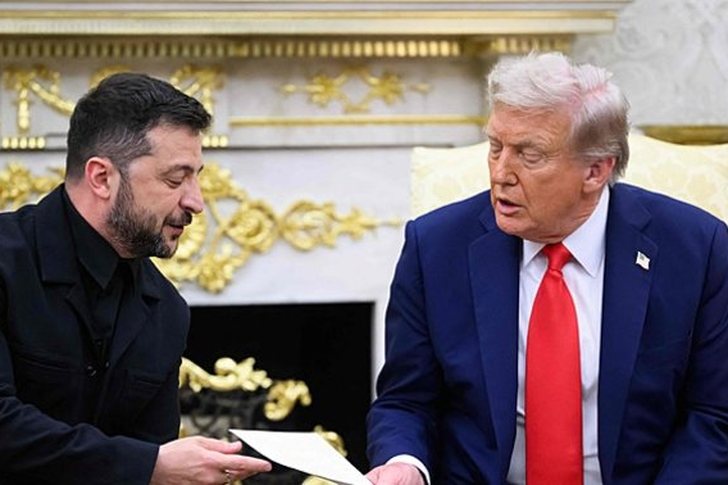
Ukrainian President Volodymyr Zelensky has sent an urgent ...
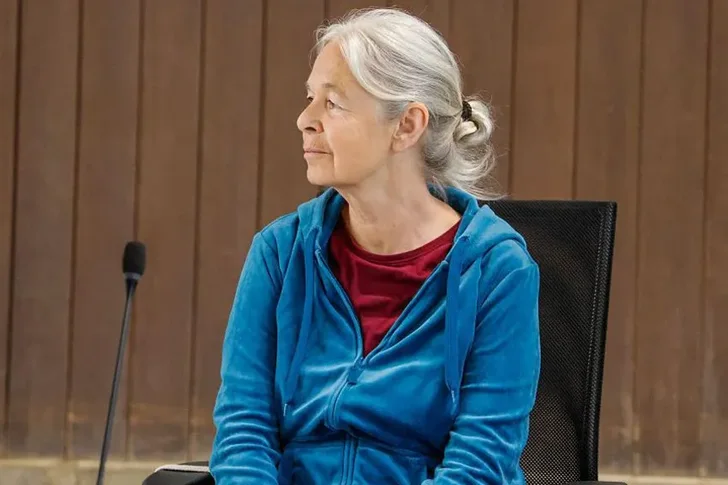
A former member of the German militant group Red Army Fact...
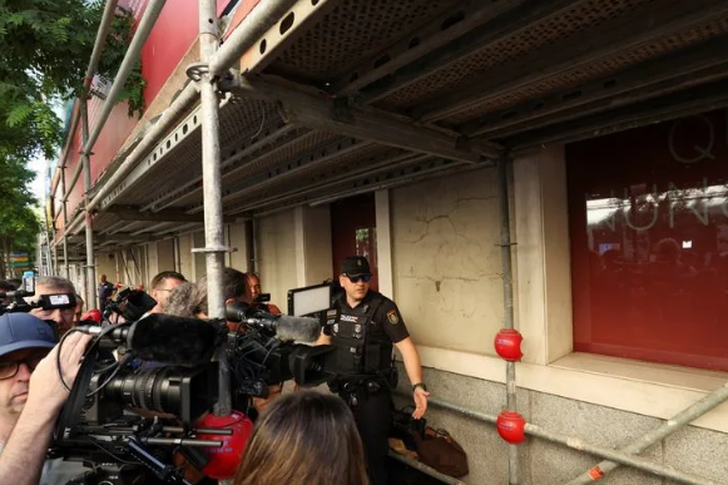
Spanish police raided the headquarters of the ruling Socia...
Kosovo's acting president, Albulena Haxhiu, said that Koso...
A draft of the initial memorandum of understanding between...
The commander of Hamas' military wing, Mohammed Odeh, was ...
Western Europe is facing an unusual heatwave, with record ...
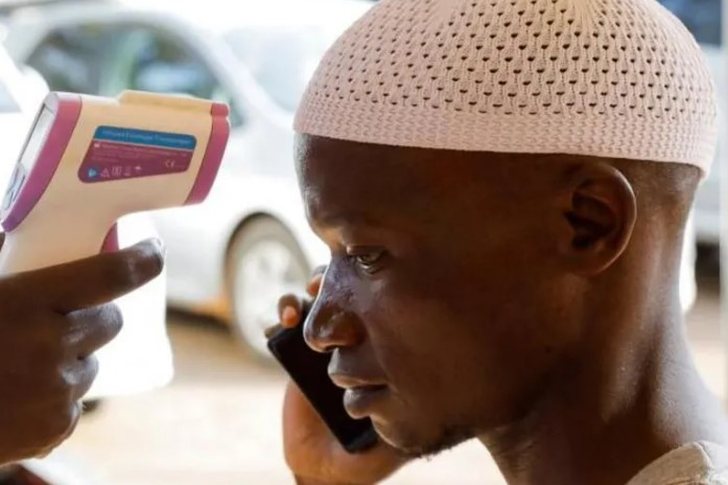
The Democratic Republic of Congo is facing a severe humani...
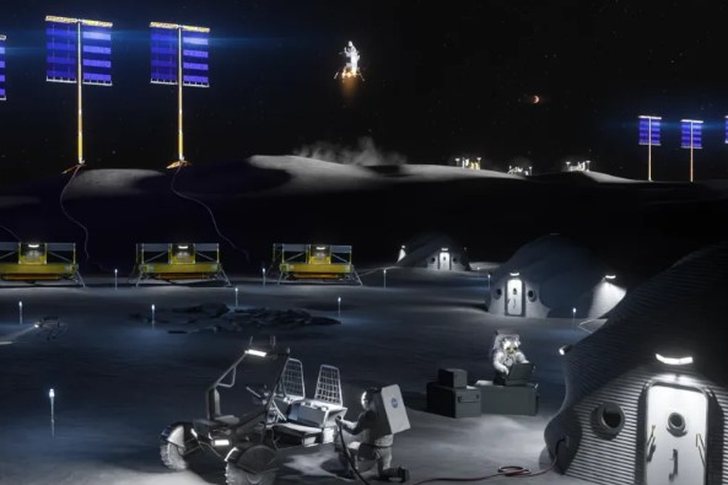
NASA has revealed the next steps for building a permanent ...

This photo released by Italian automaker Ferrari on May 25...

In the port city of Saint-Malo in Brittany, which is usual...

The next case broadcast on the show "Stop", this Thursday,...
The case published this Thursday, June 4, on the show "Sto...

The protests of recent days related to the situation in Zv...

The case addressed this Wednesday, June 3, on the show "St...

The Special Board of Appeal (KPA) decided this Monday ...

The KPA vetting decided this Thursday to dismiss the p...

Suela Salavaçi, a prosecutor in the Prosecutor's Offic...

The Special Board of Appeal reinstated the prosecutor ...
A convict was found dead today in the premises of the Pris...
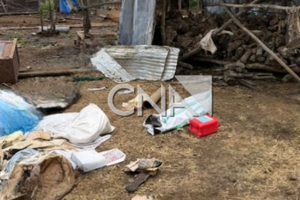
Several images provided by CNA show the area where this mo...

A quantity of explosive material exploded this morning at ...

The Head of the State Police, Skënder Hita, expressed his ...

For many children and teenagers, the long summer holidays ...
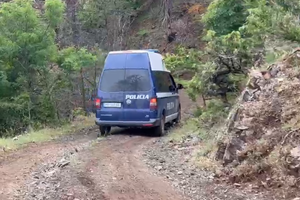
Witnesses in Lozhan, Maliqi, have shared details from the ...
Albania is facing an unprecedented demographic transition,...

On Thursday, our country will be affected by unstable weat...
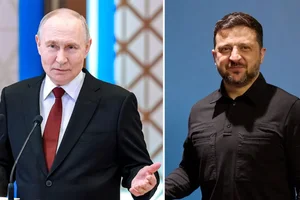
Russian President Vladimir Putin said the war in Ukraine c...
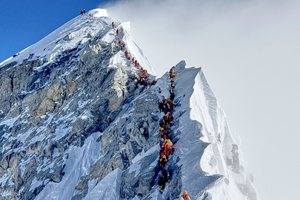
An extraordinary story of survival has been recorded in Ne...
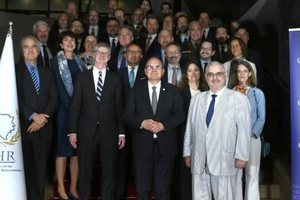
The Peace Implementation Council in Bosnia and Herzegovina...
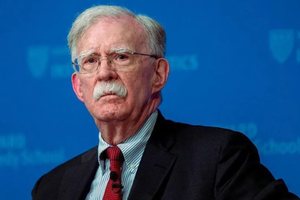
John Bolton, the former national security adviser to US Pr...
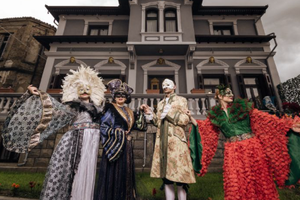
Korça is ready to open the summer season with one of the c...
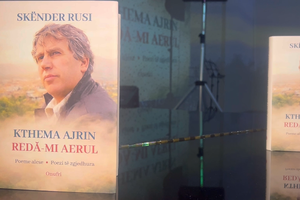
Two years after his passing, the renowned Korçë poet Skënd...

The Ethnographic Museum of Berat has opened its doors to v...
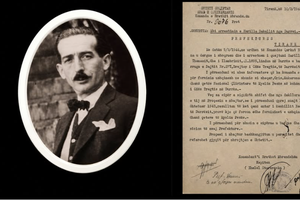
The story of Harilla Bakalli is one of the most chilling t...

The government aims to transform the country's industrial ...

Kursi i këmbimit të euros me lekun ka rënë më tej këtë jav...

Profit margins in the construction sector have increased s...
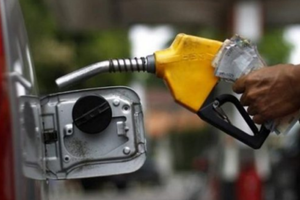
The Transparency Board, at its meeting today, decided to i...