


Murder, injury, weapons possession and criminal group/ Two dangerous individuals wanted by Interpol arrested
Two citizens with high social risk, wanted by the authorit...

Two citizens with high social risk, wanted by the authorit...

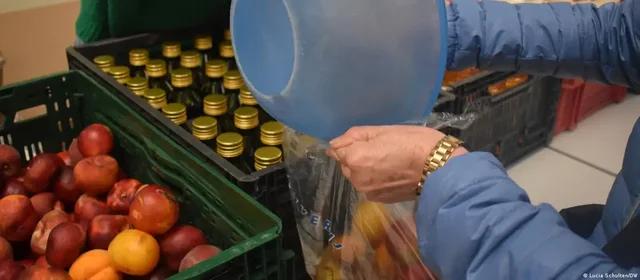
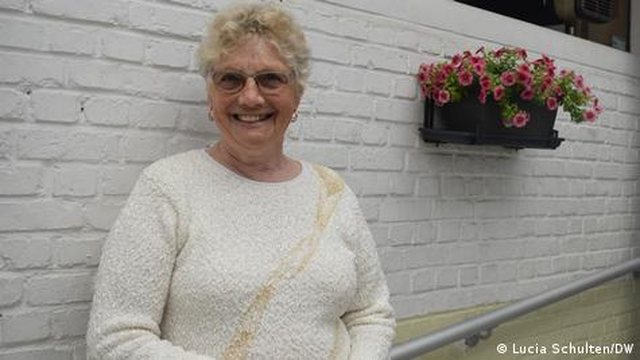
Once a week, Jeannine Weyekmans and other volunteers give food to about 150 families. The president of this food bank knows that the people who come here have no other choice. This Thursday, many people found their way to the Protestant church in the Brussels municipality of Laeken.
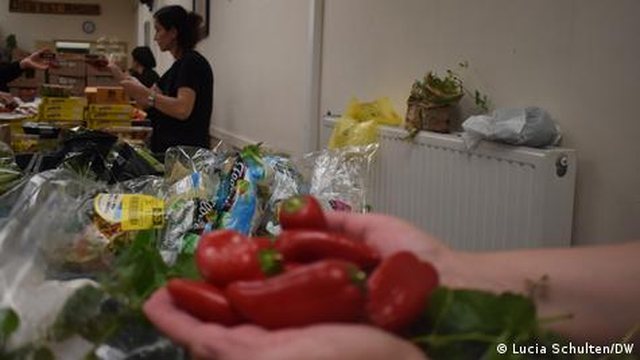
Men and women fill their carts and shopping bags with what is given to them by volunteers. Among them there are many families with children. Next to a pile of bread, there are sauces and vegetables on the tables. On the other side of the room, people pick up small bags of crisps and boxes of sweets. There is also sparkling water, fruit and oil. In a large refrigerator, there is meat.
Unlike a supermarket, people don't pay, but they also can't pick everything they want from the shelves. People only find what is donated by supermarkets. Some of the products are past their best before date, others are not. Among the products are some, such as oil or flour, that have an EU flag. They were paid for by an EU project.
People come here for different reasons, Jeannine Weyekmans told DW. Some of them have the right through the social welfare authorities, others are in debt or there are people who are waiting to receive their residency documents and are not allowed to work in the meantime.
She says they don't do any detailed vetting because the people who come here really need it. But they would never send anyone away without food, she added. Every Thursday they distribute food to the needy. Some of the people who come here live on what they get from Thursday to the following Thursday, Weyekmans says.
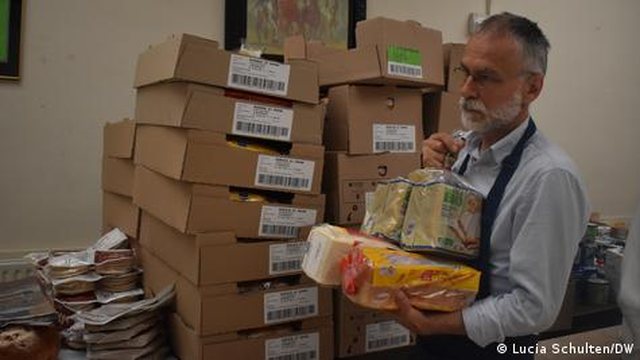
The food bank in Laeken is one of approximately 140 food banks in the region of Brussels and Brabant, which receives part of its products from the food bank of Brussels and Brabant. The food bank provides 5 million kilograms of food to non-profit organizations every year, president Luc Rogge told DW. The regional food bank serves as a hub for food donations from supermarkets to food banks and distributes food paid for by an EU project for the most deprived (FEAD). This constitutes about 40% of the annual amount.
The food bank operates with volunteers and is supported by social and regional authorities. Without the commitment of people like Luc Rogge and Jeannine Weyekmans, more food would probably go to waste.
Eurostat estimates that approximately 10% of all food made available to EU consumers ends up in waste. In 2020, it reached nearly 59 million tons, according to the EU. At the same time, the EU says that 32.6 million people in Europe are unable to afford a quality meal every two days.
In the Brussels area, regional minister Alain Maron says in a statement on his website that there are 70,000 people who rely on food banks. Starting in 2024, he wants to force stores with an area of ??more than 1,000 square meters to donate unsold but still edible food. A draft decree passed the first reading and must undergo further legislative steps.
Hans Cardyn, spokesman for the Belgian retail association Comeos, told DW that supermarkets in Belgium were already donating a lot. He believes the new law would put customers at a disadvantage, who would no longer benefit from reduced prices on goods nearing their expiration date. Another problem, according to Cardyn, is that the obligation only applies to stores with over 1,000 square meters of retail space. This plan may seem like a good idea, but it's actually a "bad idea," the representative of the retail trade association told DW.
Belgium is not the first country to introduce legislation dealing with food donations from supermarkets. According to the Federation of European Food Banks (FEBA), which represents 351 food banks in 30 countries, they observe three different approaches. Some countries such as France and the Czech Republic force vendors to sign agreements to donate food to food aid organizations. Other countries, such as Italy and Moldova, opt for fiscal incentives or simplify administrative procedures, Angela Frigo, Secretary General of FEBA, told DW. Finally, she added that there are countries, such as the Netherlands and Hungary, which would prefer voluntary agreements to implement the legislation. Spain is also planning to introduce laws to ban food waste.
Asked by DW if this type of legislation changes the situation for food banks, the association replied that "depending on the country, the implementation of these approaches has led to an increase or decrease in the amount of food donations", the statement said. However, the main difference was " greater focus on the issue of food donation and a strengthened dialogue between all parties involved".
Paul Milbourne, a social geographer at Cardiff University, told DW that while "it helps a little bit", the bigger question of why there is food waste is not addressed in any of these initiatives. He believes that the supermarket retail model includes an element of excess and that the aspect of food overproduction is not addressed.
Food waste doesn't just come from supermarkets. According to the EU Commission, over 50% of food waste comes from households. By 2030, the EU wants to introduce legally binding targets to reduce food waste. In July, the EU Commission proposed reducing food waste by 10% in processing and production and 30% per capita in retail and consumption. However, these proposals still need to be discussed by the EU parliament and member states.
Social geographer Milbourne thinks that using food waste to feed low-income people is problematic and that there are better models of providing food for them than food banks that come with stigma. As one of them, he mentions the so-called community grocery store model, which is starting to develop in Great Britain. In this model, people gather and buy food at reduced costs. They pass the reductions on to their members, similar to a cooperative. The benefit, according to Milbourne, is that it would entitle low-income people to a variety of high-quality foods. He thinks that the whole approach to food needs to change and be seen as fair.
In Brussels, the two volunteers welcome the Brussels region's plan to make donations compulsory. While Luc Rogge thinks that in practice it may not change that much, as most supermarkets are already donating almost everything, Jeannine Weyekmans is more optimistic. She thinks it's a great idea and hopes to be able to help even more people in the future./ DW

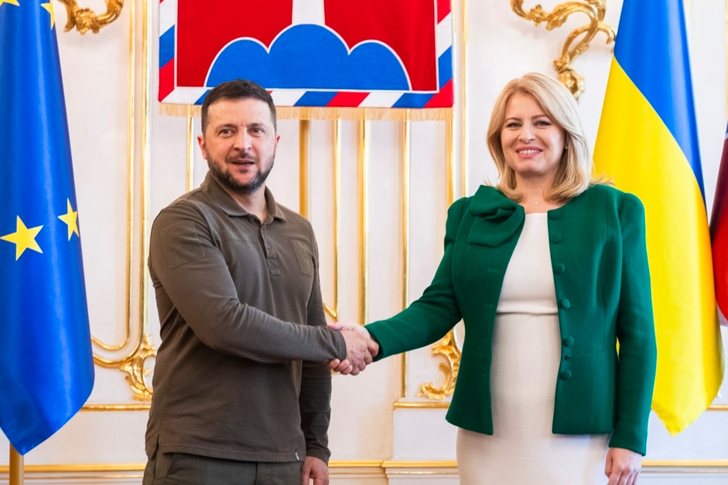
The President of Slovakia, Zuzana Caputova, has given perm...
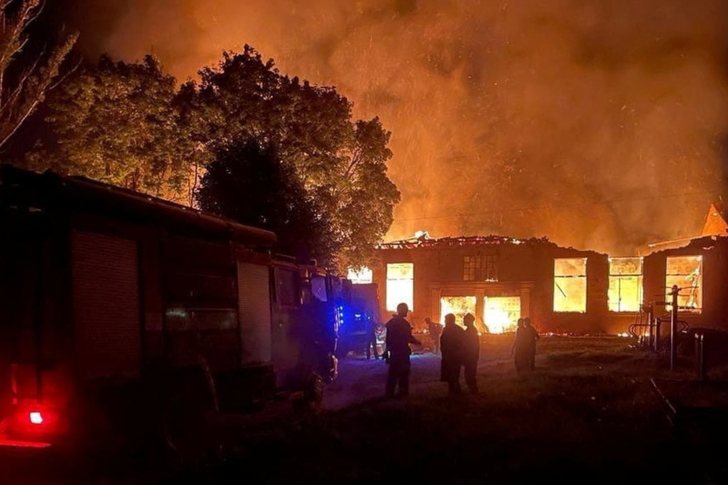
Russia has bombed a blood transfusion center in northeaste...
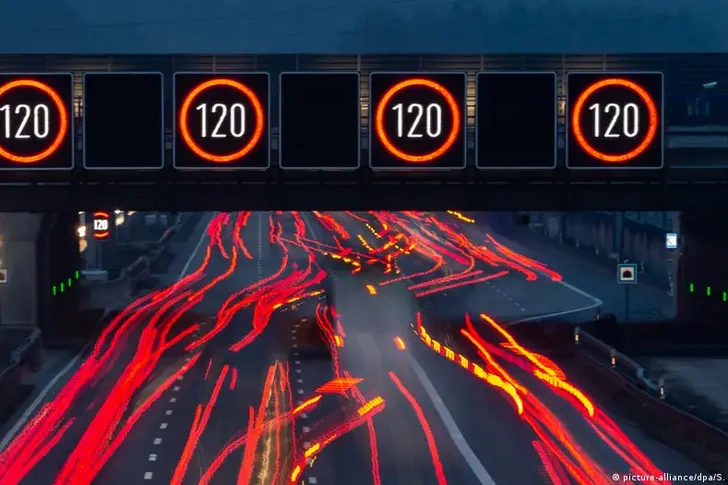
In Germany, speed has great value. The Germans have no...

The torrential rains in many areas have created dramatic c...
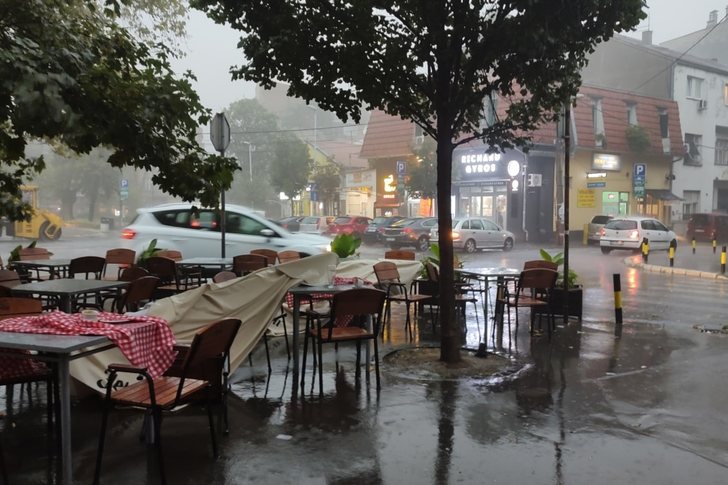
A hailstorm hit Belgrade on the afternoon of August 5, cau...

Niger's new military junta has sought help from Russian me...
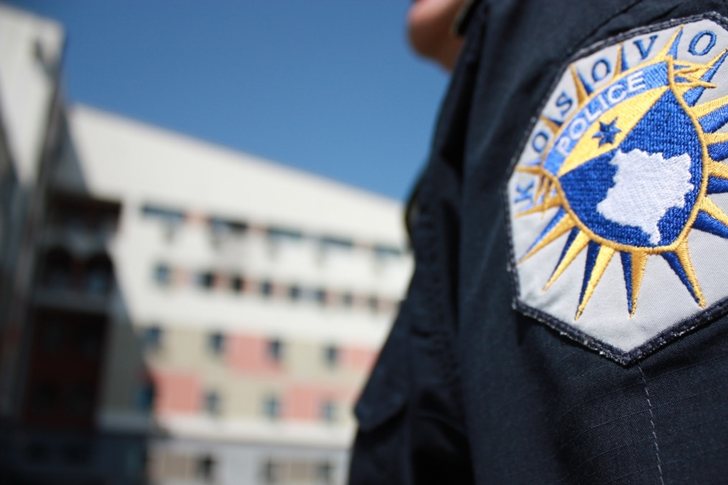
The Minister of the Interior of Kosovo, Xhelal Sveçla, ann...

A Russian tanker has been hit in a Ukrainian attack in the...
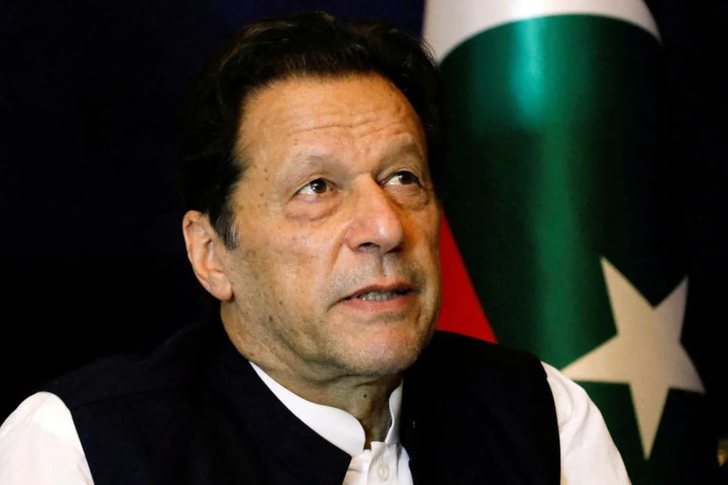
Pakistan's former prime minister Imran Khan has been sente...
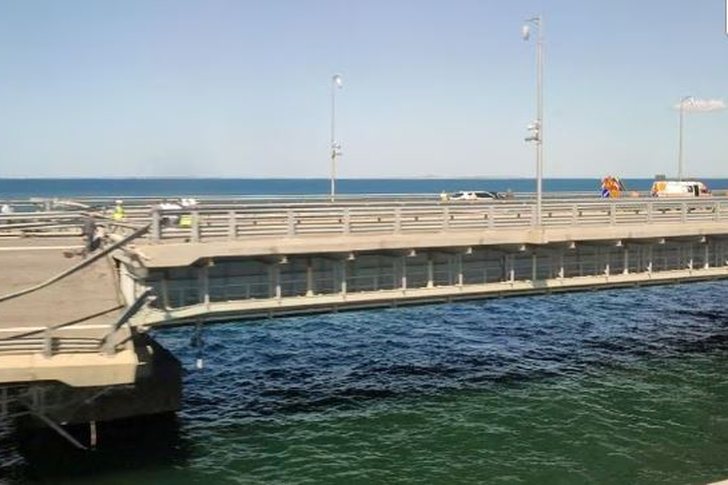
A naval drone strike damaged a Russian tanker near the str...
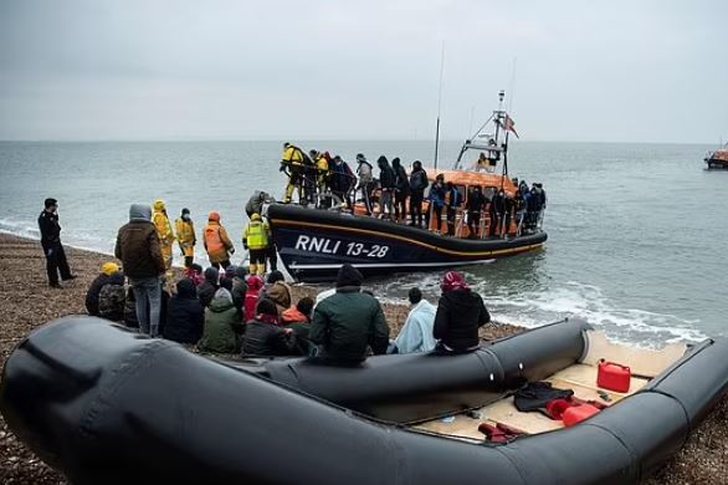
The Daily Mail has dedicated an article to what it conside...
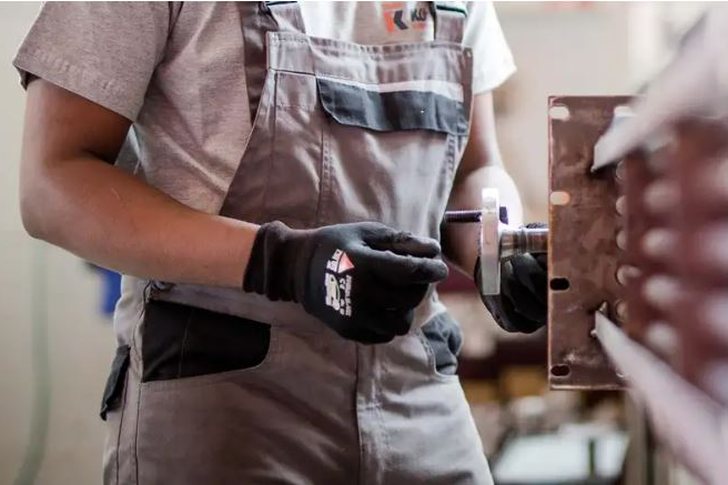
For Herbert Bricker, the result of the research is extreme...
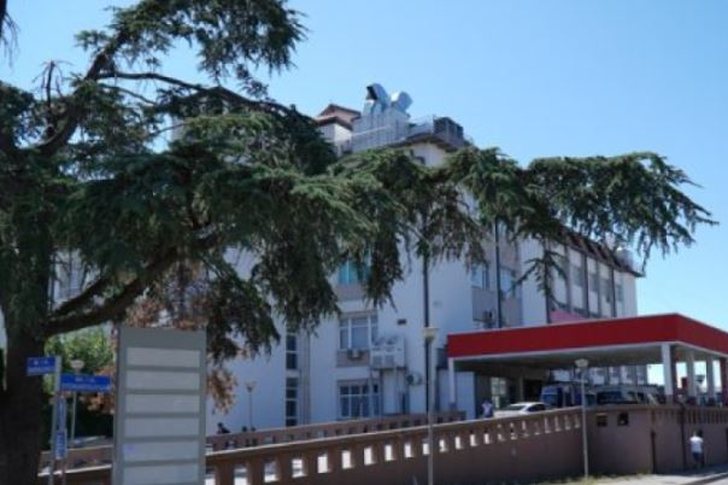
A serious event was recorded in the late hours of Friday e...
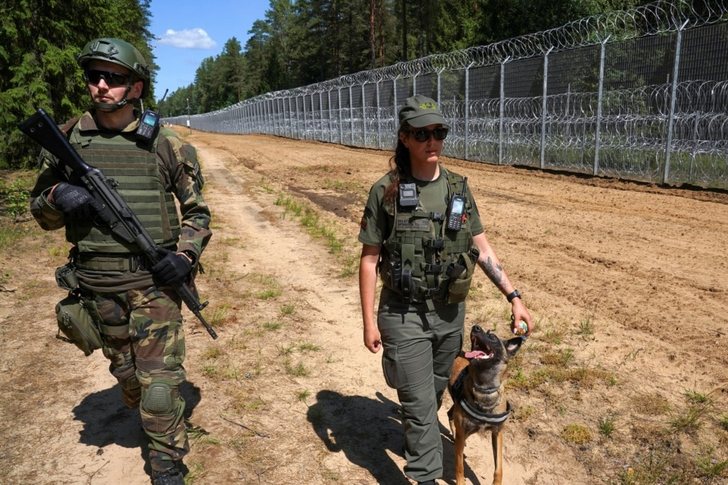
Lithuania will close two of its six border crossings with ...

Saudi Arabia will host peace talks on Ukraine this weekend...

The 22nd edition of the International Documentary and Shor...
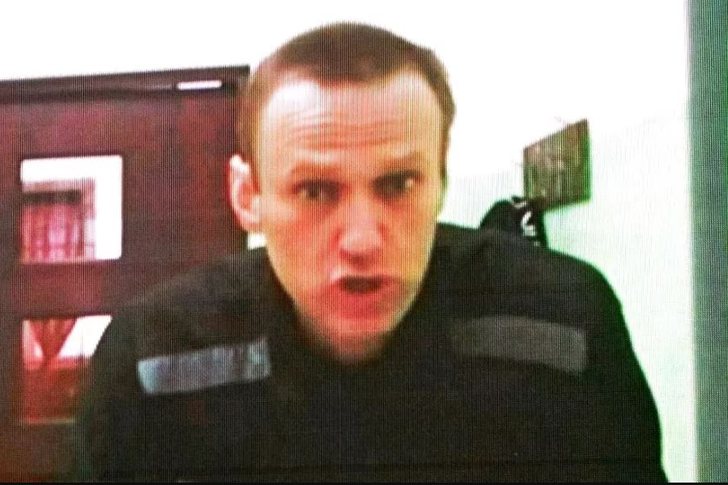
Navalny was found guilty of founding and financing an orga...
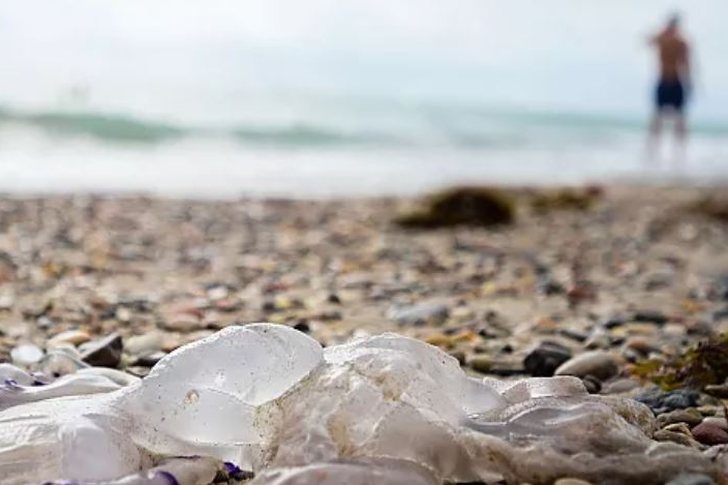
Ocean temperature records are being broken around the worl...
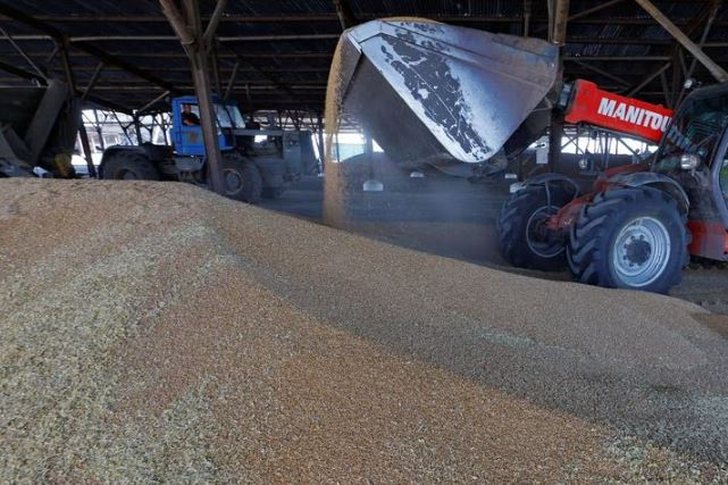
India is considering cutting or removing a 40% import tax ...

Lithuania has declared more than 1,000 citizens of Russia ...

For 6 months now, CNA has been sending several letters to ...
The word "fatherland" with properties is not enough. The m...

The justice reform claimed that it would bring faster, fai...
The Justice Reform and the vetting process were trumpeted ...

The Special Board of Appeal (KPA) decided this Monday ...

The KPA vetting decided this Thursday to dismiss the p...

Suela Salavaçi, a prosecutor in the Prosecutor's Offic...

The Special Board of Appeal reinstated the prosecutor ...
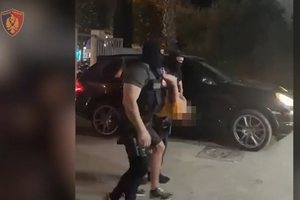
Two citizens with high social risk, wanted by the authorit...
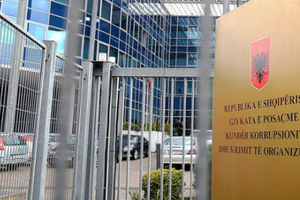
The Special Court against Corruption and Organized Crime h...
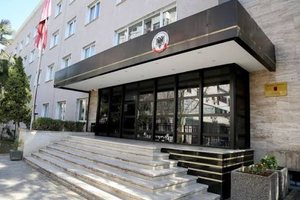
The Berat Prosecution Office has finalized a 6-month proac...
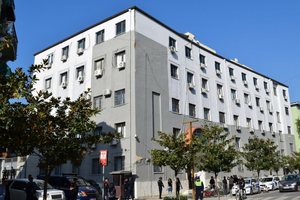
The Durrës Prosecutor's Office has uncovered a sophisticat...

Today our country will be affected by stable weather condi...

Emigration, an aging population, and low participation in ...
Today, our country will be affected by relatively stable w...
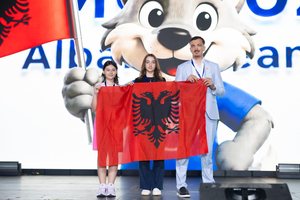
Albania has been awarded two medals of honor at the awards...

At least 11 people have died and six others have been inju...

Patriot, Tomahawk, Starlink, F-35: Europe's security still...

The threat level to maritime security in the Strait of Hor...
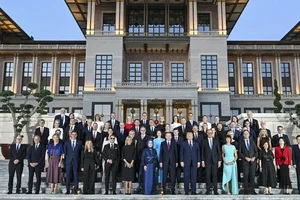
After the end of the NATO summit, Turkish President Recep ...

The German Embassy in Tirana has invited the Albanian publ...
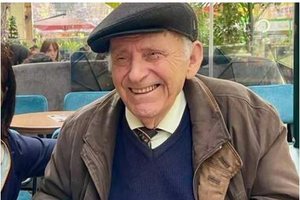
Professor and literature scholar Ali Xhiku has passed away...

During my research into the life and artistic photographic...

This year's edition of the Gjon Mili International Video A...

In addition to food, household appliances, oil, and more, ...
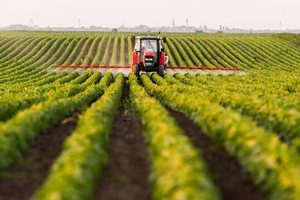
The government has reduced the funds foreseen for rural de...

This Friday, one US dollar is bought for 81.4 lek and sold...

The Tax Directorate has announced that the process of auto...