


From border verification rules, to IQMT and Dhërmi/ New government decisions
The Council of Ministers held its next meeting this Friday...

The Council of Ministers held its next meeting this Friday...

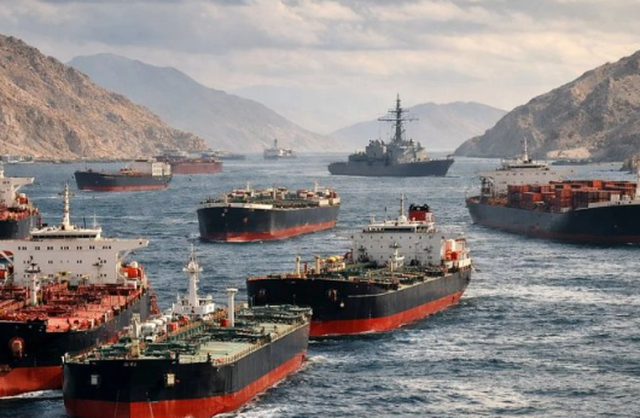
New clues on the future of navigation in the Strait of Hormuz appear to be taking shape, as Oman has reportedly informed European officials that a return to the status quo that existed before the last war is no longer guaranteed.
According to information cited by people familiar with the discussions, Muscat is considering the possibility of imposing fees for specific services related to the passage of ships through this strategically important sea passage.
The same sources indicate that the fees could relate to services such as combating marine pollution, providing navigational assistance or other support functions. However, it is not clear whether the specific fees will be mandatory for all ships.
In search of international standards
Oman is said to be considering management methods applied to other international maritime crossings, such as the Strait of Malacca in Asia, where no mandatory transit fees are imposed but certain security and support services are provided for a fee.
This prospect has caused great concern in the United States, Europe and the Arab Gulf countries, which fear that Oman may proceed, in consultation with Iran, to establish a permanent system of fees for passing ships.
The issue is expected to be on the agenda of the meeting between French President Emmanuel Macron and Omani Sultan Haitham bin Tariq in Paris.
According to the French presidency, the two leaders will discuss the security of maritime trade routes and ensuring free and unrestricted passage through the Strait of Hormuz.
Conflicting messages from Muscat
Oman, traditionally a close ally of the US but also a country that maintains good relations with Iran, is in a particularly difficult diplomatic position.
A few days ago, he had issued a joint statement with Tehran, which referred to discussions on navigation management and the cost of operating the passage.
However, two days later, he co-signed a joint statement with the United States and the Gulf Cooperation Council countries, which explicitly rejects any tariffs or attempts to impose control over the Strait of Hormuz.
US Secretary of State Marco Rubio said he welcomed Oman's participation in the joint statement, noting that imposing taxes on such a critical international shipping lane could set a dangerous precedent for other regions of the world.
At the heart of the negotiations with Iran
The future of the Strait of Hormuz is one of the main issues in talks between the US and Iran following the interim peace deal reached after months of fighting.
Tehran has already hinted that ships will have to obtain insurance coverage during their passage, while announcing that the current regime without corresponding tariffs will only be in effect for a limited period of time.
Although tanker traffic has begun to increase since tensions eased and international oil prices have fallen, traffic remains significantly lower than pre-war levels, while security incidents continue to cause concern in the international shipping community.
Any potential imposition of tariffs on passing ships could significantly increase the cost of maritime transport and global trade, as a significant percentage of global oil and liquefied natural gas exports pass through the Strait of Hormuz every day./ Bloomberg

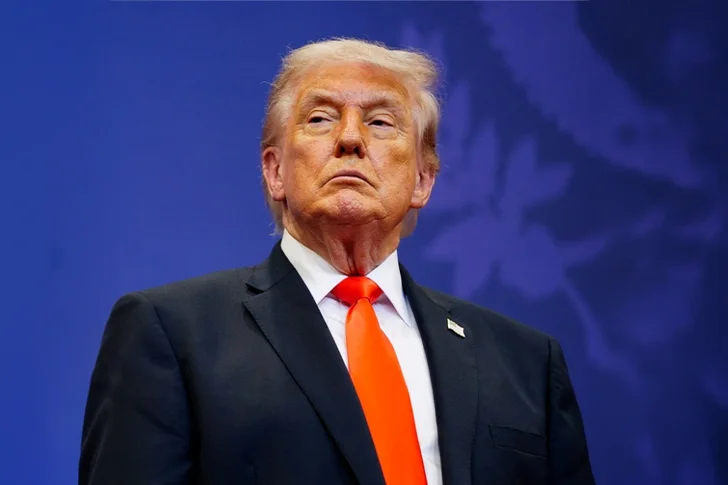
US President Donald Trump has accused Iran of recklessly v...
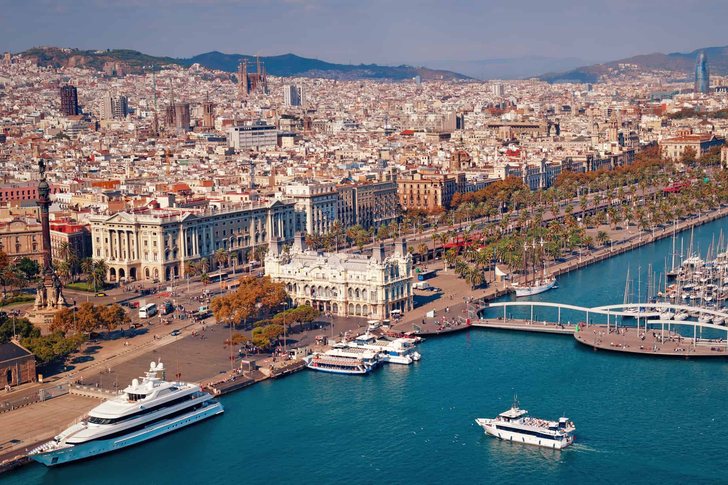
Barcelona authorities are proposing to almost triple the t...
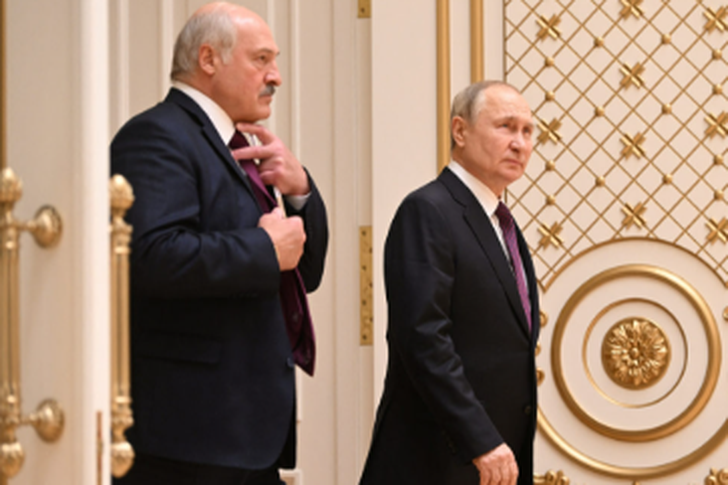
Russian President Vladimir Putin and his Belarusian counte...

A magnitude 6.5 earthquake has struck the southern Philipp...

A severe heatwave is expected to sweep across Central Euro...
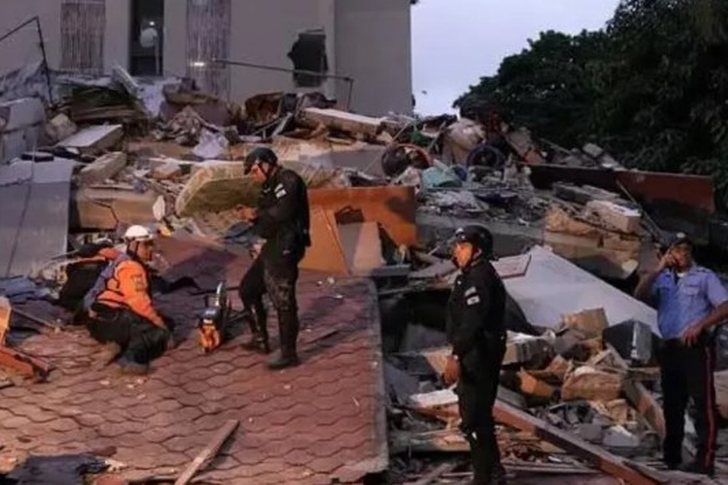
At least 235 people have been killed and more than 4,300 i...
Is the Chancellor at a loss for words? What do experts say...
Multiple explosions are reported by foreign media in the U...
Prime Minister Mark Carney spoke today with US President D...
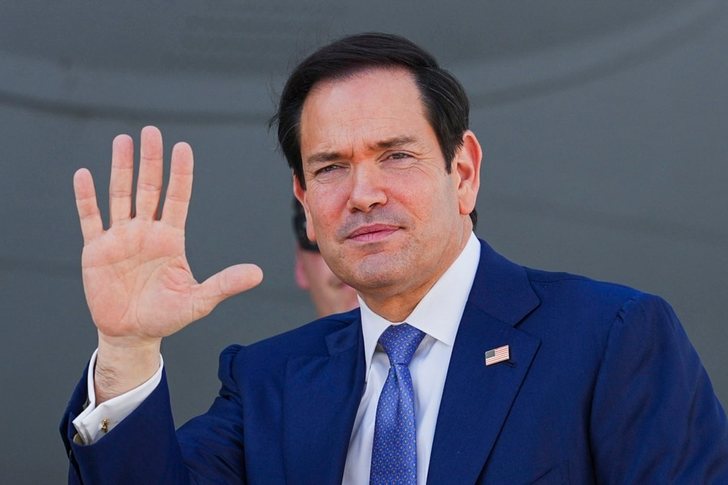
US Secretary of State Marco Rubio concluded a three-day vi...
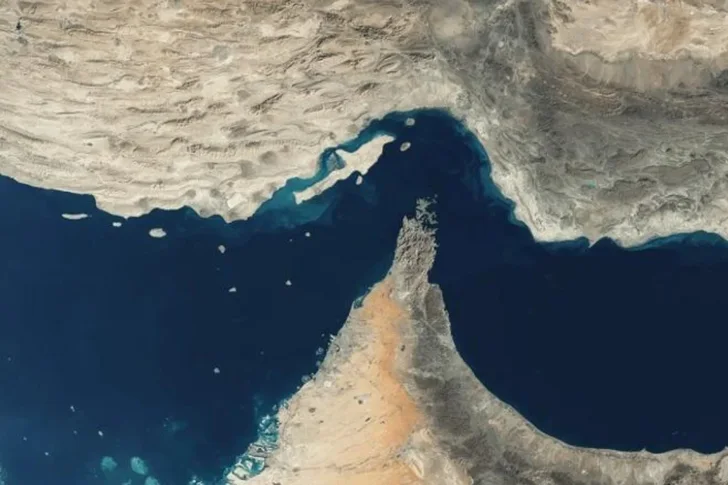
A cargo ship was damaged this Thursday after being hit by ...

A 23-year-old TikTok influencer accused of killing her boy...
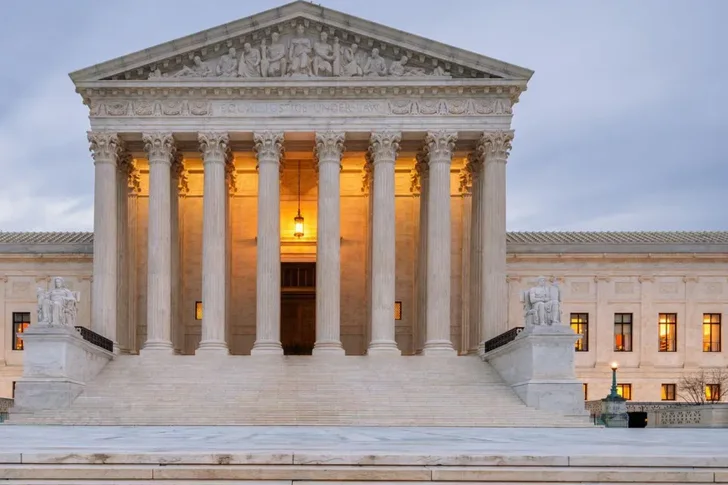
The Supreme Court has ruled that migrants arriving at the ...
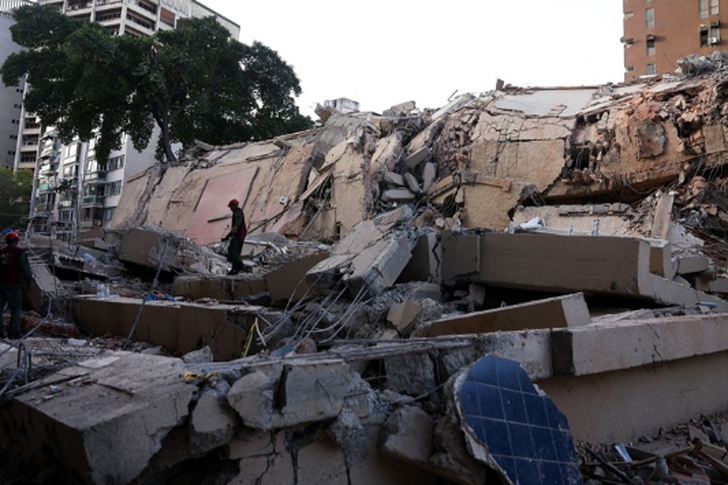
Më shumë se 10,000 persona janë raportuar të zhdukur nga t...
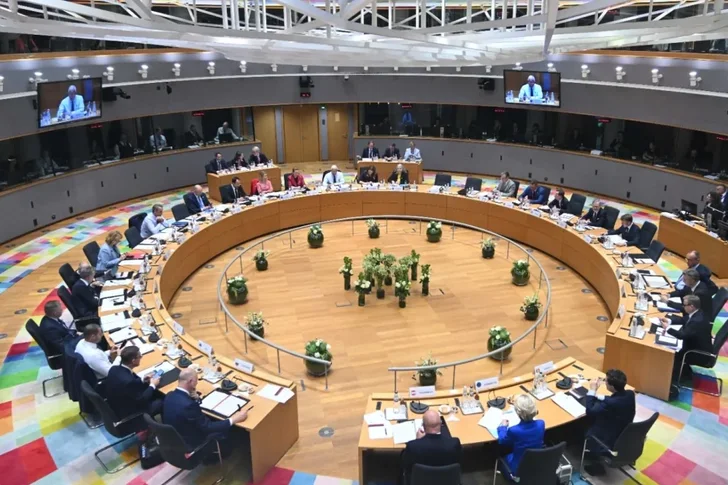
The Council of the European Union today gave final approva...
Shtetet e Bashkuara të Amerikës, Kinë, Kili dhe vende të t...
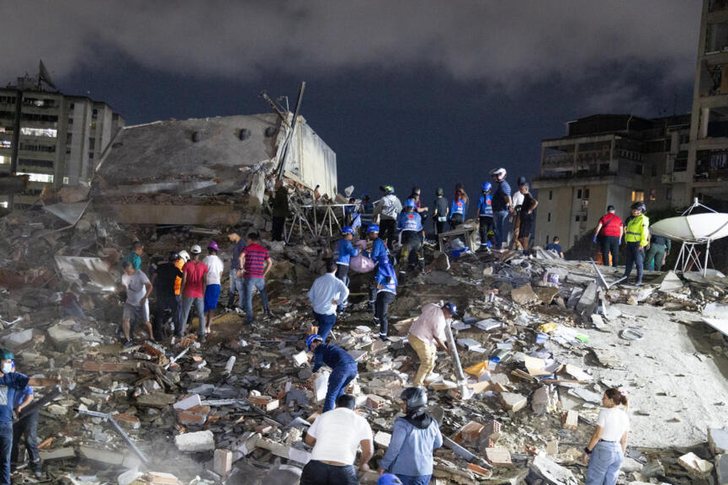
The death toll from devastating earthquakes in Venezuela h...
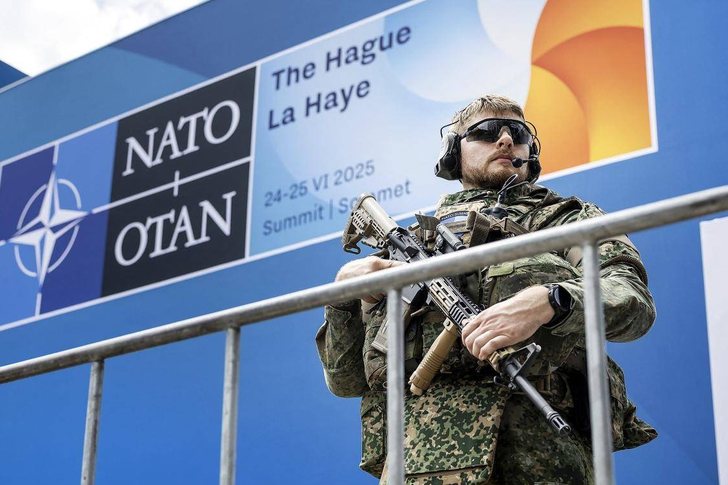
Iran's Foreign Ministry described the statements of NATO c...
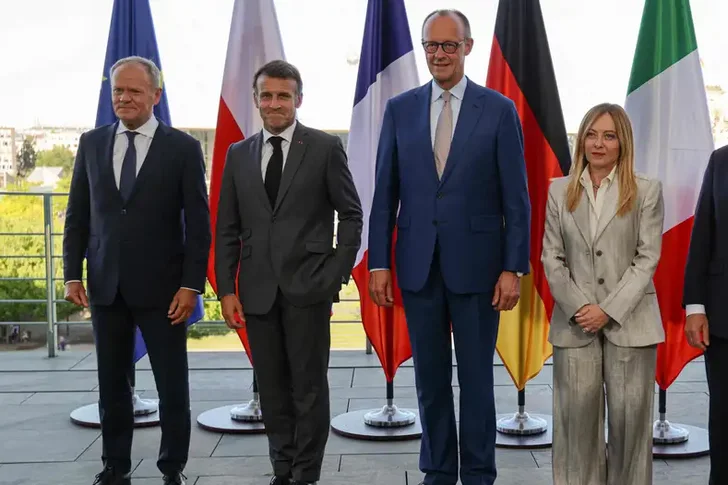
NATO's five most powerful member states in Europe gathered...
Iceland's opposition leader, Gudrun Hafsteinsdottir, has s...
Journalist Elton Qyno has made a complaint regarding the w...

After the first denunciation, the Plug show has continued ...
Today, CNA has published a complaint from residents of the...
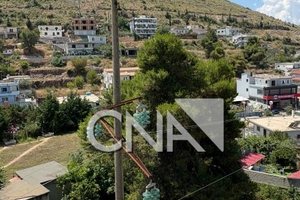
A complaint from residents of the village of Gjashtë in Sa...

The Special Board of Appeal (KPA) decided this Monday ...

The KPA vetting decided this Thursday to dismiss the p...

Suela Salavaçi, a prosecutor in the Prosecutor's Offic...

The Special Board of Appeal reinstated the prosecutor ...
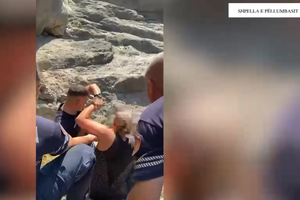
The State Police announces that two Dutch tourists who had...
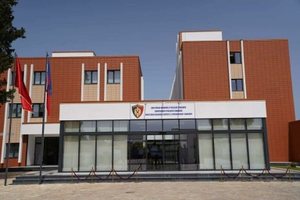
The Crime Investigation Specialists of the Shkodra Police ...
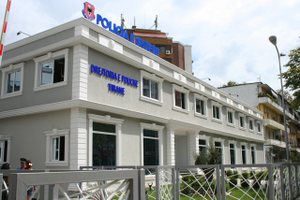
Tirana Police announce that 11 citizens have been identifi...
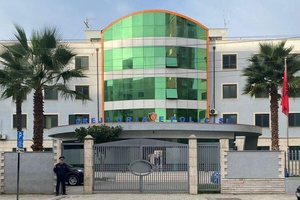
A police officer at Durres prison has been arrested in fla...
Today, mainly stable weather conditions. According to the...
Today, our country will be affected by almost the same met...

As climate change warms coastal waters in northern Europe,...
Today, our country will be affected by almost the same met...
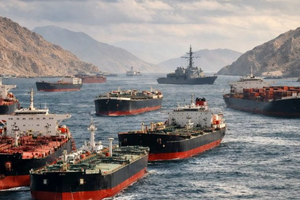
New clues on the future of navigation in the Strait of Hor...
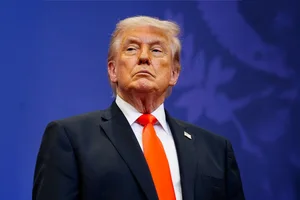
US President Donald Trump has accused Iran of recklessly v...
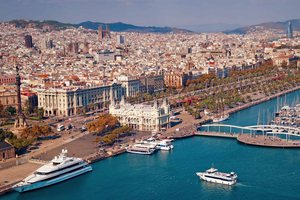
Barcelona authorities are proposing to almost triple the t...
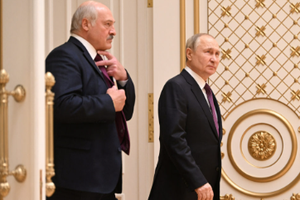
Russian President Vladimir Putin and his Belarusian counte...

The promotion of the book by author Aleksandër Ikonomidhi ...

The Albanian Embassy in Switzerland has organized an eveni...

This Wednesday, the prominent actor of Albanian cinema, Gj...
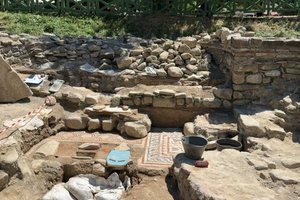
Several archaeological excavations conducted during this s...

The insurance market is growing at a slower pace this year...

Financing health systems and managing the costs of hospita...

The agricultural sector faced a very challenging year in 2...

This Friday, one US dollar is bought for 82.2 lek and sold...