


Murder of the officer/ Enea Mekolli's uncle raises accusations: They were without any kind of protection
The uncle of the murdered officer, Enea Mekolli, Hazbi Mek...

The uncle of the murdered officer, Enea Mekolli, Hazbi Mek...


Albania will undergo a full Financial Sector Assessment Program (FSAP) after 12 years, jointly carried out by the International Monetary Fund and the World Bank.
Anke Weber, head of the International Monetary Fund's mission for Albania, said in an interview with "Monitor" that the assessment will be conducted during 2026 and will analyze in depth the resilience of the financial sector to shocks, identify hidden vulnerabilities and assess the effectiveness of financial regulation and supervision, ensuring that Albania's financial system remains strong in the face of emerging challenges.
The Financial Sector Assessment Program (FSAP), established in 1999, is a comprehensive and in-depth assessment of a country's financial sector.
In developed economies, the FSAP is carried out by the IMF, with a focus on assessing the soundness of the financial sector, the quality of the regulatory and supervisory framework, and the capacity to manage and resolve financial crises.
In developing economies, FSAP is carried out jointly with the World Bank.
Based on their findings, FSAP programs produce recommendations of a micro- and macro-prudential nature and recommendations on development needs, tailored to country-specific circumstances.
The FSAP program comes at a time when Albania has further advanced in the European integration process. In particular, the coming years will be important for the full approximation of the legal and regulatory framework with that of the European Union.
At the end of last year, the Governor of the Bank of Albania, Gent Sejko, announced that in the period 2026-2027, the legal and regulatory framework of the banking sector will be fully aligned with that of the European Union. The Governor said that, in this process, the understanding and cooperation of the banking industry is necessary, so that the changes are adopted correctly and the benefits materialize as soon as possible.
Meanwhile, referring to the FSAP program, Sejko said that this assessment will serve as an international certificate for the quality of the general legal and sub-legal framework, supervisory practices and risk management for financial activity, while simultaneously identifying gaps and guiding towards necessary improvements.
FSAP 2013 Recommendations
The last FSAP program for Albania was conducted in 2013, while the IMF published the main findings and recommendations in early 2014.
At that time, the financial sector in the country was in different circumstances than today, especially under the pressure of the non-performing loans crisis.
One of the main recommendations of the FSAP was to intensify efforts to address the rapid increase in non-performing loans. Following a plan of measures by the government and the Bank of Albania, non-performing loans gradually decreased and are now close to their lowest level in the last 16 years.
Another FSAP recommendation was to reduce systemic risks stemming from large holdings of government securities by banks and investment funds and to develop the secondary securities market, with the aim of reducing liquidity-related risks.
In this regard, the changes to date have not been very significant. Government securities continue to account for more than a quarter of banking sector assets, while the secondary market remains underdeveloped.
The FSAP also recommended addressing the risks of the high use of the Euro. In particular, to mitigate the risks and mitigate the costs of using the Euro, the FSAP recommended that the authorities increase minimum loan-to-value ratios for foreign currency loans and apply a higher liquidity requirement for foreign currency deposits compared to that applied to deposits in Lek.
The Bank of Albania responded to these recommendations with a package of measures to reduce the Euroization of the financial sector, but nevertheless the results in terms of de-euroization have been modest to date.
The FSAP recommended that banking supervision should be strengthened, by improving risk-based supervision (including more intrusive assessment of credit risk management in banks), expanding consolidated supervision, formalizing cooperation with domestic supervisors, increasing supervisory staff, and enhancing their legal protection.
The FSAP also recommended improving the supervision of non-bank financial institutions, requiring the authorities to undertake a major reform of the AFSA to ensure its financial and operational independence and transform it into an effective regulator of investment and pension funds, as well as the insurance market. /Monitor

This Friday, one US dollar will be bought for 82.7 lek and...
This Thursday, one US dollar will be bought for 82.4 lek a...
The agricultural sector and the country's economy will fac...
Banka Botërore tha se pret që rritja e Produktit të Brends...

The General Directorate of Taxes has reminded that the min...

This Wednesday, one US dollar will be bought for 82.3 lek ...
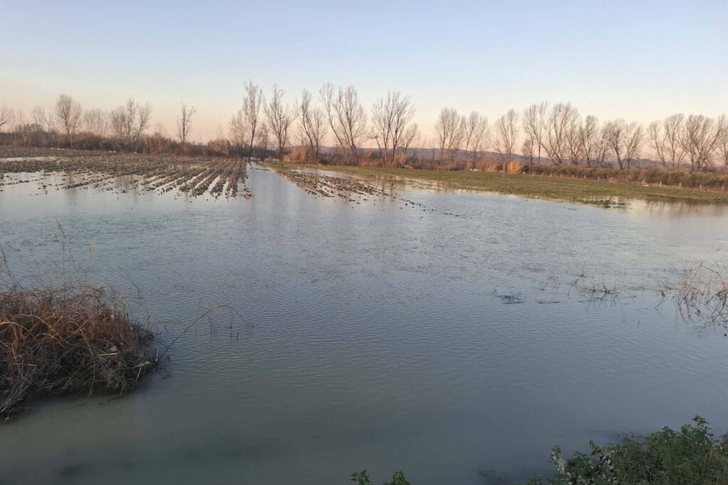
Since November 2025, the greenhouses of Myzeqe have been f...
A quarter of countries in the developing world are poorer ...

The President of the Republic decreed the laws of the fisc...
This Tuesday, one US dollar will be bought for 82.1 lek an...
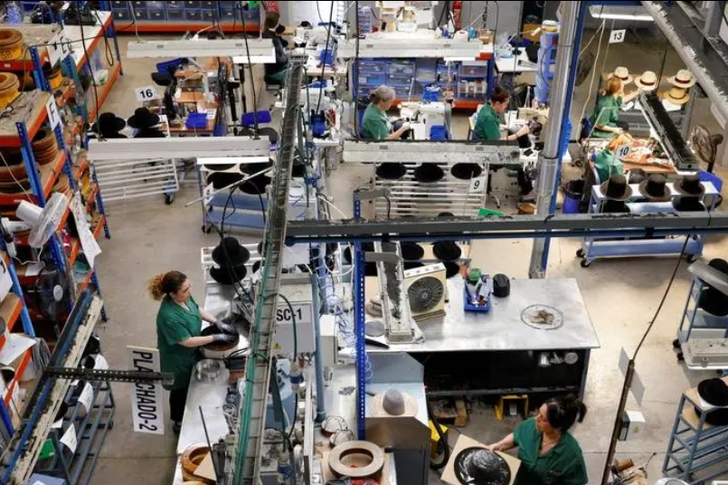
The capacity utilization rate in the manufacturing sector ...

Whenever natural disasters become the epicenter of the day...

From March 2026, all families with dependent children unde...
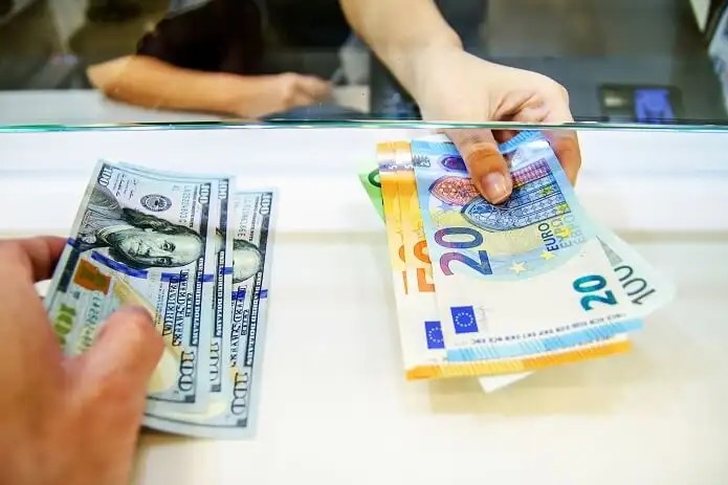
This Monday, one US dollar will be bought for 82.4 lek and...
This Saturday, one US dollar will be bought for 82.4 lek a...
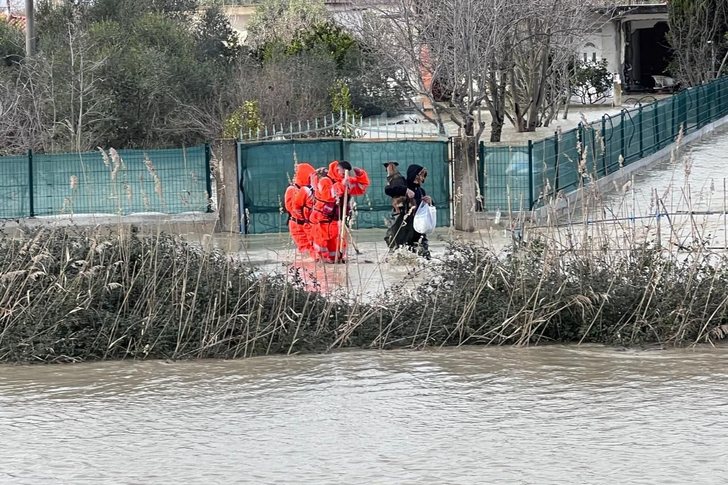
Civil emergency funds are increasing by about 5.8 billion ...
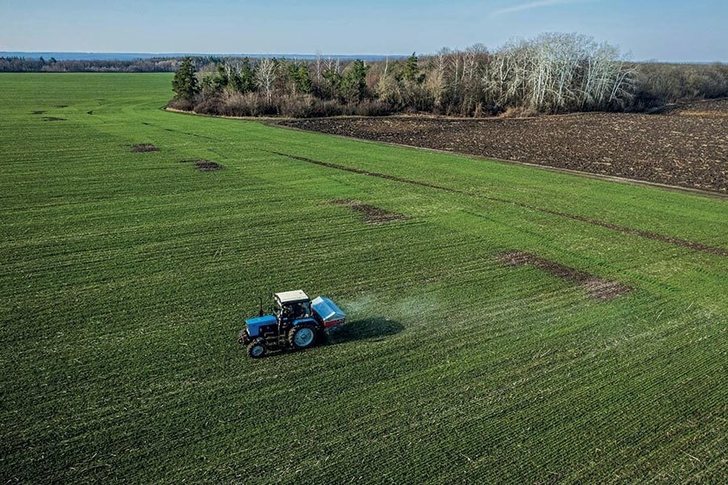
Frosts in the first days of the new year and now the flood...

The transitional phase, where the new laws on the Fiscal P...

This Friday, one US dollar will be bought for 82.3 lek and...
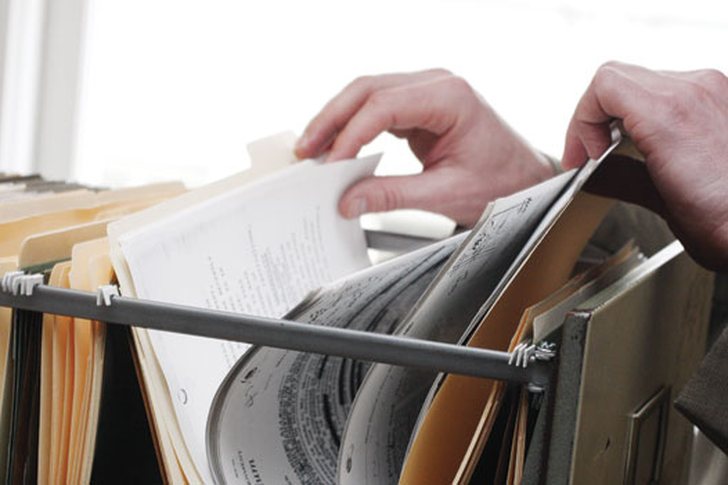
Industrial espionage will no longer go unpunished. With th...

The murder of officer Enea Mekolli in the line of duty has...
The next case broadcast on the show "Stop", this Thursday,...
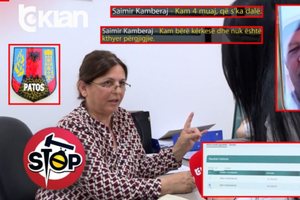
The case published this Thursday, June 4, on the show "Sto...

The protests of recent days related to the situation in Zv...

The Special Board of Appeal (KPA) decided this Monday ...

The KPA vetting decided this Thursday to dismiss the p...

Suela Salavaçi, a prosecutor in the Prosecutor's Offic...

The Special Board of Appeal reinstated the prosecutor ...

A money changer in Durrës lost 60 thousand euros after bei...
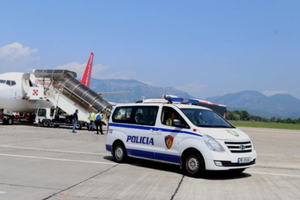
The 6 citizens captured in Dubai, members of criminal grou...
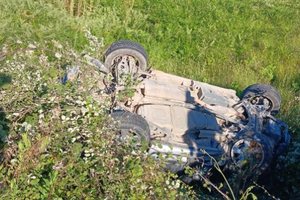
A serious accident occurred on the Kardhiq-Delvinë axis, i...
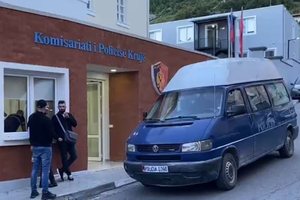
Authorities have conducted a large-scale anti-drug operati...

Today our country will be affected by stable weather condi...

For many children and teenagers, the long summer holidays ...

Albania is facing an unprecedented demographic transition,...
On Thursday, our country will be affected by unstable weat...

Russian President Vladimir Putin said the war in Ukraine c...
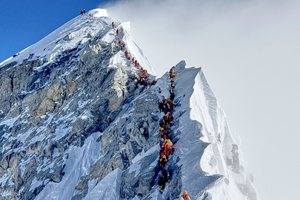
An extraordinary story of survival has been recorded in Ne...
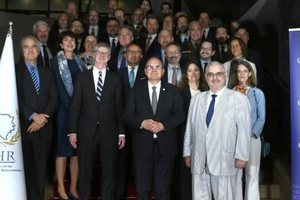
The Peace Implementation Council in Bosnia and Herzegovina...
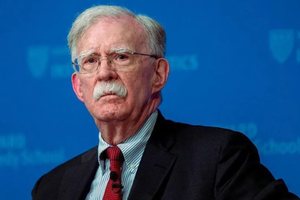
John Bolton, the former national security adviser to US Pr...

Korça is ready to open the summer season with one of the c...
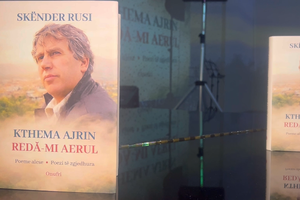
Two years after his passing, the renowned Korçë poet Skënd...
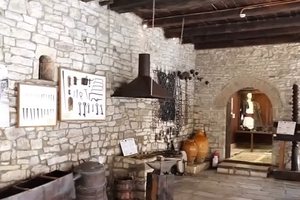
The Ethnographic Museum of Berat has opened its doors to v...
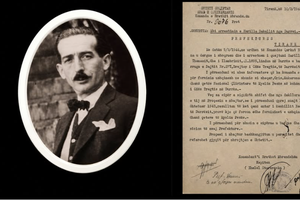
The story of Harilla Bakalli is one of the most chilling t...

Despite years of efforts at regional cooperation and free ...

Albania is the country with the highest level of severe ma...

This Friday, one US dollar is bought for 81.3 lek and sold...

The government aims to transform the country's industrial ...