


How is the economy concentrating in Tirana - Durrës?
The concentration of the economy and population in the Tir...



This year's holiday sales are expected to be more tepid, as American consumers say they will save more on their purchases.
A survey conducted by consulting firm PwC shows that the average spending on gifts, travel and entertainment during the holidays will reach about $1,552 per consumer, marking a 5% decrease compared to a year ago.
However, the biggest drop comes from Generation Z (Gen Z). Young people aged 13 to 29 say they will spend an average of 23% less than a year ago, the strongest change among all generations.
This is a big change from last year, when they said they would spend 37% more. This withdrawal is one of the main factors influencing the overall decrease in holiday spending.
“Price is the love language for Gen Z,” said Ali Furman, U.S. consumer markets leader at PwC. “They grew up in a period of high costs. They are focused on price transparency and value.”
A Challenging Generation for Retailers
Furman emphasized that for retailers, Generation Z is both an opportunity and a challenge. With an average age of 22, they have lower salaries, new expenses, and often debt to pay off.
Moreover, they are more oriented towards experiences, such as concerts, trips and hotels, rather than purchasing new products. The increase in the prices of these experiences has further narrowed the scope for festive spending.
“Entertainment and vacations are taking up a larger and larger portion of their wallets, so there is less left for holiday gifts,” she added.
Another challenge for marketers is the rapid pace at which young people embrace trends and then abandon them. This forces businesses to constantly adapt to maintain the interest of this generation.
Uncertain backdrop for retailers
For retail companies, the survey findings underscore the uncertainty that will characterize this holiday season, especially due to price sensitivity and the debate over whether they should bear or pass on higher customs costs to consumers.
Meanwhile, spending expectations for other generations have remained more or less unchanged from a year ago. The only exception is baby boomers, who plan to spend an average of 5% more.
The PwC survey, conducted in late June and early July, included a representative sample of 4,000 American consumers.
Impact of tariffs and living costs
Consumers who are already feeling the pinch of rising living costs, such as higher energy bills, are also concerned about the possibility of price increases due to tariffs. This has made them more price-conscious and more likely to delay or buy earlier in order to take advantage of better prices.
“It’s not necessarily the tariffs themselves that are dictating this behavior,” Furman said. “It’s the fear that prices could go up, and that has made people more conscious of every expense.”/ Monitor.al

The concentration of the economy and population in the Tir...

Bank card payments again recorded strong growth last year ...
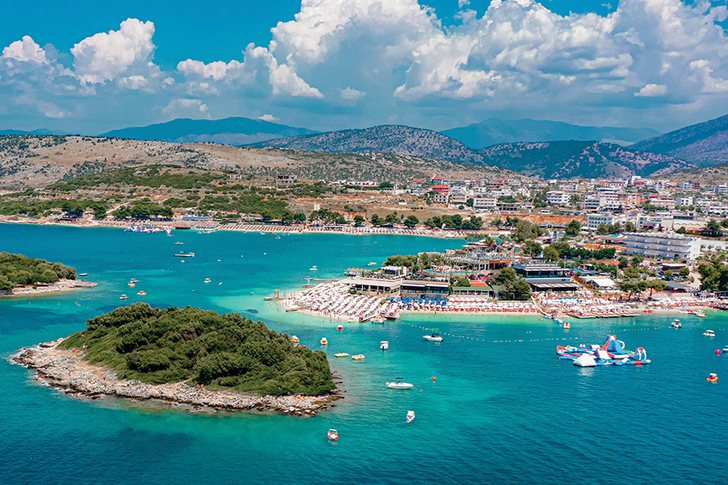
This summer has been marred by the disappointment of a tou...
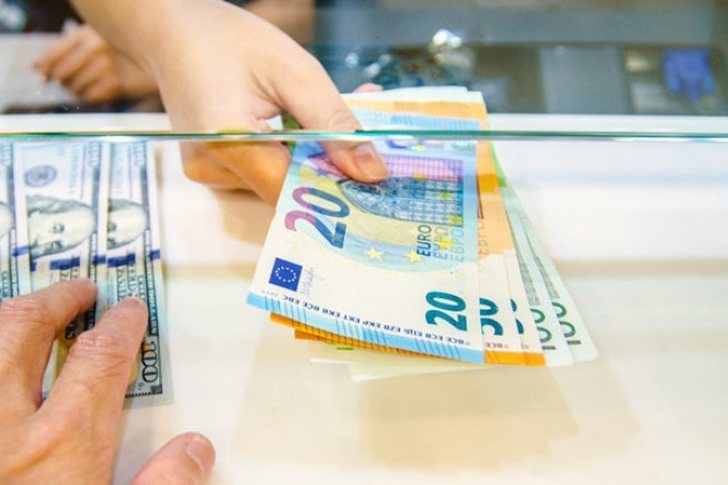
Today, in the foreign exchange market, one US dollar will ...

Bank card payments again recorded strong growth last year ...

Russian President Vladimir Putin said on Friday that any W...
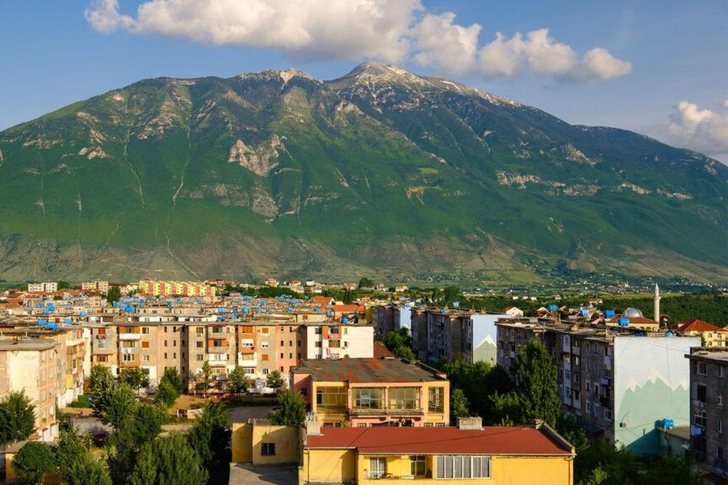
Unemployment has been decreasing in recent years, but with...

Automatic cash deposits at ATMs are increasing for the nin...
The Supervisory Council of the Bank of Albania approved th...

Today, in the foreign exchange market, one US dollar will ...

Prices of imported goods have been decreasing continuously...
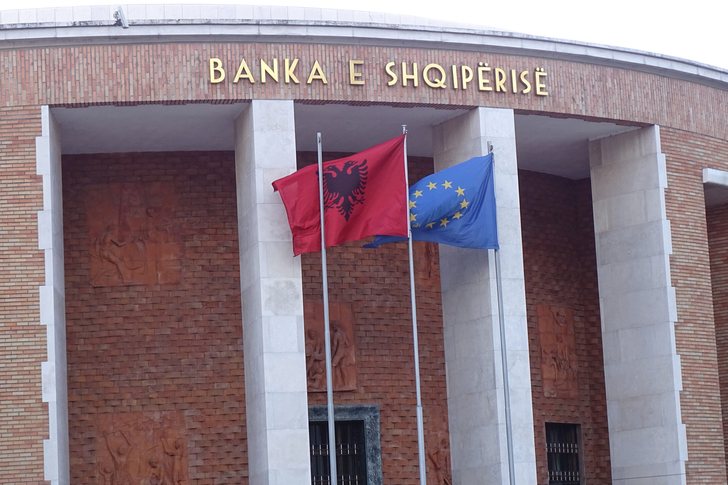
The Bank of Albania announced today that it has made sever...
The Western Balkans Investment Framework (WBIF) has qualif...

Today, in the foreign exchange market, one US dollar will ...

Costs in the construction sector have curbed growth rates ...

Today, in the foreign exchange market, one US dollar will ...

The minimum gross monthly wage in Albania was 408 euros at...
Customs have collected a record amount of more than 1.62 b...

Climate change will have numerous effects on different sec...
Today, in the foreign exchange market, one US dollar will ...

Irfan Hysenbelliu claims to be a big businessman, an hones...

The murder of officer Enea Mekolli in the line of duty has...

The next case broadcast on the show "Stop", this Thursday,...

The case published this Thursday, June 4, on the show "Sto...

The Special Board of Appeal (KPA) decided this Monday ...

The KPA vetting decided this Thursday to dismiss the p...

Suela Salavaçi, a prosecutor in the Prosecutor's Offic...

The Special Board of Appeal reinstated the prosecutor ...

A road accident has been reported on the Fier-Levan axis, ...

An accident was recorded a few minutes ago on the Pogradec...

Following the cooperation of Interpol Tirana with Interpol...

An accident occurred this Saturday morning at Shkëmbi i Ka...

Albanians are officially the hardest working people in Eur...

This Saturday will be characterized by mostly clear weathe...
Today our country will be affected by stable weather condi...

For many children and teenagers, the long summer holidays ...

The military advisor to Iran's supreme leader, Mohsen Reza...

US Defense Secretary Pete Hegseth declared that Europe is ...
A federal judge in Rhode Island struck down a Trump admini...

Thousands of Kosovo citizens living abroad are voting phys...

Korça is ready to open the summer season with one of the c...

Two years after his passing, the renowned Korçë poet Skënd...

The Ethnographic Museum of Berat has opened its doors to v...

The story of Harilla Bakalli is one of the most chilling t...

The Transparency Board, in today's meeting, decided to red...

This Saturday, one US dollar is bought for 81.4 lek and so...

Despite years of efforts at regional cooperation and free ...

Albania is the country with the highest level of severe ma...