


Ja kush e merr drejtimin e Policisë së Vlorës
Edvin Ndreu i renditur me 84 pikë në garën për drejtoritë ...

Edvin Ndreu i renditur me 84 pikë në garën për drejtoritë ...

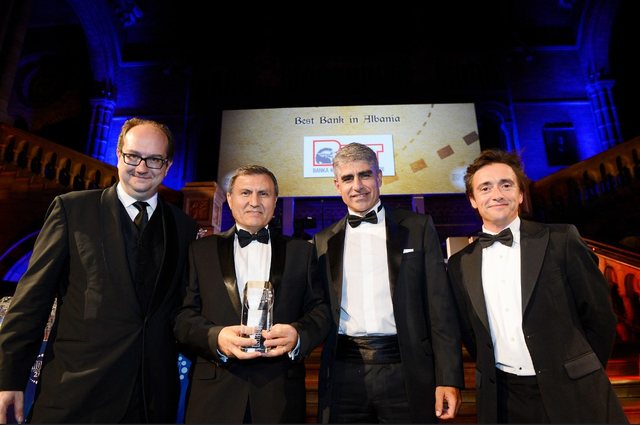
Banks are essential institutions for the economy for two reasons. First , they provide citizens with a safe place to store their savings, and second, they provide credit to stimulate economic activity.
In short, through financial intermediation, banks play a critical role in the allocation of resources, economic growth, and financial stability of a country. And the larger a bank, the more vital this role is in an economy.
In Albania, the largest bank is the National Commercial Bank. Founded in 1993 by the merger of the Commercial Bank of Albania and the National Bank of Albania, BKT was privatized 7 years later.
In 2000, Parliament approved its sale to an international consortium consisting of Kentbank, IFC, and EBRD. In 2009, all of BKT's shares ended up in the hands of the Turkish Çalik group.
At the end of last year, BKT's total assets reached 5.2 billion euros, accounting for 24.5 percent of the total assets of the banking system in Albania.
At the same time, it is the largest deposit aggregator in Albania. According to official data, BKT currently has 435 billion lek in deposits, or 25 percent of all savings held by Albanian citizens in the banking system.
But despite being the leading bank in terms of assets, capital, and deposits, BKT has a major anomaly. It is a bank that does not lend.
According to the data, at the end of 2024, BKT had a total of only 103 billion loans granted to businesses and citizens, being the fourth largest bank in the country in terms of loans. And the huge anomaly is better revealed by another indicator. This is the ratio between loans and deposits.
BKT currently has a loan/deposit ratio of less than 24 percent. This means that for every 100 lek in deposits it receives from citizens, the bank credits less than 24 lek to the economy.
This indicator is two times lower than the national average loan/deposit ratio. And when compared to other major banks in neighboring economies or developed Western countries, it is several times lower.
The answer is very simple. In bonds. At the end of last year, BKT had an investment portfolio in securities of 325 billion lek. So, 75 percent of BKT's deposits go to buy government bonds. A large part of them abroad, financing the debt of foreign governments.
This is not illegal, but it is a very big anomaly. With these indicators, BKT functions as a restraining factor of the Albanian economy. Or at best, it does not properly play the role it should have in financing the economy.
In short, the entire management philosophy of BKT is this. Take deposits from citizens and hunt for bonds with maturities that offer higher interest. Hunting for maturities.
At first glance, this may seem like responsible management that invests only in safe assets. But that's not necessarily true.
Three years ago, this management brought BKT to the brink of collapse. Holding large bond portfolios creates major financial problems when interest rates rise. This is because rising interest rates reduce the price of securities, thereby affecting the value of assets, but above all, capital indicators.
Three years ago, BKT was forgiven. This was a fate that Silicon Valley Bank and Silvergate Bank in the United States did not have, which, like BKT, flirted heavily with investments in securities. There, the regulator decided to force them into bankruptcy. Here, it was good to forgive it.
But the question that arises is: who needs BKT besides the shareholders, to whom it delivers a minimum of $50 million in dividends per year?
This answer is difficult. Normally, the country's largest bank has at least a moral obligation to mediate and finance the economy. Not to play pickpocket with microcredit scammers, extorting pennies from the poor.
And the irony of fate lies in the fact that from time to time BKT also receives awards as the best bank in Albania.


Today in the foreign exchange market, the euro will be exc...
From 1 April 2025, road and rail carriers will have to pro...
Today in the foreign exchange market, the euro will be exc...
The Eurobond issued by the Albanian government in February...
Today, March 31st, is the deadline for submitting the Annu...

Today in the foreign exchange market, the euro will be exc...
The favorable season with warm climate and increased deman...
The current account deficit worsened last year. According ...
Today in the foreign exchange market, the euro will be excha...
Behind the grand arches of Istanbul's Grand Bazaar, beyond...

Today in the foreign exchange market, the euro will be exc...
The manufacturing sector in our country has entered a long...

Today in the foreign exchange market, the euro will be exc...
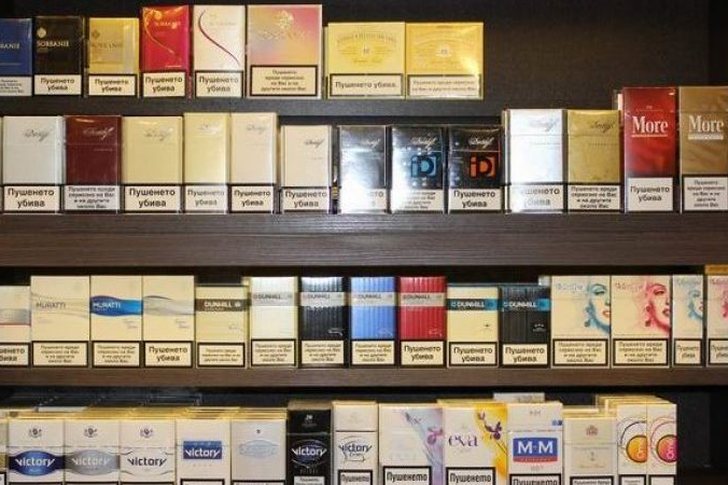
The prices of fiscal stamps for excise goods are reduced b...
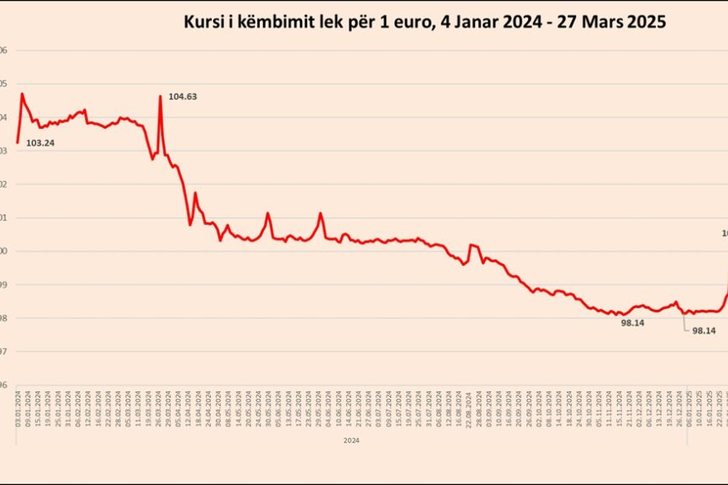
The euro-lek exchange rate marked a strong increase today....
The Tirana Chamber of Commerce and Industry and the Busine...
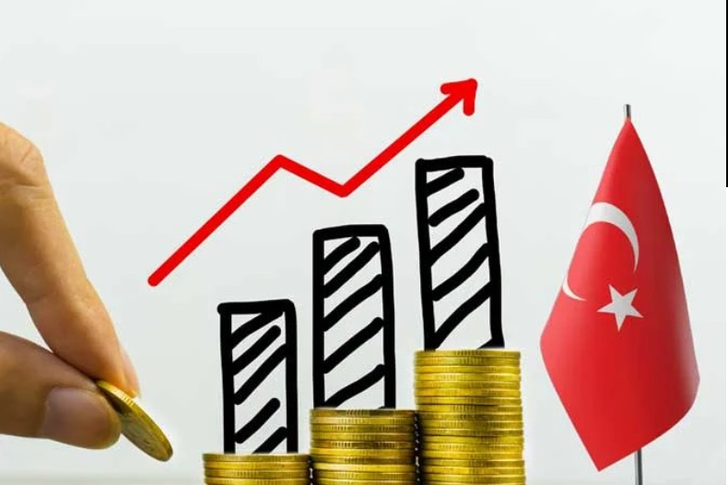
Turkey was the leading foreign investor in Albania last ye...
Today in the foreign exchange market, the euro will be exc...
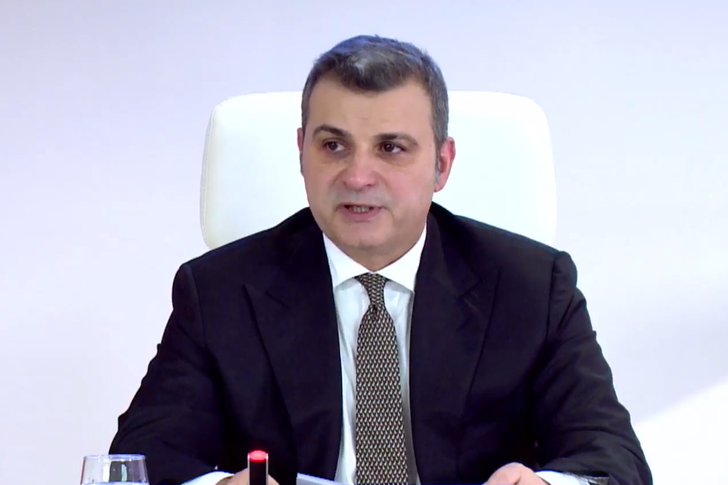
The Governor of the Bank of Albania, Gent Sejko, gave deta...

Today in the foreign exchange market, the euro will be exc...
Irfan Hysenbelliu claims to be a big businessman, an hones...

The murder of officer Enea Mekolli in the line of duty has...
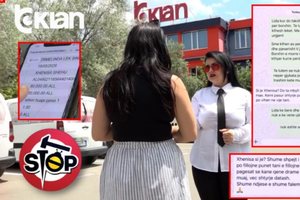
The next case broadcast on the show "Stop", this Thursday,...
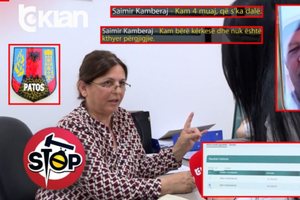
The case published this Thursday, June 4, on the show "Sto...

The Special Board of Appeal (KPA) decided this Monday ...

The KPA vetting decided this Thursday to dismiss the p...

Suela Salavaçi, a prosecutor in the Prosecutor's Offic...

The Special Board of Appeal reinstated the prosecutor ...
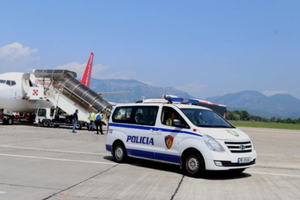
Following the cooperation of Interpol Tirana with Interpol...

An accident occurred this Saturday morning at Shkëmbi i Ka...
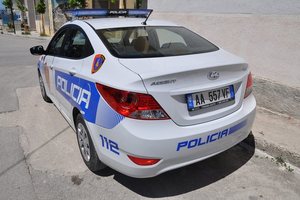
A TNT explosion occurred in Lezha in the early hours of th...
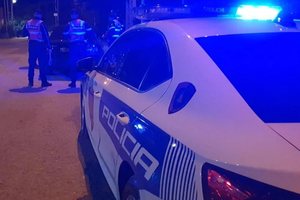
A massive brawl was recorded on Friday evening in Saranda,...
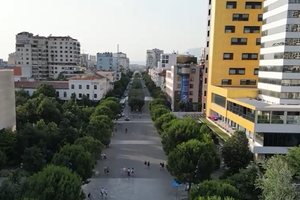
Albanians are officially the hardest working people in Eur...
This Saturday will be characterized by mostly clear weathe...
Today our country will be affected by stable weather condi...

For many children and teenagers, the long summer holidays ...
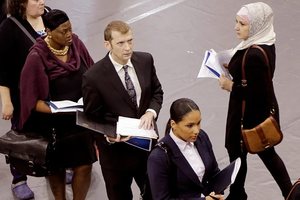
Millions of Europeans still apply for jobs without knowing...
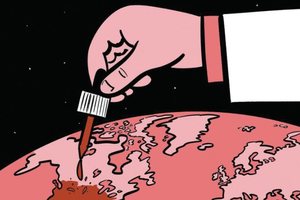
Following the Covid-19 pandemic, the World Health Organiza...
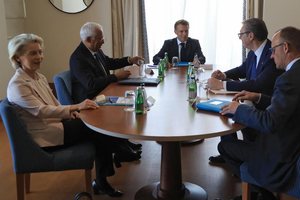
Leaders of the European Union and Western Balkan countries...
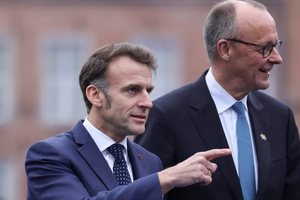
On the eve of the EU-Western Balkans summit, Germany and F...
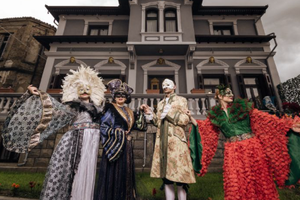
Korça is ready to open the summer season with one of the c...
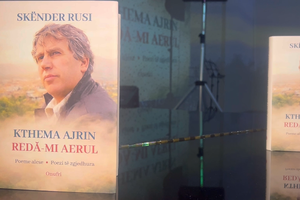
Two years after his passing, the renowned Korçë poet Skënd...
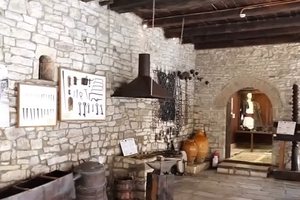
The Ethnographic Museum of Berat has opened its doors to v...
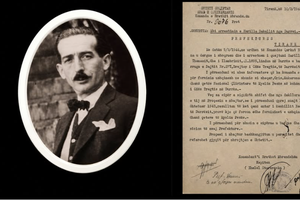
The story of Harilla Bakalli is one of the most chilling t...
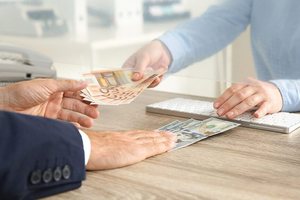
This Saturday, one US dollar is bought for 81.4 lek and so...
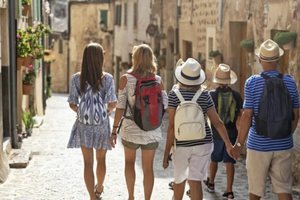
Despite years of efforts at regional cooperation and free ...
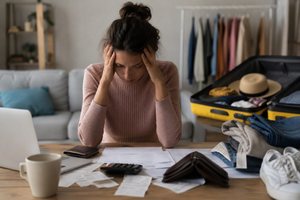
Albania is the country with the highest level of severe ma...
This Friday, one US dollar is bought for 81.3 lek and sold...