

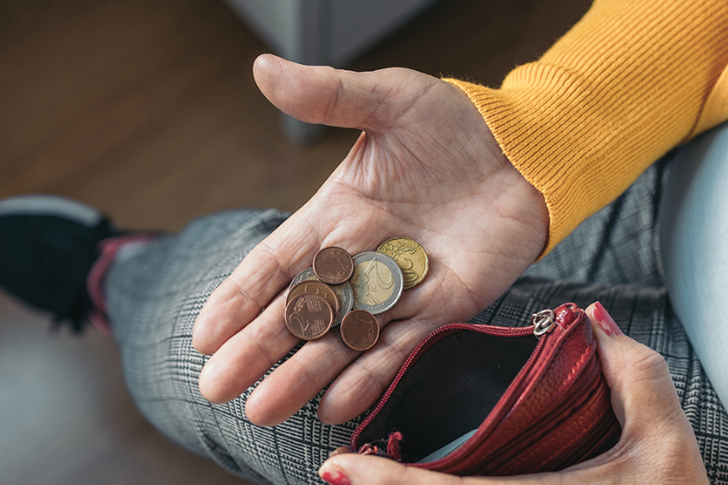
Two-speed Albania, GDP grows, but poverty takes a century to disappear
The latest projections by the Vienna Institute for Interna...


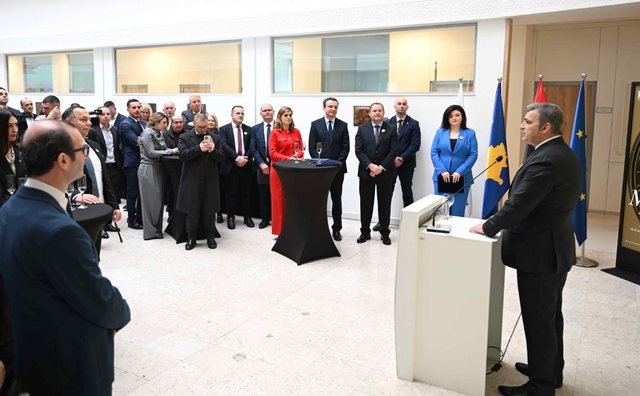
Today, the exhibition "Money Tells Stories: 100 Years of Life and Events, Bank of Albania (1925–2025)" was opened at the premises of the Central Bank of Kosovo.
Present at the opening ceremony were the Governor of the Central Bank of the Republic of Kosovo, Ahmet Ismaili, the Prime Minister of the Republic of Kosovo, Albin Kurti, and the Governor of the Bank of Albania, Gent Sejko.
Part of the exhibition are historical banknotes and coins, archival documents, and evidence of the bank's activities.
The exhibition will remain open to the public until February 20th.
The Governor of the Bank of Albania, Gent Sejko, in his speech said that the story that money tells is the story of Albanians wherever they live. Sejko appreciated the cooperation with the Central Bank of Kosovo, for the hospitality in Pristina.
Sejko's speech
First, as an Albanian, I feel honored to be in Pristina today. Being here, in the capital of Kosovo, to share an important moment in our monetary and state-forming history, has a personal and institutional significance that goes beyond the calendar of anniversaries. The year that just passed marked the 100th anniversary of the founding of the Bank of Albania (1925) and this year the 100th anniversary of the introduction of the first Albanian national currency (1926).
This stop in Kosovo has a special meaning. Our common history is written with sacrifices, with effort and with vision. The Albanian League of Prizren, and figures like Ymer Prizreni, Sulejman Vokshi, Hasan Prishtina, Isa Boletini, Bajram Curri, and many others, have shaped our national consciousness and the Albanian state. And it is equally natural that an exhibition that talks about money, about the central bank and about the journey of the Albanian state, should visit Kosovo, because the history that money unfolds is ours, it is the history of Albanians wherever they live.
This exhibition seeks to bring to attention a simple idea: coins and banknotes, over the centuries, have carried not only exchange value, but also symbols, heritage, and identity.
But before being a symbol, money is a social contract, a pact of trust. For a currency to function, there must be public confidence that it retains its value, that it is accepted, and that it is supported by strong institutions and rules. In this sense, the history of money is always also the history of public trust, of the state, of the economy, and of the connection of citizens with their institutions.
Ekspozita “Paraja rrëfen: 100 vjet jetë dhe ngjarje, Banka e Shqipërisë” është përpjekur ta tregojë këtë rrugëtim jo vetëm si histori institucionale, por edhe si histori të përditshmërisë - si jemi paguar, si kemi kursyer, si kemi përballuar kriza, si kemi rindërtuar ekonominë dhe si kemi kërkuar stabilitetin e mirëqenien, shpesh në rrethana të vështira. Është historia e një populli që, pavarësisht sfidave, ka zgjedhur të ndërtojë.
Në rrëfimin që do të shihni, historia e bankës qendrore dhe e monedhës shqiptare shpaloset si një udhëtim i vendit tonë në tri epoka kryesore, të formësuara nga ndryshimet politike, zhvillimet gjeopolitike dhe ngjarjet ekonomike që kanë përcaktuar fatet e Shqipërisë. Banka ka vepruar nën pothuajse të gjitha regjimet monetare: nga standardi i arit, te periudhat e kontrollit të fortë të planifikimit të centralizuar, e deri te kornizat moderne të politikës monetare me objektiv stabilitetin e çmimeve.
Në përgatitjen e kësaj ekspozite jemi mbështetur edhe në një fond të pasur dokumentar, të ruajtur në Drejtorinë e Përgjithshme të Arkivave në Tiranë dhe në Arkivin e Shtetit Italian në Romë, që pasqyron gjithashtu edhe veprimtarinë e Bankës Kombëtare të Shqipnis në qytete të ndryshme të Kosovës, si Prizreni, Prishtina, Peja apo Gjakova, ku ajo pati degë, filiale e agjenci, në fillim të viteve ’40 të shekullit të shkuar. Një pjesë e këtij dokumentacioni është sjellë sot këtu në formën e kopjeve ekzakte, për t’i dhënë publikut mundësinë të shohë nga afër gjurmët konkrete të kësaj historie të përbashkët.
Në këtë rrëfim, një theks i veçantë vihet mbi fillesat e shtetit modern shqiptar. Nëntori i vitit 1912 solli Pavarësinë dhe simbolet që na bashkojnë. Kujtojmë këtu vizionin e Ismail Qemal Vlorës për krijimin e një banke qendrore shqiptare si një “qelizë bazë” për rimëkëmbjen ekonomike dhe ndërtimin e shtetit të pavarur shqiptar, një vizion që shërbeu si një orientim i qartë për rrugën që do të ndiqnim më pas.
Pikërisht për këto arsye, ne kemi dashur që kjo ekspozitë të mos mbetet vetëm një përvojë muzeale “për t’u parë”, por edhe një nismë edukimi dhe ndërgjegjësimi për t’u studiuar e përjetuar. Sot, vendimet financiare janë bërë më të shpeshta dhe më komplekse, nga përdorimi i shërbimeve digjitale, te kreditimi, investimet, sigurimet, kursimet dhe planifikimi familjar. Kultura financiare është një element i rëndësishëm i mirëqenies individuale dhe shoqërore.
In recent decades, many central banks around the world have expanded their outreach to the public, not only to explain their complex policies but also to build new bridges of communication. Exhibitions, museums, school programs, and citizen engagement are ways to make a complex and seemingly hermetic institution more accessible, understandable, and transparent. In a world where technology is transforming payments and where risks are taking on new forms, from price fluctuations to geopolitical uncertainties, the fundamental lesson remains the same: stability requires strong institutions, prudent decision-making, and an informed public; and the role of a central bank, at its core, is to serve stability and confidence. These notions should not be abstract, but should be understood as factors that directly affect real wages, household savings, credit to the economy, and business plans.
Remembering the state-forming vision of Ismail Qemal Vlora, we understand more clearly that history does not only serve to remember, but also to determine appropriate orientations. Our vision today is the path towards the European Union, where approximation with European rules and practices should not be understood only as a political goal, but also as a concrete improvement in the lives of citizens. In this spirit, steps such as approximation with European payment standards and objectives such as integration into SEPA are clear examples of how the “money story” continues to be written, with greater ease, transparency and security, with stronger economic ties and with another step towards coexistence under the same sky and under the same flag, that of the European Union.
In conclusion, let me emphasize the extension beyond Tirana into Albanian territories, as a special aspect of the exhibition that moves it in time and space. In this context, I would like to especially appreciate the cooperation with the Central Bank of the Republic of Kosovo, for its support and hospitality in Pristina. These cultural and institutional exchanges are important not only to share common histories, but also to strengthen regional cooperation in areas that directly affect citizens.
This project would not have been possible without the work of many people and the collaboration of historians, economists, architects, archivists and communication experts. The result you see today is the joint fruit of the Bank of Albania, the academic world, knowledge and cultural institutions, as well as our partners in Albania and abroad. A special thanks goes to the partnership with the Italian Institute of Culture in Tirana, as well as to all the professionals and partners who have contributed to this initiative.

The latest projections by the Vienna Institute for Interna...

Employment in the banking sector recorded strong growth la...
This Monday, one US dollar will be bought for 80.8 lek and...
This Sunday, one US dollar will be bought for 80.8 lek and...

Valentine's Day didn't invent love, but it made it measura...
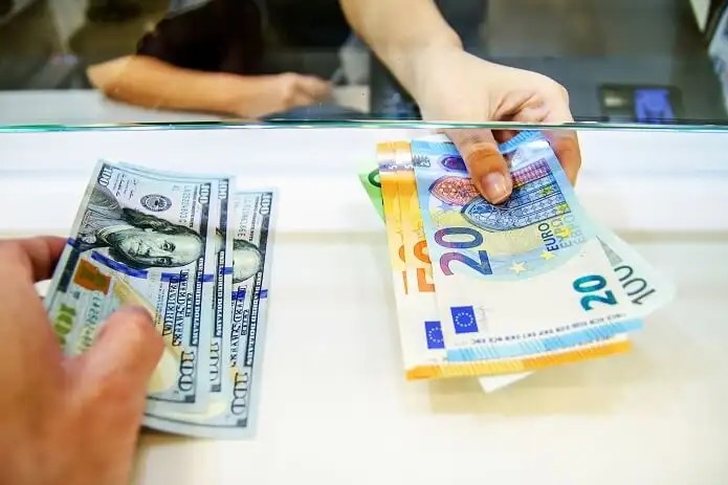
This Saturday, one US dollar will be bought for 80.9 lek a...

The spending structure of Albanian families has undergone ...
This Friday, one US dollar will be bought for 80.8 lek and...
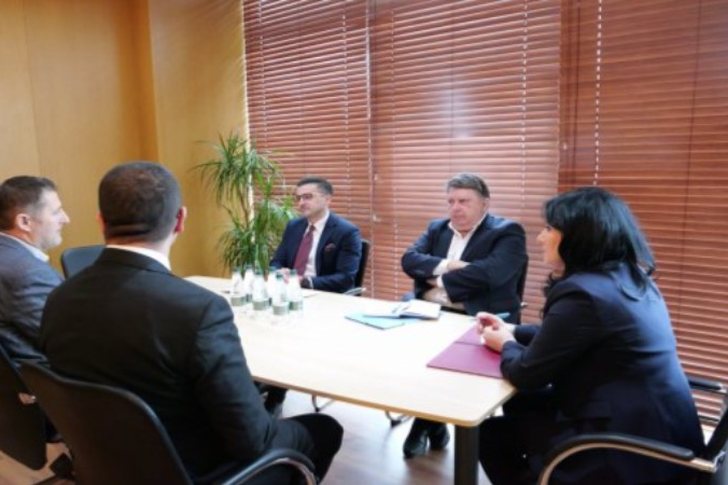
In his first official meeting as Director General of Alban...
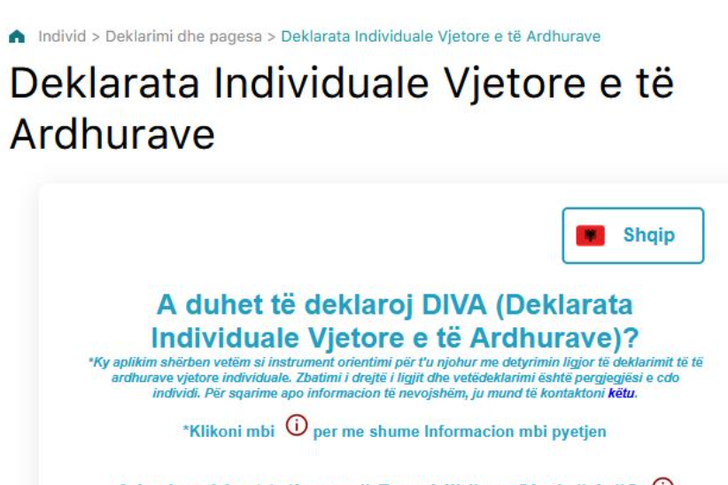
The Tax Directorate has announced that it has created an e...
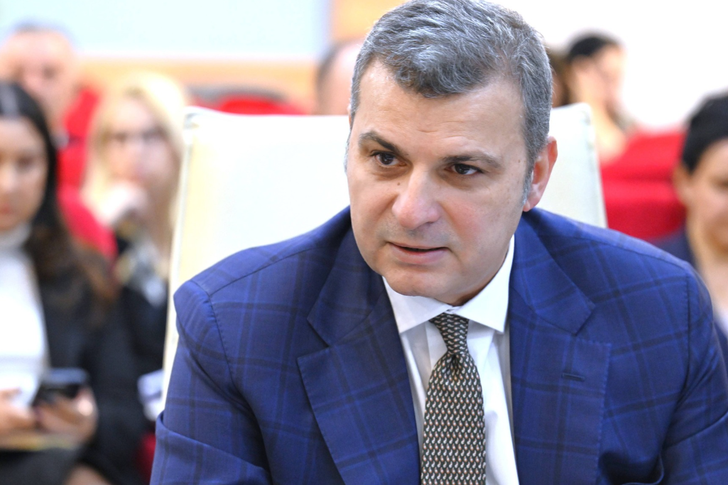
The Bank of Albania, the Ministry of Finance and the Minis...
Pas Tiranës, Vlorës dhe Sarandës, Drejtoria e Hetimit Tati...
The American Chamber of Commerce (AmCham) in a public stat...
This Tuesday, one US dollar will be bought for 80.6 lek an...
The fiscal system and administrative fees are becoming a b...
Vlora and Saranda are the most sought-after cities for Ame...
Lower rents and the cost of living, as well as the opportu...
This Sunday, one US dollar will be bought for 81.2 lek and...

Këtë të shtunë, një dollar amerikan do të blihet me 81.2 l...
The Council of Ministers has approved at today's meeting a...
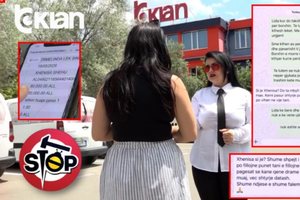
The next case broadcast on the show "Stop", this Thursday,...
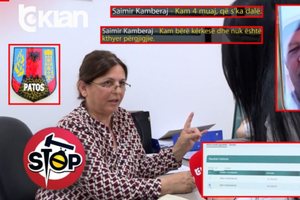
The case published this Thursday, June 4, on the show "Sto...
The protests of recent days related to the situation in Zv...
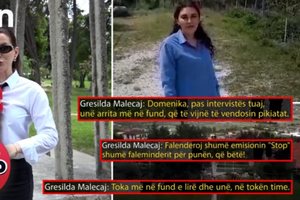
The case addressed this Wednesday, June 3, on the show "St...

The Special Board of Appeal (KPA) decided this Monday ...

The KPA vetting decided this Thursday to dismiss the p...

Suela Salavaçi, a prosecutor in the Prosecutor's Offic...

The Special Board of Appeal reinstated the prosecutor ...
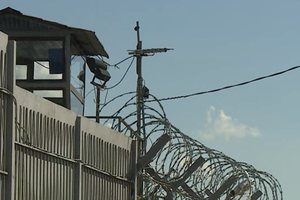
A convict was found dead today in the premises of the Pris...
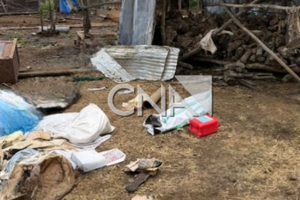
Several images provided by CNA show the area where this mo...

A quantity of explosive material exploded this morning at ...
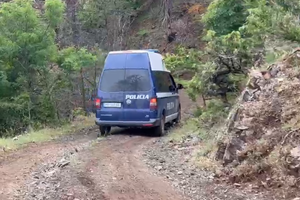
Witnesses in Lozhan, Maliqi, have shared details from the ...

Today our country will be affected by stable weather condi...

For many children and teenagers, the long summer holidays ...
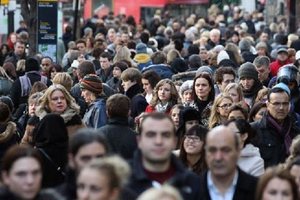
Albania is facing an unprecedented demographic transition,...

On Thursday, our country will be affected by unstable weat...
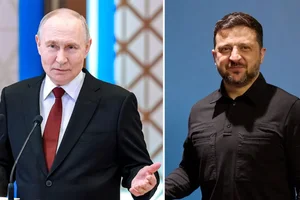
Russian President Vladimir Putin said the war in Ukraine c...

An extraordinary story of survival has been recorded in Ne...
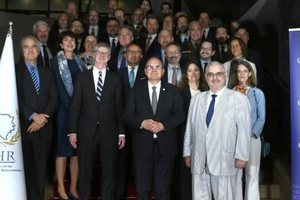
The Peace Implementation Council in Bosnia and Herzegovina...
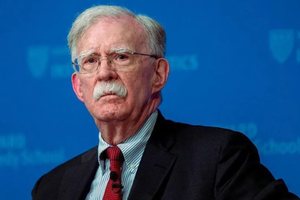
John Bolton, the former national security adviser to US Pr...
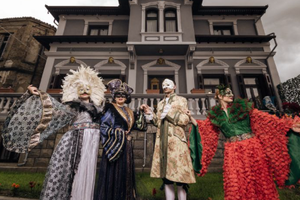
Korça is ready to open the summer season with one of the c...
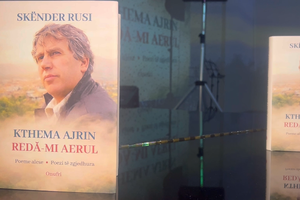
Two years after his passing, the renowned Korçë poet Skënd...
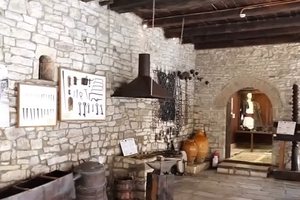
The Ethnographic Museum of Berat has opened its doors to v...
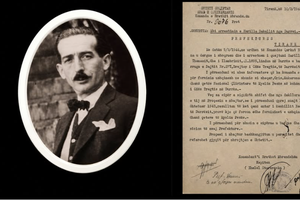
The story of Harilla Bakalli is one of the most chilling t...
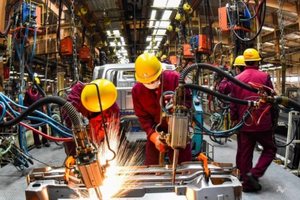
The government aims to transform the country's industrial ...
Kursi i këmbimit të euros me lekun ka rënë më tej këtë jav...

Profit margins in the construction sector have increased s...
The Transparency Board, at its meeting today, decided to i...