


A new era of shopping with AI/ How brands are selected by algorithms
Artificial intelligence is becoming increasingly present i...



The World Bank suggests that improving the public pension scheme in the short term can be achieved without a complete restructuring of the system, but through a series of measures that address the current weaknesses of the contributory scheme.
Increase pressure on contribution payments
The Bank's main emphasis in the latest document "Enhancing Fiscal Sustainability" remains on increasing the number of contributors and the regularity of their payment as a basic condition for sufficient and financially affordable pensions.
One of the main problems of the scheme is related to early exit from the labor market or undeclared work. Data from the Social Security Institute show that for people who retired in 2022, the last average contribution was recorded in 2013, about nine years before retirement. This gap indicates the decline in labor market participation in the over-50s and the need for policies that encourage longer stays in the formal labor market.
The experience of OECD and European Union countries shows that training programs for adults and removing barriers for workers at the end of their careers can yield positive results, while for Albania a more in-depth analysis of the labor market for this age group is required.
For those who do not meet the conditions, social assistance should be increased, not pensions
Another risk to the sustainability of the system is progressive indexation or sharp increases in minimum pensions. These measures could undermine the perception of fairness in the system and reduce the incentive to contribute, reinforcing wage underreporting, which, according to the comparison of the ISS data with the Labour Force Survey, is already a widespread phenomenon. Instead of general increases, a more efficient approach would be to support low-income families through social assistance schemes, without distorting the logic of pension contributions.
Low coverage and weak enforcement of obligations also remain serious challenges. Despite high subsidies for rural workers, the number of active contributors in rural areas has fallen to only 25,000 people in 2022. Developments after the 2024 changes show that the social pension has discouraged contributions, while its abolition is not considered politically feasible. In this context, policies are expected to focus on better incentives, simplification of procedures, more effective communication and a review of voluntary schemes. Even private pensions, although they have increased significantly over the last decade, cover less than 3% of employees, mainly due to low flexibility and lack of short-term benefits, which makes them less attractive for migrants and informal workers.
Special scheme for immigrants
High migration remains a key factor weighing on the pension system. Over 2.2 million Albanian citizens live abroad, most of them of working age. This increases the old-age dependency ratio and reduces the contributory base. Experts emphasize the need for special social security schemes for migrants, to provide protection against other social risks as well. Although Albania has some agreements on the transfer of rights, better data coordination, long-term projections and more tailored voluntary schemes are required.
According to the World Bank, public education and communication on pensions also play an important role. The decline in years of contributions among young retirees indicates a lack of awareness of the link between contributions and pension levels. Tools such as pension calculators, which predict benefits based on individual contribution history, can increase transparency, trust and incentives for greater participation in the system, reinforcing its sustainability in the short and medium term./ Monitor

Artificial intelligence is becoming increasingly present i...

This Wednesday, one US dollar will be bought for 81.7 lek ...

Finding a job abroad, even temporarily, has become a susta...
Budget revenues from Customs for 2025 reach a record figur...

Albanians' perception of the financial situation is signif...

Since the beginning of this year, the application of the b...
This Tuesday, one US dollar will be bought for 81.8 lek an...
The Energy Regulatory Authority has requested that the Tra...

The performance of lending by non-bank financial instituti...

The Economic Sentiment Indicator (ESI) fell by 0.4 points ...
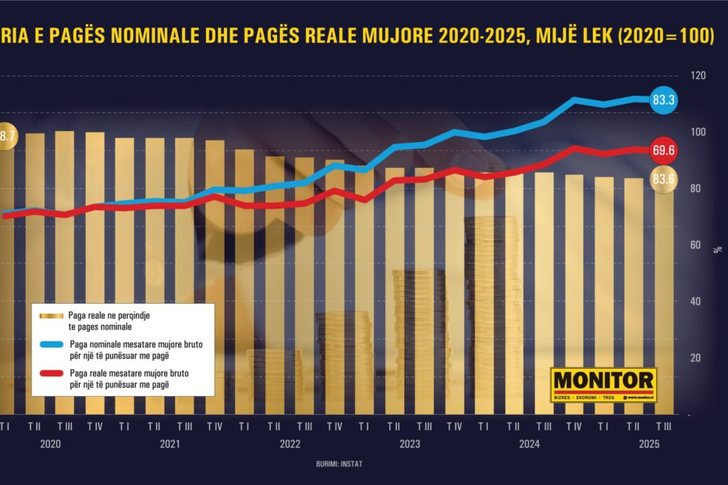
Have you noticed that even though you may receive more mon...

Budgetary expenditures are growing much faster than funds ...

This Monday, one US dollar will be bought for 81.2 lek and...
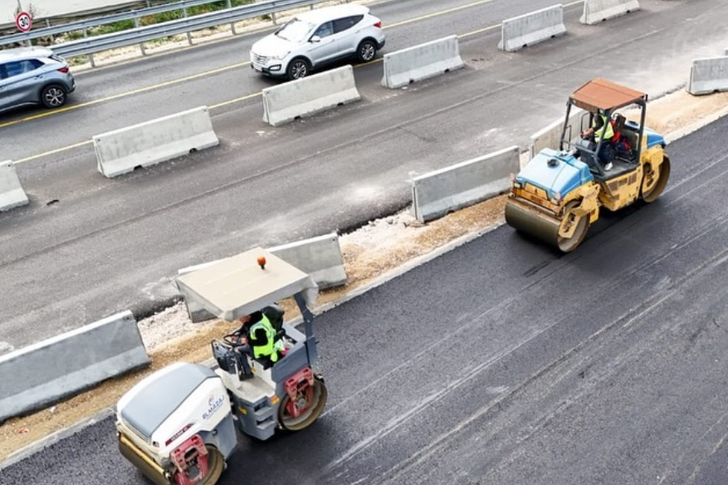
The planning and implementation of public investments duri...
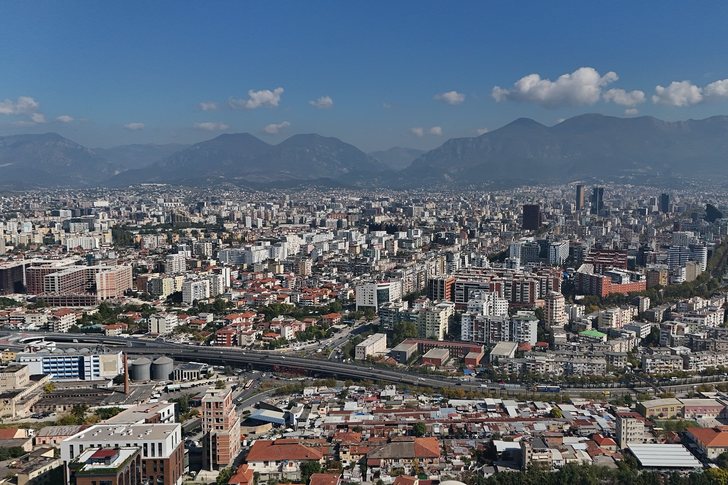
Tourism, rising construction costs and the circulation of ...

This Sunday, one US dollar will be bought for 81.2 lek and...

The global economy has been facing a slowdown in growth si...

It could have been much worse. In April 2025, as President...

Only 14.8% of Albanians over 15 years old were able to sav...

The implementation of the fiscal package, which includes 6...

The murder of officer Enea Mekolli in the line of duty has...
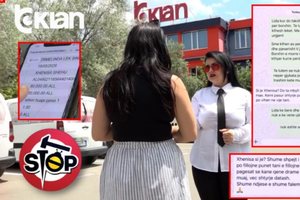
The next case broadcast on the show "Stop", this Thursday,...
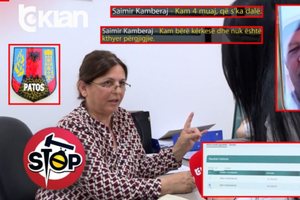
The case published this Thursday, June 4, on the show "Sto...

The protests of recent days related to the situation in Zv...

The Special Board of Appeal (KPA) decided this Monday ...

The KPA vetting decided this Thursday to dismiss the p...

Suela Salavaçi, a prosecutor in the Prosecutor's Offic...

The Special Board of Appeal reinstated the prosecutor ...

A 38-year-old man was arrested today near the Kamza turnof...

A money changer in Durrës lost 60 thousand euros after bei...
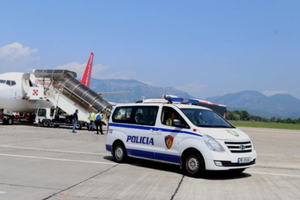
The 6 citizens captured in Dubai, members of criminal grou...
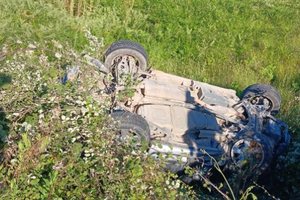
A serious accident occurred on the Kardhiq-Delvinë axis, i...
Today our country will be affected by stable weather condi...

For many children and teenagers, the long summer holidays ...
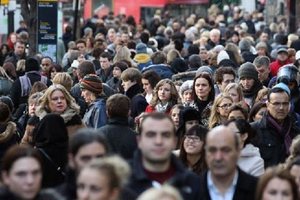
Albania is facing an unprecedented demographic transition,...

On Thursday, our country will be affected by unstable weat...
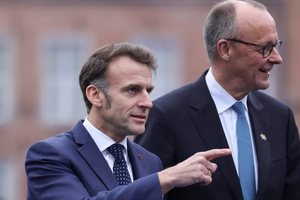
On the eve of the EU-Western Balkans summit, Germany and F...

Russian President Vladimir Putin said the war in Ukraine c...
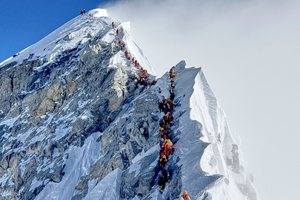
An extraordinary story of survival has been recorded in Ne...
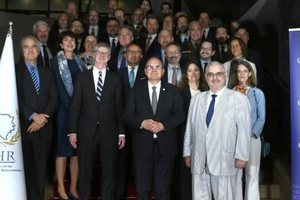
The Peace Implementation Council in Bosnia and Herzegovina...

Korça is ready to open the summer season with one of the c...
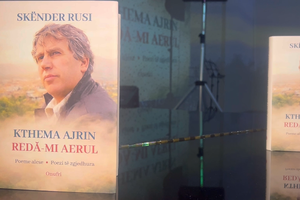
Two years after his passing, the renowned Korçë poet Skënd...
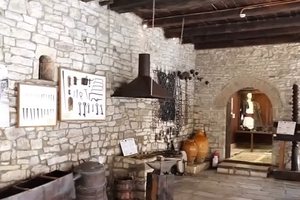
The Ethnographic Museum of Berat has opened its doors to v...
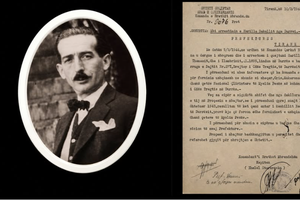
The story of Harilla Bakalli is one of the most chilling t...
Despite years of efforts at regional cooperation and free ...

Albania is the country with the highest level of severe ma...

This Friday, one US dollar is bought for 81.3 lek and sold...
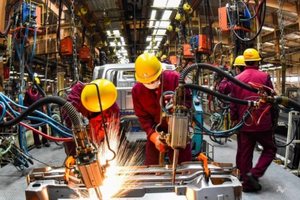
The government aims to transform the country's industrial ...