

Albania, with the lowest percentage of the population in Europe that manages to save
Only 14.8% of Albanians over 15 years old were able to sav...


It could have been much worse. In April 2025, as President Donald Trump launched his trade war, investors and many economists braced for a deep global recession.
Ultimately, world GDP is likely to grow by about 3% in 2025, the same as in 2024. Unemployment remains low almost everywhere. Stock markets have posted another year of solid gains. Only inflation remains a real concern. Across the OECD, it remains above central banks’ 2% target.
This overall performance hides huge differences. That’s why, for the fifth year in a row, The Economist has identified the “economy of the year.” It compiles data on five indicators—inflation, “inflation spread,” GDP, employment, and stock market performance—for 36 mostly wealthy countries.
Countries are ranked according to their results on each indicator, creating an overall score of economic success in 2025. The table below presents the rankings.
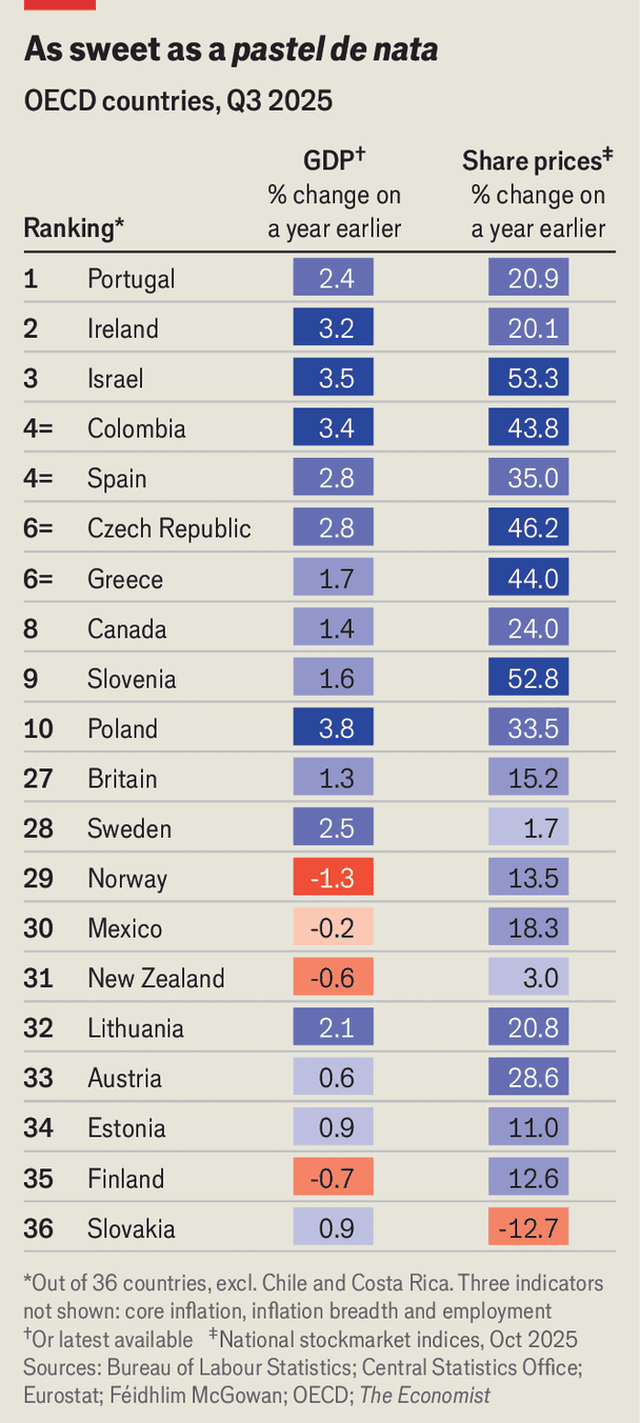
Good news comes again from Southern Europe. Following Spain's victory in 2024, Portugal is the best-performing economy this time around. In 2025, it has combined strong GDP growth, low inflation and a buoyant stock market.
Other eurozone members that struggled in the 2010s, including Greece (winner in 2022 and 2023) and Spain, also rank near the top. Elsewhere, Israel has continued its strong recovery from the chaos of 2023, while Ireland narrowly loses its top spot. Colombia has benefited from both strong economic growth and a booming stock market.
At the bottom of the rankings are mainly Northern European countries: Estonia, Finland and Slovakia. Germany has performed slightly better than in previous years, but still poorly, dragged down by a weak labor market.
Britain has had an equally “mediocre” year. (France, despite political chaos, scores quite well.) Across the Atlantic, the US ranks only in the middle, and even worse than Italy. The labor market is strong, but not exceptional. Relatively high inflation drags down the overall score.
In fact, the first indicator is core inflation, which excludes food and energy prices because of their volatility. A country ranks better the closer its annual rate is to 2%, the typical target of central bankers. Turkey's inflation is much higher than anywhere else, due to President Recep Tayyip Erdogan's crazy economic policies.
Estonia është e dyta nga fundi, me inflacion bazë gati 7% në tremujorin e tretë të 2025-ës, ndërsa vazhdon rimëkëmbjen nga shoku energjetik i 2022-it. Shumë vende të tjera kanë vështirësitë e tyre. Inflacioni bazë i Britanisë ishte më i ulët se fundvitin e vitit 2024. Por me 4% ai mbetet shumë mbi atë që Banka e Anglisë do të donte të shihte.
Në disa vende inflacioni bazë është shumë i ulët. Kjo përfshin Suedinë, ku ai është pothuajse inekzistent. Për shumë konsumatorë, të lodhur pas katër vitesh rritjeje të shpejtë të çmimeve, kjo mund të tingëllojë një mrekulli. Megjithatë, në një skenar të tillë ekonomistët shqetësohen për deflacionin, i cili dekurajon shpenzimet dhe rrit barrën reale të borxheve.
Të kesh pak inflacion është më mirë sesa të mos kesh fare. Një grup vendesh të tjera, përfshirë Finlandën dhe Zvicrën, kanë lexime po aq ‘anemike’. Edhe pse Japonia ka inflacion më të lartë se në vitet 2010, ai nuk i afrohet aspak mbinxehjes që shihet gjetkë.
“Shtrirja e inflacionit” tregon një histori të ngjashme. Ky tregues ndjek pjesën e artikujve në shportën e konsumit ku çmimet rriten me më shumë se 2% në vit. Në disa vende ai është rritur ndjeshëm, përfshirë SHBA-në, ndoshta si pasojë e një politike fiskale tepër agresive. Edhe sot, çmimet e më shumë se 85% të artikujve në shportën e konsumit të australianëve po rriten me mbi 2% në vit.
Po rritja dhe punësimi, treguesit e tjerë ekonomikë që u interesojnë thellësisht votuesve? Portugalia spikat. Turizmi ka lulëzuar, ndërsa shumë të huaj të pasur po zhvendosen në vend për të përfituar nga normat e ulëta tatimore.
Rritja e GDP-së është dukshëm mbi mesataren europiane. Republika Çeke shënon rritje të mira si në prodhim ashtu edhe në punësim, duke u ngjitur në të tretën e sipërme të renditjes sonë. Në të kundërt, Koreja e Jugut ka humbur vende pune. Norvegjia, e ekspozuar fort ndaj mallrave bazë dhe transportit detar, ka vuajtur nga ngadalësimi i tregtisë globale.
Në tremujorin e tretë të këtij viti, Irlanda regjistroi rritje ekonomike mbi 12% nga viti në vit, një shifër spektakolare, por gjithashtu mashtruese. Shumë kompani të mëdha shumëkombëshe që regjistrojnë fitimet në vend shtrembërojnë llogaritë kombëtare. Prandaj ekonomistët irlandezë preferojnë të përdorin “kërkesën totale të brendshme të modifikuar”, një tregues i ngjashëm i prodhuar nga zyra kombëtare e statistikave, që heq shumicën e këtyre shtrembërimeve. Edhe ne kemi vepruar njësoj.
Tregjet e aksioneve përmbyllin vlerësimin e The Economist. Mund të pritej që aksionet amerikane të ishin fituese absolute. Megjithatë, rritja e çmimeve të aksioneve në SHBA ka qenë thjesht e kënaqshme.
Vlerësimet e larta të tregut pasqyrojnë kryesisht sukseset e viteve të mëparshme. Edhe Franca ka pasur një performancë mesatare, me aksionet e kompanisë së saj më të vlefshme, LVMH, që kanë qëndruar në vendnumëro.
Nowhere has it performed worse than Denmark on this indicator. The share price of Novo Nordisk, the maker of Ozempic, has fallen by 60% as the company has lost its edge in the weight-loss drug market.
A comeback
For fiery stock market gains, investors should look elsewhere. While Czech and South Korean companies have performed well in 2025, nowhere has it performed better (in local currency terms) than Israel. Over the past year, the share price of the country’s most valuable listed company, Bank Leumi, has risen by about 70%.
Portuguese investors have also benefited, with the country's stock market growing by more than 20% in 2025. According to estimates, the stock market of the country that was named "economy of the year" will grow by an average of 20% in the following year. The Economist says it is not investment advice, but…/ Monitor

Only 14.8% of Albanians over 15 years old were able to sav...
The implementation of the fiscal package, which includes 6...
As of today, the minimum wage in the country will be 50 th...
For most Albanian families, New Year's Eve dinner remains ...
At the end of November 2025, the budget balance (the diffe...
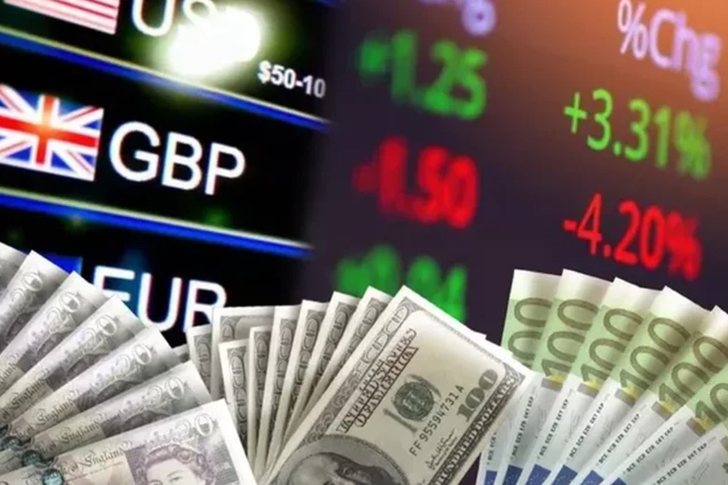
This Wednesday, one US dollar will be bought for 81.2 lek ...
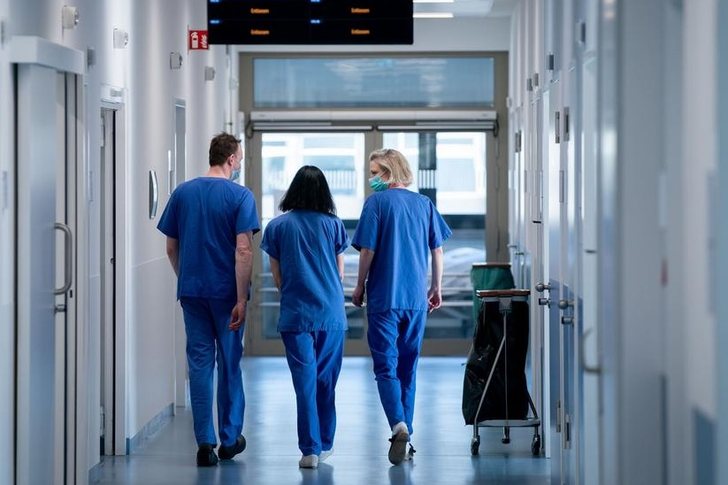
Aktiviteti i ambulancave, poliklinikave dhe spitaleve publ...
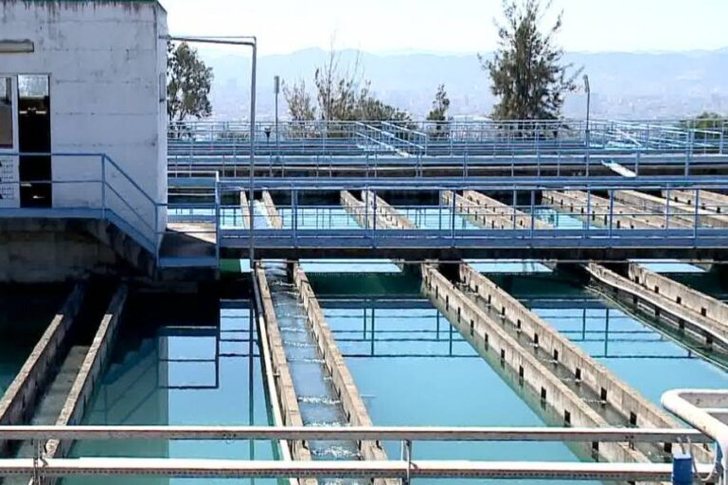
The Albanian government has received around 589 million eu...
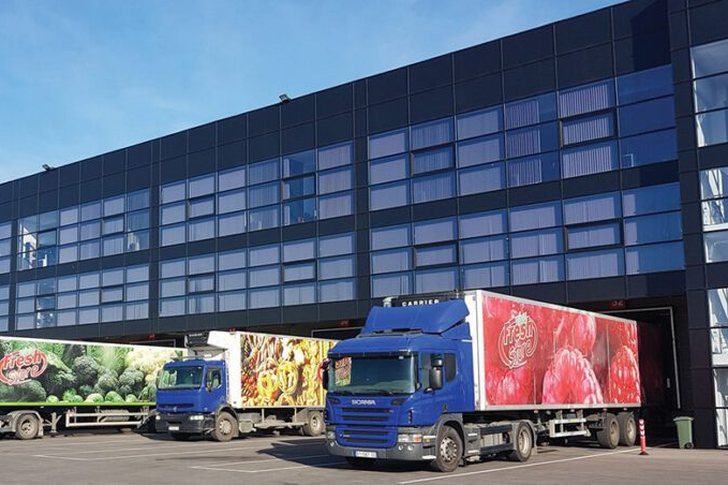
Kosovo is the main investor in Albania this year. Bank of ...

The insurance market has further expanded its profits in t...
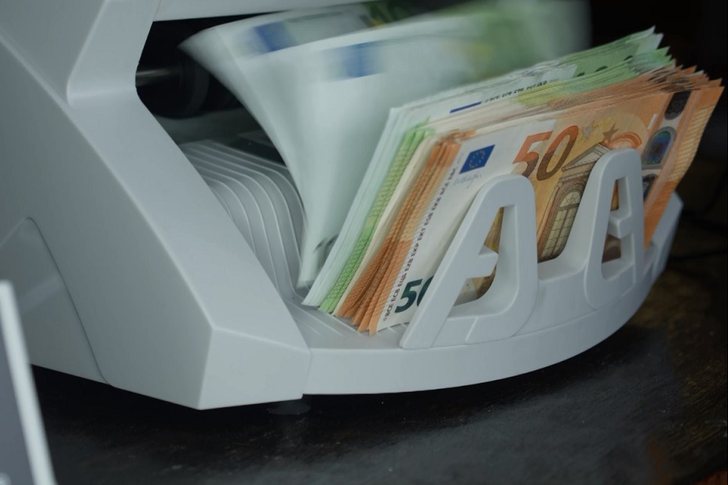
This Monday, one US dollar will be bought for 80.6 lek and...

Updated official data show that there are currently 10 eco...
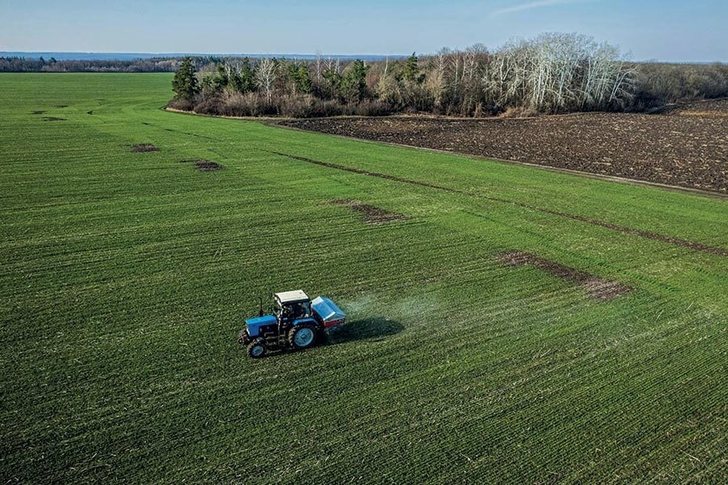
The way in which Gross Domestic Product (GDP) is growing s...
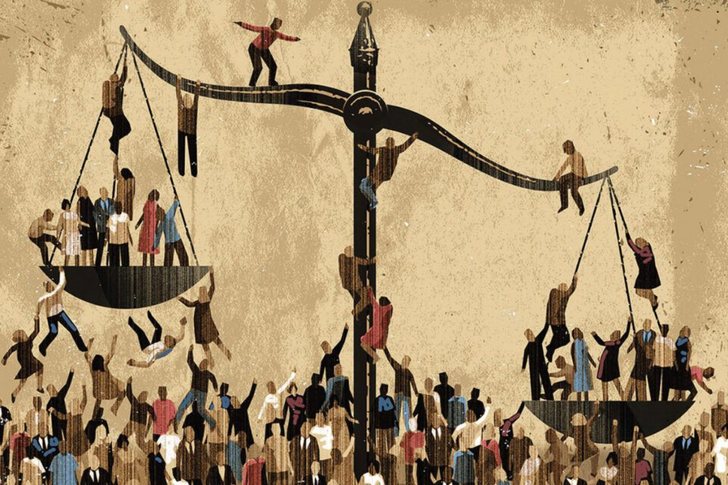
The number of emigrants returning after the pandemic has i...

This Sunday, one US dollar will be bought for 80.5 lek and...
In many cases, Albanian firms already have real experience...

Banking sector personnel expenses are increasing for the f...
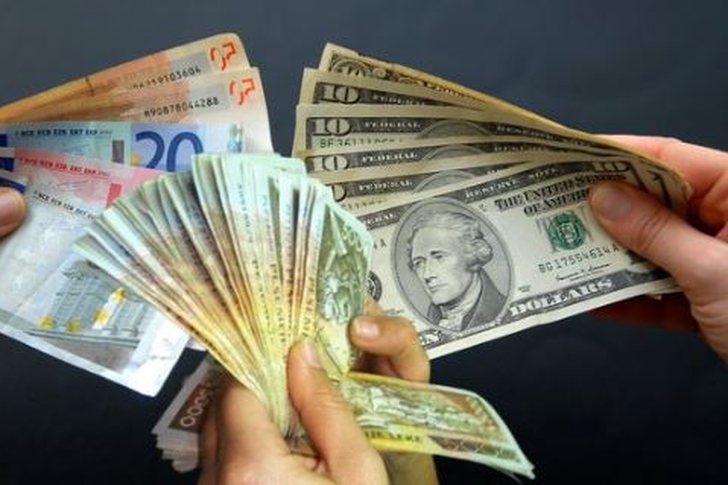
Këtë të shtunë, një dollar amerikan do të blihet me 81 lek...
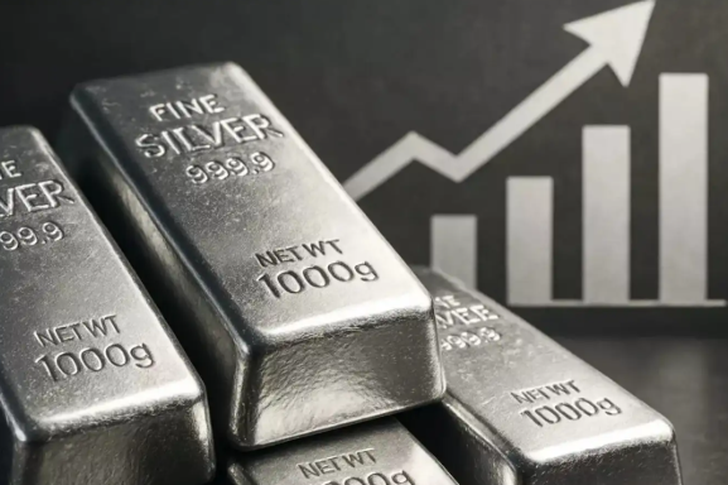
The price of silver surpassed $78 per ounce for the first ...
Qeveria shqiptare i ka pohuar Fondit Monetar Ndërkombëtar ...

Irfan Hysenbelliu claims to be a big businessman, an hones...

The murder of officer Enea Mekolli in the line of duty has...

The next case broadcast on the show "Stop", this Thursday,...
The case published this Thursday, June 4, on the show "Sto...

The Special Board of Appeal (KPA) decided this Monday ...

The KPA vetting decided this Thursday to dismiss the p...

Suela Salavaçi, a prosecutor in the Prosecutor's Offic...

The Special Board of Appeal reinstated the prosecutor ...

A 38-year-old man was arrested today near the Kamza turnof...

A money changer in Durrës lost 60 thousand euros after bei...
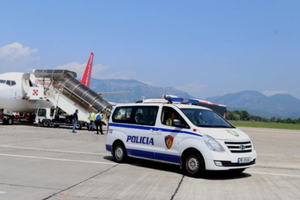
The 6 citizens captured in Dubai, members of criminal grou...
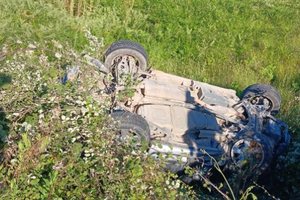
A serious accident occurred on the Kardhiq-Delvinë axis, i...
Today our country will be affected by stable weather condi...

For many children and teenagers, the long summer holidays ...
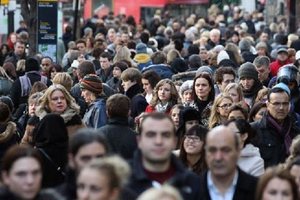
Albania is facing an unprecedented demographic transition,...

On Thursday, our country will be affected by unstable weat...
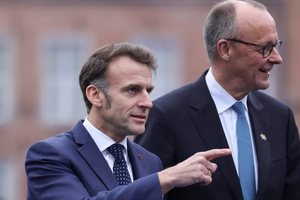
On the eve of the EU-Western Balkans summit, Germany and F...

Russian President Vladimir Putin said the war in Ukraine c...
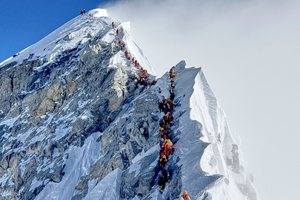
An extraordinary story of survival has been recorded in Ne...
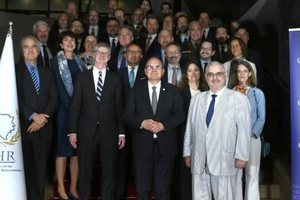
The Peace Implementation Council in Bosnia and Herzegovina...

Korça is ready to open the summer season with one of the c...
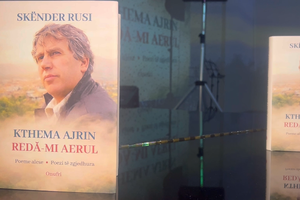
Two years after his passing, the renowned Korçë poet Skënd...
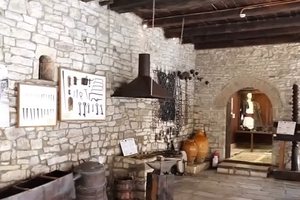
The Ethnographic Museum of Berat has opened its doors to v...
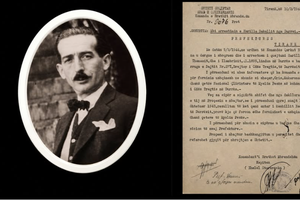
The story of Harilla Bakalli is one of the most chilling t...
Despite years of efforts at regional cooperation and free ...
Albania is the country with the highest level of severe ma...

This Friday, one US dollar is bought for 81.3 lek and sold...
The government aims to transform the country's industrial ...