


Businessman Artur Shehu breaks his silence: I am a long-time land owner in Zvërnec, I don't know the investors at all
Albanian businessman Artur Shehu spoke on the Opinion show...

Albanian businessman Artur Shehu spoke on the Opinion show...

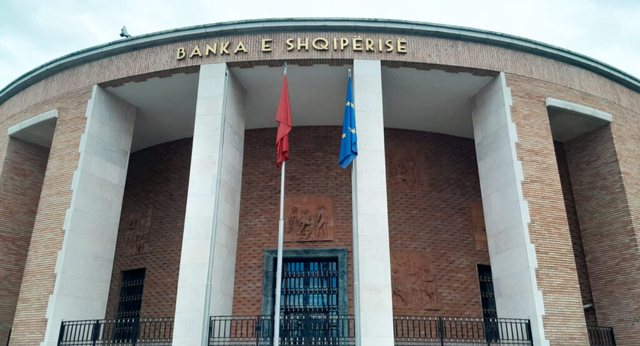
An analysis by the Bank of Albania shows that direct exposure is considered controlled, while the economy's absorption capacity has improved significantly in recent years.
This position is supported by the improvement in the economy's energy efficiency, limited consumer exposure due to the low weight of fuels in the consumption basket; and an improved macroeconomic picture, which offers increased room for reaction.
However, the Bank of Albania estimates that the final impact will depend on the duration of the shock and geopolitical developments.
In 2025, oil imports reached about 740 thousand tons, representing about 5.9% of total imports.
According to the Bank of Albania, this shows the sensitivity of the trade balance to fluctuations in international energy markets. The 2022 episode clearly illustrated that strong price increases can worsen the trade deficit and put additional pressure on the balance of payments.
Exposure to the shock is not uniform across sectors of the economy.
Businesses account for the majority of oil consumption, at around 78.3%, while households account for around 21.7%. Furthermore, the share of oil in the household consumption basket is low, at around 3.47%.
However, the impact of price increases on household budgets can also be felt through indirect channels, stemming from the increase in prices of transportation and energy-intensive manufactured goods.
Within the business category, the sectors with the highest oil intensity and, consequently, the most exposed to price shocks are transportation, manufacturing, accommodation and construction.
From a cost perspective, the share of oil expenditure is highest in transport, extractive industries, accommodation, trade and construction. At the economy level, fuel expenditure accounts for about 6.4% of total costs.
The increase in oil prices constitutes a negative supply-side shock, which can be transmitted to the economy directly and indirectly.
The Bank of Albania estimates that the intensity and duration of the impact will depend on the duration of the conflict, the return of production to pre-war levels and the stability of prices in international markets, making this process conditional on geopolitical developments and subject to continuous monitoring.
According to the analysis, the transmission to inflation occurs through two main channels: the direct and immediate-acting channel reflects the increase in fuel prices for consumers in individual transport, and the indirect channels, with slow but more stable action, include several interacting mechanisms.
First, the increase in costs for businesses, which is gradually transmitted to the prices of other goods and services, generating broader inflationary pressures.
Secondly, the weakening of aggregate demand, given that demand for oil is relatively inelastic and rising prices translate into a deterioration in the terms of trade. Finally, the impacts stemming from the slowdown in economic activity and rising inflation in trading partners.
Although at this stage, a full assessment of all the above channels, with a high degree of accuracy, remains difficult to achieve, according to the Bank of Albania's analysis, two main conclusions can be drawn.
In terms of direction, the shock is expected to produce opposite effects on inflation and economic growth: the sustained increase in oil prices exerts upward pressure on inflation, while dampening economic activity through reduced purchasing power, shifting income towards financing imports, and increasing uncertainty.
In terms of timing and quantity, a temporary and limited shock is expected to have transitory effects on inflation, while a prolonged and high increase in energy prices, reflected in production costs and inflationary expectations, could generate more sustained pressures, with more pronounced consequences for both inflation and economic growth.

Punësimi në sektorin bankar u rrit më tej në tremujorin e ...
Public investments from foreign funds have marked a signif...

The quality of work is not determined solely by salary, bu...
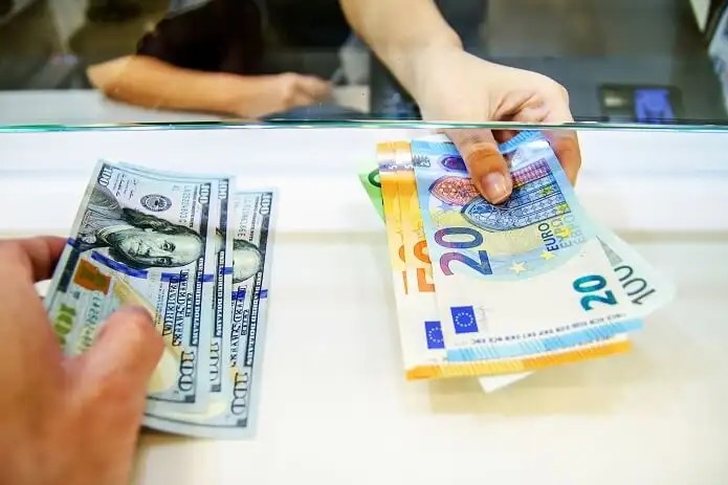
This Friday, the dollar will be exchanged for 81 lek when ...
With its publication in the Official Gazette, the instruct...
According to data from the Bank of Albania, citizens seem ...
The number of new businesses and applications in the regis...
An unusual inspection appears to have begun in the taxi ma...
This Thursday, the dollar will be exchanged for 80.8 lek w...
The Transparency Board, in its meeting held today, has dec...
Ministri i Financave, Petrit Malaj ka folur për mediet pas...
The Bank of Albania signed today the partnership betwe...

All those individuals, such as those who have dependent ch...

Card payments marked another high growth in the first quar...
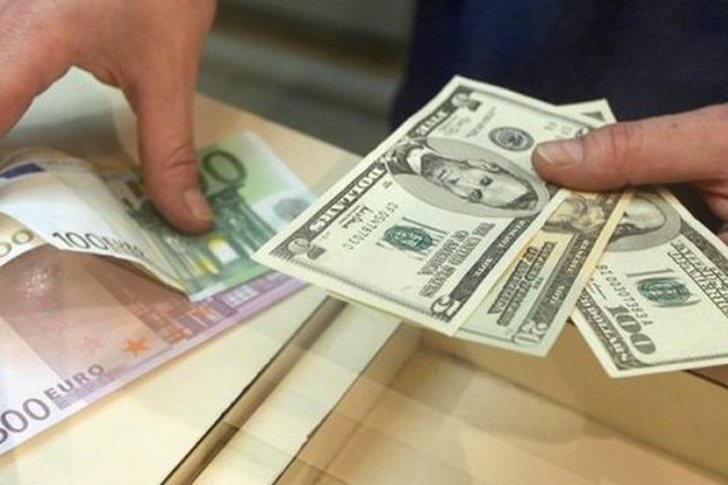
This Wednesday, the dollar will be exchanged for 80.7 lek ...
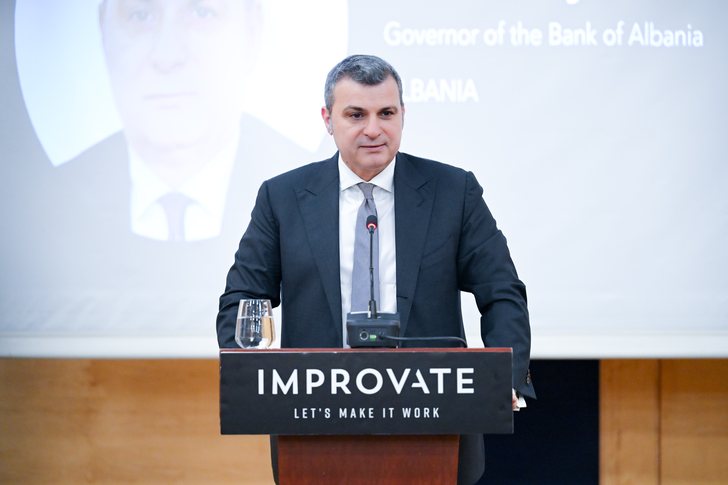
The Governor of the Bank of Albania, Gent Sejko, during a ...
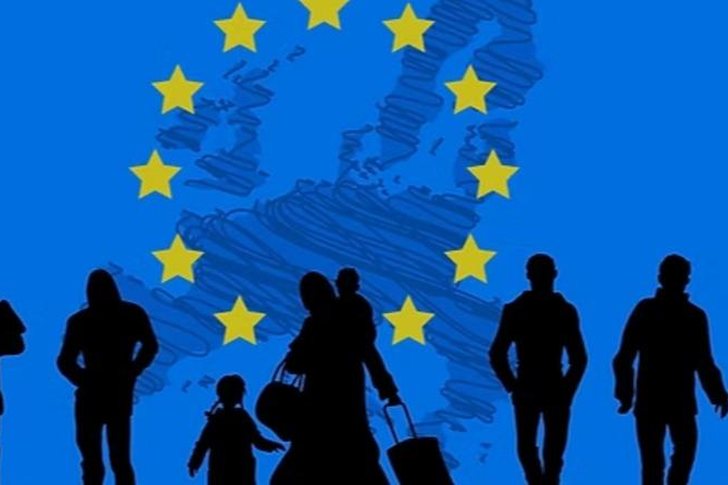
Around 12.4 thousand Albanians were refused entry to one o...
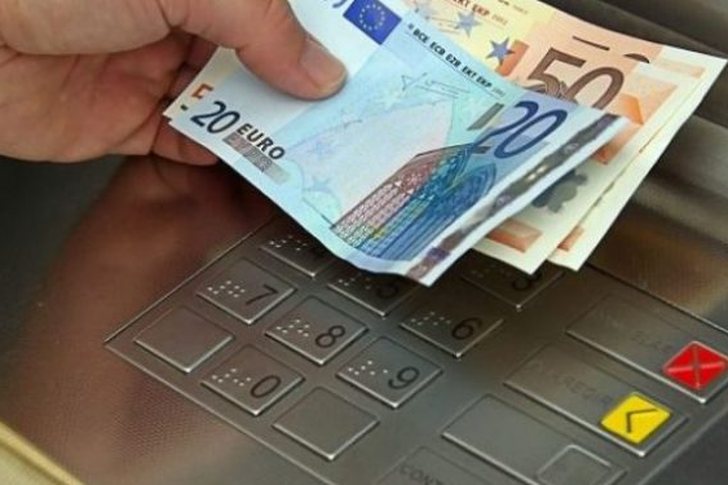
This Tuesday, the dollar will be exchanged for 80.4 lek wh...
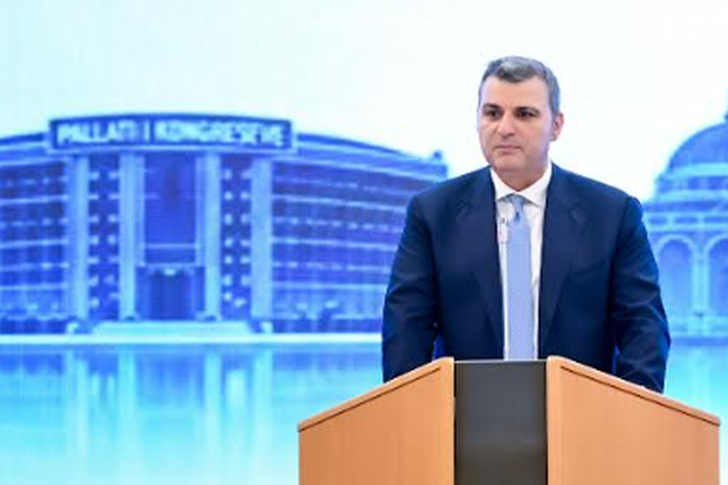
The Governor of the Bank of Albania, Gent Sejko, was prese...
This Monday, the dollar will be exchanged for 80.4 lek whe...

The next case broadcast on the show "Stop", this Thursday,...
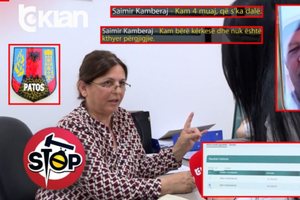
The case published this Thursday, June 4, on the show "Sto...

The protests of recent days related to the situation in Zv...
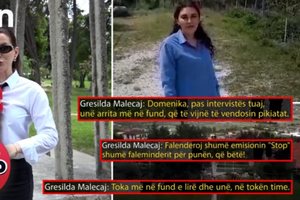
The case addressed this Wednesday, June 3, on the show "St...

The Special Board of Appeal (KPA) decided this Monday ...

The KPA vetting decided this Thursday to dismiss the p...

Suela Salavaçi, a prosecutor in the Prosecutor's Offic...

The Special Board of Appeal reinstated the prosecutor ...
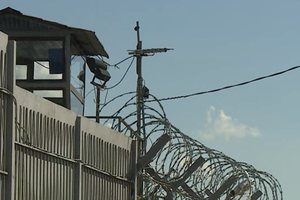
A convict was found dead today in the premises of the Pris...
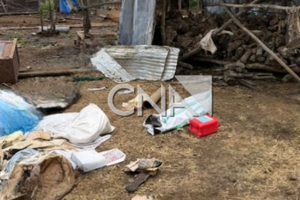
Several images provided by CNA show the area where this mo...
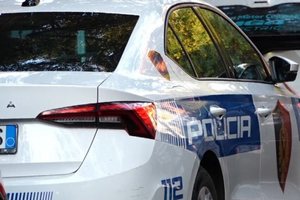
A quantity of explosive material exploded this morning at ...
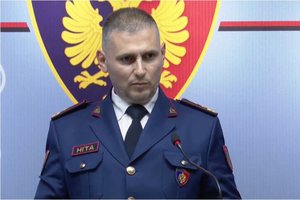
The Head of the State Police, Skënder Hita, expressed his ...

For many children and teenagers, the long summer holidays ...
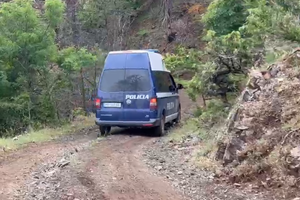
Witnesses in Lozhan, Maliqi, have shared details from the ...
Albania is facing an unprecedented demographic transition,...
On Thursday, our country will be affected by unstable weat...

Russian President Vladimir Putin said the war in Ukraine c...
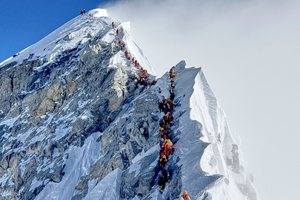
An extraordinary story of survival has been recorded in Ne...
The Peace Implementation Council in Bosnia and Herzegovina...
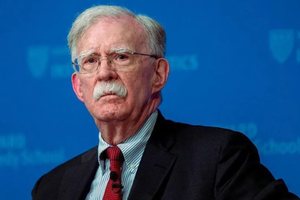
John Bolton, the former national security adviser to US Pr...
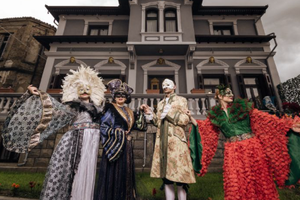
Korça is ready to open the summer season with one of the c...
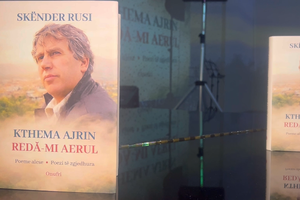
Two years after his passing, the renowned Korçë poet Skënd...
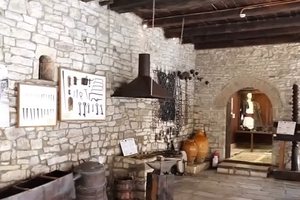
The Ethnographic Museum of Berat has opened its doors to v...
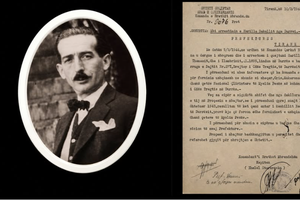
The story of Harilla Bakalli is one of the most chilling t...
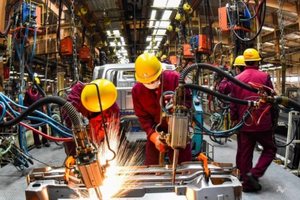
The government aims to transform the country's industrial ...
Kursi i këmbimit të euros me lekun ka rënë më tej këtë jav...
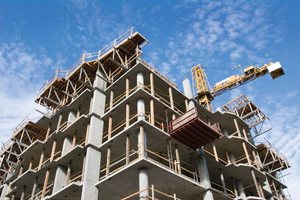
Profit margins in the construction sector have increased s...
The Transparency Board, at its meeting today, decided to i...