

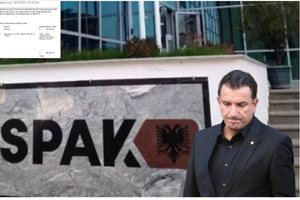
When SPAK is led by Mero Këllira
The critical stance of Mero Këllira, a stinking journa...


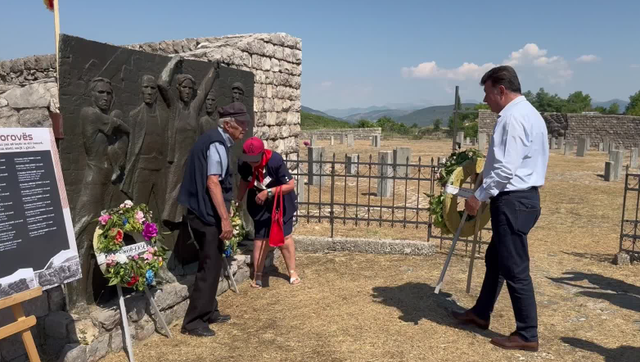
82 years ago, on July 6, 1943, one of the darkest events of World War II was recorded in Albanian history, the Borovo massacre. One of the divisions of the Nazi German army burned the village of Borovo in Kolonjë, killing 107 innocent civilians, among whom were women, children and the elderly. Today, 82 years later, on the anniversary of this tragedy, the memory of the victims remains just as vivid and painful, while the generations that have been left behind try to preserve historical memory and seek reflection through it.
The memorial ceremony, held as every year in the village of Borovo, was attended by relatives of the victims, representatives of state institutions, citizens and international friends. One of them, Ulrich Chilian, a German citizen who has visited Borovo for the fourth time, spoke about the emotions and moral burden he feels as a representative of a people who, although different today, carry a tragic past on their shoulders.
"I come from Germany, it's my fourth time in Borovo. It's the Germans' fault for what happened and in memory of the victims I come to honor them. I try to apologize on behalf of the German people even though it's difficult, but now we are friends and we will be friends forever."
The memories of the survivors are chilling evidence of a reality that cannot be erased from memory. A woman, now in her old age, confesses that she lost her mother, father, two sisters and two brothers on that black day. She herself, only 7 years old at the time, was injured, but managed to escape.
"I lost my mother, father, two sisters and two brothers. The eldest was 18 years old, the youngest was 5 years old. I was 7 years old, I was wounded but the bullet didn't hit me exactly. I could see everyone killed, I saw my fellow villagers, I saw the children, I heard screams and screams. I saw the German convoys passing by and at the end I saw the road uphill. I am amazed how I managed to climb the mountain at such a young age. It is a day that I will never forget and every time I come back it seems like those moments are still there."
Another witness tells of the loss of his uncle, only 16 years old at the time, a bright and lively boy, who was killed while trying to escape.
"I lost my uncle, he was 16 years old. He was one of the smartest, most brilliant people, and when he wanted to cross the wall, they killed him. Every time I come here, every time I pass by, I miss him."
In his speech, the Mayor of Kolonjë, Erion Isai, brought to attention not only the importance of historical memory, but also the need to understand and reflect on the dangers that still threaten humanity.
"Time has shown that the cyclical circle of events repeats itself, in new forms, new mindsets but as the same philosophy. Europe today is still in an identity crisis where it must face attacks, counterattacks or even breaking the rules of the game. For these reasons, events like the Second World War in notions such as the Borova event, help not only to be commemorative, but as a lesson of a history where moments must be concluded that life is decided by people and not by the great god."
The victims of the Borova massacre have been declared “Martyrs of the Homeland”, and every year, on July 6, a memorial ceremony is organized to honor their memory and to renew the commitment of generations to ensure that this tragedy is never forgotten. The history of Borova remains one of those wounds that never heal, but that serve as a collective memory of pain, resistance and the eternal need for peace and justice./ CNA

The critical stance of Mero Këllira, a stinking journa...
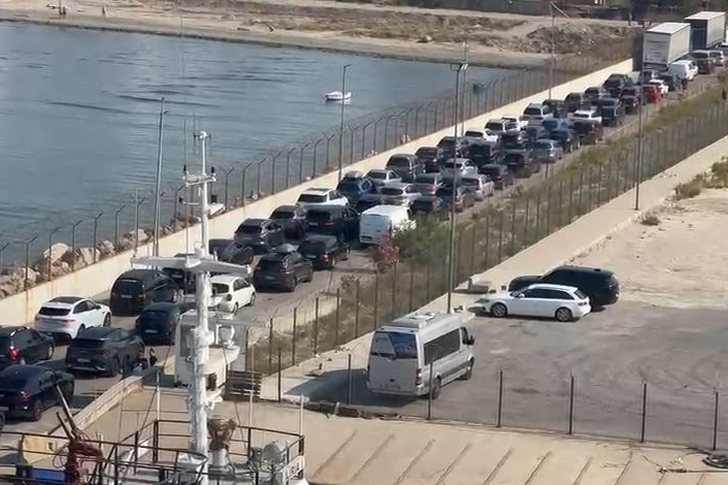
The month of July has significantly increased the entry of...
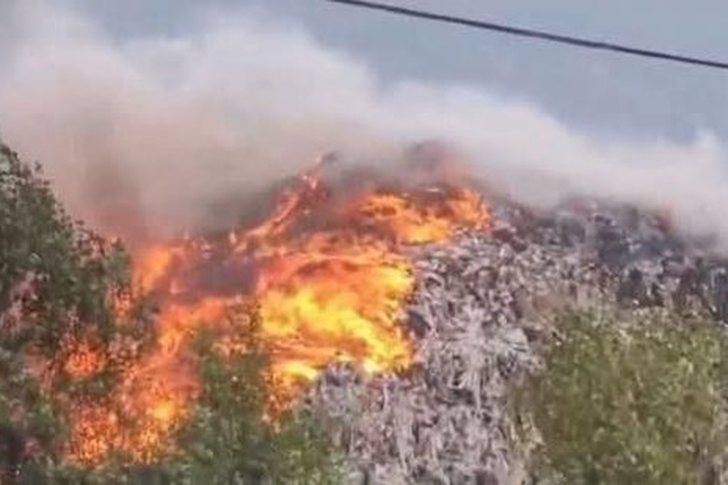
The fire at the Elbasan landfill has been going on for 6 d...
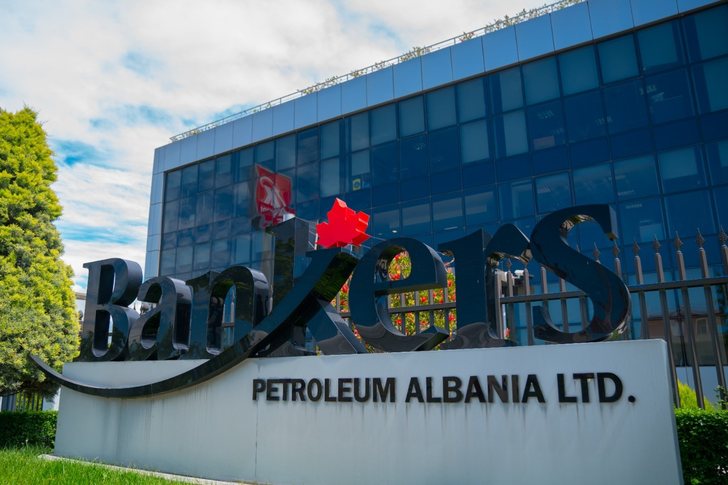
Tax evasion in the company "Bankers", Chinese CEO and form...
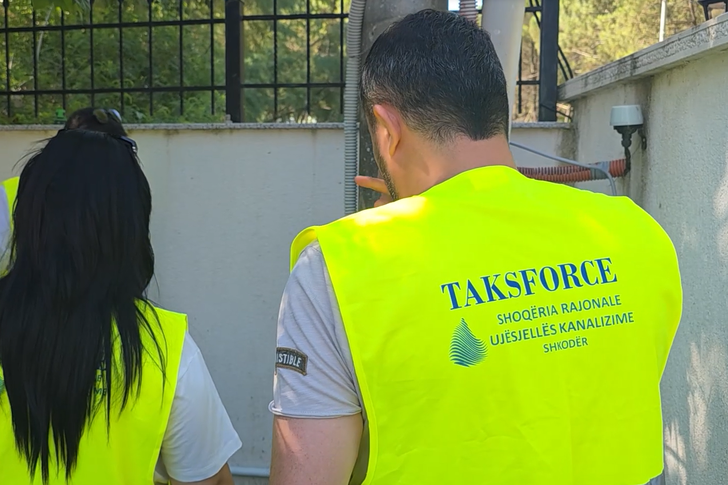
Velipoja has been the focus of inspections this weekend by...
The Tirana Municipal Police have called on street vendors ...
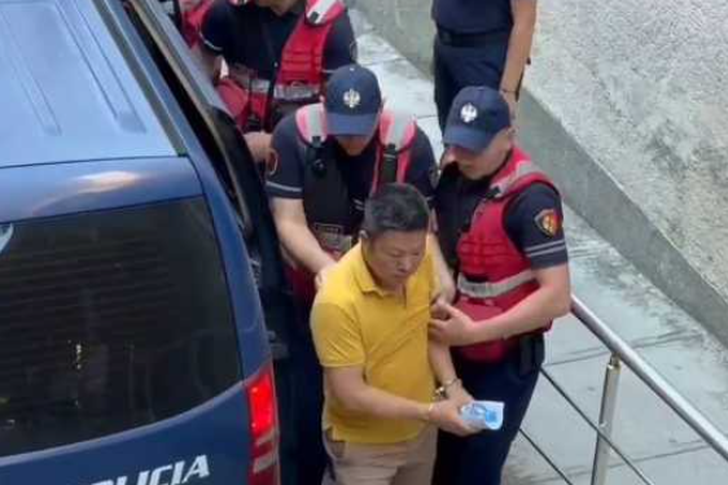
A court hearing is being held today for those arrested in ...
Over the last 24 hours, 16 fires have been reported, of wh...
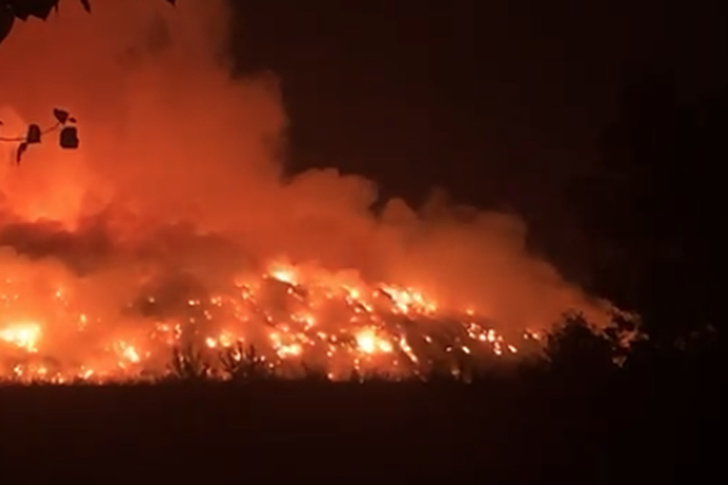
Waste in the Elbasan landfill has been burning for 5 days ...
Number portability has consistently been a problematic pro...

This Saturday we are introducing you to some of the main h...
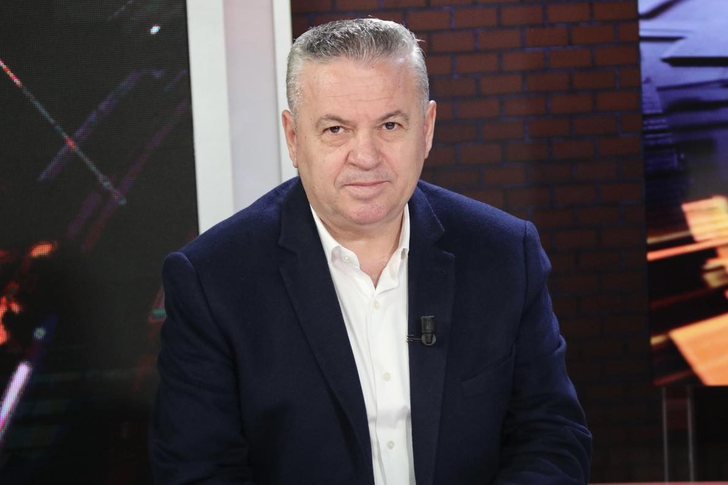
Former Democratic MP, Myslim Murrizi, reacted today to com...
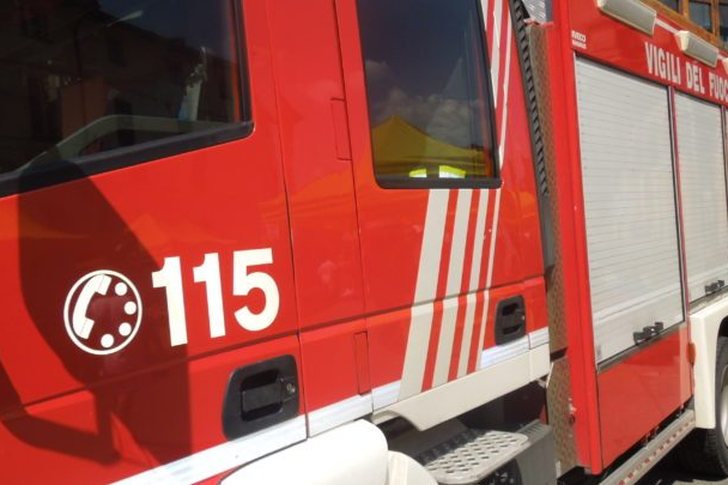
According to data from the National Civil Emergency Operat...
A documentary, titled "The Persecution of the Clergy of th...
Analyst Andi Bushati said today that the 'Bankers Petroleu...
The prestigious American newspaper 'New York Times' has pu...
The Center for Interfaith Cooperation has today expressed ...

Economics expert Brisida Shehaj spoke today about the issu...
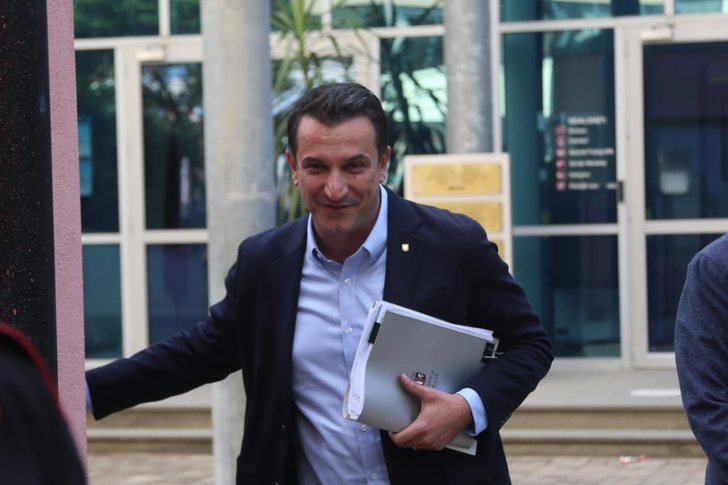
Erion Veliaj, through his companies, lobbying firms an...
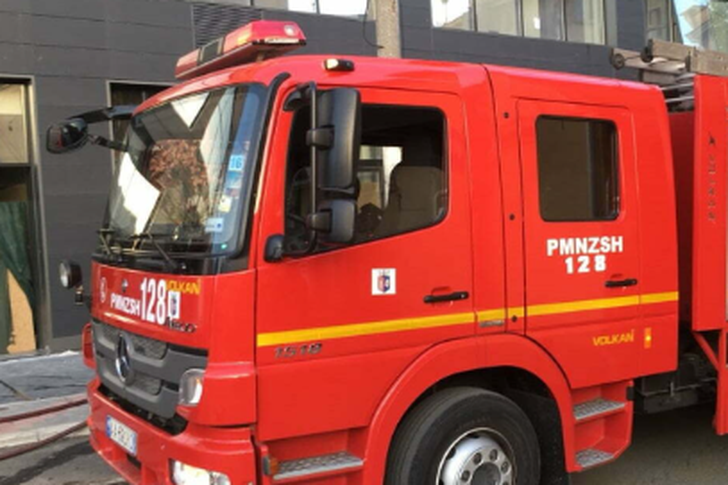
According to data from the National Civil Emergency Operat...
Since the summer of 2020, the Mayor of Tirana, Erion Velia...
The leader of the Democratic Party, Sali Berisha, denounce...
In January 2026, CNA published a series of documents and f...
Erion Isufi is the man known in the media as Lulzim Basha'...

The Special Board of Appeal (KPA) decided this Monday ...

The KPA vetting decided this Thursday to dismiss the p...

Suela Salavaçi, a prosecutor in the Prosecutor's Offic...

The Special Board of Appeal reinstated the prosecutor ...
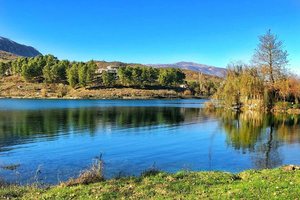
A serious incident is reported to have occurred today in G...
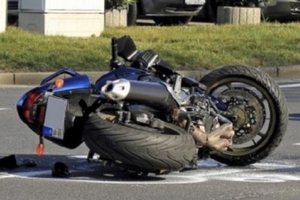
A fatal accident has been recorded on the Fier-Lushnjë hig...
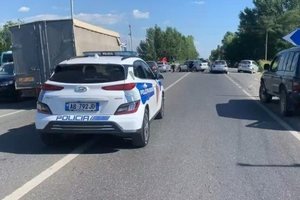
A road accident occurred today on the Lezhë-Milot highway,...
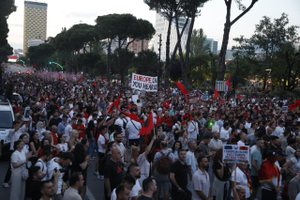
Tirana police have criminally prosecuted 27 people in conn...
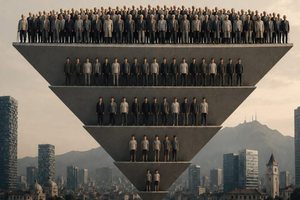
Albania is leading a painful demographic process that plac...
On Friday, our country will be affected by stable weather ...
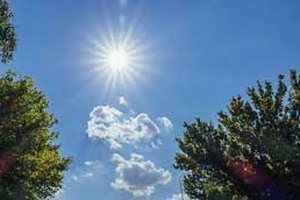
On Thursday, our country will be affected by stable weathe...

On Wednesday, our country will be affected by relatively s...
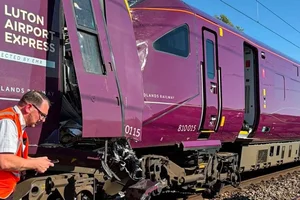
Two high-speed passenger trains collided on Friday afterno...
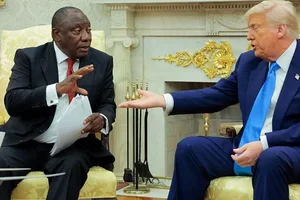
The United States government has announced that it will st...
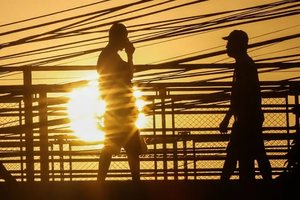
Meteorologists have warned that a powerful El Nino phenome...
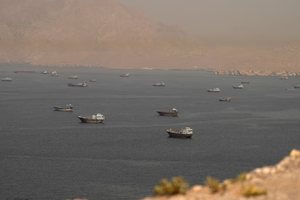
Oil shipments through the Strait of Hormuz increased signi...
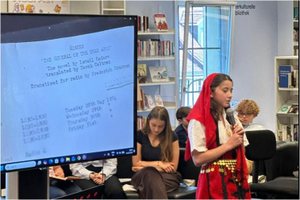
The Albanian Embassy in Switzerland has organized an eveni...
This Wednesday, the prominent actor of Albanian cinema, Gj...
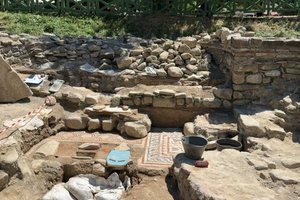
Several archaeological excavations conducted during this s...
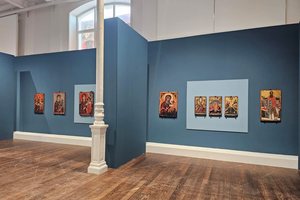
At the Museum of Fine Arts in Chambéry, France, an exhibit...
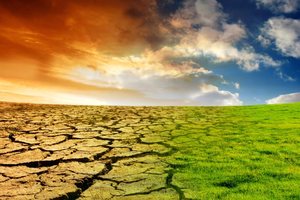
Urban development, transport, energy, forestry and agricul...
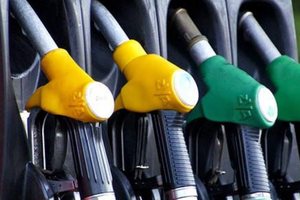
The Minister of Economy and Innovation, Delina Ibrahimaj, ...
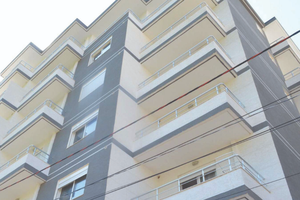
The draft law proposed by the Ministry of Finance for a ne...
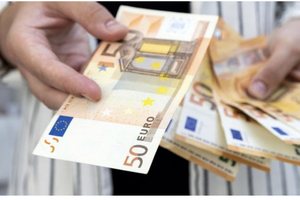
It is not only Albanian consumers who pay more than the Eu...