


Poland strips Zelensky of highest state decoration/ Tensions between the two countries
Polish President Karol Nawrocki announced on Friday that h...


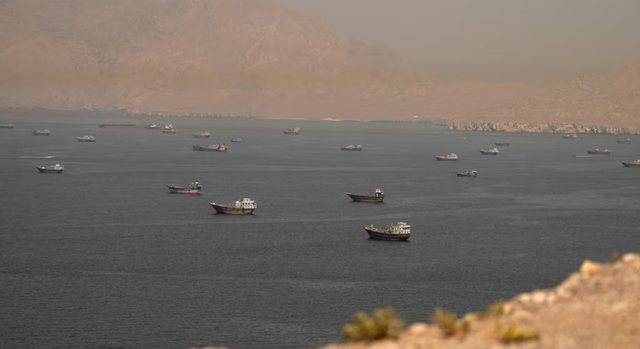
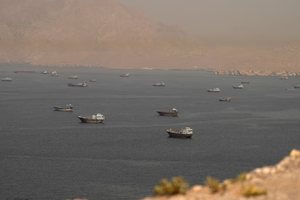
Oil shipments through the Strait of Hormuz increased significantly on Friday after the United States and Iran signed a ceasefire agreement.
Meanwhile, Gulf producers are preparing to increase exports despite concerns over conditions imposed by Tehran for the use of this vital sea route.
Washington and Tehran released the text of a memorandum of understanding signed on Wednesday to end the conflict, while US President Donald Trump warned that attacks could resume if Iran does not adhere to the agreement.
At least four tankers carrying crude oil, petroleum products and liquefied gas entered the strait on Friday, heading for Gulf ports in Iraq, according to MarineTraffic data.
A Japanese-owned oil tanker emerged from the strait after being delayed by the war and was heading for Japan.
On Thursday, 25 commercial crossings were recorded through Hormuz - the highest daily number since April 18 and more than five times the daily average for the first 10 days of June, according to AXS Marine data.
Traffic flow in Hormuz remains well below the pre-conflict level of around 120 crossings per day.
Meanwhile, the United States officially lifted its blockade of Iranian ports on Thursday.
"Marines should be advised of the existence of mines and expect a naval presence as clearance operations continue," the US Navy-led Naval Information Center said Thursday evening.
She advised ships to avoid the traffic separation scheme due to the risk of mines.
This scheme, approved by the United Nations maritime transport agency in 1968, established shipping corridors through Iranian and Omani waters in the strait.
"The risks range from the risk of mines ... to a blockade in the Middle East Gulf if tensions escalate and Iran blocks Hormuz again ," said shipping broker Braemar.
"The agreement ... opens the possibility for Iran to impose tariffs for managing transit in Hormuz after 60 days."
Meanwhile, Switzerland said US-Iran talks on a broader peace pact would not take place on Friday, while US Vice President JD Vance cancelled a planned visit, highlighting the uncertainty over a lasting solution.
Iran signaled tighter control over maritime transport, with state television reporting that ships must coordinate with the Revolutionary Guard navy for transit.
British maritime security firm Ambrey said Iranian forces ordered a Hong Kong-flagged tanker and a St. Kitts and Nevis-flagged cargo ship to turn back on Thursday.
In an undated notice circulated in the maritime industry in the last 24 hours and seen by Reuters, Iran's Persian Gulf Strait Authority said that "no ship is allowed to pass through the Strait of Hormuz without a valid passage permit issued by the PGSA."
The PGSA, which describes itself as the sole body authorized to issue permits, also said it reserves the right to set insurance rates, requiring shipowners to obtain and renew insurance coverage.
The shipping industry has opposed any system of fees or taxes that would be imposed on what they consider an international waterway.
Meanwhile, a fleet of 10 loaded Iranian supertankers, carrying about 20 million barrels of oil, was sailing from Iran's Chabahar anchorage in the Gulf of Oman and heading toward Asia, likely to Chinese refineries, according to an analysis by the US group United Against a Nuclear Iran, which monitors Iran-linked tanker traffic. /REL

Polish President Karol Nawrocki announced on Friday that h...
Bosnia and Herzegovina has once again been placed under in...

The Norwegian government has decided to significantly limi...
French President Emmanuel Macron said that European countr...
A strong diplomatic clash has erupted between the Presiden...
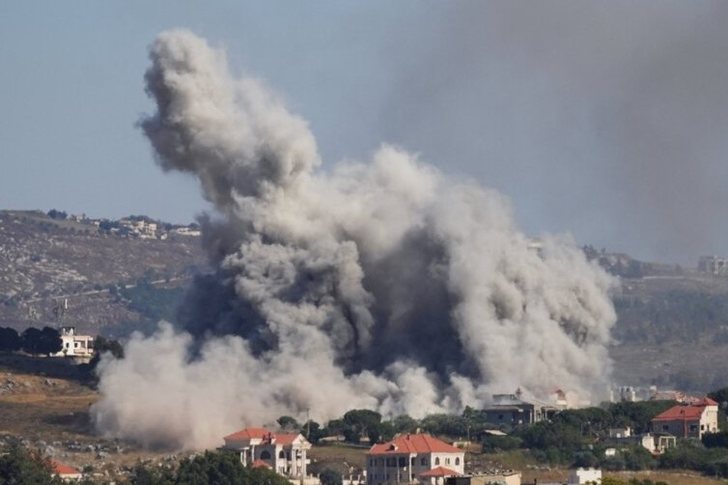
Israel and Hezbollah reached a ceasefire agreement on Frid...
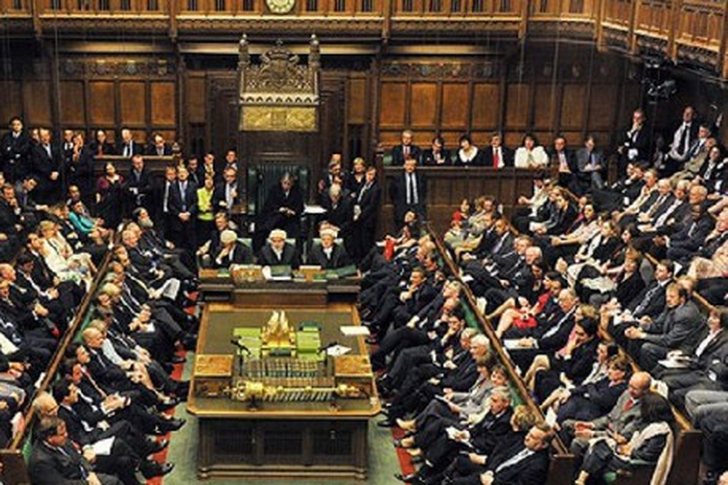
Andy Burnham is no stranger to Labour Party leadership con...

A fire broke out this Friday at an elementary school in ce...

Attorneys for the defendant accused of killing UnitedHealt...

The parents of a boy who fatally shot nine children and a ...
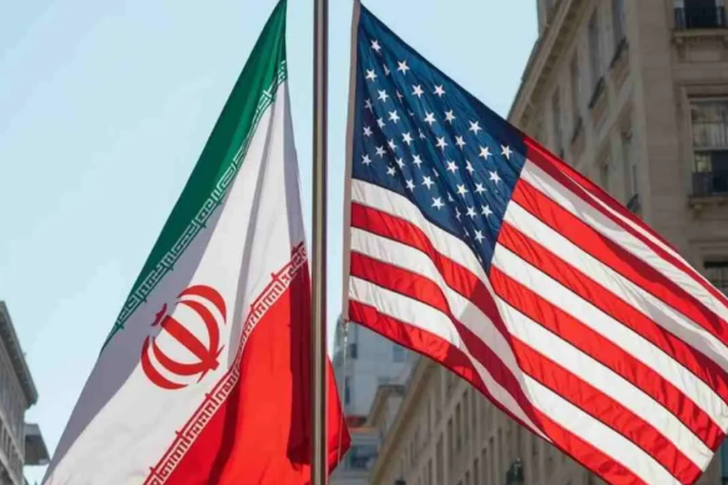
The Swiss Foreign Ministry announced the cancellation of t...

Andy Burnham has won the crucial Makerfield by-election with...
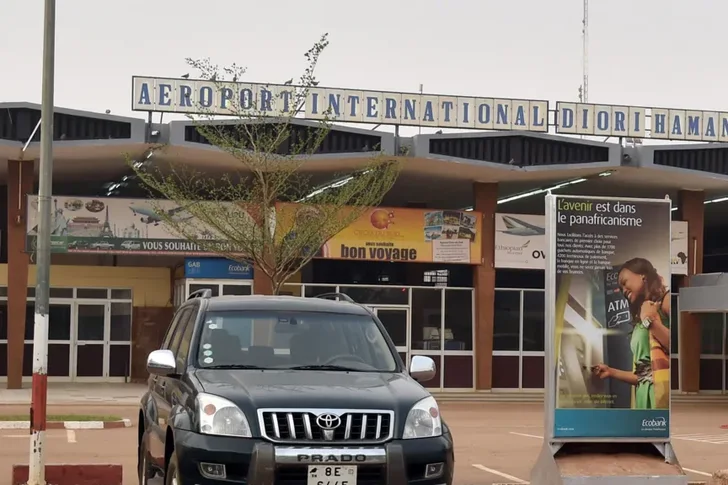
Thirty-five people have been killed after gunmen attacked ...
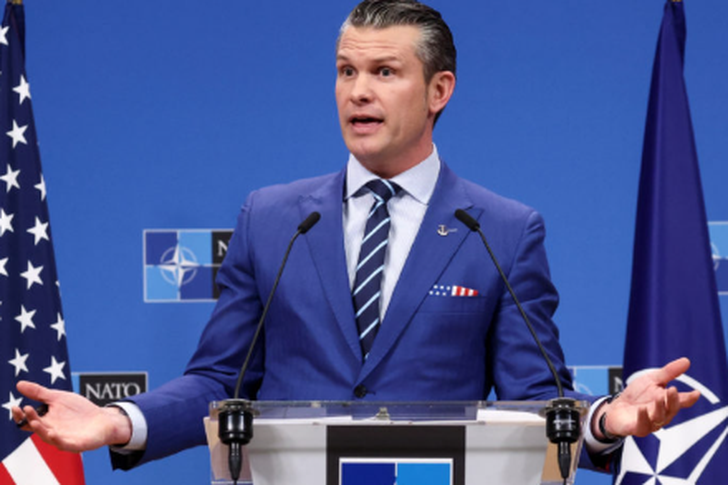
US Secretary of Defense Pete Hegseth was present this Thur...
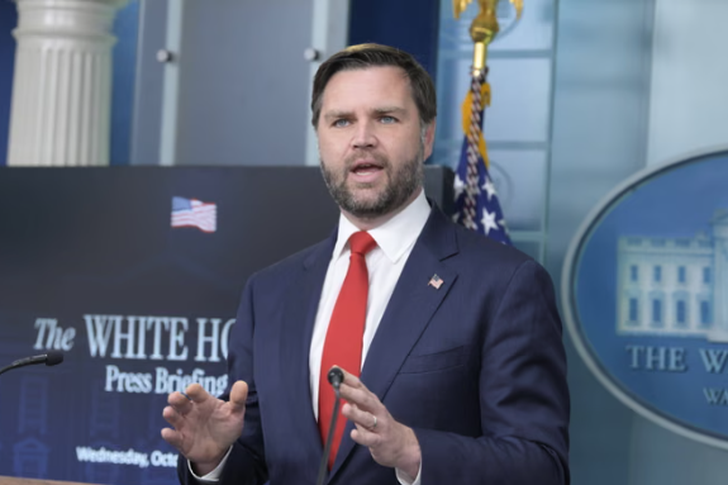
US Vice President JD Vance defended President Donald Trump...
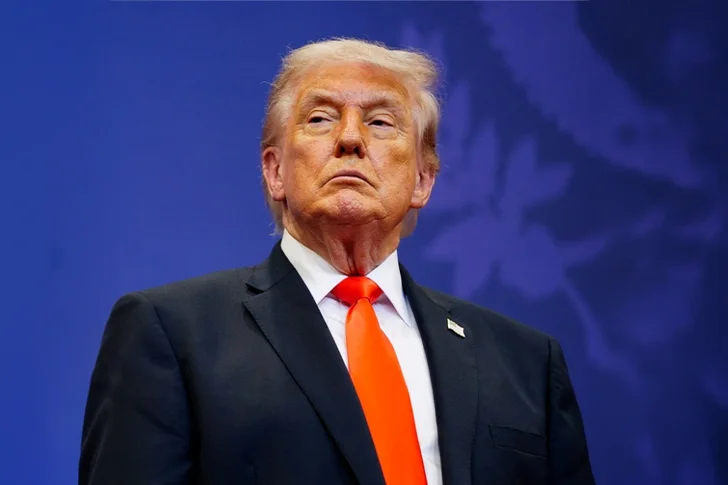
US President Donald Trump has rejected criticism that he h...
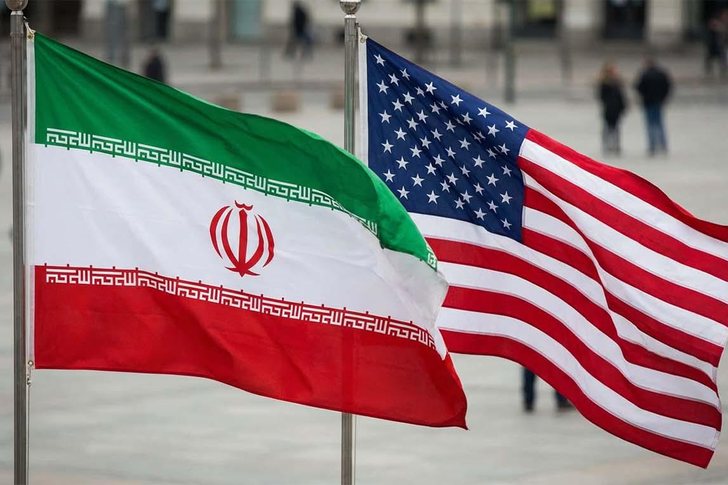
Foreign media have published close-up images of the US-Ira...
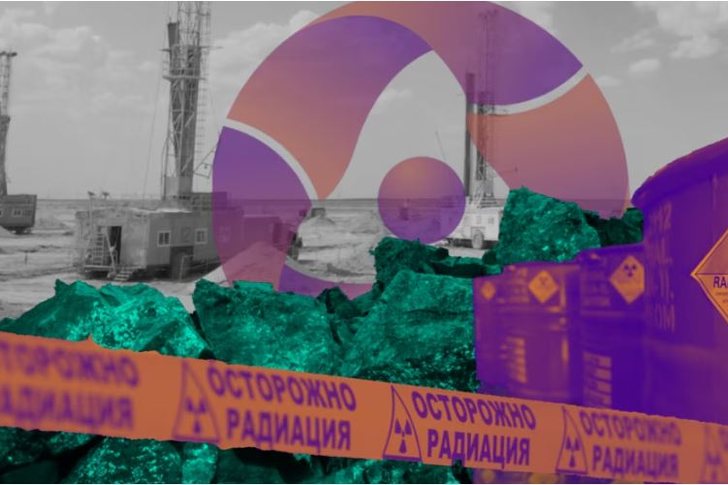
As talks over Iran's nuclear program continue, the fate of...
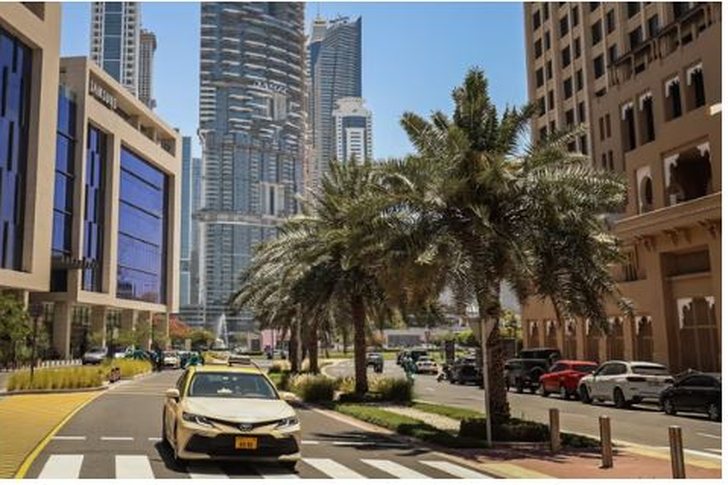
Property sales in Dubai have fallen "off a cliff", a leadi...
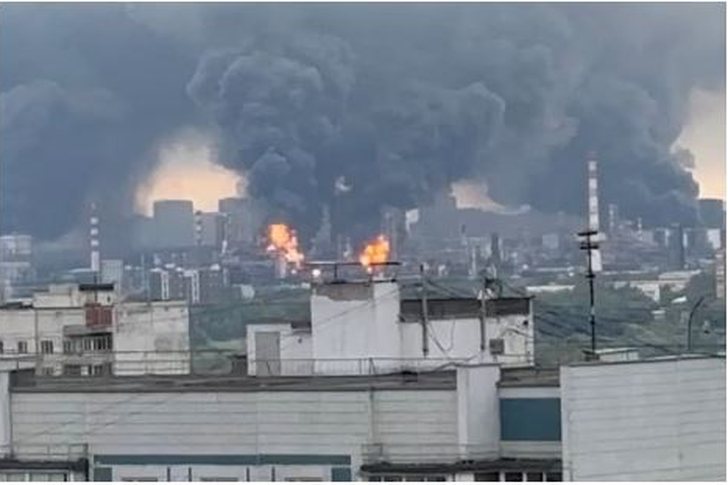
Ukrainian drones struck a Moscow oil refinery for the seco...

Since the summer of 2020, the Mayor of Tirana, Erion Velia...
The leader of the Democratic Party, Sali Berisha, denounce...
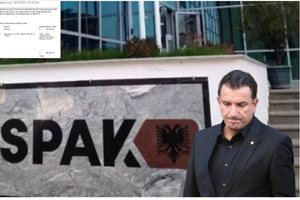
In January 2026, CNA published a series of documents and f...

Erion Isufi is the man known in the media as Lulzim Basha'...

The Special Board of Appeal (KPA) decided this Monday ...

The KPA vetting decided this Thursday to dismiss the p...

Suela Salavaçi, a prosecutor in the Prosecutor's Offic...

The Special Board of Appeal reinstated the prosecutor ...
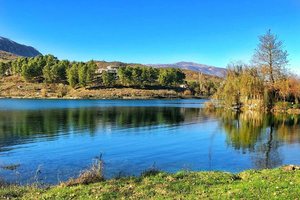
A serious incident is reported to have occurred today in G...
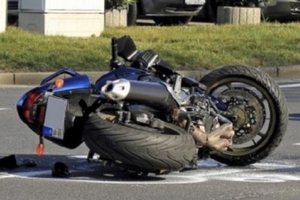
A fatal accident has been recorded on the Fier-Lushnjë hig...

A road accident occurred today on the Lezhë-Milot highway,...
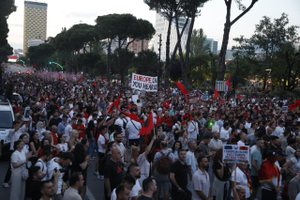
Tirana police have criminally prosecuted 27 people in conn...

Albania is leading a painful demographic process that plac...
On Friday, our country will be affected by stable weather ...
On Thursday, our country will be affected by stable weathe...

On Wednesday, our country will be affected by relatively s...
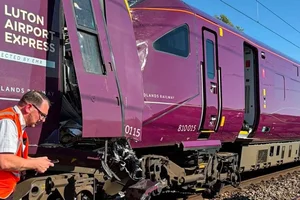
Two high-speed passenger trains collided on Friday afterno...
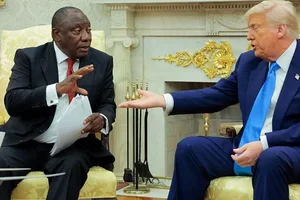
The United States government has announced that it will st...
Meteorologists have warned that a powerful El Nino phenome...
Oil shipments through the Strait of Hormuz increased signi...

The Albanian Embassy in Switzerland has organized an eveni...

This Wednesday, the prominent actor of Albanian cinema, Gj...
Several archaeological excavations conducted during this s...

At the Museum of Fine Arts in Chambéry, France, an exhibit...

Urban development, transport, energy, forestry and agricul...
The Minister of Economy and Innovation, Delina Ibrahimaj, ...

The draft law proposed by the Ministry of Finance for a ne...
It is not only Albanian consumers who pay more than the Eu...