


Problems with the ".al" domain/ Dozens of websites and online services out of order
For more than an hour, Albania faced a widespread problem ...


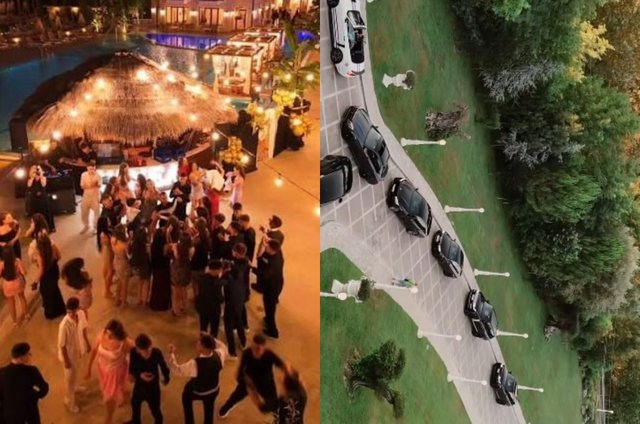
A phenomenon that is increasingly being commented on on social networks are the celebrations of students completing their 9th grade education cycle. More specifically, the so-called mini-graduation parties.
In many cases, mini-graduation parties have lost their symbolic character of the completion of an important school stage and have turned into competitions for the display of luxury or the video that will receive the most views and likes on social networks.
At these parties, students, mostly 15 years old, appear in expensive clothes, have the latest brands and models of phones, and drive luxury vehicles.
Images published on various social networks have shown young people who are not yet old enough to get a license and drive a car, showing up at parties with high-end vehicles, prestigious brand clothing, expensive accessories, while their every outing is accompanied by reactions. For many young people, this style represents the desire to be the center of attention.
However, the phenomenon has also sparked debate. The director of Aeronautics, Alket Islami, has also reacted to this on his social networks. Islami has described the 9th grade parties as "a real drama" and that, according to him, they must be stopped urgently because they are destroying children.
"9th grade parties are a real drama!!!! They must be stopped urgently! If there was no Ferrari, we would be destroyed!!! We are destroying the children!!!", Islam's post reads.
And while the commitment to choosing expensive clothes is great, the commitment to studying is very low, and this is reflected in their grades.
The phenomenon comes at a time when the results of the ninth-grade national exams have sparked discussions about the level of preparation of students. This has led many citizens to question whether young people's attention is being focused more on image and public exposure than on academic achievements.
The debate remains open between those who see this phenomenon as a change in lifestyle and those who demand more care from families, schools and institutions to promote values ??related to education, merit and responsibility, ahead of the image that is built on social networks. /CNA

For more than an hour, Albania faced a widespread problem ...
Policia e Shtetit ka dalë me reagim zyrtar lidhur me arres...
The Special Prosecution Office has issued an official resp...
The Russian Embassy in Tirana has issued a reaction regard...

Këtë të premte është shtyrë gjyqi në Gjykatën Administrati...
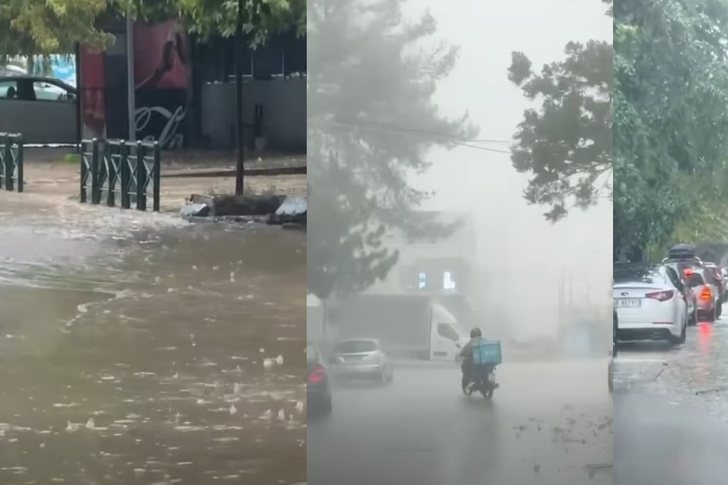
Bad weather has engulfed the Elbasan region this afternoon...
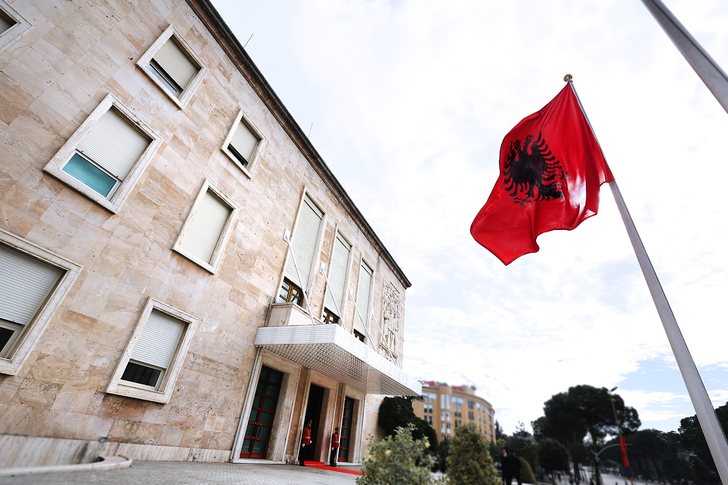
US Congressman Joe Wilson has proposed an amendment for th...
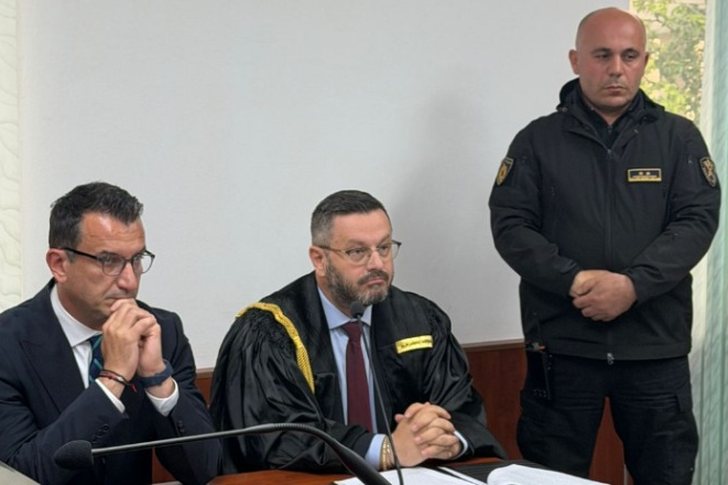
The arrested mayor of Tirana, Erion Veliaj, and his lawyer...
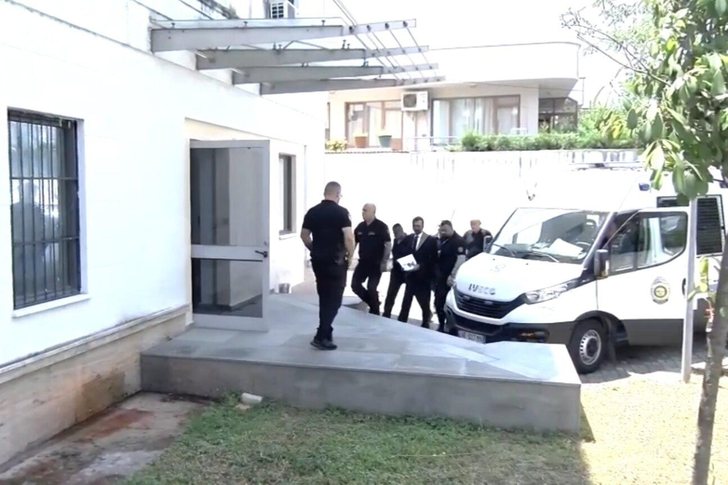
The arrested mayor of Tirana, Erion Veliaj, continues to s...
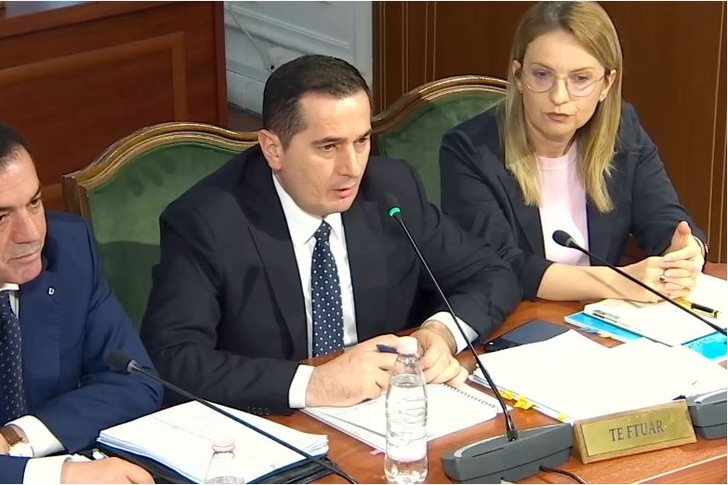
Kreu i SPAK, Klodjan Braho ka raportuar ditën e sotme për ...
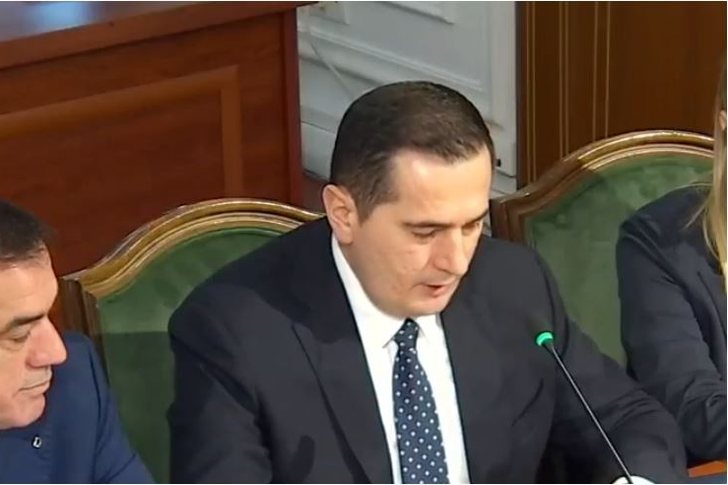
Kreu i SPAK, Klodjan Braho në raportiimn e veprimtarisë vj...
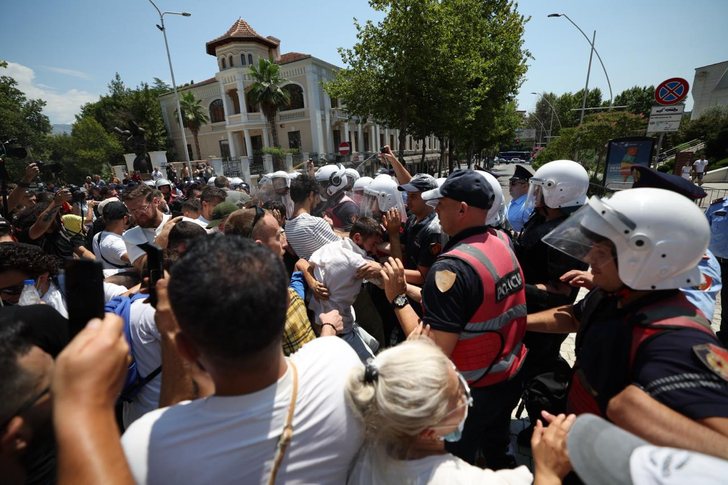
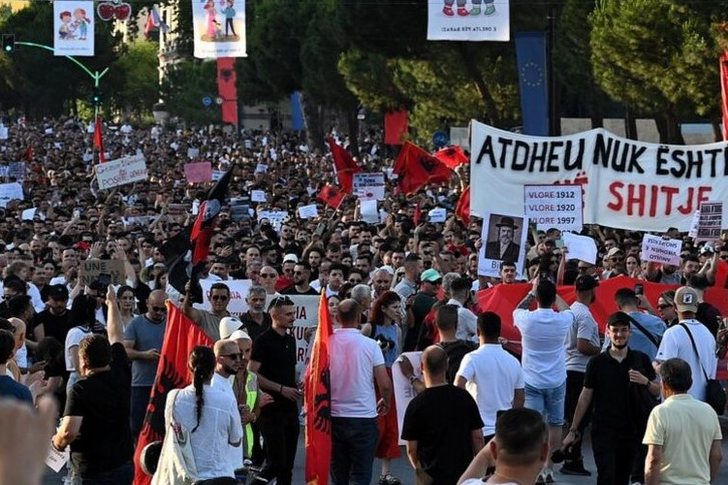
Thursday's protest was marked by tensions between proteste...
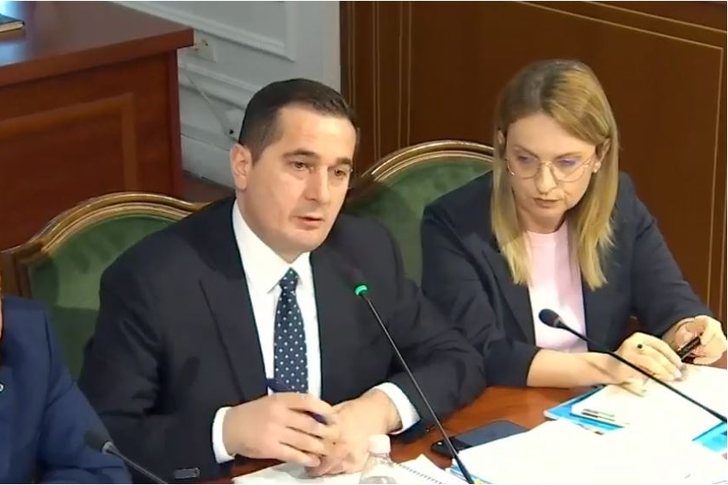
The head of SPAK, Klodjan Braho, in his report on the acti...
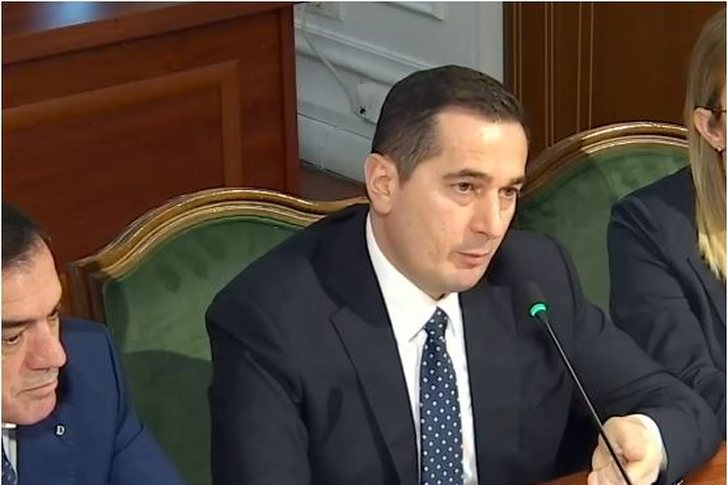
The head of SPAK, Klodjan Braho, in his report on the annu...
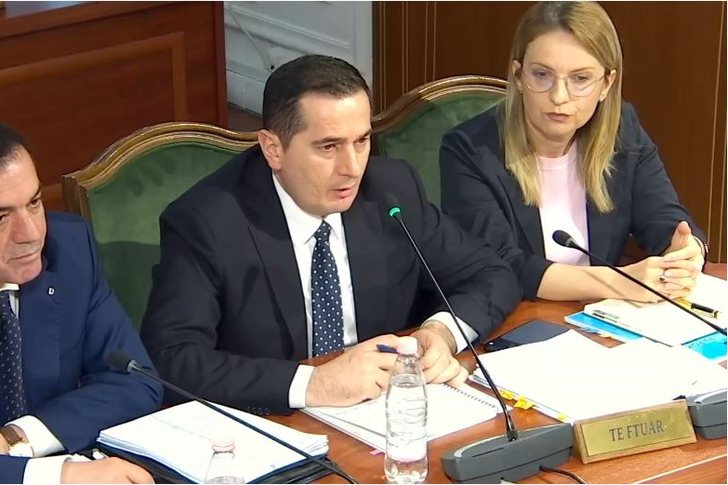
Present at the Laws Committee, where he reported on the an...
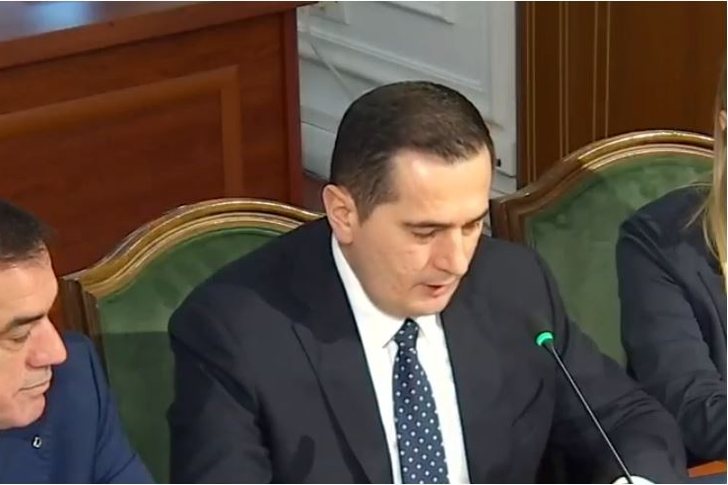
In his report to the Laws Committee on the activities of 2...
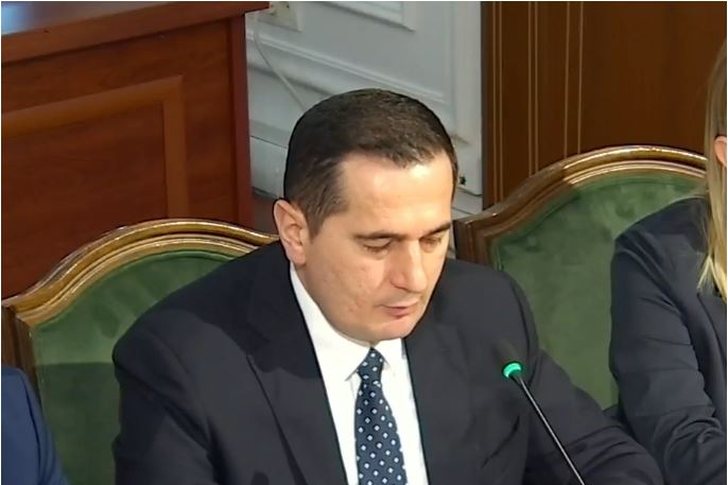
The head of SPAK, Klodjan Braho, in his report to the Laws...
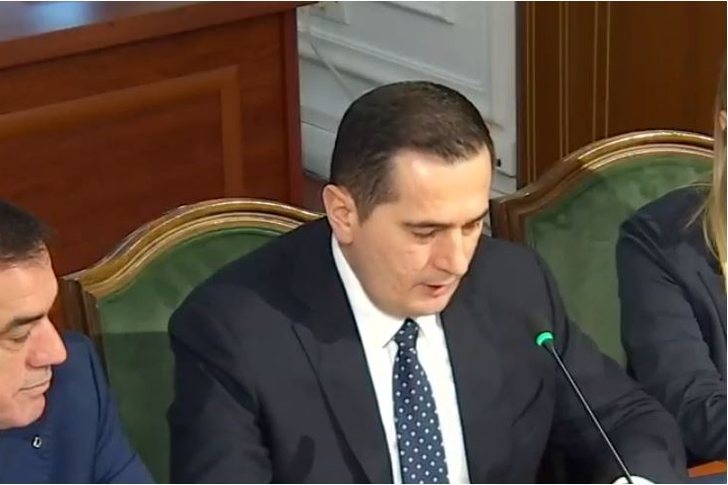
Drejtuesi i SPAK, Klodjan Braho ka raportuar në Komisionin...
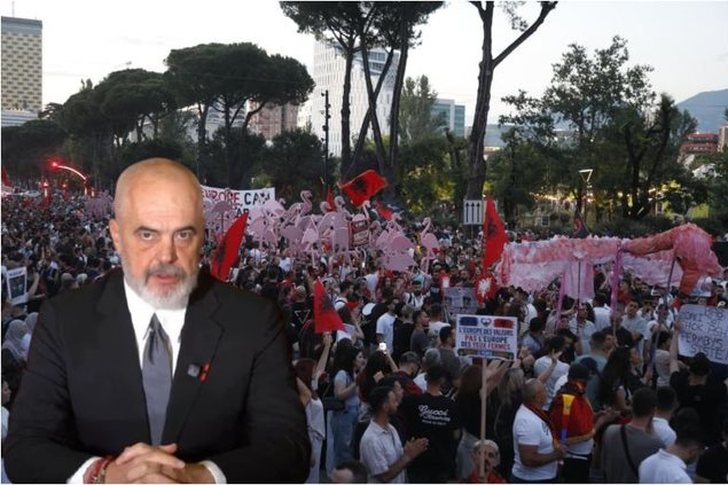
Activist and one of the organizers of the protest, Andi Te...
Minister of Tourism and Culture, Blendi Gonxhja, said in a...
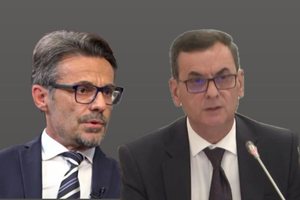
The Justice Reform and the vetting process were trumpeted ...
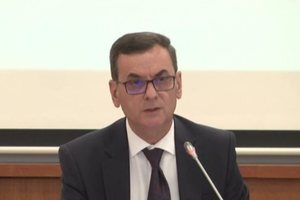
After revealing the property portfolio in Tirana, Kavaja, ...
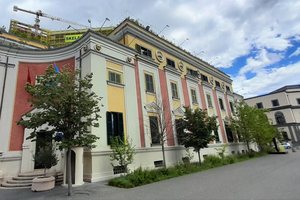
Four months ago, on March 11, CNA sent an official letter ...
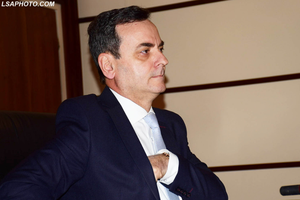
Sokol Sadushi, the president of the Supreme Court, is the ...

The Special Board of Appeal (KPA) decided this Monday ...

The KPA vetting decided this Thursday to dismiss the p...

Suela Salavaçi, a prosecutor in the Prosecutor's Offic...

The Special Board of Appeal reinstated the prosecutor ...
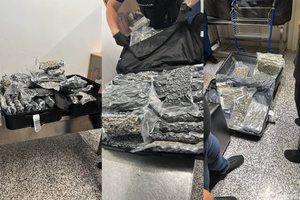
A large quantity of narcotics was seized hidden in 2 suitc...
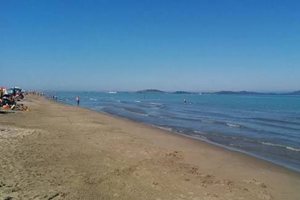
A serious incident occurred today on Portonova beach in Zv...
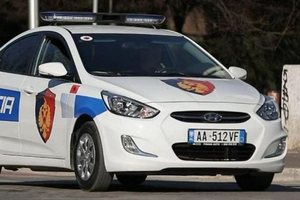
Citizen GP, who was wanted for fraud with the "Call Cent...
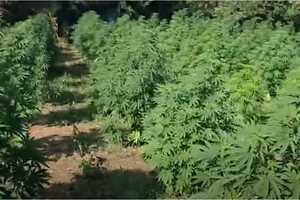
Fier police have cracked down on a case of narcotic plant cu...
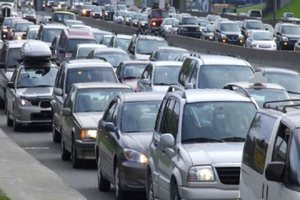
Heavy traffic is turning movement in Tirana into an exhaus...
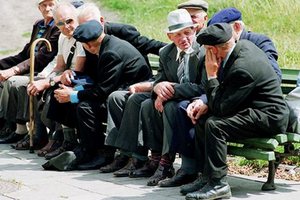
While Albania has one of the lowest retirement rates in Eu...

Employment in the public sector expanded further in 2025, ...

On Friday, our country will be affected by relatively unst...

Electric car company Tesla has posted an impressive perfor...
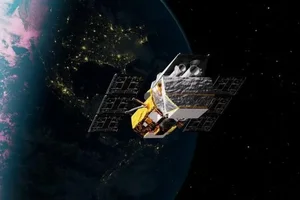
In an unprecedented effort in the history of space explora...
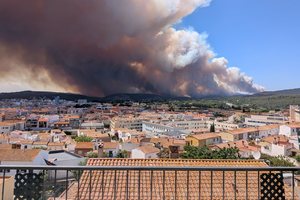
A huge fire broke out today near the tourist destination C...
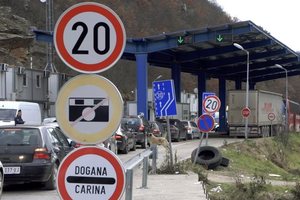
Serbia's Ministry of Internal Affairs said it has arrested...

Professor and literature scholar Ali Xhiku has passed away...
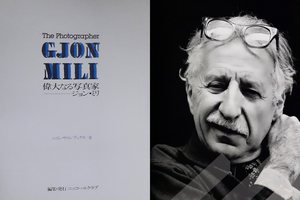
During my research into the life and artistic photographic...
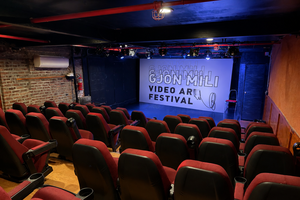
This year's edition of the Gjon Mili International Video A...

The promotion of the book by author Aleksandër Ikonomidhi ...
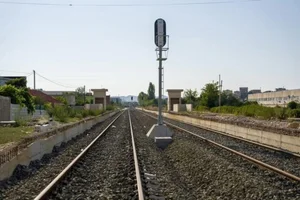
The loan agreement for the electrification of the Tirana-D...

This Friday, one US dollar is bought for 81.2 lek and sold...
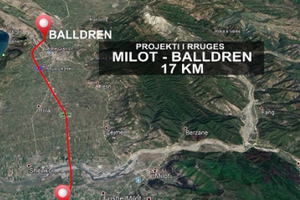
Whenever a new infrastructure project is announced, the fi...
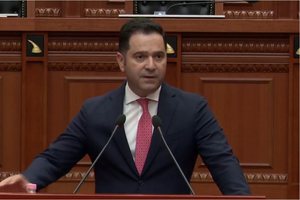
Minister of Finance, Petrit Malaj, spoke in today's plenar...