


Vrasja në Kamëz, autori në kërkim/ Policia apel qytetarëve: Qarkullon i armatosur, tregoni kujdes
Policia e Tiranës ka ndarë pak minuta më parë një thirrje ...

Policia e Tiranës ka ndarë pak minuta më parë një thirrje ...

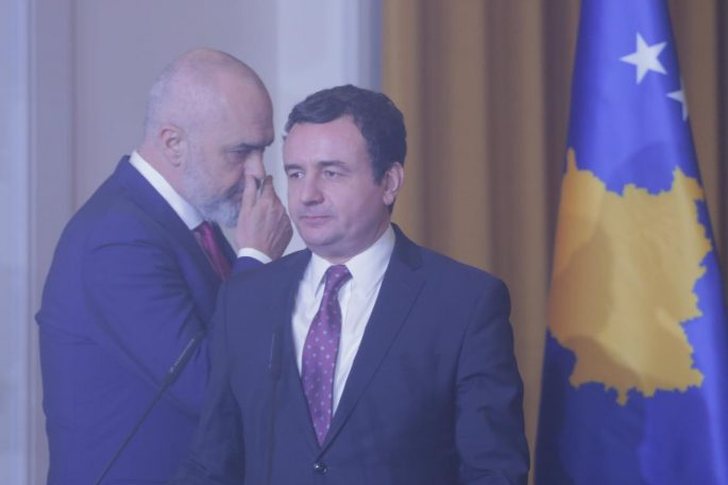
The recent crisis in Kosovo and the role that Edi Rama is trying to assign to himself in its solution are increasingly highlighting the gap between the core and the surface of the Albanian prime minister. He may be capable of making headlines, but so far he has not registered any results in the global arena where he is aiming to play.
If in Tirana the propaganda directed by his spin doctors presents the Albanian prime minister as a heavy weight figure on the international stage, the planned events, with him as the protagonist, are archived one after the other. Edi Rama, the negotiator of the crisis in Belarus, the man who would reconcile Turkey and Greece on the dispute over the islands in the Aegean, the leader who would achieve the centuries-old Albanian-Serbian reconciliation like the Germans and the French after the Second World War, the leader who envies Europe and dreams of NATO , the politician who released the policemen imprisoned in Serbia and who has now offered the genius idea of ??locking Kurti and Vu?i? in a room from which they will not come out without reaching an agreement.
Precisely the conception of foreign policy as a big brother, as a showbiz show, without content, without weight and without the necessary knowledge to handle delicate topics, has reduced Edi Rama's attempts to mere news for his enthusiasts in Tirana. As for the main actors, they have not managed to leave any trace.
In the case of the proposal for the "locking" of Kurti and Vucic, which was followed with a smile by the real negotiators of the crisis in Kosovo, it is clear that Rama's tendency to make a pop-news and the lack of serious knowledge about what happened and happens between those two places. The causes of the crisis are not simply related to the will of the two leaders or their strategy to gain points in domestic opinion. The crisis stems from Serbia's ignorance of a new political and state reality that is Kosovo and, in a quarter of a century, even other leaders of these two countries have not managed to find a compromise, despite the efforts of the US and the EU. To say that this will be resolved by looking to the future and sitting at the negotiating table is like saying nothing.
Edi Rama also proposed a text for the association of municipalities with a Serbian majority, which the two countries involved in the crisis did not even consider. Because they are not in conflict because they cannot find experts to draft a draft, but because they do not agree on what this draft should look like. Even this move was a three-day news for Rama's paid enthusiasts and remained so.
Then he continued with threats that he would freeze the Open Balkans and relations with Serbia, but even this was not taken seriously by Belgrade, which hesitated to make even a reaction. Later, the scenario was elaborated that Edi Rama was behind the release of the three policemen, but Vucic never mentioned any of his roles and Prime Minister Orban came out publicly as the man who influenced the Serbian president. Now it is the turn of the idea of ??the international conference with the lock as in Kurti and Vu?i?'s big brother. In addition to the same headlines in the controlled media of Tirana, this proposal is also popular.
Edi Rama's initiatives do not and cannot succeed as long as they are woven under the seductive influence of protagonism and with the laziness that gives you the ease of caressing things only on the surface. Taking on such challenges is not like attracting attention by wearing sneakers at an international summit or following the prime minister of Italy. They require a lot of work and serious commitment. To know the situation, to communicate deeply with the parties, to be able to do diplomacy even outside the cameras (something that Edi Rama does not even think about), to ask for support without personal interest from world leaders and political lobbies, to endure acting even in the shadows resisting the temptation of the stage with lights. To sacrifice personal ego to achieve something greater.
Edi Rama does not know this kind of politics. Not simply from the mania for protagonism, but also from the inability or laziness to get to the bottom of things. Accustomed to the success of form and propaganda in Albania, he finds it terribly difficult to get a real job and even worse if the spotlight does not fall on him. And if in this way he managed to survive in our political village, when he tries to extend it beyond, the gap between the form and the essence makes him irrelevant. Only the titles of the media that he himself controls remain in the registry.
It is enough to line up his statements in foreign media or at international summits, to understand why none of the relevant factors take him seriously. At the beginning of June, for example, he told the BBC that "there is a worrying situation in the north of Kosovo, but I wouldn't put too much emphasis on the danger". After three weeks in Brussels, he declared that "the prospect of a small Donbass in the middle of Europe is a real danger". So when you think that you can be accepted as a negotiator by the parties, the risk is insignificant, when you seek to impose yourself as such, warns a Ukrainian scenario.
This and many other deviations are causing the Albanian prime minister to be drawn more and more as the leader of a small country that seeks a protagonist role but remains in showbiz. He may look fun to the internationals, but the global leader remains only to the cowards.

Ajo qëndroi njësoj sa të gjithë ambasadorët e tjerë, po që...
The Greek election marathon ended last Sunday with a c...
"I want to thank from the bottom of my heart tho...
Although delayed, of course and without any doubt, the rel...
Edi Rama's request for an international conference on Koso...

In every corner of Greece, if you go on vacation, you will...
The revolting question "WHY?" there is no easy answer when...
Albin Kurti has not had a quiet day in government since he...
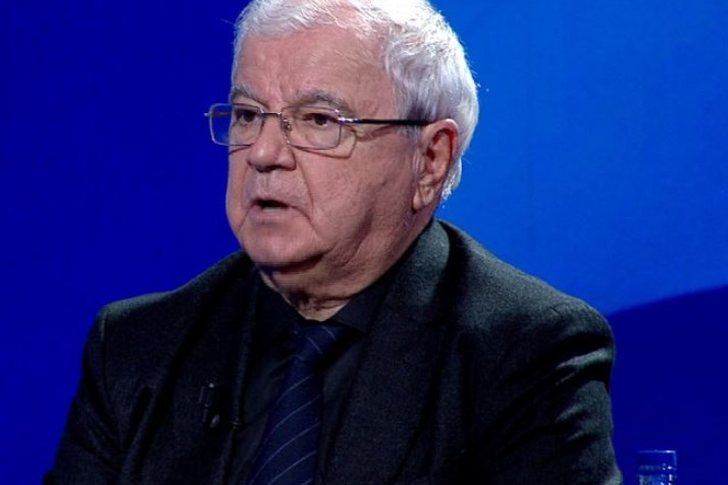
Albanians have been the most attacked and massacred pe...
Due to the high duties and functions that I have exercised...
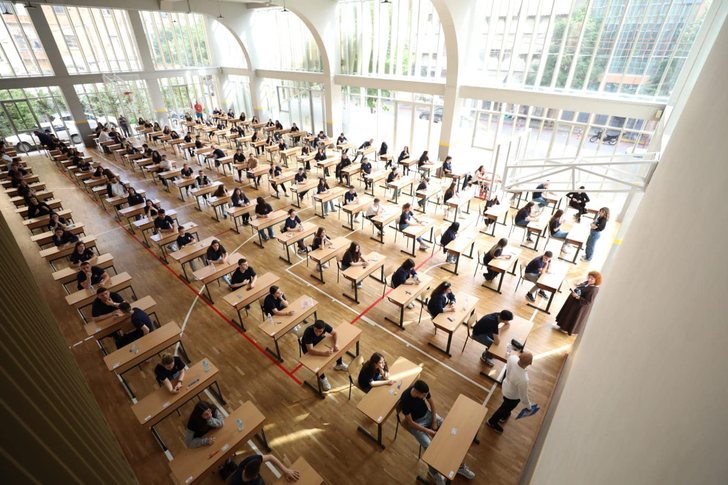
The state matura, instead of being a challenge for young p...
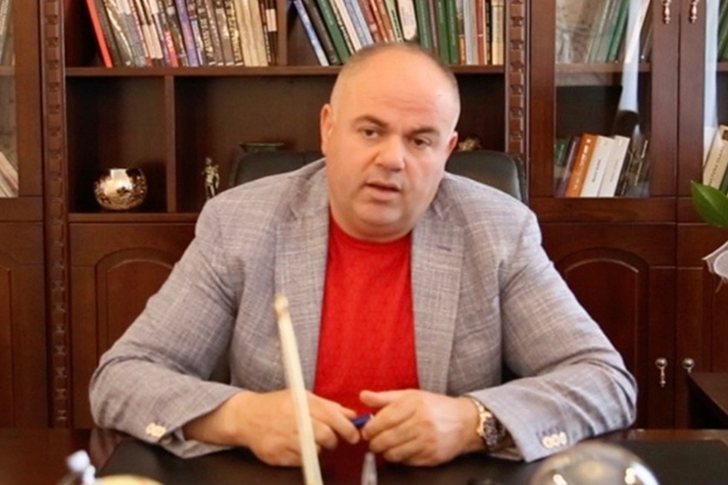
The moment the images of Safet Gjic's stallion arrived on ...
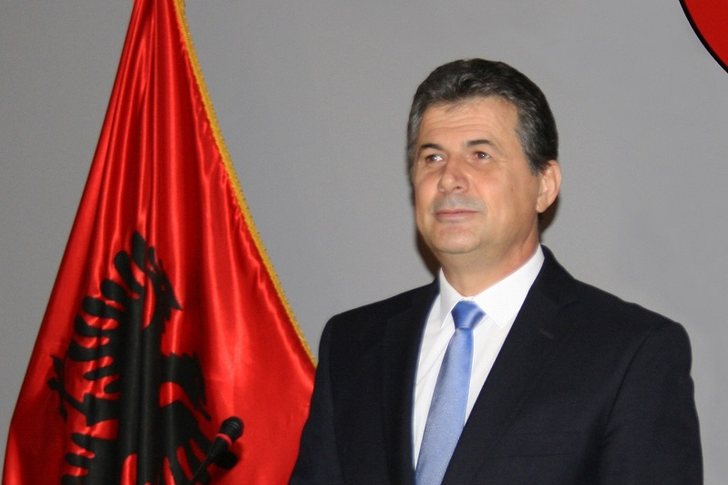
Albanians are not a nation that is afraid of others, o...
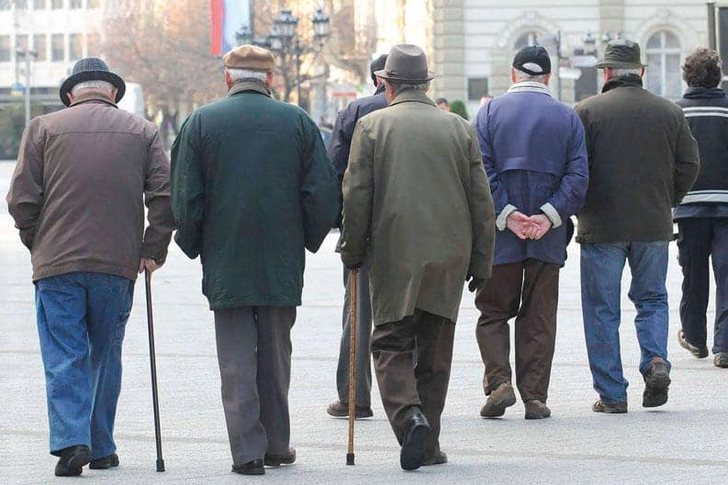
The country towards bankruptcy! Pensioners in charge of em...
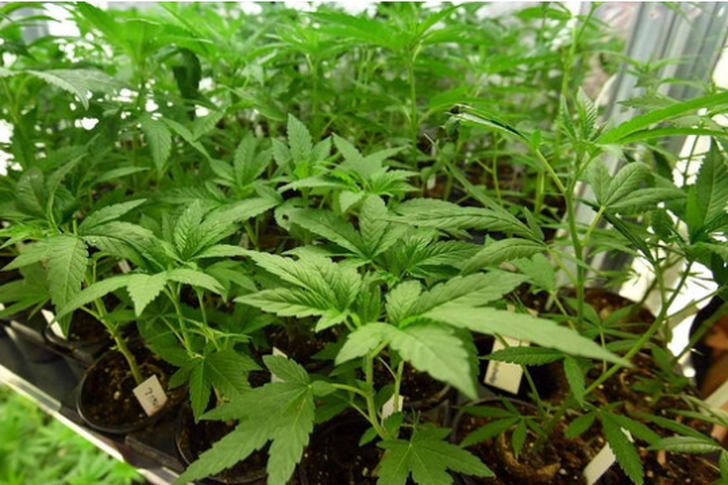
Ështe në fakt një nga temat më të mprehta që duhet trajtua...
I had just started high school. I went to school with Naqe...

President Bill Clinton had oral sex with a 22-year-old int...
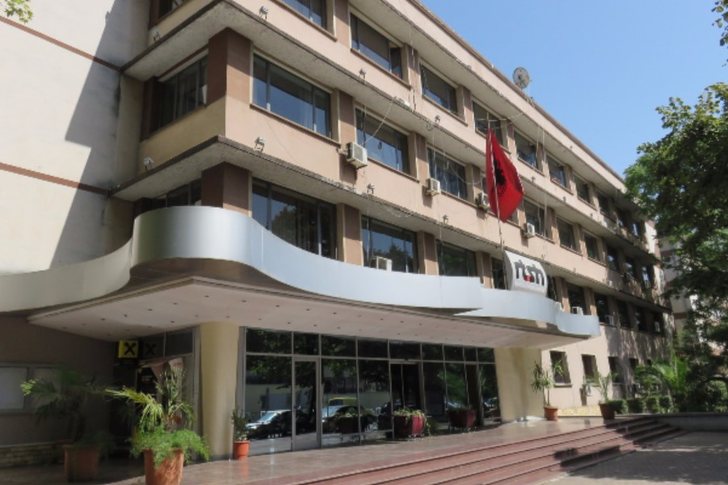
The servitude to politics once again deprived the tax-payi...
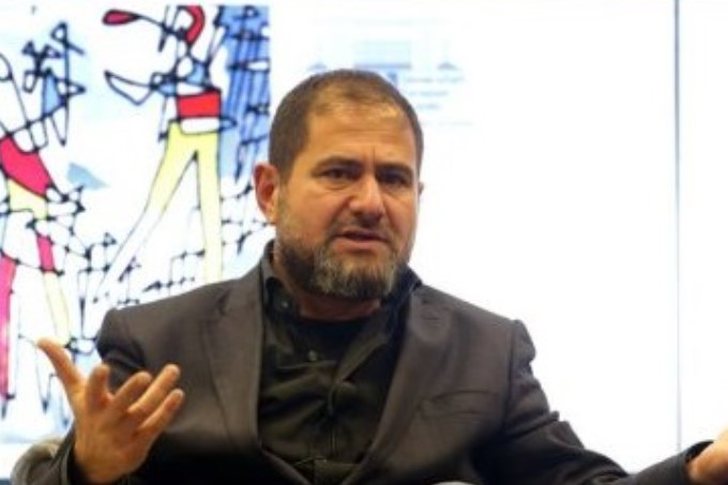
The resignation of Safet Gjic as the mayor of Kukës, after...
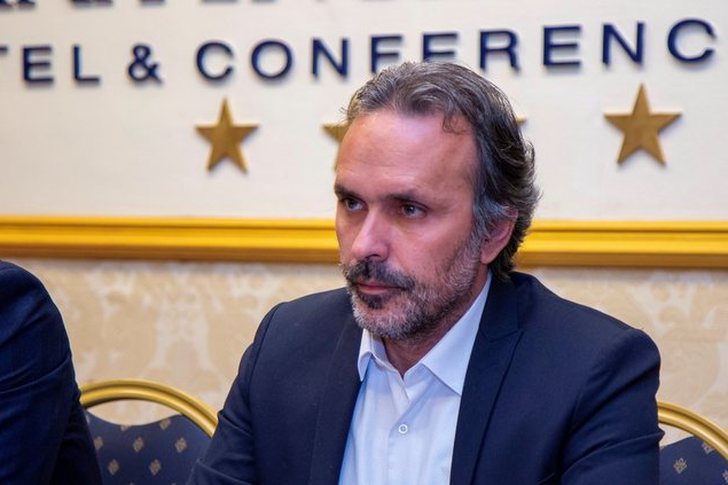
Gjic's video scandal is not erotic. Eros is something ...
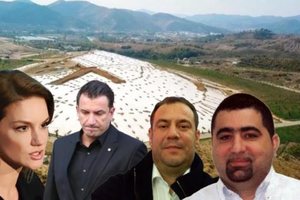
The in-depth investigations that SPAK conducted into Ajola...
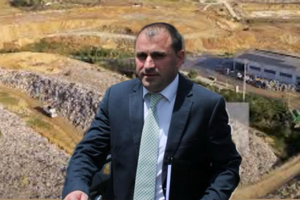
SPAK's standards, the way it investigates, how it secures ...
Irfan Hysenbelliu claims to be a big businessman, an hones...
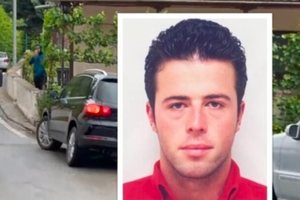
The murder of officer Enea Mekolli in the line of duty has...

The Special Board of Appeal (KPA) decided this Monday ...

The KPA vetting decided this Thursday to dismiss the p...

Suela Salavaçi, a prosecutor in the Prosecutor's Offic...

The Special Board of Appeal reinstated the prosecutor ...
Policia e Tiranës ka ndarë pak minuta më parë një thirrje ...
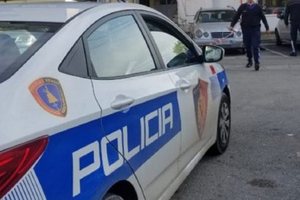
A violent conflict occurred between two people in Velipoja...
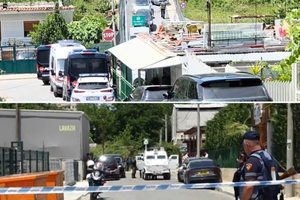
The police have reacted to the murder of citizen AB in Kam...
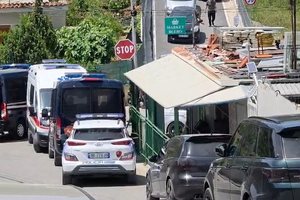
Tirana Police Director, Oliger Torba, gave a statement to ...
On Monday, our country will be affected by relatively stab...

More than 860 million people fall ill and 1.5 million die ...
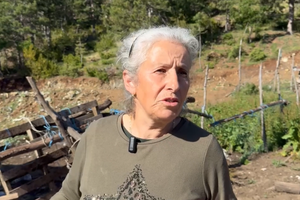
The mother of Violand Braçellari, the perpetrator of the s...
The modern European traveler seeks a meaningful connection...
The European Union's (EU) foreign policy chief says member...
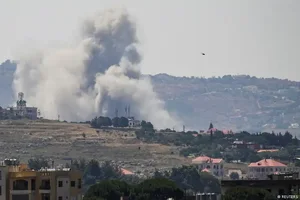
Lebanese Prime Minister Nawaf Salam has claimed that Israe...
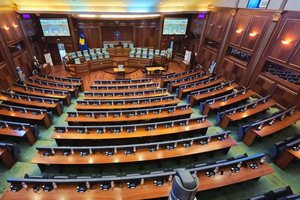
The leader of the Serbian List, Zlatan Elek, accused the l...

Australia in December became the first country in the worl...
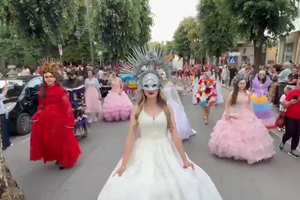
Korça has transformed this weekend into the capital of cel...
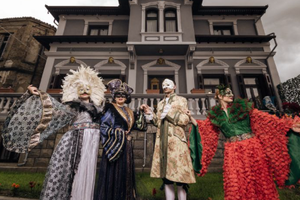
Korça is ready to open the summer season with one of the c...
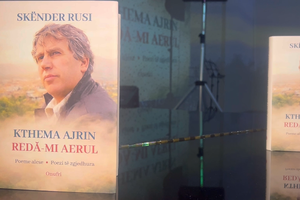
Two years after his passing, the renowned Korçë poet Skënd...
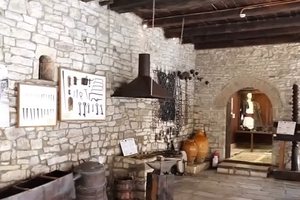
The Ethnographic Museum of Berat has opened its doors to v...
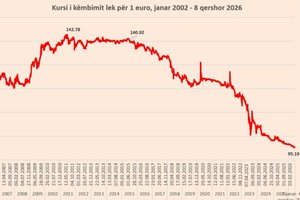
Kursi i këmbimit mes euros dhe lekut e ka nisur javën në r...
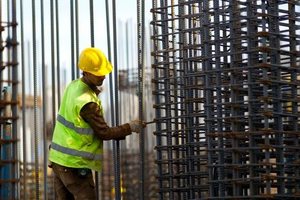
The construction sector is going through a challenging per...
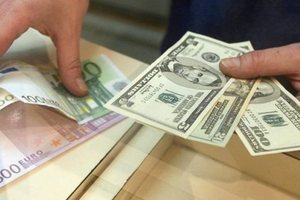
This Monday, one US dollar is bought for 81.8 lek and sold...
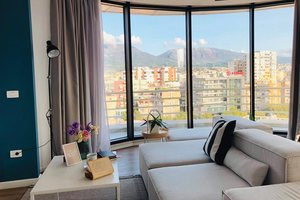
The tourist apartment market is continuing to expand at a ...