


After the match, protesters move to the DP headquarters: Opposition sold out
After the match, the protesters moved in front of the DP h...

After the match, the protesters moved in front of the DP h...

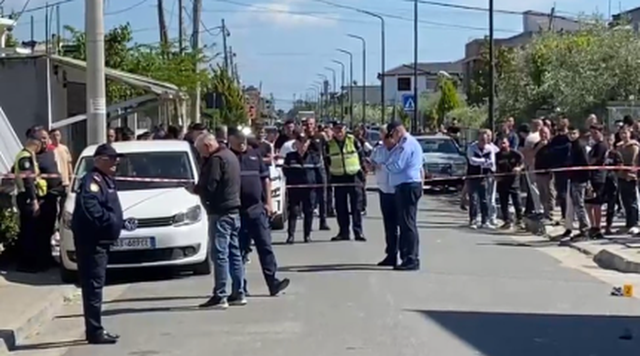
Sunday, May 3, 2026 will remain a sad day in the chronicle of the pain of the city of Durrës, an event that shocked the country and brought back to attention a recurring problem of life safety.
According to the official announcement of the State Police, in an urban area of ??Durrës, a vehicle driven by a drunk citizen at high speed lost control and hit three children who were on the sidewalk. As a result, Eneo Muça, 12 years old, and Klersi Nikolli, 10 years old, lost their lives, while a third child is in serious condition in hospital.
The driver of the vehicle, Nikoll Radaçi, has been identified and detained by the police, while investigations continue to fully clarify the circumstances of the incident.
In parallel, the authorities have taken immediate administrative measures, including dismissals in local police structures, as a reaction to the management of the situation and institutional responsibilities.
The President of the Republic and the Prime Minister have described the event as a grave tragedy and have demanded a full investigation and accountability at all levels. Meanwhile, the Assembly, which also includes a committee called "Friends of Children", after holding a minute of silence, discussed the grave event!
But, beyond official statements, condolences, and immediate institutional reactions, this event reveals a series of problems that go beyond the event and the child killer.
Because this isn't just a road accident.
This is proof or evidence of a chain of failures that starts much earlier than the event that occurred on Sunday in Durrës.
Because such tragedies do not happen by chance. They are not a sudden twist of fate, but the result of a long process that combines individual behavior, a lack of institutional prevention, weaknesses in the justice system, and a general culture of tolerance for violations.
THE FIRST FAILURE is the individual one: the decision to drive while intoxicated, in conditions where consciousness and the ability to control the vehicle are completely compromised. At this point we are no longer dealing with a simple violation of traffic rules, but with an active decision to endanger the lives of others. Alcohol at the wheel is not a momentary mistake; it is an act that transforms the driver from a road user into a potential killer for every pedestrian, every child, every family in public space. And in this case, the consequence is tragic.
But this is just the beginning of the chain.
DËSHTIMI I DYTË është ai institucional, që lidhet me mënyrën se si identifikohen, trajtohen dhe mbahen nën kontroll individët me sjellje të përsëritura të rrezikshme në rrugë. Në çdo sistem funksional të sigurisë rrugore, ekziston parimi i parandalimit të përsëritjes së rrezikut. Kjo do të thotë se individët që kanë shfaqur më parë sjellje problematike nuk trajtohen si përdorues të zakonshëm të rrugës, por si subjekte që kërkojnë monitorim të shtuar, masa kufizuese ose, në raste të caktuara, heqje të përkohshme apo të zgjatur të të drejtës për të drejtuar mjetin.
Kur ky mekanizëm nuk funksionon, krijohet një boshllëk i rrezikshëm: individë që janë identifikuar si problematikë vazhdojnë të qarkullojnë lirshëm, pa një sistem efektiv paralajmërimi, kontrolli apo ndërhyrjeje të hershme. Në këtë pikë, institucioni nuk reagon në fazën e rrezikut, por vetëm në fazën e pasojës. Dhe kjo e zhvendos gjithë sistemin nga parandalimi te reagimi pas tragjedisë.
DËSHTIMI I TRETË është ai i sistemit të drejtësisë, ku shkeljet e rënda rrugore, sidomos ato që përfundojnë me humbje jete, shpesh trajtohen në mënyrë të fragmentuar, si incidente të veçuara dhe jo si sjellje me rrezik të lartë shoqëror.
Problemi nuk qëndron vetëm te masa e dënimit, por te mungesa e efektit të tij parandalues dhe transformues. Në teori, dënimi duhet të shërbejë jo vetëm si ndëshkim, por edhe si mekanizëm që e largon për një periudhë të gjatë ose përfundimtare rrezikun nga rruga.
Në praktikë, për shkak të lehtësive procedurale, uljeve të dënimit apo mungesës së një qasjeje të unifikuar ndaj rasteve të përsëritura, krijohet një perceptim dhe shpesh edhe një realitet ku pasoja e veprës nuk përkthehet gjithmonë në ndalim real dhe të qëndrueshëm të rrezikut. Kjo do të thotë se sistemi nuk arrin ta mbyllë ciklin: nga shkelja, te ndëshkimi, dhe më pas te parandalimi i përsëritjes.
Dhe kur këto tre nivele dështimi bashkohen, rezultati është gjithmonë i njëjtë: rreziku mbetet në qarkullim, vetëm deri në momentin kur shndërrohet në tragjedi.
Në vitet e fundit, Shqipëria ka parë një seri aksidentesh të rënda që kanë tronditur opinionin publik.
Një familje e tërë humbi jetën në aksidentin e Fier–Vlorës nga shpejtësia ekstreme. Pesë persona humbën jetën në Qafë-Muzinë. Tetë jetë u shuan në Këlcyrë në një tjetër ngjarje tragjike.
Ngjarje të ndryshme, në vende të ndryshme, por me një model të njëjtë: shkelje ekstreme të rregullave, pasoja fatale dhe një sistem që reagon gjithmonë pasi ngjarja ka ndodhur.
Sepse edhe këtë herë, reagimi ka qenë i menjëhershëm: deklarata, ngushëllime, masa administrative dhe shkarkime në strukturat përgjegjëse. Por ky reagim zakonisht zgjat pak ditë. Më pas, vëmendja zhvendoset, debati zbehet dhe sistemi kthehet në rutinën e tij.
Nuk ka transparencë të vazhdueshme. Nuk ka ndjekje afatgjatë të përgjegjësive. Nuk ka raportim të qartë mbi efektet reale të masave të marra.
Dhe cikli përsëritet: tragjedi, reagim, heshtje, dhe një tjetër tragjedi.
At this point, the question often heard in public opinion arises: what did the police do?
It is a legitimate question, but not enough to explain the whole problem. The police have their role and their responsibilities. They must prevent, control and intervene. But they cannot be the only link in a complex system.
Because road safety is not just a police issue. It is a system where law, justice, infrastructure and social culture are intertwined.
And when we see what happens after police intervention, the problem becomes even deeper.
In many cases, perpetrators of serious accidents receive reduced sentences, are released early and, after a period of time, can get back behind the wheel. There is no permanent driving ban for those who have caused a death on the road. This means that the risk is not eliminated, but only postponed in time.
And when it returns, the consequences can be fatal again.
In the end, this story is not just about institutions. It is also about society. Because a society that tolerates violations, that turns a blind eye to danger, and that only reacts after tragedy strikes, is a society that reproduces this cycle itself.
Two children lost their lives on a sidewalk, in a space that was supposed to be untouchable.
But there is another dimension, often overlooked, that of urban spaces and the way they are administered.
Because the question is simple: where should the children be?
In any organized society, children should have dedicated play spaces, parks, playgrounds, and safe areas away from traffic. But our reality in many cities is different. Dedicated spaces are few, often dilapidated, or located next to busy roads.
In the absence of these spaces, children end up playing on sidewalks, near roads where traffic is daily and often uncontrolled. And at this point, the danger comes not only from the irresponsible driver, but also from the lack of a safe alternative.
When the state does not create safe spaces for children, it indirectly exposes them to danger.
And this is not a new story.
What happened in Durrës on Sunday, May 3, is not just a serious event.
It's an alarm.
An alarm for a system that reacts but does not prevent. For institutions that act after the fact. And for a society that often only remembers when it is too late.
If we want such events to not happen again, it is not enough to just change the reaction.
We need to change the way we understand responsibility.
Because in the end, it wasn't just the driver who failed, who ended up a murderer due to his own irresponsibility.
It wasn't just the institutions that failed.
We all failed.
And the heaviest price is paid by those who were not at fault: the children.


April 2026 brought news that seemed like a step towards de...

May 3 is World Press Freedom Day, the European Union's dec...

After 13 years in power, the government has also run out o...

In a month, the DP membership will vote to elect its chair...

Weekend status, 2.05.2026 The May 23, 2026 Democratic Par...

From 2025, Kosovo is heading to three elections, an excess...

In a race where there is only one candidate, coming in sec...

Last night, at 9:00 PM, I had a long conversation in t...

While the propaganda for the uncompromising fight against ...

There's no need to invent fake candidacies out of thin air...

Falenderuesi i atëhershëm i Ramiz Alisë është çimentuesi i...

"Shut up. Don't object! We invested in you, not you in the p...

I came across a post from the Municipality of Kukes this w...

There is a tendency in recent days to see the "glass cage"...

The news that a kilogram of cherries in Tirana went on the...

At the height of World War II, Prime Minister Mustafa Merl...

Two words cannot coexist in the same sentence without clas...
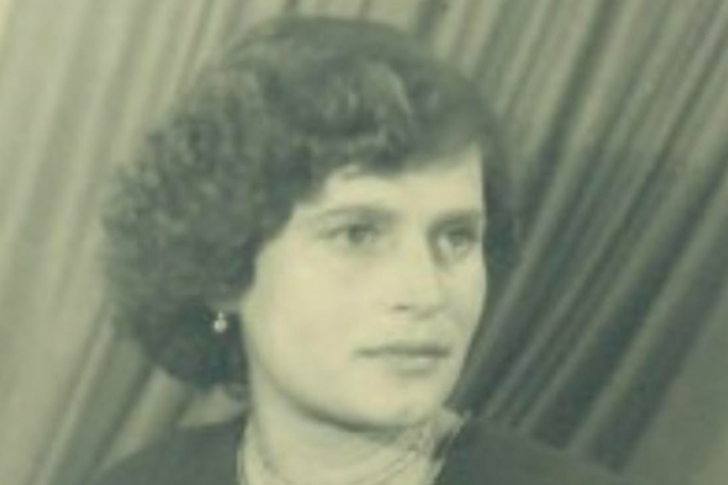
These days, an iconic woman of the anti-communist resistan...
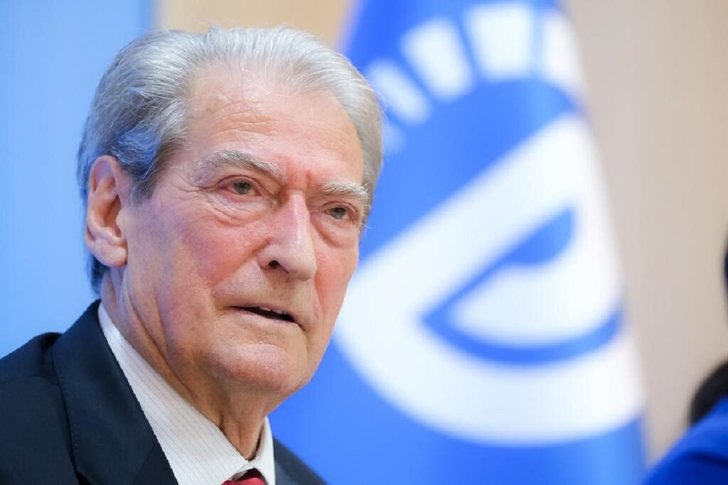
In a normal country, failure produces reflection. In Alban...

Odysseus searched for years to return to Ithaca. But perha...
The case addressed this Wednesday, June 3, on the show "St...
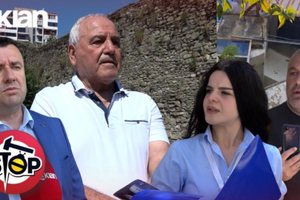
The show "Stop" broadcast this Wednesday, June 3, the case...

Irfan Hysenbelliu claims to be a big businessman, an hones...
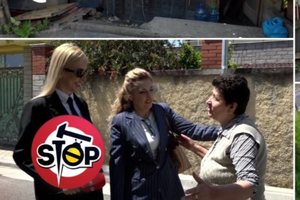
The show "Stop" dealt with a denunciation case this Tuesda...

The Special Board of Appeal (KPA) decided this Monday ...

The KPA vetting decided this Thursday to dismiss the p...

Suela Salavaçi, a prosecutor in the Prosecutor's Offic...

The Special Board of Appeal reinstated the prosecutor ...
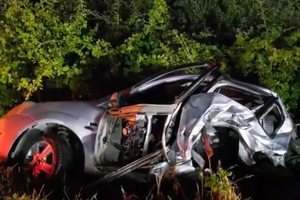
A road accident occurred this evening on the Tirana-Durres...
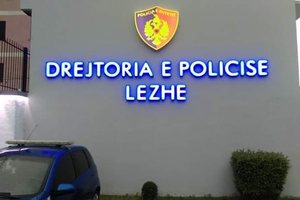
Policia e Lezhës ka dalë me reagim zyrtar lidhur me ngjarj...
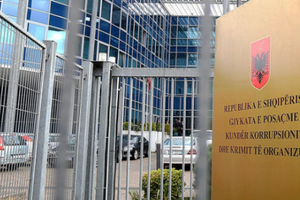
The Special Court against Corruption and Organized Crime h...
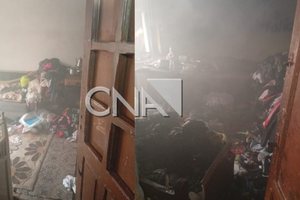
Një banesë është përfshirë nga flakët në lagjen nr. 4 në q...
An alarming figure of more than 166.4 thousand Albanians a...

The weather today will be mostly clear and temperatures wi...
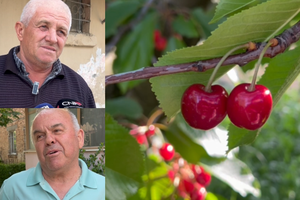
The cherry harvest season is expected to begin in the vill...

The education system in Albania is facing a challenging re...

United States President Donald Trump announced in a post o...
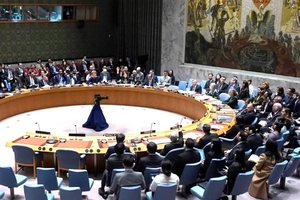
Asambleja e Përgjithshme e Kombet e Bashkuara ka përfundua...
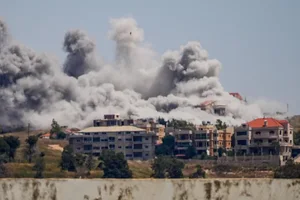
At least nine people have been killed in Israeli airstrike...
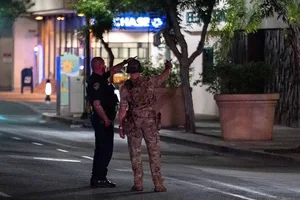
A serious incident has occurred in Bakersfield, California...
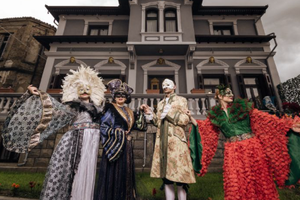
Korça is ready to open the summer season with one of the c...
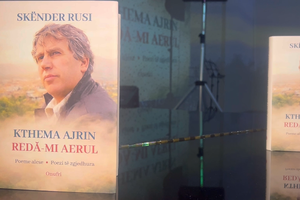
Two years after his passing, the renowned Korçë poet Skënd...
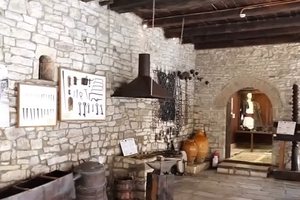
The Ethnographic Museum of Berat has opened its doors to v...
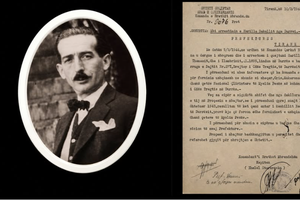
The story of Harilla Bakalli is one of the most chilling t...
The Minister of Finance, Petrit Malaj, announced today a n...
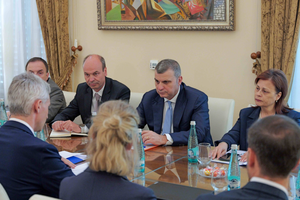
Guvernatori i Bankës së Shqipërisë, Gent Sejko, priti m...

Today, in the foreign exchange market, one US dollar is bo...

DP MP Igli Cara has submitted to the Parliament a draf...