


We are not dirty, we are dirty!
I came across a post from the Municipality of Kukes this w...



"Shut up. Don't object! We invested in you, not you in the party."
It is a sentence that until a few days ago was not said publicly, despite the fact that we all knew that it was being applied, but now we have heard it. And, in its own way, it is a “right” logic, not because it is moral, but because it is functional for power within the party and beyond.
It is a logic that at first glance seems cynical, but is surprisingly stable and with a cold coherence of power. And precisely for this reason, it works.
In this model, the party is no longer a political organism with ideas, principles, and internal debate, but a control mechanism. It doesn't matter what you think, but how much you believe. It doesn't matter what you represent, but how useful you are to the leader. Investment is not made on ideas, but on loyalty.
It has become a structure where investment is not measured by intellectual contributions or civic engagement, but by blind loyalty and willingness to align. Those who obey are promoted. Those who think are excluded. Those who dare to oppose are declared enemies.
And when the investment is like that, the "dividend" is silently sought.
This is why the logic of leaders is, in its own way, “right”. Because in a system built on control and not on merit, a critical voice is a danger, not a value. A member of parliament who thinks differently is not an asset, but a problem. A figure who has integrity is not an advantage, but a threat to a hierarchy built on obedience.
Therefore, in this logic, the leaders of Albanian political parties are not wrong. They are simply defending the model they have built themselves. A model where the party is private property and people are depreciable capital.
And here the essential question arises: should it be so?
No! Absolutely not! Because otherwise there is no politics, but administration of interests.
A party that imposes silence does not seek stability, but submission. A party that excludes dissenting opinion does not grow stronger, but rots from within.
How many individuals are there today in the SP and DP who hold positions with no connection to meritocracy?
How many of them have built a political profile through ideas, and not through servility?
How many of them are there because they have something to say and not because they know how to not speak?
How many of them have ideas, and how many of them only have convictions?
How many are there to represent the citizens, and how many to not annoy the mayor?
The answer does not require much analysis, it is enough to look at the level of public debate and the intellectual vacuum that has invaded politics.
Political parties today are no longer political groups. They are associations of interests. They are not bound by a common vision, but by a silent contract: I protect you, you obey me. It is no longer a relationship of representation, but a relationship of dependence.
And when this becomes the norm, then democracy does not exist, because this logic does not only harm those who remain silent, but an entire society, which remains without an alternative, without trust and without hope. Because when the parties de facto and de jure become sh.pk, the citizen is left out of the game. Then the “logic” of the mayors regarding “investment” is right for them.
And perhaps this is the greatest investment that has been made in this protracted transition: not in individuals, but in the destruction of politics itself.

I came across a post from the Municipality of Kukes this w...

There is a tendency in recent days to see the "glass cage"...

The news that a kilogram of cherries in Tirana went on the...

At the height of World War II, Prime Minister Mustafa Merl...

Two words cannot coexist in the same sentence without clas...

These days, an iconic woman of the anti-communist resistan...
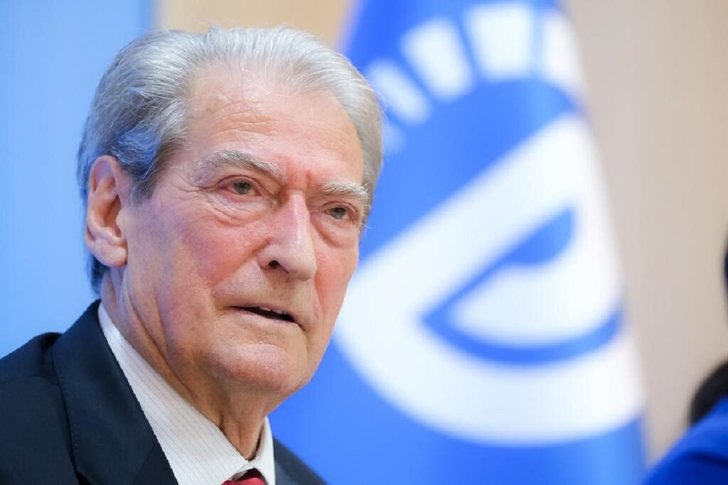
In a normal country, failure produces reflection. In Alban...

Odysseus searched for years to return to Ithaca. But perha...
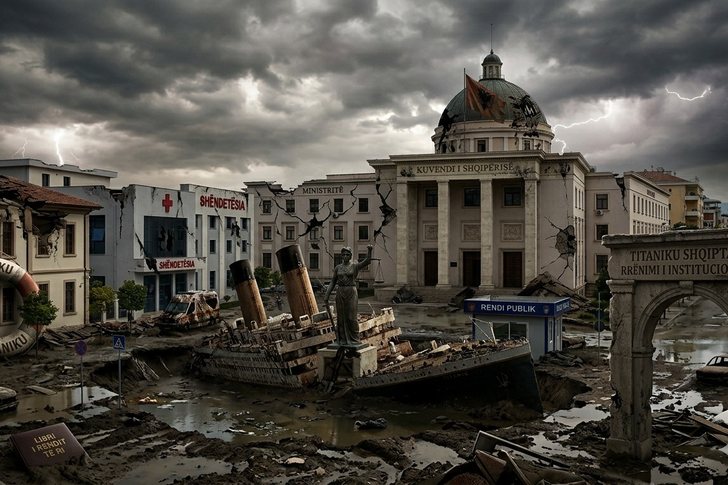
In April 1912, the Titanic, a marvel of engineering and sc...
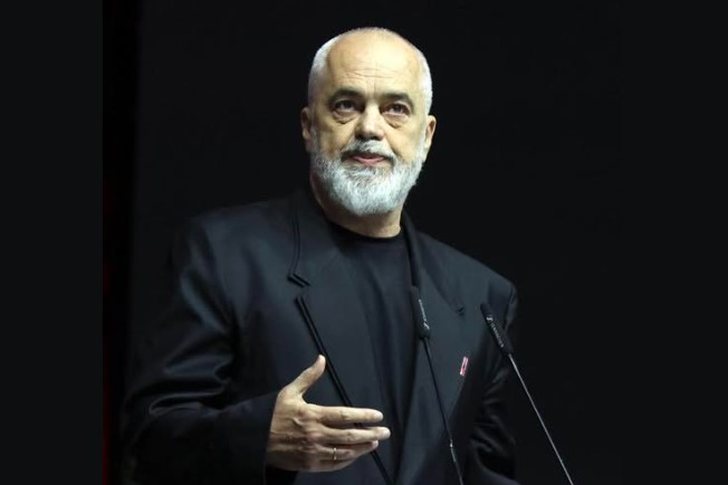
Besides being completely inappropriate, I also found the i...

There is a romantic misconception about the end of democra...
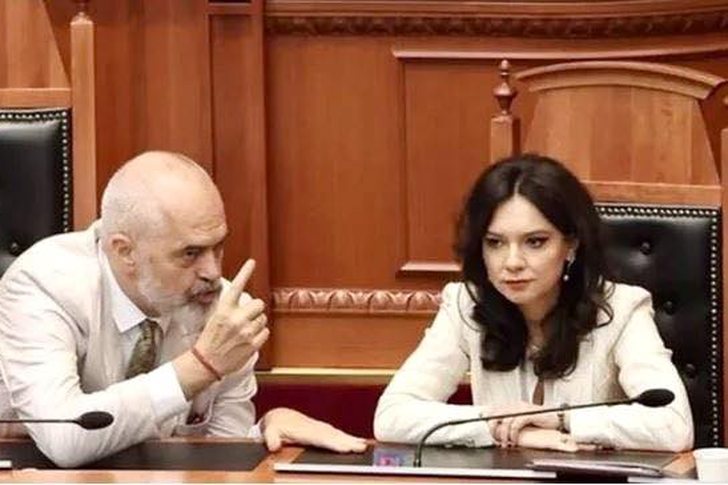
In Albanian politics, moments of individual "awakening" ar...
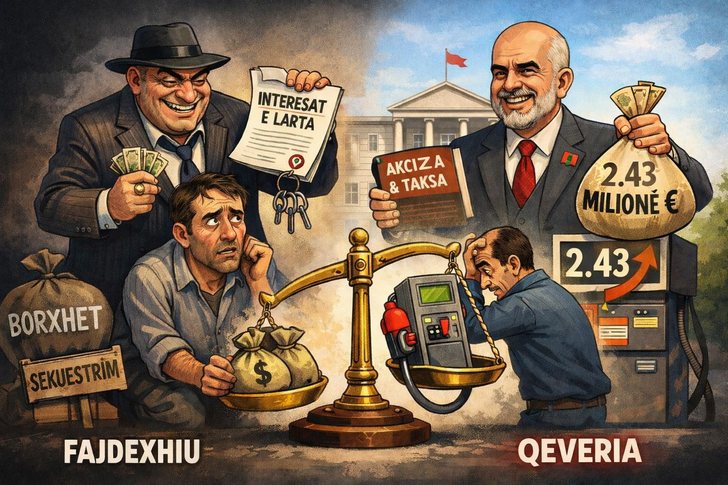
There is a figure that is generally known to every society...

Protest is a legitimate right. It is one of the few mechan...
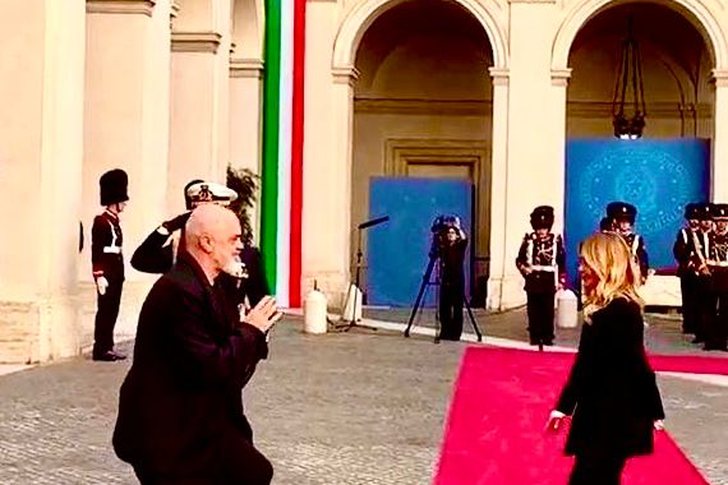
In diplomacy, a gesture is never neutral. It is always a m...
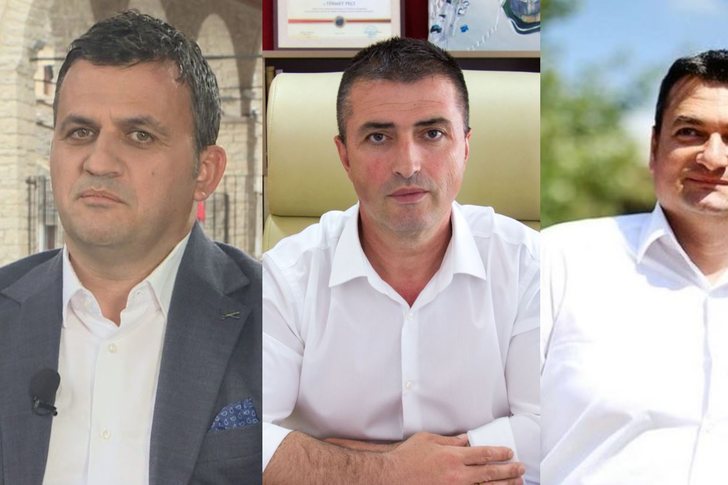
The year began at the height of the electoral campaign bet...
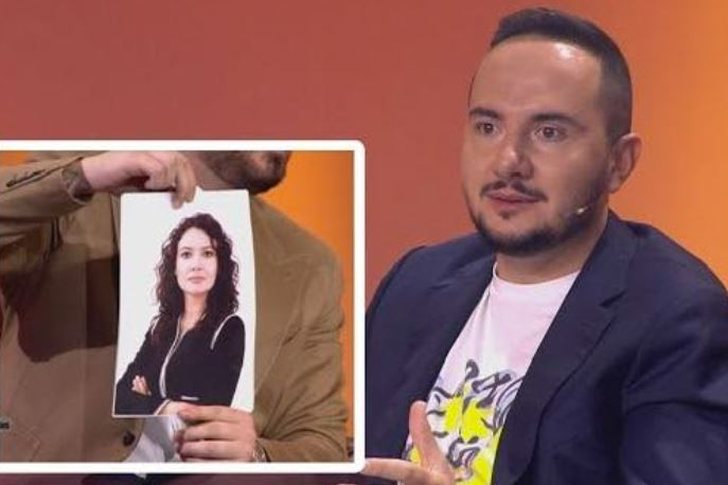
Elisa Spiropali seems to be copying Ervin Salianji. She ha...
One sentence sums up the entire Albanian political situati...

US President Donald J. Trump's proposal to appoint Lieuten...
In recent days, several television studios in the capital ...

The case addressed this Wednesday, June 3, on the show "St...
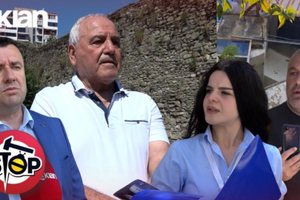
The show "Stop" broadcast this Wednesday, June 3, the case...

Irfan Hysenbelliu claims to be a big businessman, an hones...
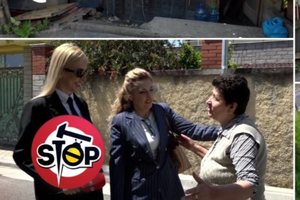
The show "Stop" dealt with a denunciation case this Tuesda...

The Special Board of Appeal (KPA) decided this Monday ...

The KPA vetting decided this Thursday to dismiss the p...

Suela Salavaçi, a prosecutor in the Prosecutor's Offic...

The Special Board of Appeal reinstated the prosecutor ...

A road accident occurred this evening on the Tirana-Durres...
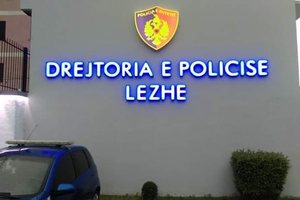
Policia e Lezhës ka dalë me reagim zyrtar lidhur me ngjarj...
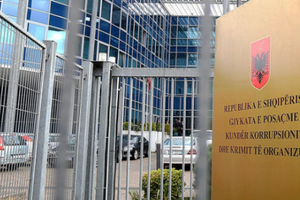
The Special Court against Corruption and Organized Crime h...

Një banesë është përfshirë nga flakët në lagjen nr. 4 në q...

Albania is facing an unprecedented demographic transition,...

On Thursday, our country will be affected by unstable weat...

An alarming figure of more than 166.4 thousand Albanians a...

The weather today will be mostly clear and temperatures wi...

United States President Donald Trump announced in a post o...
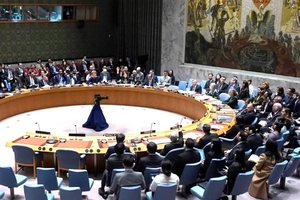
Asambleja e Përgjithshme e Kombet e Bashkuara ka përfundua...
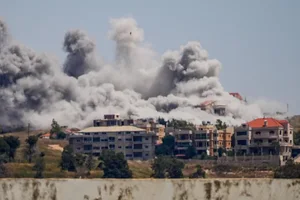
At least nine people have been killed in Israeli airstrike...

A serious incident has occurred in Bakersfield, California...
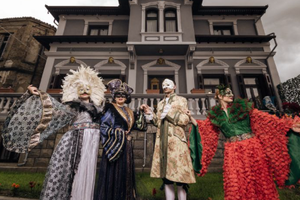
Korça is ready to open the summer season with one of the c...
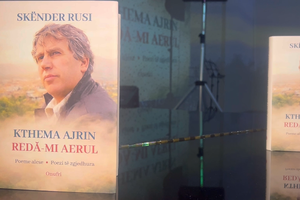
Two years after his passing, the renowned Korçë poet Skënd...
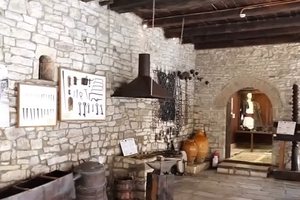
The Ethnographic Museum of Berat has opened its doors to v...
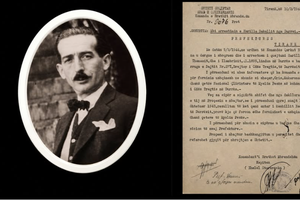
The story of Harilla Bakalli is one of the most chilling t...

Today, in the foreign exchange market, one US dollar is bo...

The Minister of Finance, Petrit Malaj, announced today a n...
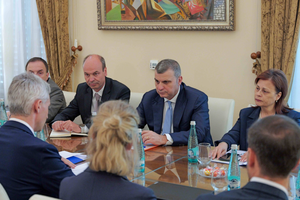
Guvernatori i Bankës së Shqipërisë, Gent Sejko, priti m...
Today, in the foreign exchange market, one US dollar is bo...