


What business do Albin's boys have in the protests in Albania?
In the protests held in Tirana during these days, people f...

In the protests held in Tirana during these days, people f...
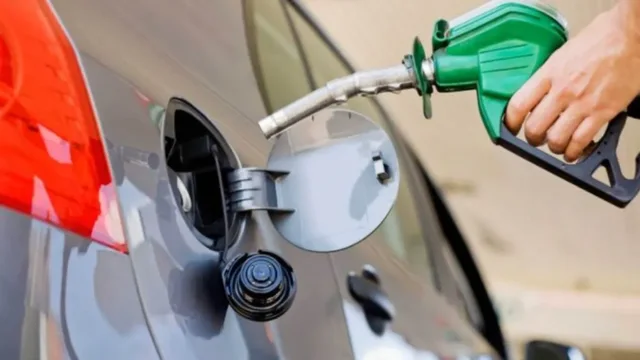
The increase in fuel prices to 200 lek/liter is not simply a daily concern for drivers, but a direct blow to the economic structure and logistical security of the country.
In an economy like the Albanian one, significantly dependent on imports and road transport, any increase in oil prices automatically translates into a chain of costs that ends up with the citizen.
An additional bill estimated at around 200 million euros per year for Albanian consumers is not alarmist, it is realistic. Fuel is one of the basic components of every economic link: from the transportation of goods, to storage, distribution and to the final price on the shelf.
In this sense, the increase in oil prices does not only affect the transportation sector, but inflation as a whole.
The domino effect is clear: transportation costs increase, prices of basic products increase, purchasing power decreases, and consumption slows down. Small businesses and the service sector are among the hardest hit, as they have less room to absorb the additional costs.
From a logistics and maritime security perspective, the situation is even more complicated. Albania, as a country with strategic access to the sea and with high dependence on maritime imports, is directly exposed to fluctuations in international oil prices.
Tensions at critical nodes of global trade such as sea straits and energy corridors immediately impact the cost of transporting and securing goods.
In cases of international crises, such as blockades or uncertainties in sea routes, freight and insurance costs increase significantly.
These costs do not remain at the company level, but are transferred directly to the domestic market. Albania does not have the luxury of deep energy diversification and remains vulnerable to any external shock.
In this reality, the role of institutions becomes essential. Customs administration and fiscal structures must guarantee transparency, efficiency and real control over the fuel market.
Any lack of control creates room for abuse, while any procedural delay adds to the final cost.
However, public perception remains critical and often justified. Citizens link the price increases not only to international markets, but also to the high fiscal burden on fuel.
Albania continues to have one of the highest levels of fuel taxation in the region, which amplifies the effect of any global growth.
On the political level, this situation places the government face a difficult balance: to maintain budget revenues without further burdening the consumer.
Any intervention, whether in the form of subsidies, tax cuts, or market control, must be measured, as the impact is immediate and socially sensitive.
The rise in oil prices is not a temporary crisis, but a clear signal of the fragility of the economic model.
Without a genuine strategy for energy diversification, increasing logistical efficiency and strengthening domestic capacities, Albania will continue to pay the "hidden bill" of foreign dependence./ CNA

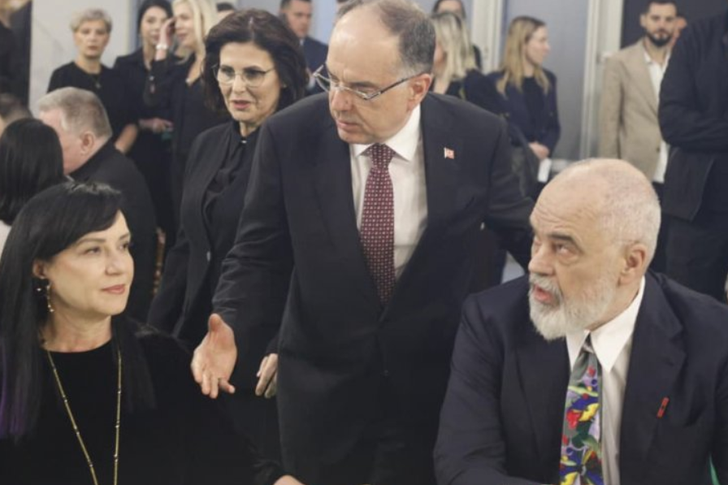
-What I am writing is not an analysis of Ramadan, nor of t...
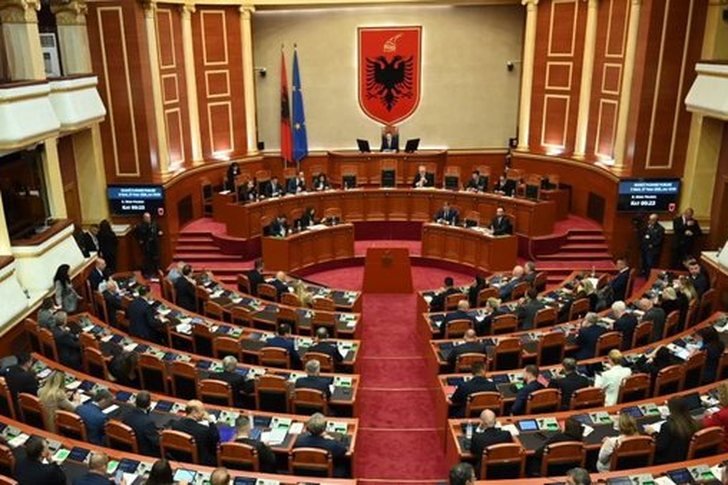
Who knows what those hundreds of demonstrators who gathere...

When the screen rewards ignorance and society accepts it a...
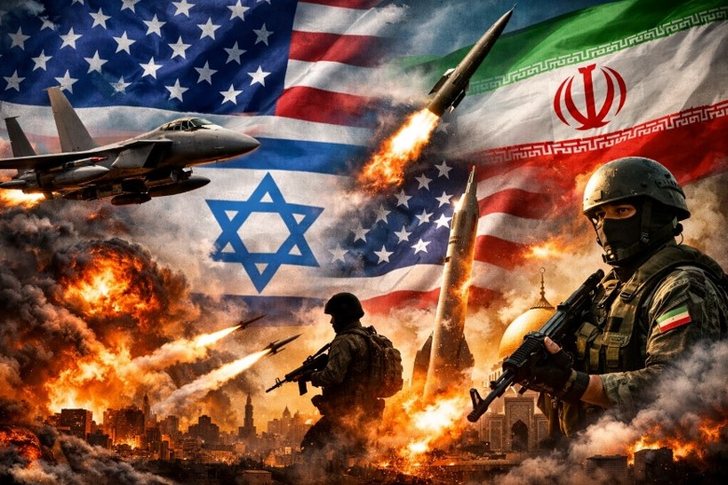
In these days of new and escalating conflict between Israe...

It is often said that the strength of the courts lies not ...
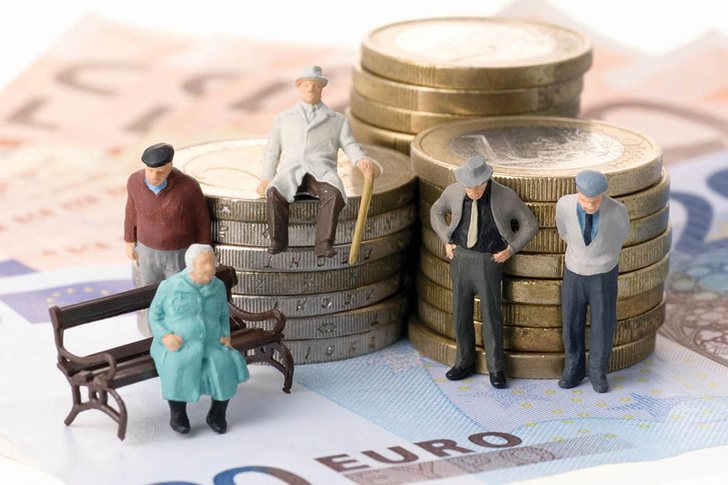
In addition to the ridiculous amounts offered for monthly ...
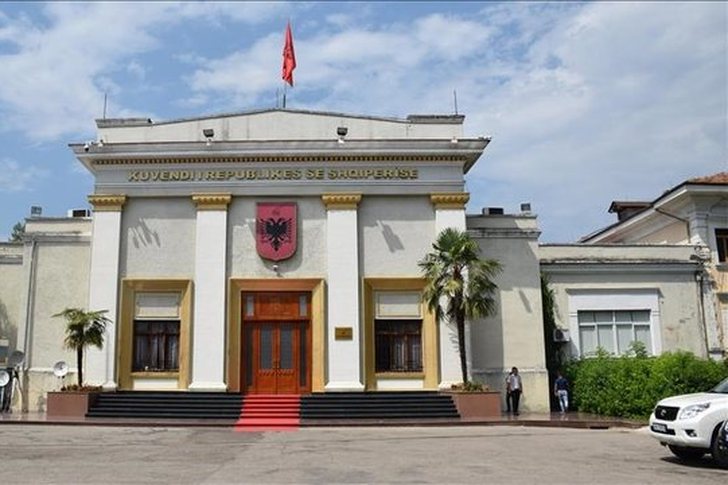
It has often been seen in the history of international rel...
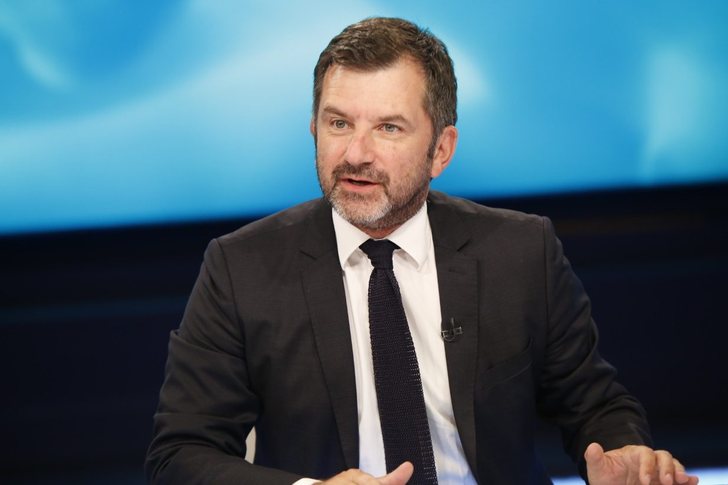
What happened at Edi Rama's press conference was not a ban...

The shift of US military assets to the Middle East in rece...
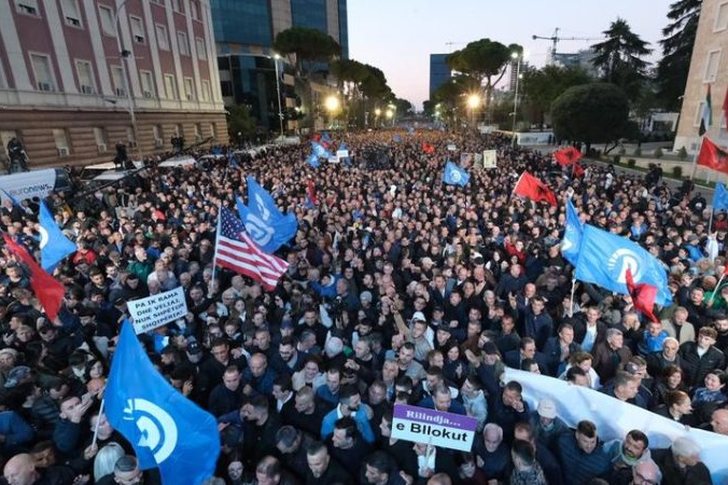
If you want Parliament to turn into a law office for the m...

Today is the 80th anniversary of Namik Dokle; one of the m...
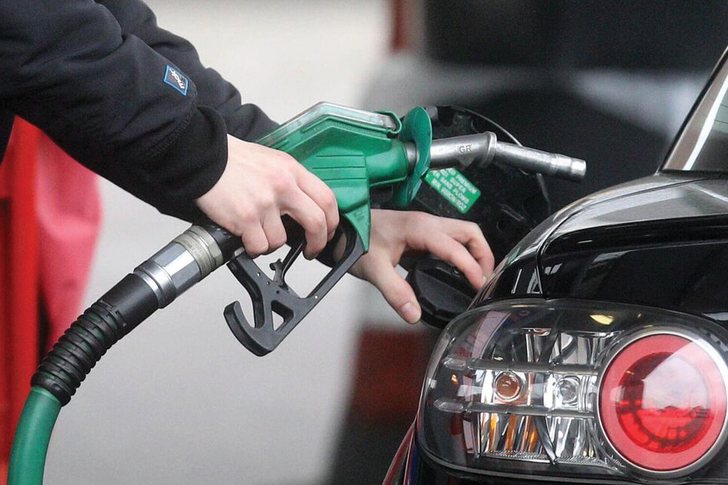
Albania today has one of the most expensive fuels in Europ...
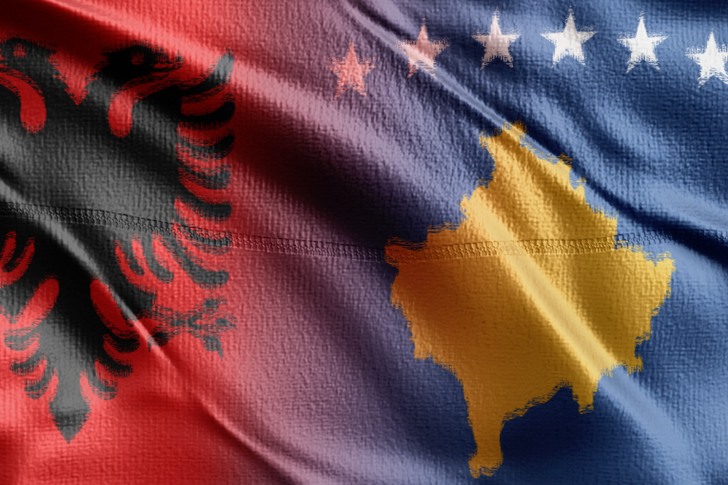
Albania and Kosovo are two parliamentary republics, where ...

March 8th, in fact, is not a holiday, but a day that symbo...

March 8th - that romantic day of the year when women get a...
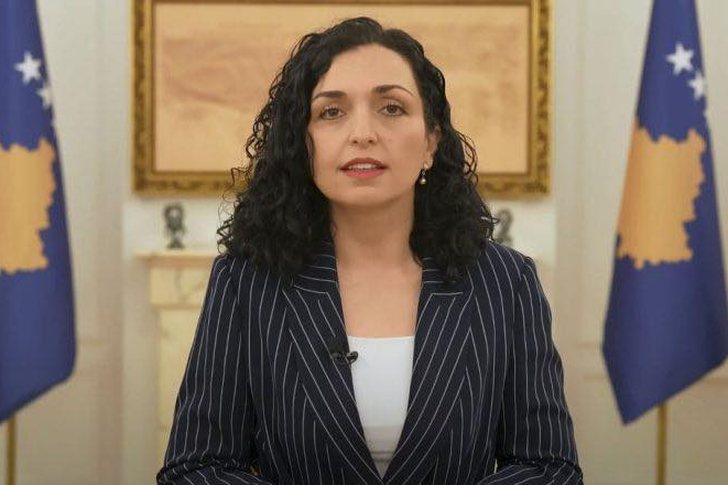
To begin with, I think that Vjosa Osmani could be a good p...

Every year, on March 7, social networks are filled with co...
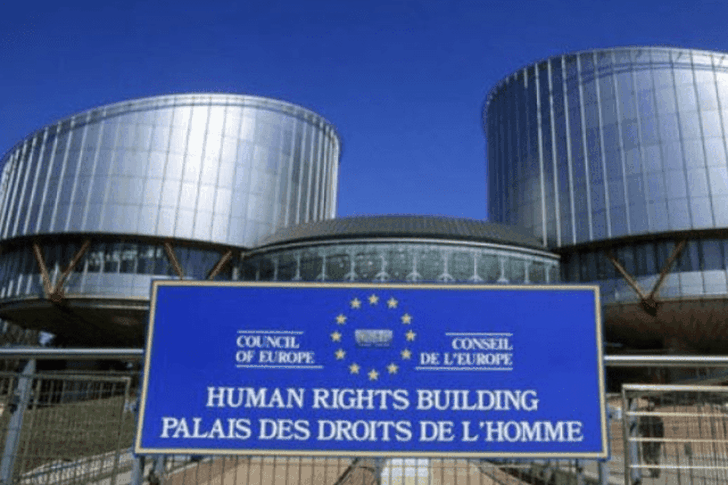
Serbia continues to violate, infringe, deny, and discrimin...
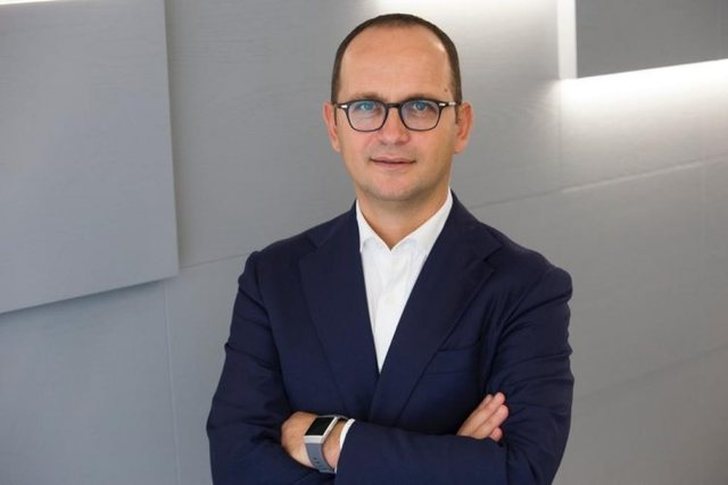
The President of Kosovo decreed the dissolution of the new...

Ambassadors have entered every aspect of our lives. From b...

The protests of recent days related to the situation in Zv...

The case addressed this Wednesday, June 3, on the show "St...

The show "Stop" broadcast this Wednesday, June 3, the case...

Irfan Hysenbelliu claims to be a big businessman, an hones...

The Special Board of Appeal (KPA) decided this Monday ...

The KPA vetting decided this Thursday to dismiss the p...

Suela Salavaçi, a prosecutor in the Prosecutor's Offic...

The Special Board of Appeal reinstated the prosecutor ...

The Head of the State Police, Skënder Hita, expressed his ...

New details have emerged regarding the serious incident th...

A serious incident occurred this Thursday in Lozhan, Maliq...
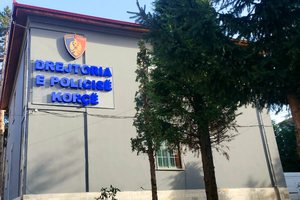
Korça Police has shared detailed information regarding the...
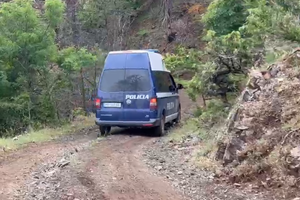
Witnesses in Lozhan, Maliqi, have shared details from the ...
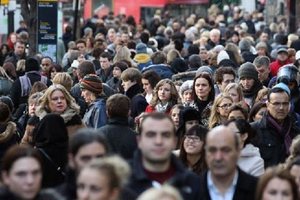
Albania is facing an unprecedented demographic transition,...
On Thursday, our country will be affected by unstable weat...

An alarming figure of more than 166.4 thousand Albanians a...

Israel and Lebanon have agreed to renew their fragile ceas...

United States President Donald Trump announced in a post o...
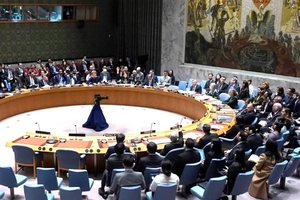
Asambleja e Përgjithshme e Kombet e Bashkuara ka përfundua...
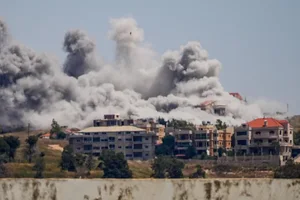
At least nine people have been killed in Israeli airstrike...

Korça is ready to open the summer season with one of the c...
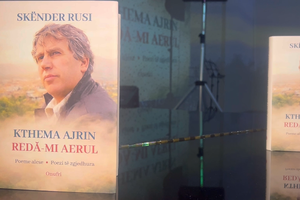
Two years after his passing, the renowned Korçë poet Skënd...
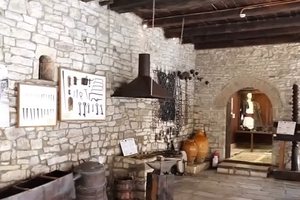
The Ethnographic Museum of Berat has opened its doors to v...
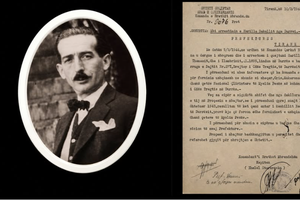
The story of Harilla Bakalli is one of the most chilling t...
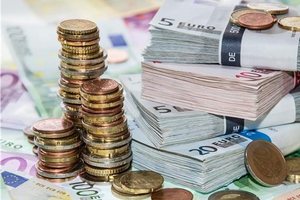
Today, in the foreign exchange market, one US dollar is bo...
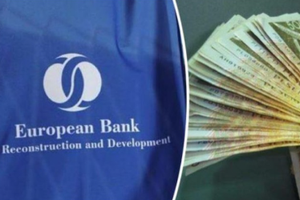
The Minister of Finance, Petrit Malaj, announced today a n...
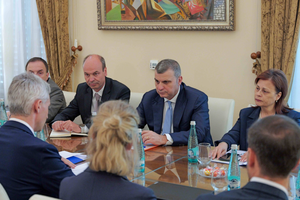
Guvernatori i Bankës së Shqipërisë, Gent Sejko, priti m...
Today, in the foreign exchange market, one US dollar is bo...