


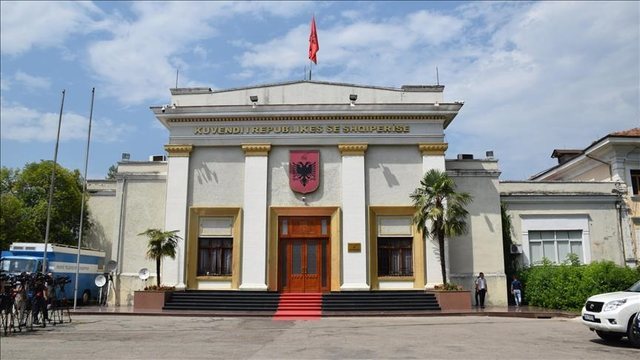
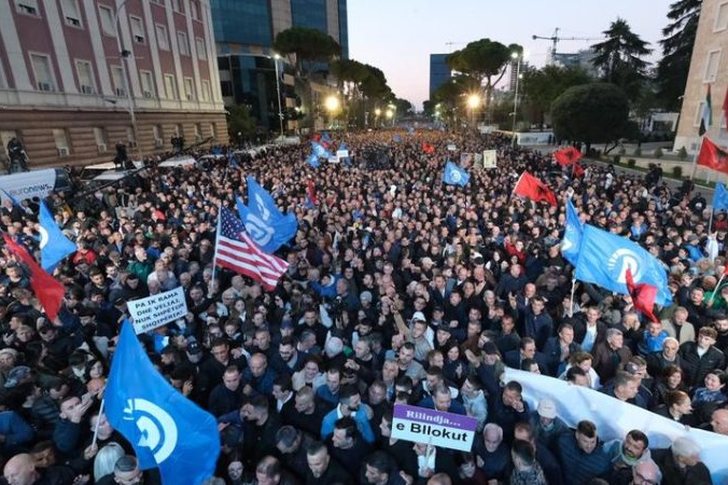
Video/ Traffic is blocked in "Skënderbej" Square, revolted citizens argue with the officers
Today, the "Bread and Heart" architecture festival took pl...

Today, the "Bread and Heart" architecture festival took pl...

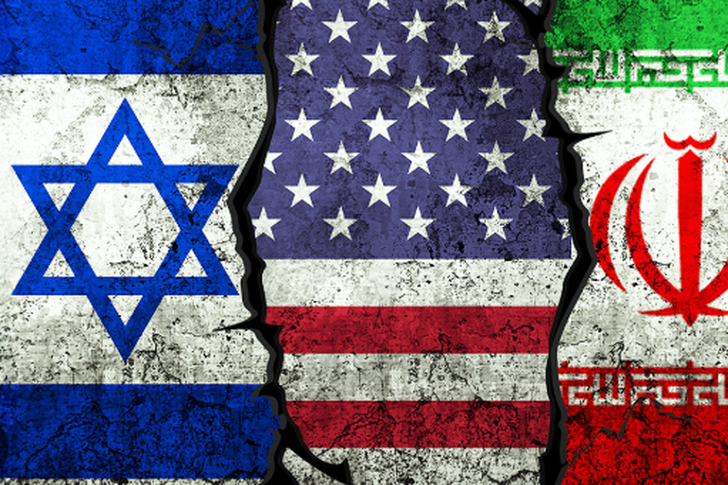
It has often been seen in the history of international relations that in major conflicts between great powers, small countries are the ones that face the consequences the most. The current war between the United States of America, Israel, and Iran is a clear example of this dynamic, as beyond the direct clash it also involves broader geopolitical interests and great power rivalries.
In this conflict, we are seeing that some Gulf countries, such as the United Arab Emirates, Bahrain and Kuwait, which are strategic allies of the US, are among the countries that most directly face the risks and consequences of regional tensions. Some analysis of the trajectory of missiles and drones shows that a large part of them did not fall on Israeli territory, but in other countries in the region.
According to these analyses, about 44 percent of the missiles and drones fell in the United Arab Emirates, about 24 percent in Kuwait, about 18 percent in Bahrain, while only about 14 percent in Israel, the state considered to have initiated this military confrontation. This shows once again that in major regional conflicts it is often partner countries or smaller countries that face the most direct consequences.
History teaches us that in major geopolitical agreements and conflicts, small countries do not always benefit, even when they are on the side of the winning partner. It is in this context that the majority's proposal for a resolution that officially declares Iran an enemy country for modern Albania should be seen.
Such a decision should not be seen only as a political act of the moment, but as an issue that requires balanced analysis in relation to international political developments and Albania's long-term interest. In this context, Albania's positions must be in harmony with the foreign policy of the European Union, with the positions of the countries of the Balkan region, as well as with the strategic alliance of NATO, of which Albania is a part.
In this regard, it should be emphasized that the declaration of the Iranian Revolutionary Guard and Hezbollah as terrorist organizations is in line with the policies and positions of the European Union and with the broader context of Euro-Atlantic security.
However, the blanket declaration of Iran as an enemy state through a resolution, even if we assume that it comes as a request from our greatest strategic partner in these 35 years – the United States of America – should be evaluated carefully.
Albania also has objective reasons used to justify such a stance, such as the cyberattacks attributed to Iran against Albanian institutions, the severance of diplomatic relations between the two countries, and the fact that part of the Iranian opposition is located and operates on Albanian territory.
However, it remains worrying that the argument is often heard: "Who cares about us? Let's make as many resolutions as we want." In reality, the issue is not so simple, because a resolution is a state act and every such act has its own political and diplomatic weight.
It is equally important that positions in such international conflicts are not used for domestic political consumption, especially during election periods or in situations of internal tensions.
In the end, the principle must remain clear: Albania above all and the national interest must always be at the center of every strategic decision.
If the current conflict prolongs and becomes larger, some analysts believe that its consequences could extend not only to the Mediterranean, but also to Central Asia and the Western Balkans, due to the importance of energy corridors and strategic routes connecting the Middle East with Asia and Europe.
Such an escalation could bring deeper geopolitical consequences, such as regional destabilization, the weakening or collapse of some states, and even the creation of new political realities in different regions.
So far we see that the Gulf countries have lost up to $20 billion and, although they face strong tensions with Iran, they have not officially declared it an enemy, understanding the complexity of the situation and the fact that this is not their war.
Therefore, it is important that Albanian politicians, analysts, and thinkers discuss international relations issues with greater depth and responsibility, always in the interest and function of Albania's foreign policy./ CNA

What happened at Edi Rama's press conference was not a ban...
The shift of US military assets to the Middle East in rece...
If you want Parliament to turn into a law office for the m...
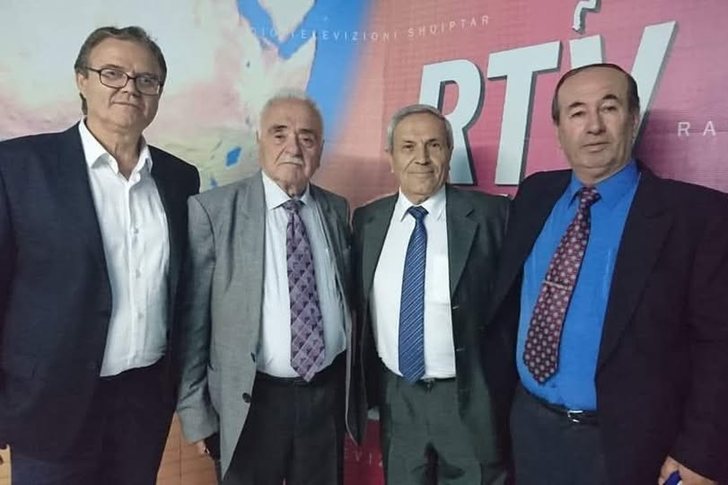
Today is the 80th anniversary of Namik Dokle; one of the m...
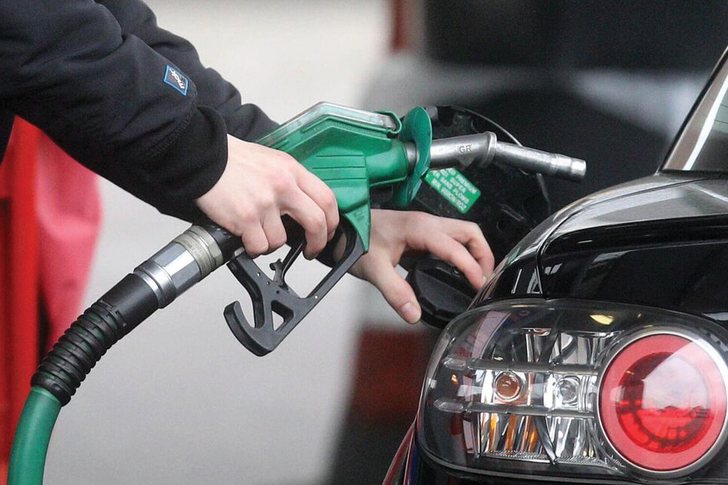
Albania today has one of the most expensive fuels in Europ...
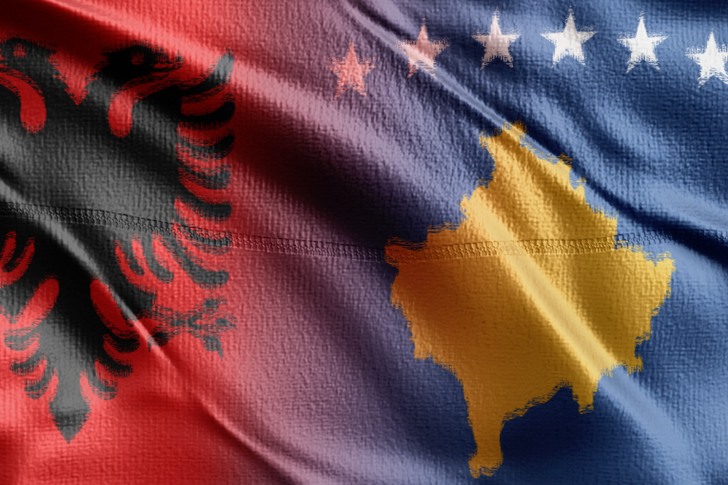
Albania and Kosovo are two parliamentary republics, where ...

March 8th, in fact, is not a holiday, but a day that symbo...

March 8th - that romantic day of the year when women get a...
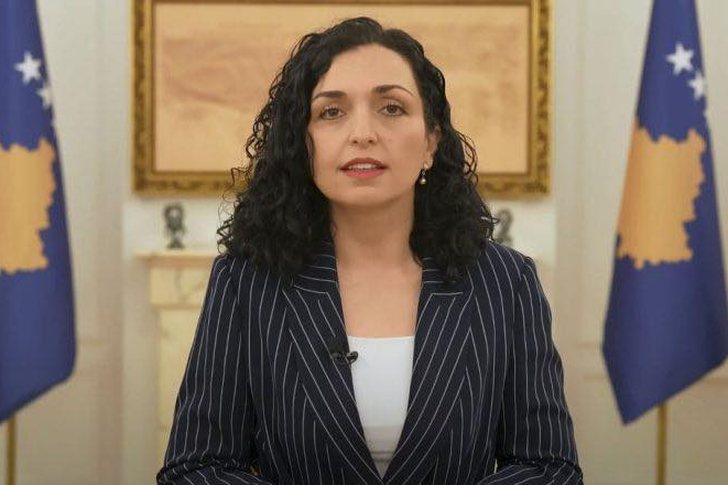
To begin with, I think that Vjosa Osmani could be a good p...
Every year, on March 7, social networks are filled with co...
Serbia continues to violate, infringe, deny, and discrimin...
The President of Kosovo decreed the dissolution of the new...

Ambassadors have entered every aspect of our lives. From b...
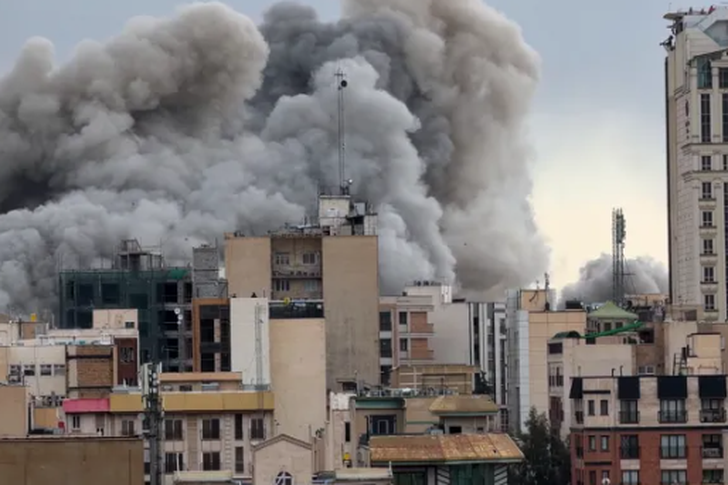
After the cases of personal decision-making for the destru...
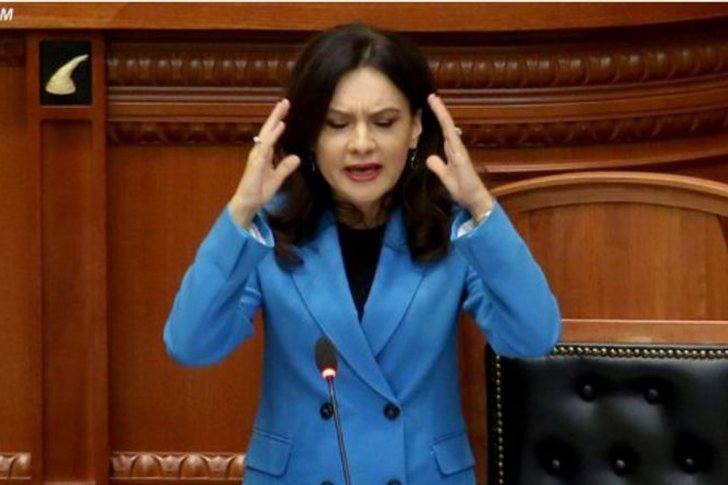
In the summer of 1942, Winston Churchill had a long meetin...

Çdo shqiptari: “MOS bëni rivlerësim as me 5% tatim për sht...
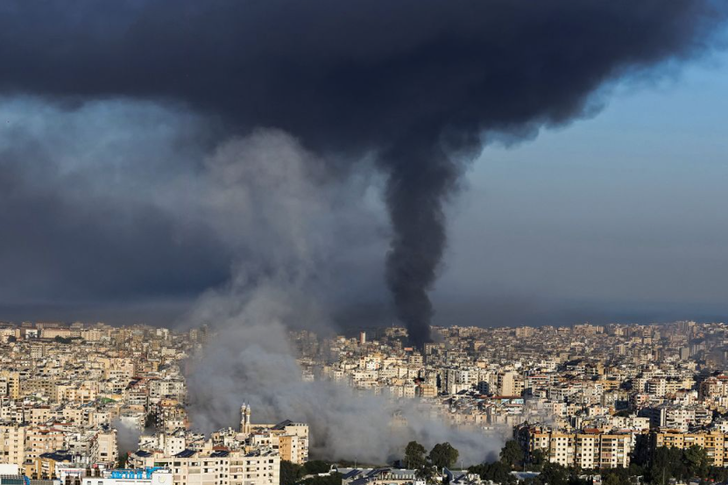
Whenever there is a global crisis, the Albanian government...
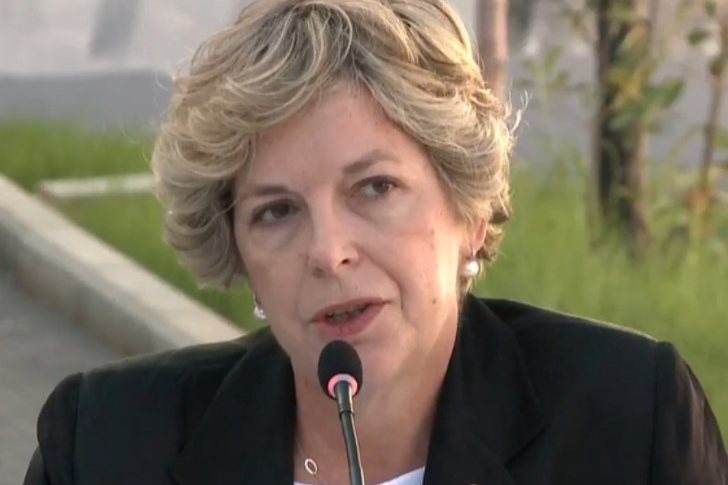
During the week it is difficult to follow every media deve...
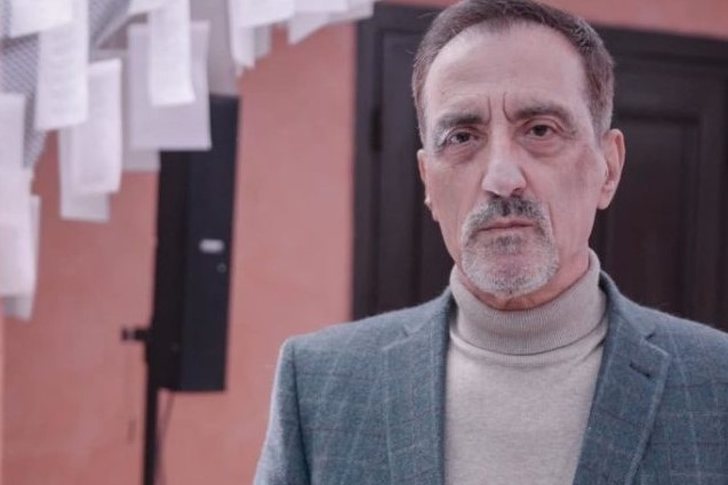
Rereading at this time the poem "The Latecomer" by Rud...
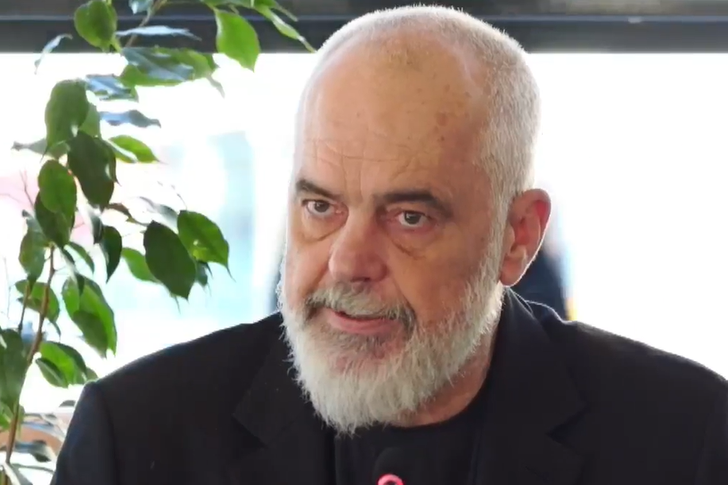
Our Prime Minister feels sorry for Enver's villa and not f...

The protests of recent days related to the situation in Zv...
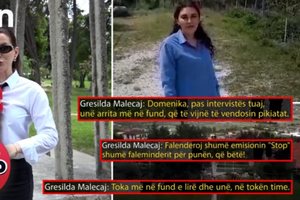
The case addressed this Wednesday, June 3, on the show "St...
The show "Stop" broadcast this Wednesday, June 3, the case...

Irfan Hysenbelliu claims to be a big businessman, an hones...

The Special Board of Appeal (KPA) decided this Monday ...

The KPA vetting decided this Thursday to dismiss the p...

Suela Salavaçi, a prosecutor in the Prosecutor's Offic...

The Special Board of Appeal reinstated the prosecutor ...
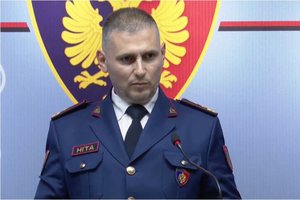
The Head of the State Police, Skënder Hita, expressed his ...

New details have emerged regarding the serious incident th...

A serious incident occurred this Thursday in Lozhan, Maliq...

Korça Police has shared detailed information regarding the...
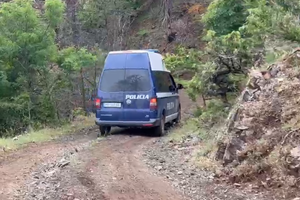
Witnesses in Lozhan, Maliqi, have shared details from the ...

Albania is facing an unprecedented demographic transition,...
On Thursday, our country will be affected by unstable weat...

An alarming figure of more than 166.4 thousand Albanians a...
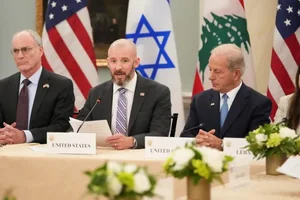
Israel and Lebanon have agreed to renew their fragile ceas...
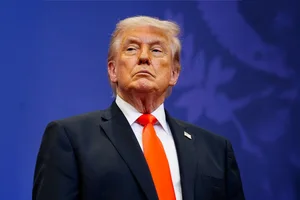
United States President Donald Trump announced in a post o...
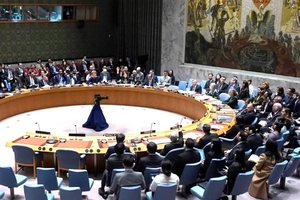
Asambleja e Përgjithshme e Kombet e Bashkuara ka përfundua...
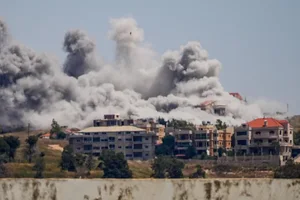
At least nine people have been killed in Israeli airstrike...

Korça is ready to open the summer season with one of the c...
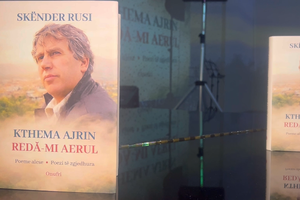
Two years after his passing, the renowned Korçë poet Skënd...

The Ethnographic Museum of Berat has opened its doors to v...
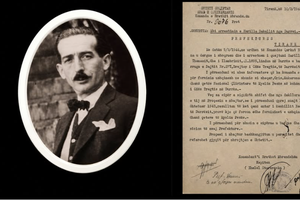
The story of Harilla Bakalli is one of the most chilling t...
Today, in the foreign exchange market, one US dollar is bo...
The Minister of Finance, Petrit Malaj, announced today a n...
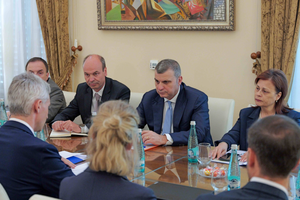
Guvernatori i Bankës së Shqipërisë, Gent Sejko, priti m...
Today, in the foreign exchange market, one US dollar is bo...