

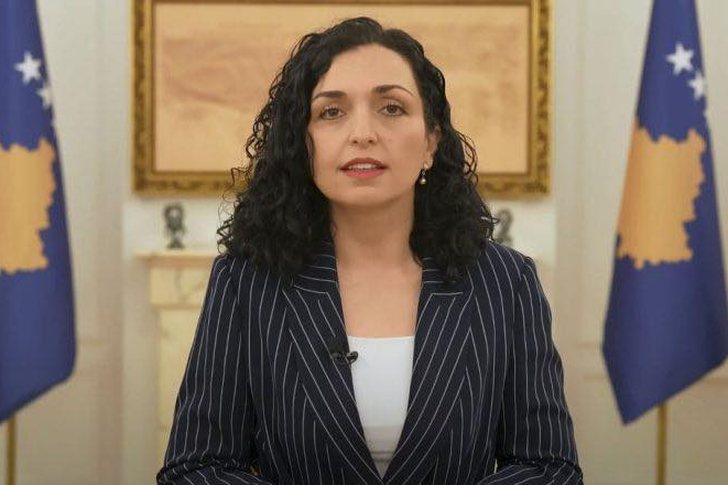
We are one race, one m…..
To begin with, I think that Vjosa Osmani could be a good p...


March 8th - that romantic day of the year when women get attention, almost as much as on February 14th.
Speeches in competition with messages about how ladies women are, how their intelligence and willpower surpass that of men, logos, panels discussing women's empowerment, posts, flowers, applause.
Perfect day.
Now, I'm taking the risk of "striping" the day a little from this sunny architecture of congratulations and inviting you to think about the next day.
Imagine a study that finds that today's young men, raised with the internet, in educational systems that claim to promote equality, hold more conservative views on women than their grandparents.
It's not a metaphor. It's the key finding of a survey conducted by the Global Institute for Women's Leadership at King's.
College London, which surveyed 23,000 people in 29 countries.
The most alarming finding is not the numbers themselves, but the direction they point.
A third of Generation Z men born between 1997 and 2012 believe that a woman should obey her husband.
Young men are twice as likely as baby boomers to think that the man should have the final say.
Nearly a quarter think that women should not appear too independent.
21 percent of Generation Z men believed that men who participate in childcare are less manly than those who do not participate
Both genders thought that women have more choices in roles within the family and in wardrobe, while men have more choices in hobbies and at work.
This is not just stagnation, it is a regression.
And setbacks are much harder than slow progress. Setbacks are active movement, harder than inertia.
The King's College researchers offer a clear explanation for this setback: young men are economically disadvantaged. They can't buy a house. They can't find stable jobs. The traditional markers of "manhood" - family security, protection, building a future for children - are increasingly difficult. This brings anxiety, and anxiety is numbed by ideology.
Albania is not part of the study. But if it were, there would be no change in the study.
Youth unemployment between 15 and 29 years old stands at 22.5%. The NEET rate, young people who are neither in education, employment nor training, reaches 25.2%, more than double the EU-27 average. For the 25-29 age group, this rate rises to 31.1%. Between 69 and 75% of young people looking for a job have been unemployed for more than six months.
Those who can leave, leave. In 2024, Albania had only 405,000 young people aged 15-29 - 45% fewer than in the 2011 census. The year 2022 saw around 36,000 young people leave the country within twelve months. Those who remain are often those with the fewest opportunities.
It is precisely this new profile, economically frustrated, isolated, without horizons, that digital platforms aim to exploit with surgical precision.
Not by providing solutions to their real problems, but by giving them a culprit: independent women, feminism, "gender equality."
This model is widely consumed in Albania. It's free. It's fun. It's available twenty-four hours a day.
And, in a good portion of families, it is the loudest voice of reason. The network!
There was a time when public and private television could play an educational role. Social documentaries, debates, programs that explored identity, family, and gender relations had the power to reach where school and family could not. That moment is gone.
Media owned primarily by political and economic interests mainly offers reality shows, black news, and political bickering.
The result: a vast void. The family is fragmented by emigration. The school is overburdened and misunderstood. And this void is being filled by social media, with algorithms built to keep you there, not to give you solutions.
So why am I "ruining" your Sunday, March 8th?
Simply because tomorrow, March 8th will be forgotten. The news will start reporting on the murder of a girl or woman, on the violence of over 49% of women, on the courts applying protective measures for children in only 10% of monitored cases of domestic violence, on the digital violence that is on the rise with deepfakes and online insults that entertain ignorance as the algorithm wants.
Violence does not need to increase significantly to become worse, nor does it disappear with modernity. It simply becomes better organized. It permeates institutions, decision-making, public debate, the media, politics.
It is enough that the culture of impunity remains. And at the moment violence is a daily refrain among us.
March 8th of Women, with all its performances, does not last more than 24 hours.
Wishes are free. Change requires willpower.
Happy March 8th. /CNA

To begin with, I think that Vjosa Osmani could be a good p...

Every year, on March 7, social networks are filled with co...

Serbia continues to violate, infringe, deny, and discrimin...
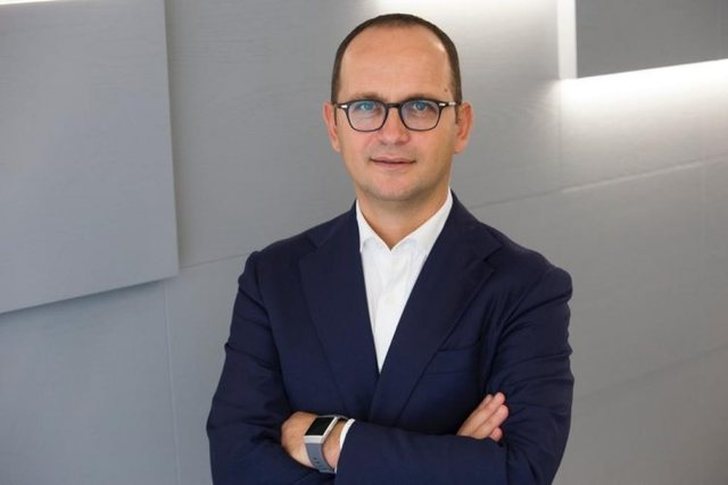
The President of Kosovo decreed the dissolution of the new...

Ambassadors have entered every aspect of our lives. From b...

After the cases of personal decision-making for the destru...
In the summer of 1942, Winston Churchill had a long meetin...

Çdo shqiptari: “MOS bëni rivlerësim as me 5% tatim për sht...
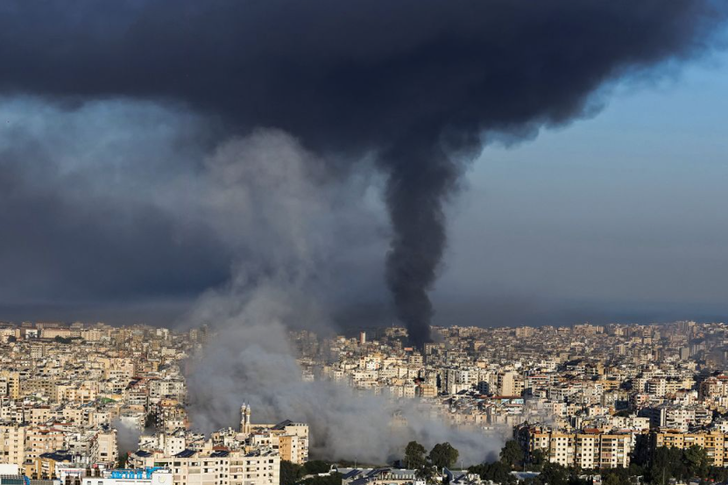
Whenever there is a global crisis, the Albanian government...
During the week it is difficult to follow every media deve...
Rereading at this time the poem "The Latecomer" by Rud...
Our Prime Minister feels sorry for Enver's villa and not f...

Everything is moving towards our liberation from corruptio...

After the penitential fast of the first week of Great Lent, ...

She/He who previously traveled for family visits, for work...
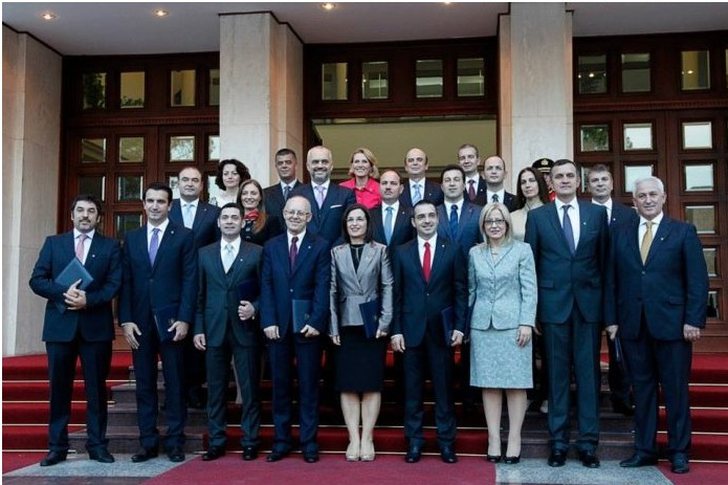
1. Among the 33 prime ministers of the Albanian state, to ...
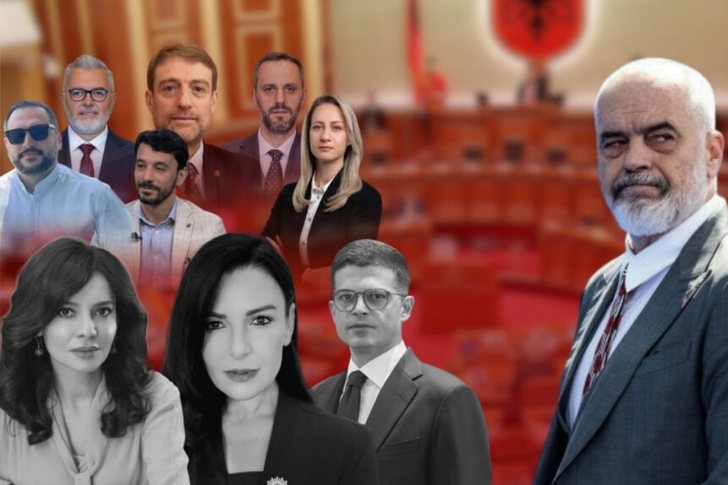
No other power can dictate the executive power. The powers...
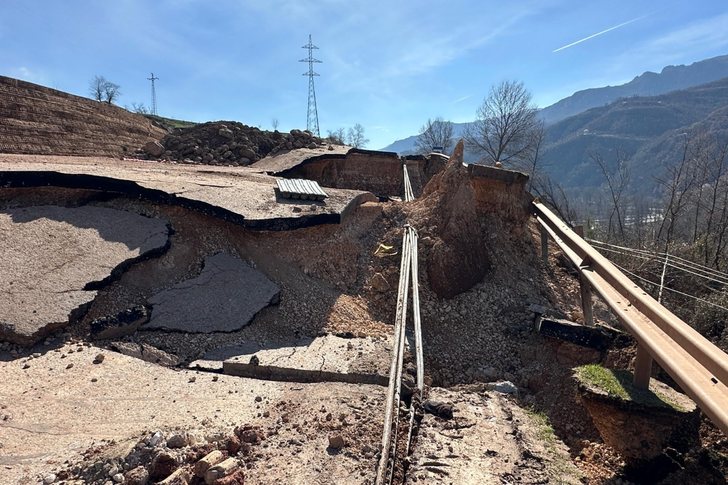
By Luan Rama - A state that considers infrastructure part...

I believe we have heard this saying many times from the an...

Great Lent in the Orthodox Church begins with a prominent ...

The protests of recent days related to the situation in Zv...

The case addressed this Wednesday, June 3, on the show "St...

The show "Stop" broadcast this Wednesday, June 3, the case...

Irfan Hysenbelliu claims to be a big businessman, an hones...

The Special Board of Appeal (KPA) decided this Monday ...

The KPA vetting decided this Thursday to dismiss the p...

Suela Salavaçi, a prosecutor in the Prosecutor's Offic...

The Special Board of Appeal reinstated the prosecutor ...

A quantity of explosive material exploded this morning at ...

The Head of the State Police, Skënder Hita, expressed his ...

New details have emerged regarding the serious incident th...

A serious incident occurred this Thursday in Lozhan, Maliq...

Witnesses in Lozhan, Maliqi, have shared details from the ...
Albania is facing an unprecedented demographic transition,...

On Thursday, our country will be affected by unstable weat...
An alarming figure of more than 166.4 thousand Albanians a...

Israel and Lebanon have agreed to renew their fragile ceas...

United States President Donald Trump announced in a post o...
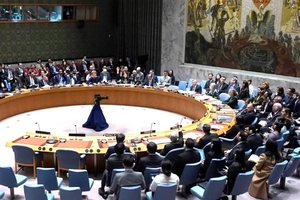
Asambleja e Përgjithshme e Kombet e Bashkuara ka përfundua...

At least nine people have been killed in Israeli airstrike...
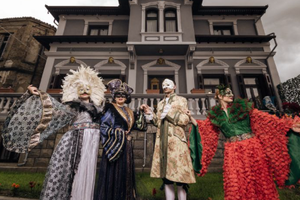
Korça is ready to open the summer season with one of the c...

Two years after his passing, the renowned Korçë poet Skënd...

The Ethnographic Museum of Berat has opened its doors to v...
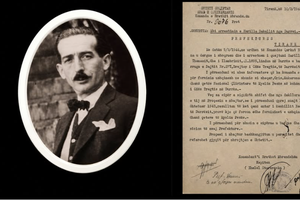
The story of Harilla Bakalli is one of the most chilling t...

Today, in the foreign exchange market, one US dollar is bo...
The Minister of Finance, Petrit Malaj, announced today a n...
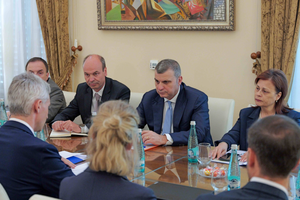
Guvernatori i Bankës së Shqipërisë, Gent Sejko, priti m...
Today, in the foreign exchange market, one US dollar is bo...