

By Adi Krasta/ Having an opposition stance in Albania is an extraordinary luxury
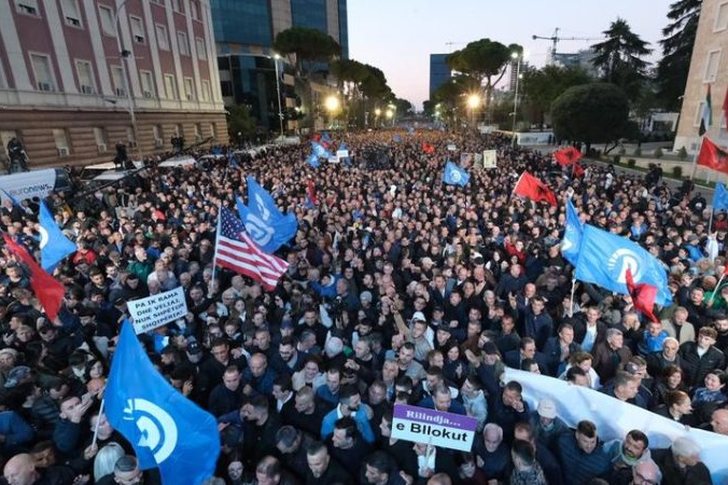
Who knows what those hundreds of demonstrators who gathere...


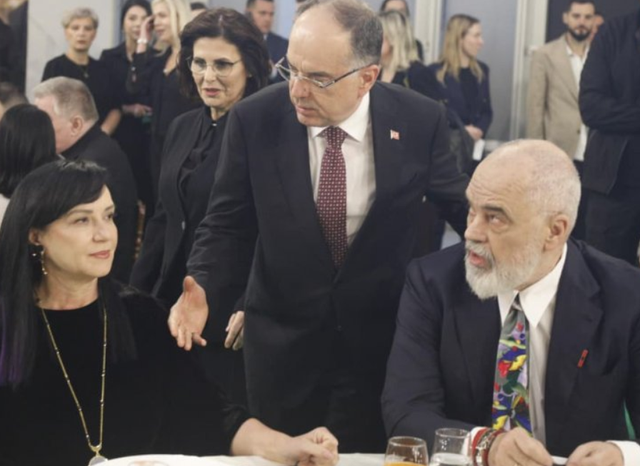
-What I am writing is not an analysis of Ramadan, nor of the President's faith, nor of his sincerity.
It is an analysis of his role.
In a constitutional republic, the word of the President of the Republic is never just a word. It is an institutional act. It is a symbol. It is a boundary.
Precisely for this reason, when the President of the Republic speaks at a public or institutional event and shifts the discourse from secular neutrality to religious discourse, the problem is not aesthetic, it is fundamental.
The speech at the iftar with journalists and media workers clearly demonstrates this deviation. The president does not speak as a guarantor of pluralism, but as a preacher of a morality based on a certain religious tradition.
The President of the Republic claims to speak of “universal values,” but the way he articulates them reduces them to religious particularity. Direct references to the Quran, the citation of Surah Al-Ahzab, and the hadiths of the Prophet Muhammad are no longer cultural metaphors.
In the mouth of the Head of State, they are normative sources.
Here lies the philosophical problem. A public ethic in a secular state cannot be based on the authority of revelation, but on public reason. This is a clear line that we find since Immanuel Kant, according to whom norms that claim universal validity must be justified in a way that is acceptable to everyone, not just to believers of a religion.
When the President says that journalism should be guided by a Quranic injunction (“speak the right words”), he is not offering an argument, but rather appealing to authority.
A President may participate in religious activities. But he may not turn his office into an extension of religious discourse.
Secularism does not mean hostility to religion. It means neutrality of the state. And neutrality is not simply a lack of preferences, but an active obligation not to privilege any source of truth over others.
When a sacred text is used as an ethical standard for a public profession in an event organized by the President of the Republic, a silent hierarchy is created: as if moral truth stems from religion, not from law, not from professional ethics, not from critical reasoning.
This is problematic in a pluralistic society where believers, agnostics, and atheists coexist.
One of the most problematic issues of the speech is the comparison of journalism to “speech fasting.” At first glance, it seems like an elegant metaphor. At its core, it is a dangerous shift.
Journalism is not ascetic self-restraint; it is the pursuit of truth through verification, transparency, and publication. Limiting speech is not a virtue in itself; in many cases, it is a professional failure.
Nëse kjo metaforë merret seriozisht, ajo rrezikon të legjitimojë autocensurën: “mos thuaj gjithçka”, “filtroni”, “përmbahuni”.
Por kush i vendos kufijtë? Presidenti? Morali fetar?
Apo standardet profesionale?
Këtu rrëshqasim nga etika në disiplinim.
Presidenti thotë se media nuk duhet të jetë vetëm pasqyrë, por “busull” që orienton publikun drejt së vërtetës. Kjo tingëllon fisnike, por fsheh një “ligësi” epistemologjike dhe politike.
Kush e zotëron të vërtetën që media duhet të “orientojë”? Në një demokraci liberale, media nuk është autoritet moral që udhëzon qytetarët, por hapësirë ku të vërtetat konkurrojnë, verifikohen dhe sfidohen.
Ky vizion i medias si “busull” ka një aromë paternalizmi: një ide se publiku duhet orientuar dhe jo fuqizuar. Dhe kur kjo kombinohet me referenca fetare, rreziku është dyfish: orientim moral dhe autoritet sakral.
Problemi nuk është që Presidenti është besimtar. Problemi është që ai flet në një rol ku besimi duhet të mbetet privat ose të paktën i përkthyer në gjuhë neutrale.
Në këtë fjalim, kufiri zhduket: Presidenti nuk përkthen vlerat fetare në etikë civile, por i paraqet ato si të tilla. Këtu kemi të bëjmë me dështim të “përkthimit” të arsyes fetare në arsyen publike.
Rezultati është një diskurs hibrid: institucional në formë, fetar në përmbajtje.
Të jesh President i një shteti laik nuk do të thotë të jesh pa besim; do të thotë të mos e ushtrosh besimin si autoritet publik. Do të thotë të flasësh në një gjuhë që u përket të gjithëve, jo vetëm atyre që ndajnë të njëjtën fe. Në këtë kuptim, Presidenti nuk është përfaqësues i një morali të reveluar, por garant i një rendi ku moralet bashkëjetojnë pa u imponuar.
Presidenti nuk është bari shpirtëror i kombit; ai është kujdestar i barazisë së qytetarëve përpara shtetit. Dhe kjo barazi fillon pikërisht aty ku përfundon privilegjimi i një gjuhe fetare në hapësirën institucionale.
Po aq problematik sa diskursi është edhe praktika që e shoqëron atë: përzgjedhja e të ftuarve mbi bazë të një praktike fetare. Në një shtet që, sipas Kushtetutës së Republikës është laik, kjo çështje nuk është më çështje protokolli, por çështje parimi. Ndarja e shtetit nga feja dhe barazia përpara ligjit nuk janë formula abstrakte, por kufij konkretë për ushtrimin e pushtetit.
Në këtë kuadër, një aktivitet i Presidentit të Republikës që në mënyrë të drejtpërdrejtë apo të tërthortë privilegjon gazetarët që agjërojnë, krijon një diferencim që bie ndesh me këto parime. Nuk ka rëndësi nëse përjashtimi është i qëllimshëm apo rezulton nga praktika: efekti është i njëjtë, një ndarje simbolike mes “të përfshirëve” dhe “të tjerëve”, e bazuar në një kriter që i përket sferës private të individit.
This is particularly problematic in relation to the media, which should have equal and unconditional access to institutions.
Any filter that is not related to professionalism or public function, but to personal beliefs or practices, violates not only the principle of equality, but also the very trust in the impartiality of the institution.
A President cannot create, even symbolically, a civic hierarchy based on religion.
Because the moment the institution begins to differentiate where the Constitution requires equality, it is no longer a guarantor of the constitutional order, but a deviation from it.
Speeches pass. Precedents remain. Today we have a President who quotes the Quran to guide the media. Tomorrow, another may quote another religious text to justify public policies. In the absence of a clear boundary, any “sacred” source can claim public legitimacy.
And here the danger is not religion, it is its instrumentalization by power.
What I am writing is not an analysis of Ramadan, nor of the President's faith, nor of his sincerity.
It is an analysis of his role.
In a secular republic, the President must speak as President, not as a preacher, not as a priest, not as a moral preacher. Because the moment he shifts the authority of speech from the institution to religion, he does not strengthen public ethics, he weakens them.
And in a society that still draws boundaries between state and religion, this is not a matter of style. It's a matter of foundation. It's a matter of principle.

Who knows what those hundreds of demonstrators who gathere...
When the screen rewards ignorance and society accepts it a...
In these days of new and escalating conflict between Israe...
It is often said that the strength of the courts lies not ...
In addition to the ridiculous amounts offered for monthly ...
It has often been seen in the history of international rel...
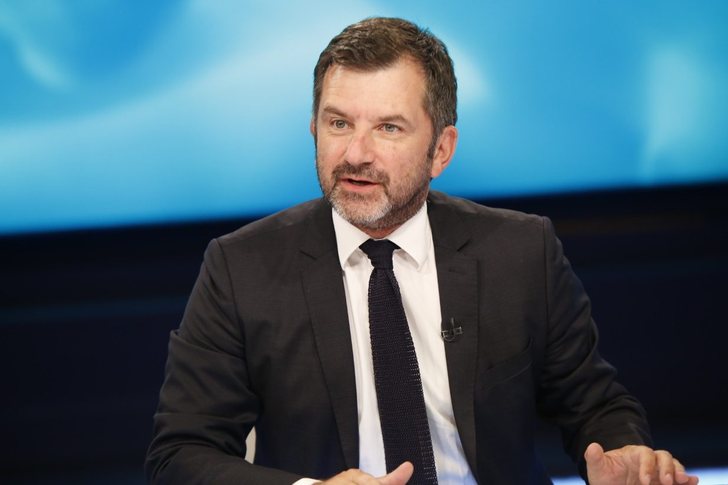
What happened at Edi Rama's press conference was not a ban...
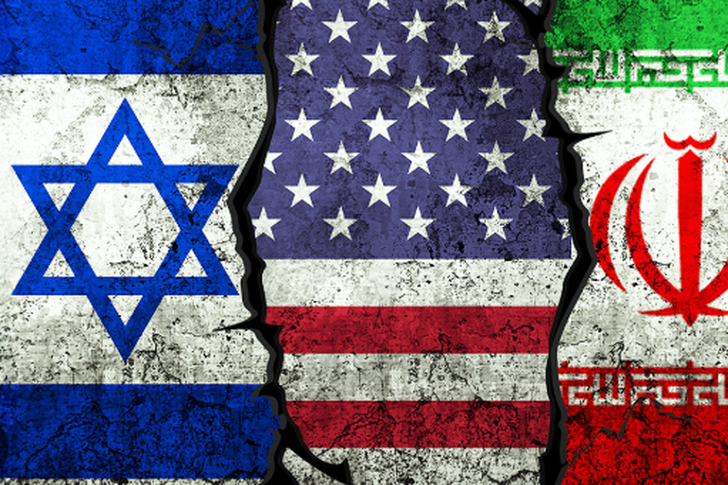
The shift of US military assets to the Middle East in rece...
If you want Parliament to turn into a law office for the m...
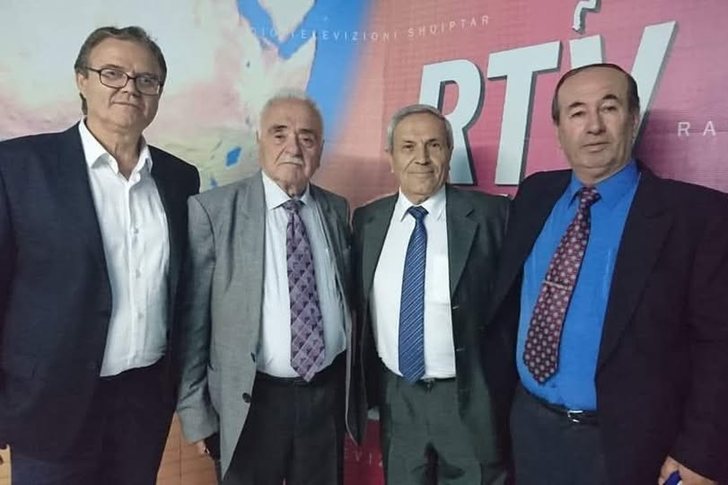
Today is the 80th anniversary of Namik Dokle; one of the m...
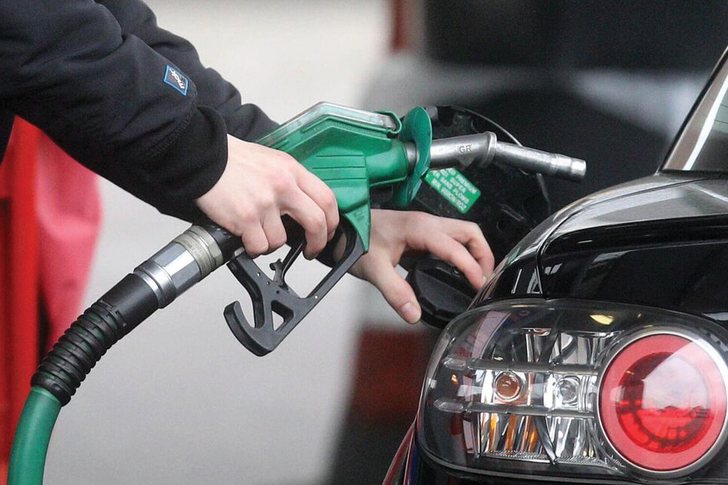
Albania today has one of the most expensive fuels in Europ...
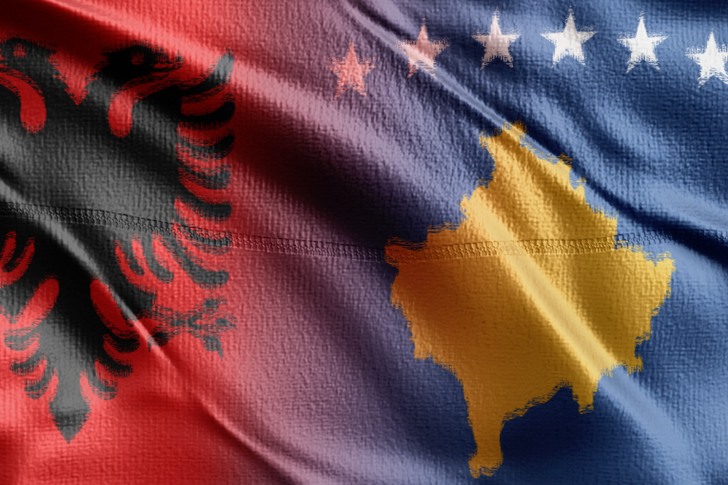
Albania and Kosovo are two parliamentary republics, where ...
March 8th, in fact, is not a holiday, but a day that symbo...
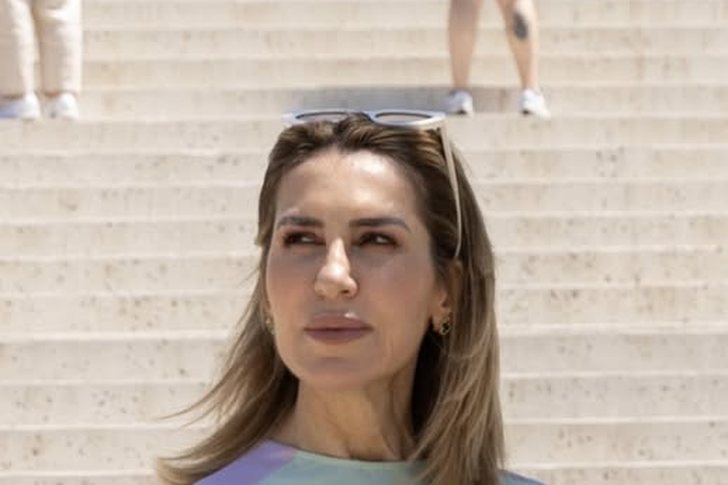
March 8th - that romantic day of the year when women get a...
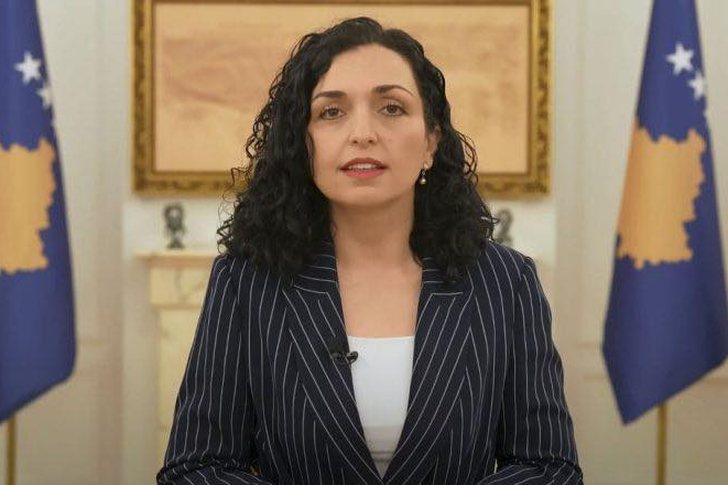
To begin with, I think that Vjosa Osmani could be a good p...
Every year, on March 7, social networks are filled with co...
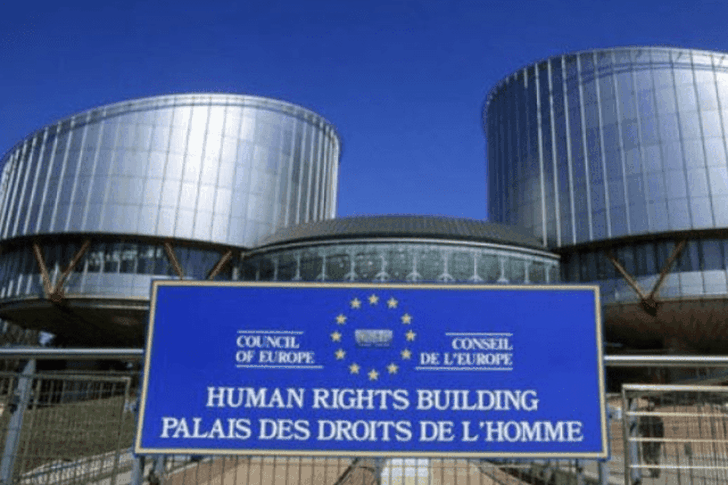
Serbia continues to violate, infringe, deny, and discrimin...
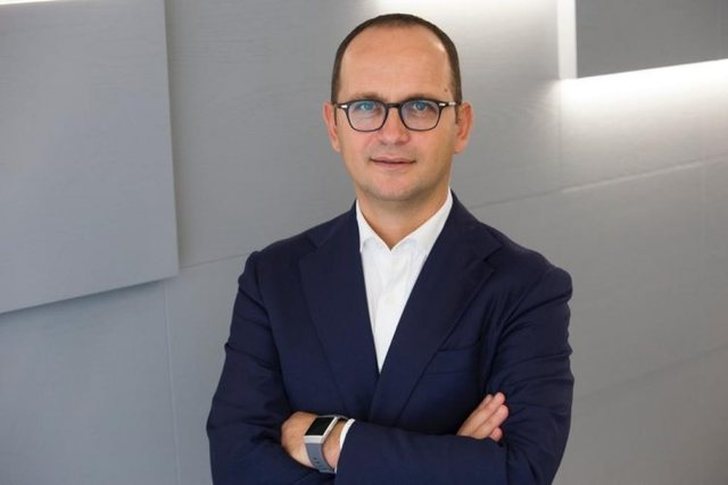
The President of Kosovo decreed the dissolution of the new...
Ambassadors have entered every aspect of our lives. From b...
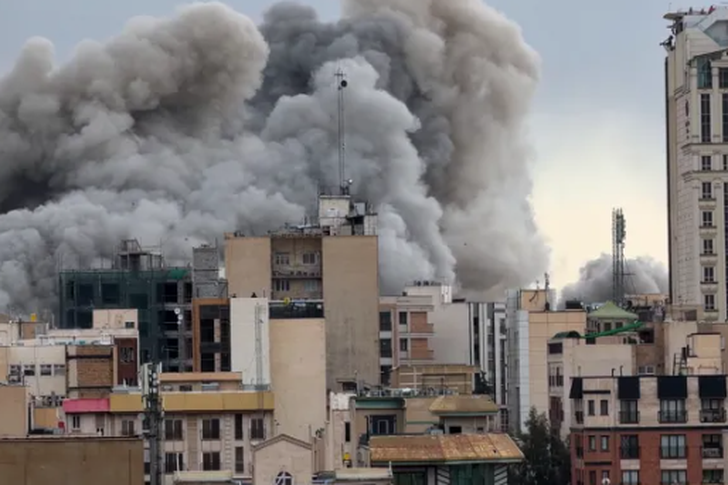
After the cases of personal decision-making for the destru...
The protests of recent days related to the situation in Zv...
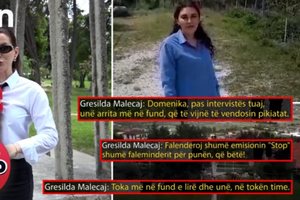
The case addressed this Wednesday, June 3, on the show "St...
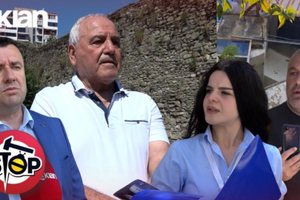
The show "Stop" broadcast this Wednesday, June 3, the case...

Irfan Hysenbelliu claims to be a big businessman, an hones...

The Special Board of Appeal (KPA) decided this Monday ...

The KPA vetting decided this Thursday to dismiss the p...

Suela Salavaçi, a prosecutor in the Prosecutor's Offic...

The Special Board of Appeal reinstated the prosecutor ...
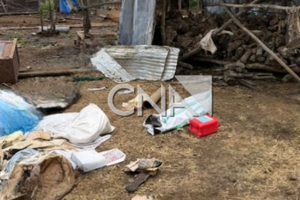
Several images provided by CNA show the area where this mo...
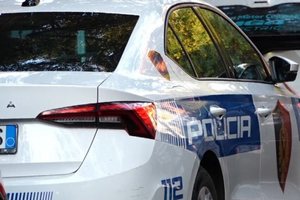
A quantity of explosive material exploded this morning at ...
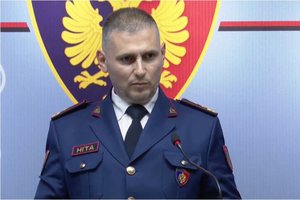
The Head of the State Police, Skënder Hita, expressed his ...
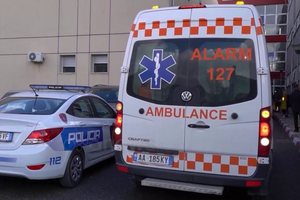
New details have emerged regarding the serious incident th...
For many children and teenagers, the long summer holidays ...
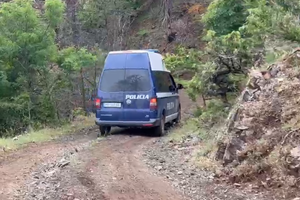
Witnesses in Lozhan, Maliqi, have shared details from the ...
Albania is facing an unprecedented demographic transition,...
On Thursday, our country will be affected by unstable weat...
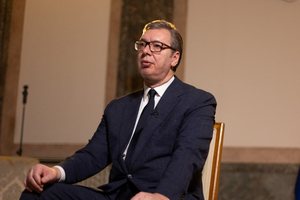
Serbian President Aleksandar Vučić has confirmed that he w...
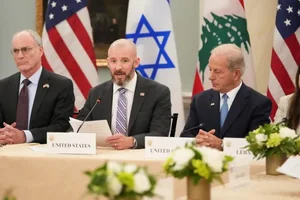
Israel and Lebanon have agreed to renew their fragile ceas...
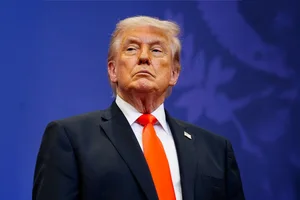
United States President Donald Trump announced in a post o...
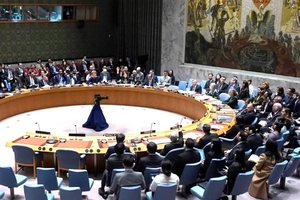
Asambleja e Përgjithshme e Kombet e Bashkuara ka përfundua...
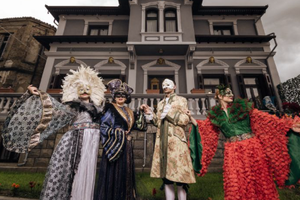
Korça is ready to open the summer season with one of the c...
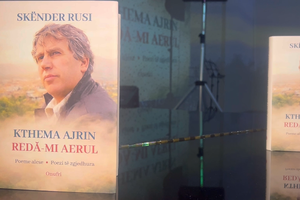
Two years after his passing, the renowned Korçë poet Skënd...
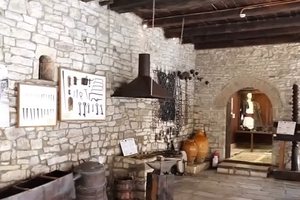
The Ethnographic Museum of Berat has opened its doors to v...
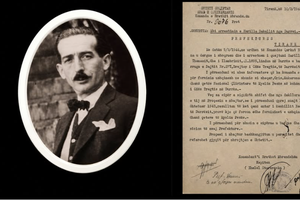
The story of Harilla Bakalli is one of the most chilling t...
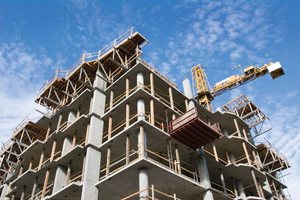
Profit margins in the construction sector have increased s...
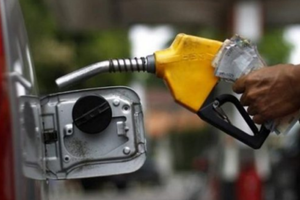
The Transparency Board, at its meeting today, decided to i...
Today, in the foreign exchange market, one US dollar is bo...
The Minister of Finance, Petrit Malaj, announced today a n...