


Serious incident in Kukës/ Officer commits suicide with gun in village cemetery
A serious incident has occurred in Morina, Kukes. Citizen...

A serious incident has occurred in Morina, Kukes. Citizen...

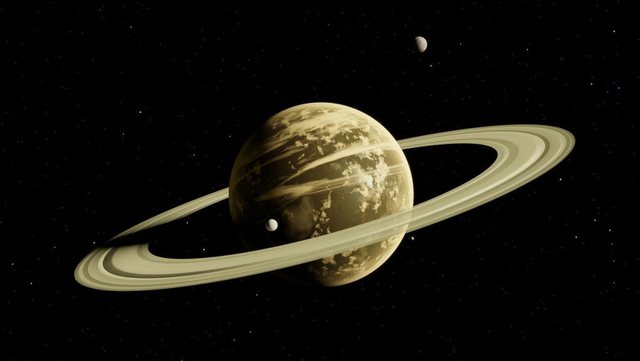
NASA's Cassini spacecraft, which has been on a mission to explore Saturn, including its largest moon Titan, ended its mission by crashing into the planet's surface in 2017. However, a portion of the database collected during 13 years of Saturn exploration is now being analyzed.
Cassini has collected new data on the seas of liquid hydrocarbons on the surface of Titan, the place that is being intensively studied in search of extraterrestrial life, reports Reuters.
Titan is shrouded in an orange haze and is the only known celestial body other than Earth to have liquid regions on its surface, although these masses are composed of nitrogen and the organic compounds methane and ethane, components of natural gas.
The NASA study included three areas near Titan's north pole: Kraken Mare, which is the largest and covers an area similar to the Caspian Sea, Ligeia Mare, the second largest, which is similar in surface to The Great Lakes in North America and Punga Mare, which is the size of Lake Victoria in Africa.
The chemical composition of these methane-rich seas varies depending on their latitude.
The study also documented the extent and propagation of waves on the sea surface, which indicates active marine currents, so-called tidal currents that intensify near the mouths of tributary streams similar to the mouths of rivers and seas.
Titan, 5,150 kilometers across, is the second largest satellite of our solar system after Jupiter's Ganymede and is larger than the planet Mercury.
Titan and Earth are the only celestial bodies in the solar system where liquid from clouds falls to the surface, flows as a river, flows into seas and lakes on the surface, and evaporates back into the atmosphere where the hydrological process begins again. /CNA

Scientists have confirmed the discovery of a cave on the m...

Two pistols owned by the French emperor Napoleon Bonap...

"A new discovery may provide some clues about Jesus' child...
Crows, the ubiquitous urban bird, can vocally count to...
Climate change is not solely responsible for rising sea le...

Quhet cochineal dhe është një insekt që është endemik ...
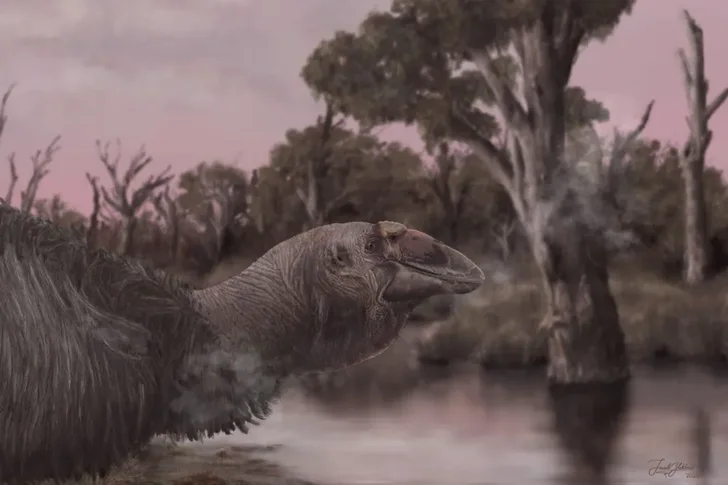
Researchers have discovered fossils of a prehistoric "gian...

Many of us use masks, oils and serums to nourish our hair,...
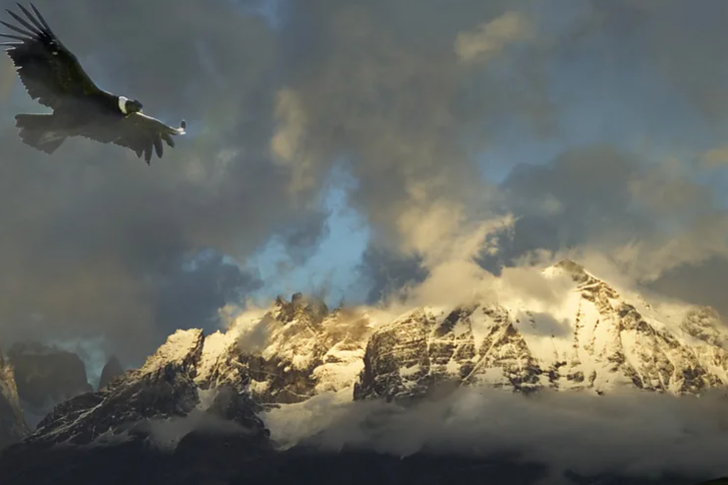
Researchers are examining how birds can help predict turbu...

Two teams of scientists have discovered a theoretically ha...

A single feather of New Zealand's now-extinct Huia bird ha...

A Harvard Business Review survey found that legal professi...

Eczema is one of the most widespread skin diseases that af...

Scientists believe they may have solved the mystery of how...

Studying the names of the Earth's oceans, the Atlantic...

Ten years ago, Dr. Jeff Lichtma, a professor of molecular ...

The National Oceanic and Atmospheric Administration, NOAA,...
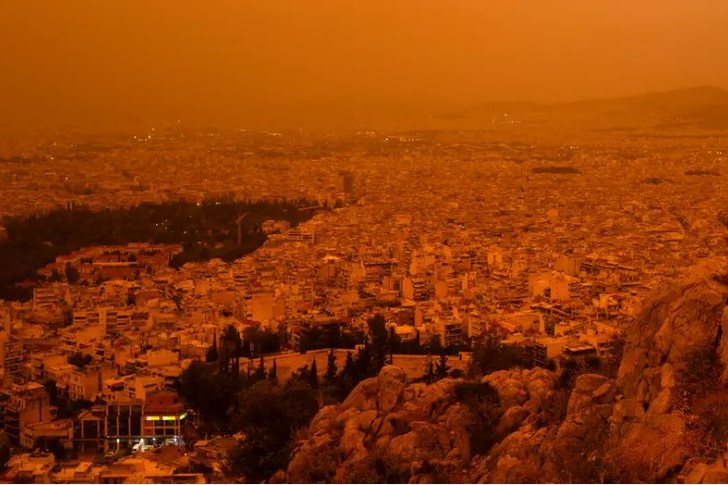
Nuk është më një ngjarje e rallë që stuhitë e pluhurit të ...
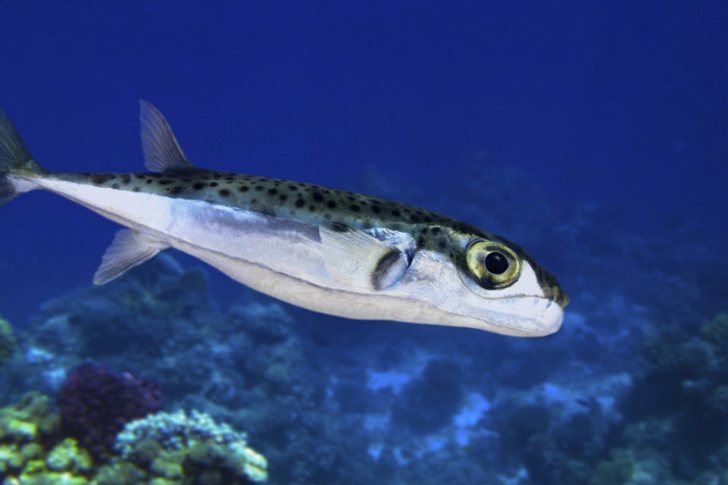
Seven silver-banded fish (Lagocephalus sceleratus) were sp...
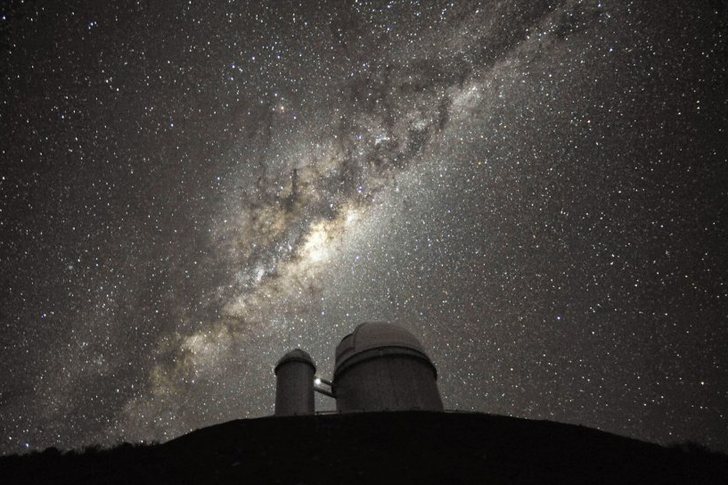
"Milky Way" is the beautiful and poetic name given to the ...

CNA has launched another investigation that could lead to ...

Irfan Hysenbelliu is a businessman that we call "Irfan the...

In March 2026, CNA launched another investigation centered...
The arrested mayor of Tirana, Erion Veliaj, with 13 charge...

The Special Board of Appeal (KPA) decided this Monday ...

The KPA vetting decided this Thursday to dismiss the p...

Suela Salavaçi, a prosecutor in the Prosecutor's Offic...

The Special Board of Appeal reinstated the prosecutor ...

A serious incident has occurred in Morina, Kukes. Citizen...
The bad weather that swept the country on Tuesday evening ...

A road accident occurred this evening on Nikolla Zoraqi St...

Three people were shot and wounded in Elbasan last night b...

This Wednesday, our country will be under the influence of...

All of Southern Europe will face changing weather conditio...
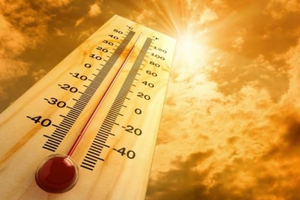
Albania was hit by temperatures significantly higher than ...

For the first time, Pogradec welcomed the Inter-Lake Chess...

Prime Minister Andy Burnham has announced that most bus fa...

France's parliament has passed a law to ban social media f...

US Secretary of State Marco Rubio arrived in Manila on Jul...

In the space of a few days, Ukrainian President Volodymyr ...

At a time when industrial products are increasingly taking...

Trust among people is not just a three-syllable word. It c...

Master of humor Todi Llupi has passed away at the age of 7...

The ninth edition of "MIK Festival" kicked off with one of...

Businesses will no longer be required to simply register t...

Despite economic growth and income in recent years, Albani...

This Wednesday, one US dollar is bought for 81.4 lek and s...

Construction company licenses will have a validity period ...